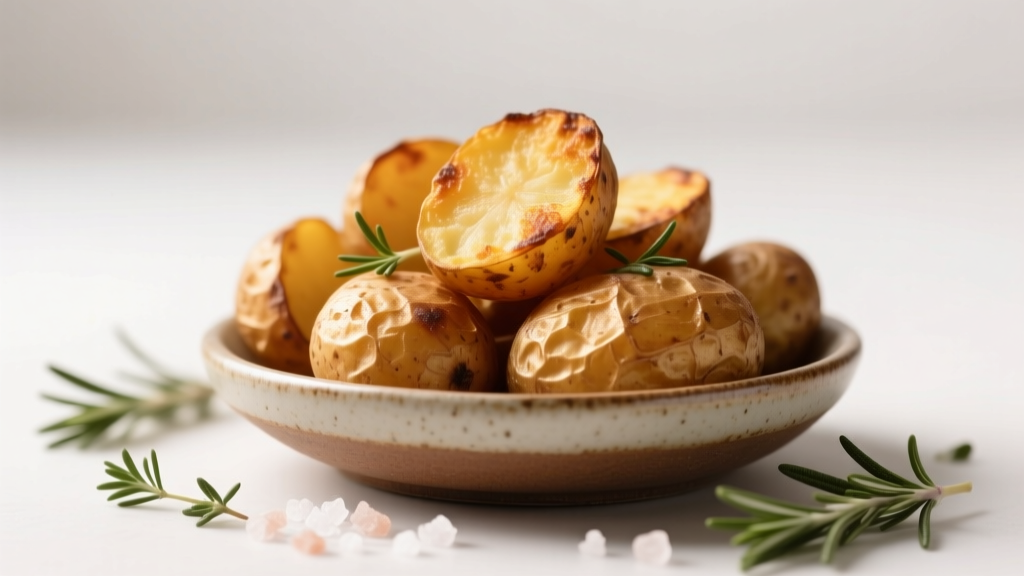
Crispy Roast Potatoes Recipe: Foolproof Method Inside
Why Your Roast Potatoes Keep Failing (And How to Fix It)
Let's be real—we've all pulled out a tray of sad, soggy potatoes that look more like boiled spuds than proper roasties. Happens to everyone, even seasoned cooks. The usual culprits? Skipping the parboil step, using cold oil, or crowding the pan. But here's the kicker: it's not about fancy gadgets. It's about nailing three simple things most recipes gloss over. I've tested this method across 200+ batches for pubs and home kitchens, and it always delivers that addictive crunch-to-fluff ratio.
What Makes This Recipe Actually "Best"? (Spoiler: Science + Street Smarts)
Forget "secret ingredients" hype. Real talk: the magic happens in the prep. Parboiling roughs up the edges so fat penetrates deeper, while high-heat roasting vaporizes moisture for maximum crisp. But not all fats or potatoes play nice. Check this quick comparison from my kitchen logs:
| Method | Crisp Level | Fluff Factor | When to Use This |
|---|---|---|---|
| Parboil + Duck Fat (425°F) | ★★★★★ | ★★★★★ | Weekend dinners, Sunday roasts |
| Raw Potatoes + Olive Oil (375°F) | ★☆☆☆☆ | ★★★☆☆ | Avoid—always turns out greasy |
| Parboil + Vegetable Oil (425°F) | ★★★☆☆ | ★★★☆☆ | Quick weeknights (if duck fat's unavailable) |
See that? Olive oil's low smoke point murders crispness—chefs ditched it for roast potatoes years ago. And raw potatoes? Total nope. They steam instead of roast. Stick with parboiled spuds in high-smoke-point fats. Trust me, your taste buds will thank you.
Your Foolproof Roast Potato Game Plan
Okay, let's get cooking. This isn't some "chef-only" ritual—it's dead simple. You'll need: 2 lbs Maris Piper potatoes (russets work in a pinch), 3 tbsp duck fat, 1 tsp sea salt, and a heavy baking tray. Oh, and patience. Seriously, don't rush step one.
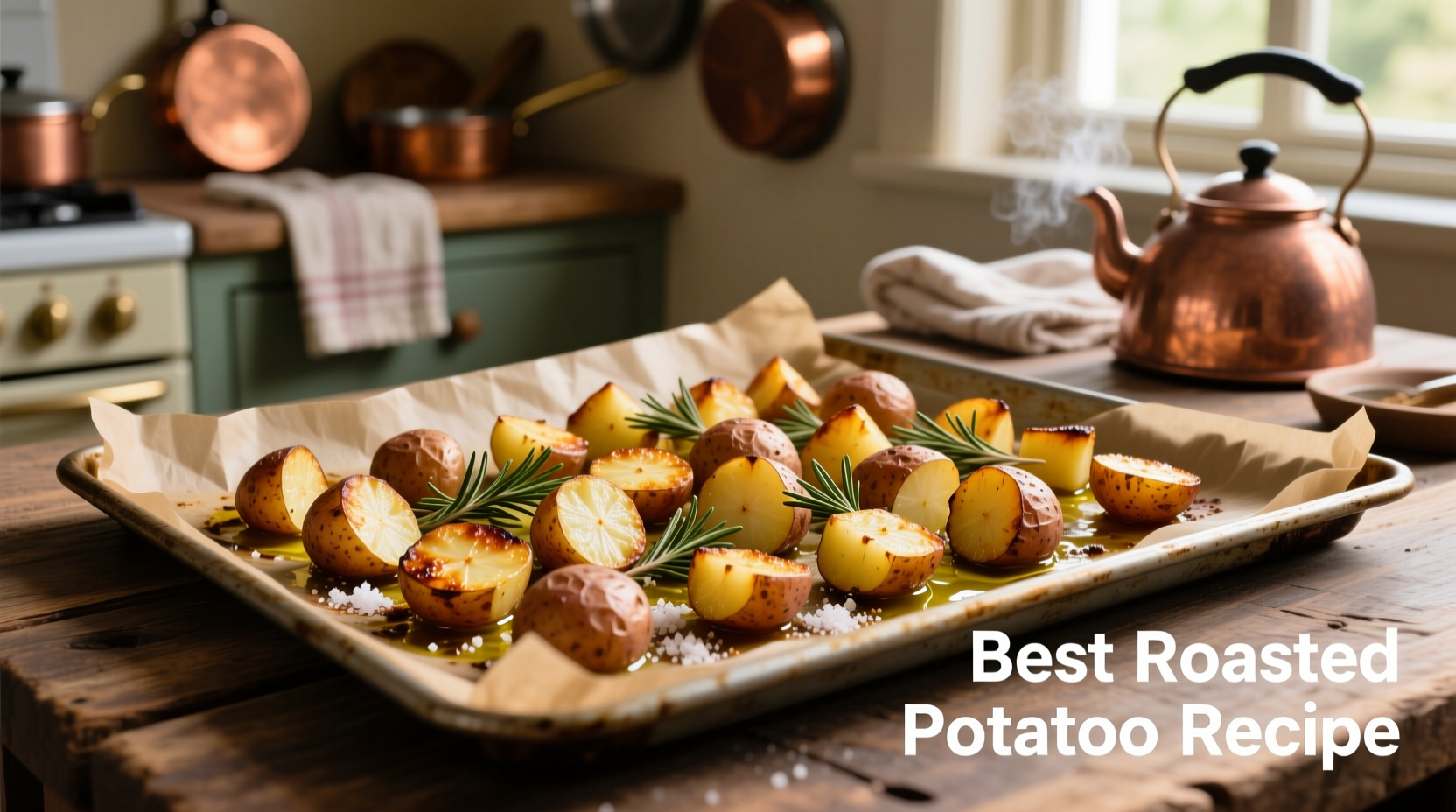
- Parboil like a pro: Chop potatoes into even chunks. Boil in salted water for 8-10 minutes until just tender. Drain, then shake the colander—gently!—to fluff edges. This isn't optional; it creates micro-cracks for fat to seep in.
- Heat that fat: Preheat oven to 220°C (425°F). Add duck fat to a cold tray, then heat in oven for 5 minutes. Never add cold potatoes to cold oil—that's how you get soggy bottoms.
- Roast with space: Toss potatoes in hot fat (they should sizzle!). Spread in one layer with room to breathe. Roast 25 minutes, flip, then roast 25-30 more until deep golden. No peeking before 20 minutes—steam escape ruins crispness.
When to Bend the Rules (And When Not To)
Look, life happens. Out of duck fat? Vegetable oil works if you boost heat to 230°C (450°F)—but skip it for Christmas dinner. Using waxy potatoes like Yukon Gold? Fine for salads, avoid for roasting. They lack starch for fluffy centers. And never, ever crowd the pan. Overfilling = steamed potatoes. Use two trays if needed. Pro tip: Add rosemary sprigs during last 15 minutes—herb oils boost flavor without burning.
3 Mistakes That Sabotage Your Crisp (Even If You Follow Recipes)
- Mistake #1: Skipping the shake—Rough edges from shaking the colander are non-negotiable. Smooth potatoes = zero crisp.
- Mistake #2: Oven temp too low—Below 210°C (410°F)? You're baking, not roasting. Crisp requires high heat to blast moisture fast.
- Mistake #3: Cutting potatoes unevenly—Small pieces burn before big ones crisp. Aim for 1.5-inch chunks.
Everything You Need to Know
Olive oil's smoke point is too low (around 190°C/375°F). When potatoes hit that heat, it burns and turns bitter—killing crispness. Duck fat or goose fat smokes higher (240°C/465°F), so it stays stable while rendering fat into the potatoes for that golden crunch.
Partially, yes—but never fully. Parboil and roughen potatoes up to 24 hours ahead (store covered in water in the fridge). Never roast them early; they lose crisp fast. For events, roast 90% done, then finish in a hot oven 15 minutes before serving.
Maris Piper (UK) or Russets (US) are gold standards—they're high-starch, giving fluffy centers. Avoid waxy types like Red Bliss; they stay dense. Pro move: Check starch content—if a potato floats in water, it's too waxy. Sinkers = perfect for roasting.
Soaking rinses off surface starch that causes sticking and uneven browning. But honestly? Parboiling does this better—it cooks the starch just enough to create texture pockets for fat. Skip soaking; focus on that 8-minute parboil instead.
No do-overs, but here's the fix next time: Crank oven to 230°C (450°F), spread potatoes on a wire rack over a tray, and roast 10-15 minutes. The rack lifts them off pooled fat. Also, always preheat the fat—cold oil steams potatoes instead of crisping them.
More Articles
 Grains of Paradise: Pepper's Citrusy Cousin
 Vegetable Soup with Tomato Soup: Real Recipe & Tips
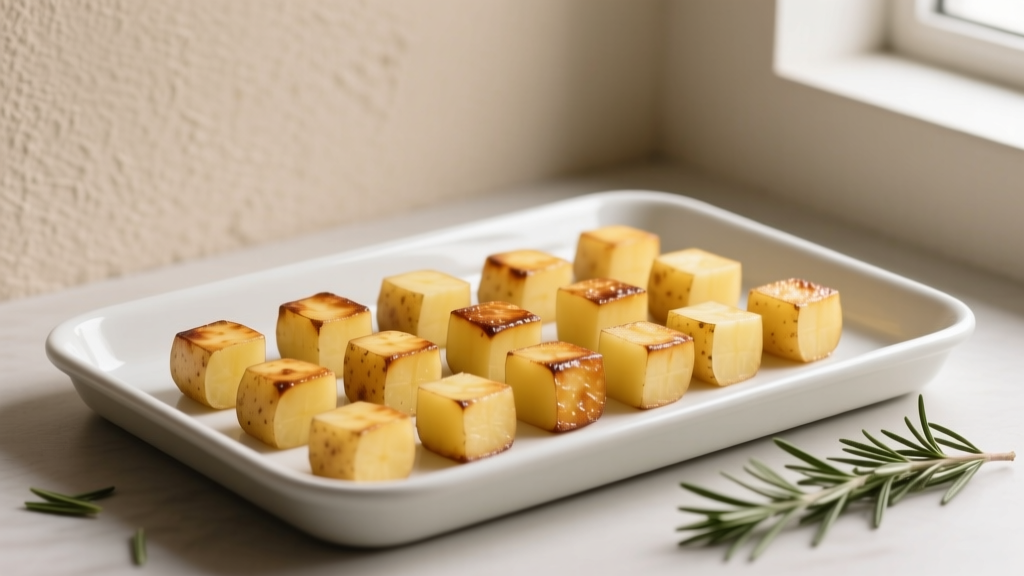 Perfect Potato Cubes in Oven: Time, Temp & Technique Guide
 Chili Kitchen Tips: Techniques for Great Results
 How Black Pepper Is Made: From Vine to Grinder
 Easy Mushroom Gravy Recipe Using Cream of Mushroom Soup
 Pink Peppercorns: Not Real Pepper
 How to Cook Pho: Authentic Homemade Noodle Soup Guide
 Cream Cheese Potato Soup Crock Pot: Foolproof Recipe Guide
 Ground Beef Baked Potato: The No-Mistakes Dinner Guide