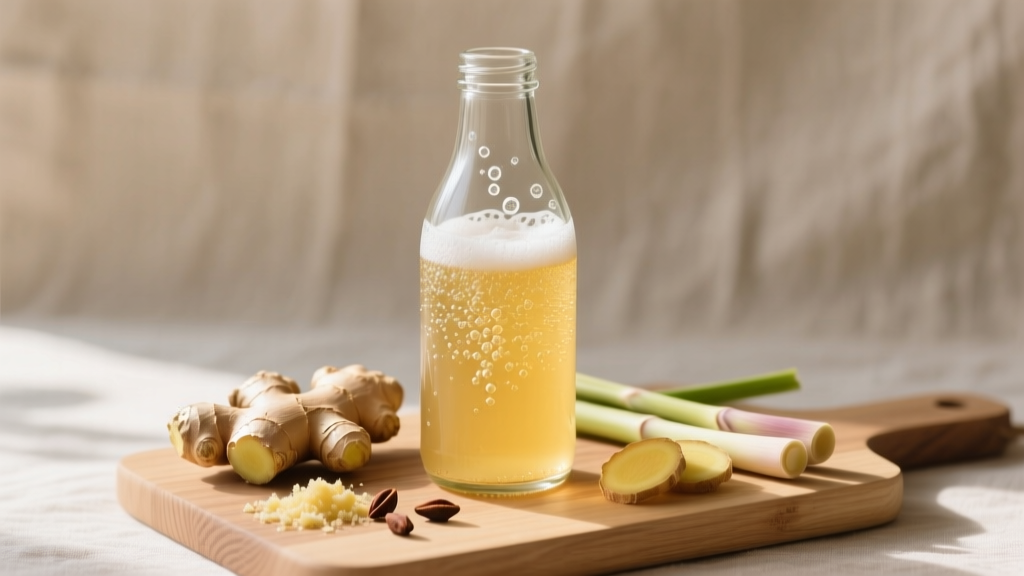
How to Make Ginger Beer: Safe Homemade Recipe Guide
Why Bother Making Your Own Ginger Beer?
Look, I've brewed this stuff for 20 years across three continents – and honestly? Store-bought versions taste like sugary soda water with fake ginger flavor. Homemade gives you that real fiery kick with natural carbonation. Plus, you control the spice level. But fair warning: skip the safety steps and you'll have sticky ceiling decor. Let's fix that.Ginger Bug vs. Instant Yeast: Which Method Wins?
| Method | Time Required | Flavor Depth | Bottle Bomb Risk | Best For |
|---|---|---|---|---|
| Ginger Bug (wild fermentation) | 5-7 days total | Complex, spicy, nuanced | Low (slow fermentation) | Purists, slow-food lovers |
| Instant Yeast (bread yeast) | 2-3 days total | Clean, bright, consistent | Medium (needs daily burping) | Weekend brewers, beginners |
Personally? I use instant yeast 90% of the time. Why? My Berlin kitchen stays chilly, and wild bugs stall below 21°C (70°F). You'll get reliable fizz without babysitting a jar for a week. But if you've got patience, the bug method develops incredible depth – like comparing craft beer to lager.
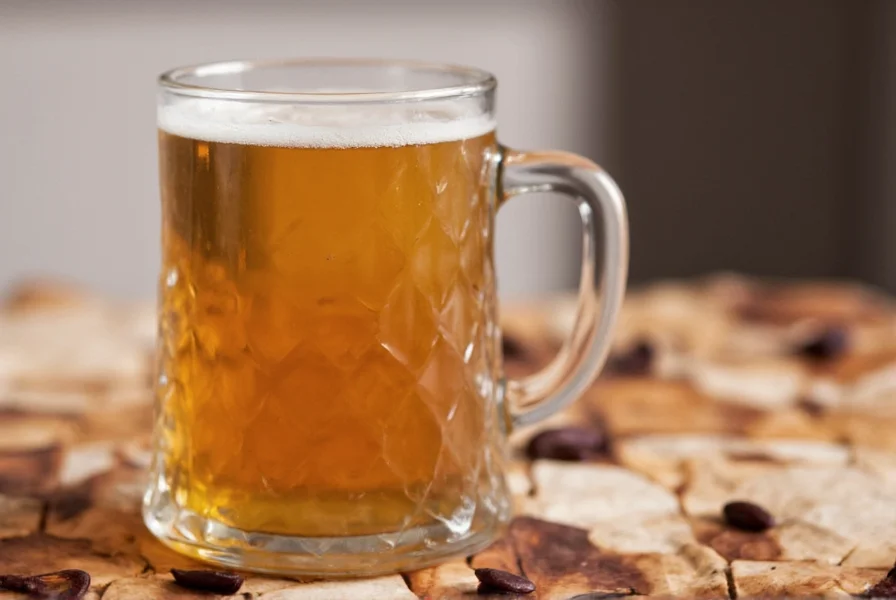
Your Ingredient Cheat Sheet (No Fancy Stuff Needed)
- Ginger: Use knobby "buddha's hand" variety – 1 cup grated (peel stays on for max zing). Avoid pre-ground; it turns bitter.
- Sugar: White cane sugar dissolves cleanest. Honey works but ferments faster – cut quantity by 25%.
- Water: Filtered only. Tap chlorine kills yeast. Seriously, I learned this the hard way after my London flat's water nuked two batches.
- Yeast: Fleischmann's Active Dry (¼ tsp). Not baking powder – that's a rookie move.
Step-by-Step: Safe Brewing in 20 Minutes
- Simmer: Boil 4 cups water + 1 cup grated ginger 10 mins. Stir in 1.5 cups sugar until dissolved. Add juice of 1 lemon.
- Cool: Let sit uncovered 2 hours. Crucial: Must be below 30°C (86°F) before adding yeast or you'll kill it.
- Bottle: Pour into plastic soda bottles or swing-top glass (never screw-top!). Leave 5cm headspace.
- Ferment: Keep at 20-24°C (68-75°F) away from sun. Day 1: Tighten caps. Day 2-5: "Burp" bottles daily by opening ¼ turn until fizz appears.
When to Bottle (and When to Bail)
STOP immediately if: You see mold (discard entire batch), smell rotten eggs (sulfur contamination), or bottles feel rock-hard. Better sad than spraying ginger shrapnel.
Otherwise, fermentation's done when:
- Bottles feel slightly firm (like a soda bottle)
- 48-72 hours in warm climates (above 24°C/75°F)
- 4-5 days in cooler spaces (below 20°C/68°F)
Chill 12+ hours before opening. That cold temp tames the fizz – I've had warm batches foam out 3 cups of liquid!
Avoid These 3 Costly Mistakes
- Using metal pots: Ginger's acids react with aluminum – gives metallic aftertaste. Stick to glass or stainless steel.
- Over-sweetening: More sugar ≠ more fizz. Excess feeds yeast too long, causing explosions. Stick to 1.5 cups per liter.
- Skipping burping: Pressure builds FAST. One Sydney brewer I know blew out a kitchen window. Plastic bottles are your safety net – they bulge before bursting.
Everything You Need to Know
Yes, absolutely. Ferment for just 24-48 hours – that's enough for carbonation but keeps alcohol under 0.5% (legally non-alcoholic). Longer fermentation increases alcohol naturally, so chill it fast when fizzy.
Two usual culprits: using screw-top bottles (pressure has no escape) or fermenting past 5 days in warm rooms. Always use swing-tops or plastic soda bottles, and burp daily after day 2. If it's rock-hard, refrigerate immediately – don't open!
Refrigerated in sealed bottles, it stays fresh 3-4 weeks. The flavor mellows over time – I actually prefer it at 2 weeks. After that, it turns vinegary as fermentation continues slowly. Freeze for longer storage (thaw in fridge).
Smart question! Yes – mix spent pulp with oats and honey for ginger scrub. Or dry it for tea. But never reuse in another brew; exhausted ginger gives flat, weak flavor. Fresh is always best for the next batch.
It skips artificial preservatives and high-fructose corn syrup in commercial brands. But it's still sugar-based – same calories as soda. For gut health, the live cultures from wild fermentation help, but pasteurized store versions don't have those. Moderation's key.
More Articles
 Does Ginger Beer Expire? Shelf Life Explained
 Mustard Tree: Spicy Secrets & Surprising Facts (2026)
 How to Tell If Ginger Is Bad: 5 Clear Indicators
 Cheesy Hash Brown Potato Casserole: Foolproof Recipe Guide
 Cast Iron Skillet Cleaning: No-Rust Method (2026)
 Coriander vs Cilantro: Same Plant, Two Spices
 Crispy Smashed Potatoes: Perfect Recipe & Pro Tips
Cumin for Beginners: Use and Benefits
Crispy Smashed Potatoes: Perfect Recipe & Pro Tips
Cumin for Beginners: Use and Benefits
 Restore Spice Potency: A Practical Repair Guide
 Smoked vs Regular Paprika: When to Use Each