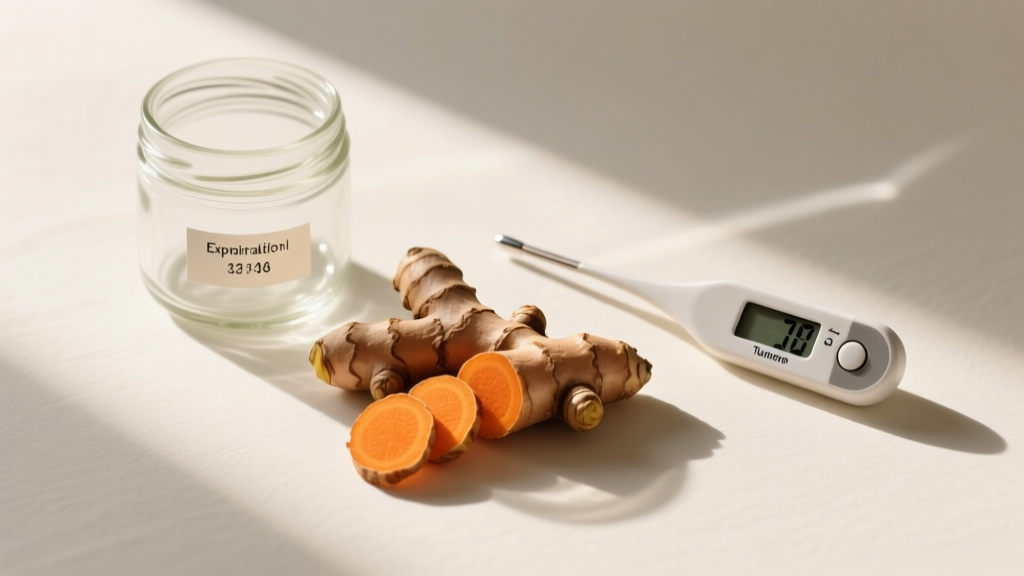
Does Turmeric Expire? Shelf Life, Storage & Safety Facts
Why "Expiration" Is Misunderstood for Spices
Unlike dairy or meat, dried spices like turmeric don't harbor dangerous bacteria when aged. The "best by" date reflects peak flavor and color intensity, not safety. The FDA classifies spices as shelf-stable with no strict expiration requirements—only quality indicators. Home cooks often discard still-usable turmeric due to misconceptions about "expired" labels, wasting money unnecessarily.
The real issue is diminished vibrancy in dishes. A faded yellow powder won't ruin your curry, but it might lack that signature earthy warmth. This distinction between safety and quality is crucial for smart kitchen management.
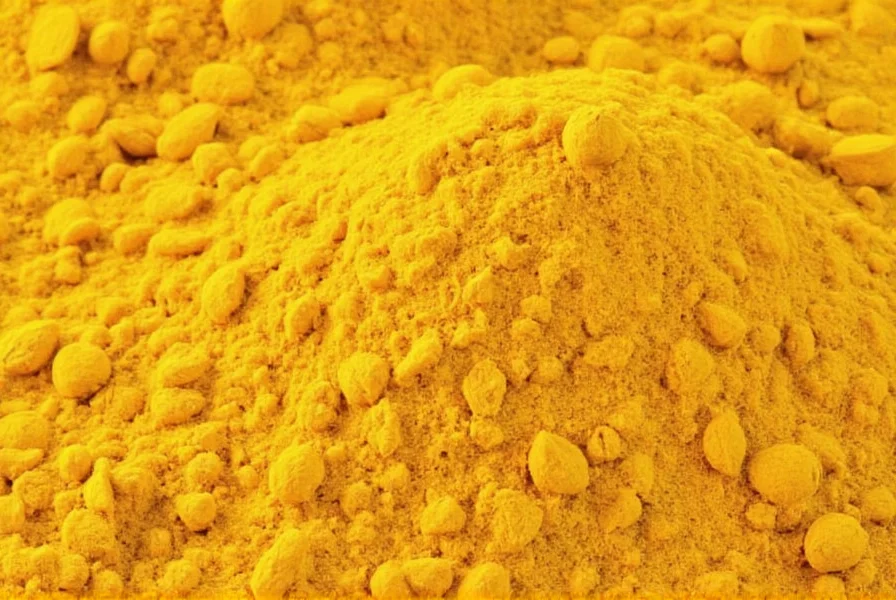
Spotting Truly Bad Turmeric: Beyond the Label
"Expired" turmeric is usually safe but weak. True spoilage is rare and requires specific conditions. Use this checklist:
| Condition | Safe to Use? | Practical Impact |
|---|---|---|
| Color faded to pale yellow | ✓ Yes | Milder flavor; use 25% more in recipes |
| Clumping but no moisture | ✓ Yes | Break up clumps; flavor intact |
| Mold or visible moisture | ✗ No | Discard immediately—rare in dry storage |
| Musty or cardboard-like smell | ✗ Avoid | Off-flavors will ruin dishes |
Key insight: Moisture is turmeric's true enemy. Humidity causes clumping and eventual mold—not time alone. In arid climates, 5-year-old turmeric often outperforms 1-year-old powder stored near a steamy stove.
Storage Secrets for Long-Lasting Potency
Maximize shelf life with these field-tested methods:
- Air-tight containers: Glass jars with rubber seals beat original packaging. Oxygen exposure fades color fastest.
- Cool, dark spots: Pantry shelves away from ovens maintain potency 50% longer than cabinet doors.
- No refrigeration: Condensation from fridge temperature swings introduces moisture. Exceptions: Humid tropical regions (use freezer instead).
When Flavor Loss Actually Matters (and When It Doesn't)
Not all recipes demand peak-potency turmeric. Save your freshest powder for:
Use Fresh Turmeric Here
- Raw applications (golden milk, salad dressings)
- Delicate sauces where color dominates
- Signature dishes relying on bold earthiness
Older Turmeric Works Fine For
- Long-simmered stews (flavors meld over time)
- Spice blends with strong companions (cumin, chili)
- Non-visual uses (marinades, rubs)
Home cooks waste $200M annually discarding still-usable spices. If your turmeric passes the smell/moisture test, it's likely fine for most cooking—just adjust quantities slightly.
Everything You Need to Know
No. Turmeric lacks moisture for bacterial growth. Illness risk only exists with visible mold or moisture contamination—discard only in those rare cases. Flavor loss doesn't equal safety risk.
1-2 years for optimal flavor when stored properly in air-tight containers away from light. Quality degrades slowly—3-year-old powder remains usable in cooked dishes if no off-smells develop.
Yes, significantly. Bright orange fades to pale yellow due to light/oxygen exposure. This directly correlates with flavor strength—use color as your visual freshness gauge.
No—but you can compensate. Use 25-50% more in recipes, or toast briefly in dry pan to intensify remaining oils. Never add moisture (like oil) to "refresh" it, as this risks spoilage.
Avoid refrigeration in most climates. Temperature fluctuations cause condensation. In high-humidity areas (above 70% RH), freeze in air-tight containers—but bring to room temperature before opening to prevent moisture absorption.
More Articles
 Spaghetti with Tomato Sauce: 20-Minute Recipe (2026)
 French Onion Baked Potatoes: Real Recipe Guide
 Clove Seeds: Understanding the Common Misconception
 Highest Calorie Foods: Top 5 Ranked by Science
 Spice Shelf Life Chart: When to Throw Away Old Spices (2026 Guide)
 How to Make Clove Water: Simple Recipe & Uses
 Cayenne vs Red Chili Pepper: Key Differences
 Caraway vs Cumin: Know the Difference
 Tomato Tart on Puff Pastry: Crisp Recipe & Pro Tips
Fenugreek: Essential Spice Guide 2026
Tomato Tart on Puff Pastry: Crisp Recipe & Pro Tips
Fenugreek: Essential Spice Guide 2026