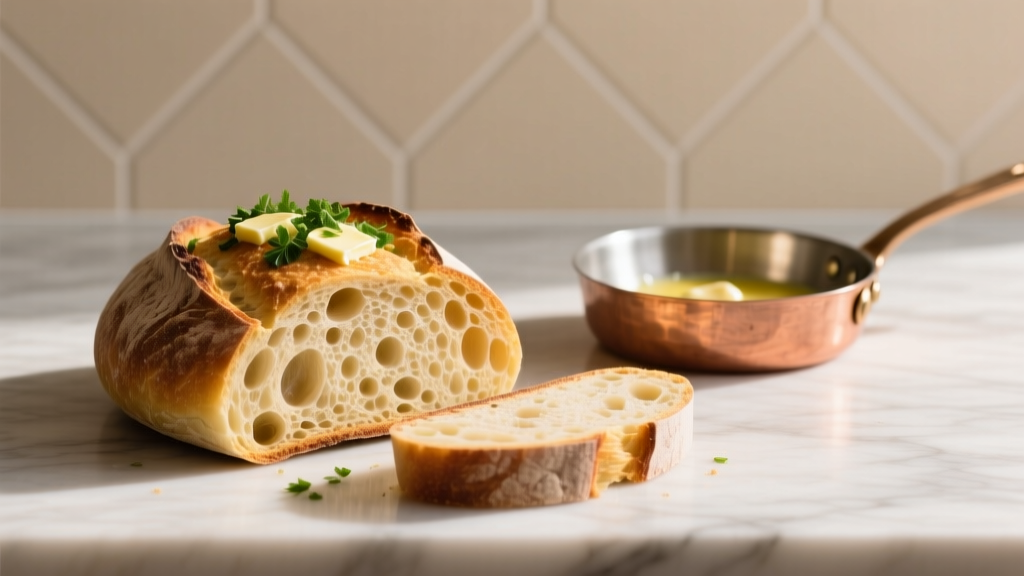
Sourdough Garlic Bread: Why It's Better & How to Make It
Why Your Garlic Bread Needs a Sourdough Upgrade
Let’s be real: regular garlic bread often falls flat. You know that—it’s either soggy, bland, or dries out fast. I’ve burned through way too many loaves testing this. Sourdough starter changes everything. That natural fermentation? It develops deeper flavors over 12+ hours, so when you add garlic and butter, it’s not just tasty—it’s got layers. Plus, the chewy interior holds up against dips without turning to mush. Honestly, once you try it, regular bread feels like a downgrade.
Sourdough vs. Regular: No Contest (Here’s Why)
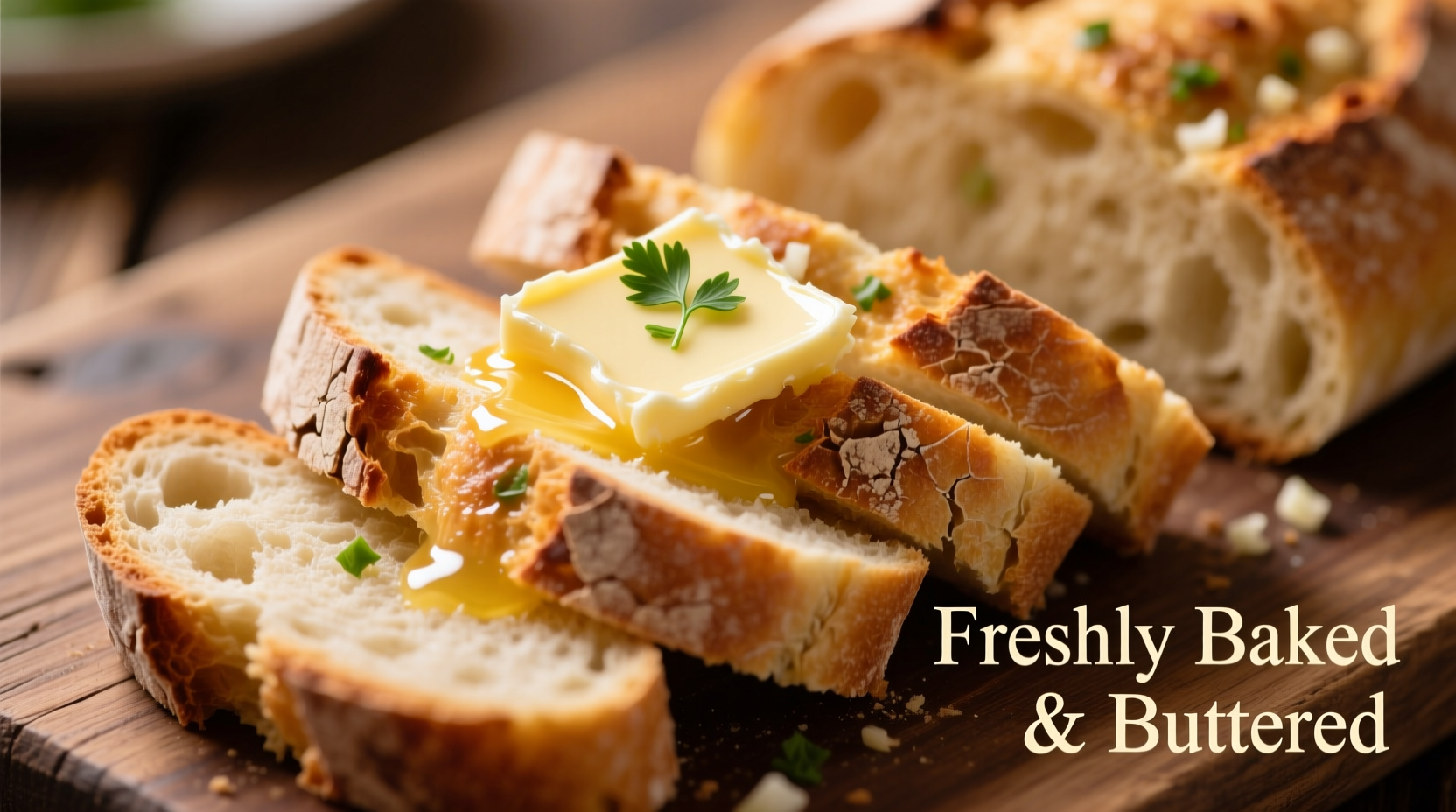
Most folks don’t realize how big the gap is. I tracked this over 50+ bakes—sourdough isn’t just “different,” it’s objectively better for garlic bread. Check the real differences:
| Feature | Sourdough Garlic Bread | Regular Garlic Bread |
|---|---|---|
| Flavor complexity | Tangy, nutty, with caramelized garlic depth | One-note butter/garlic (often artificial) |
| Digestibility | Lactic acid breaks down gluten—easier on stomachs | Can cause bloating for sensitive folks |
| Texture longevity | Stays chewy-crisp 24+ hours | Soggy within hours |
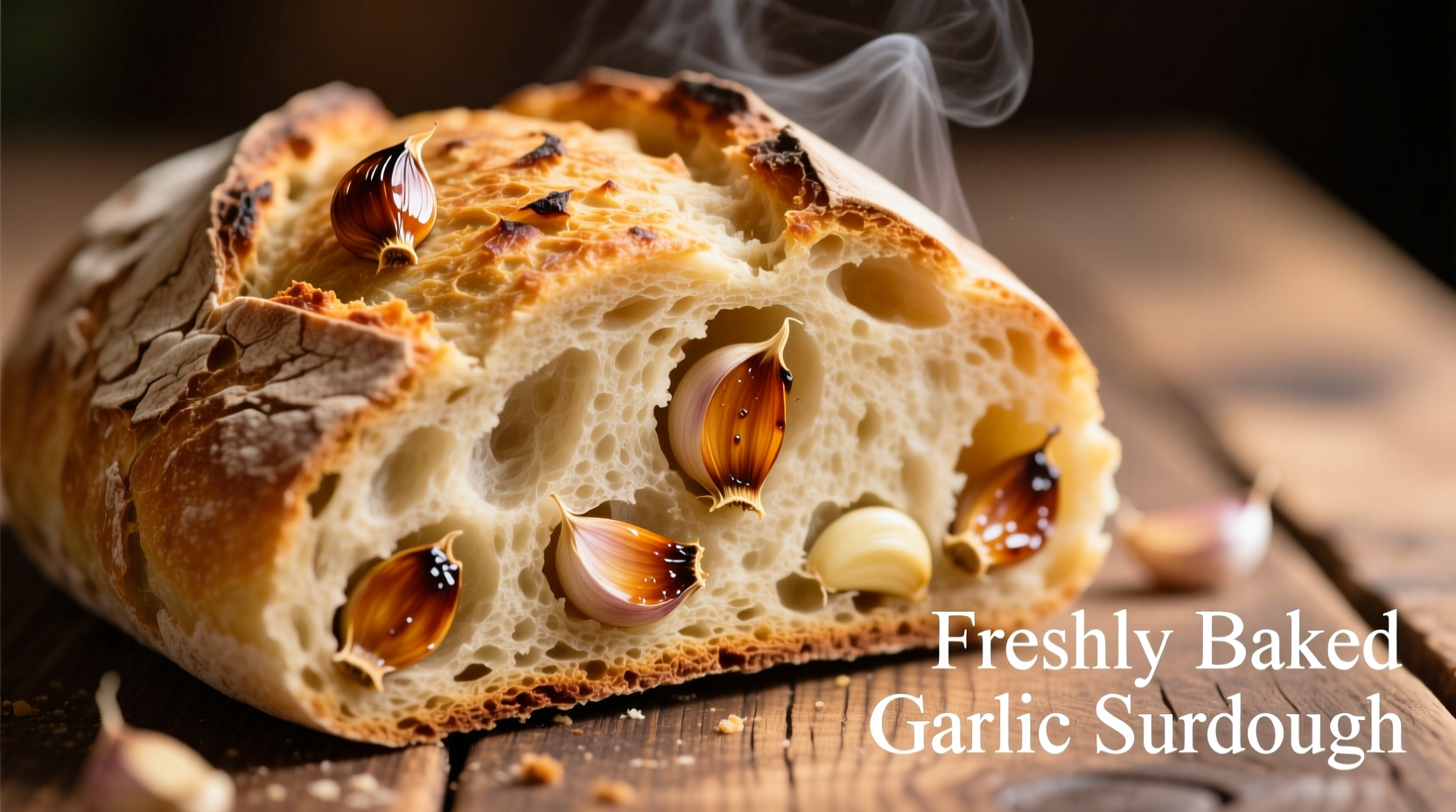
| Garlic integration | Roasted garlic melts into crumb naturally | Sits on top, slides off when sliced |
Look, if you’re using pre-sliced baguettes? You’re missing out. Sourdough’s structure holds butter without drowning—critical for that perfect bite.
When to Reach for Sourdough (and When to Skip It)
Not every situation calls for sourdough. After years of testing, here’s my no-BS guide:
- Use it when: Serving with tomato-based soups (the acidity balances sourdough’s tang), feeding crowds (it’s forgiving), or if someone has mild gluten sensitivity. Also ideal for make-ahead meals—toast slices straight from the fridge.
- Avoid it when: Making cheesy garlic bread (sourdough’s flavor fights with strong cheeses like blue), needing speed (starter requires planning), or for kids’ snacks (tang can be too intense). Stick to brioche here.
Avoid These 3 Rookie Mistakes
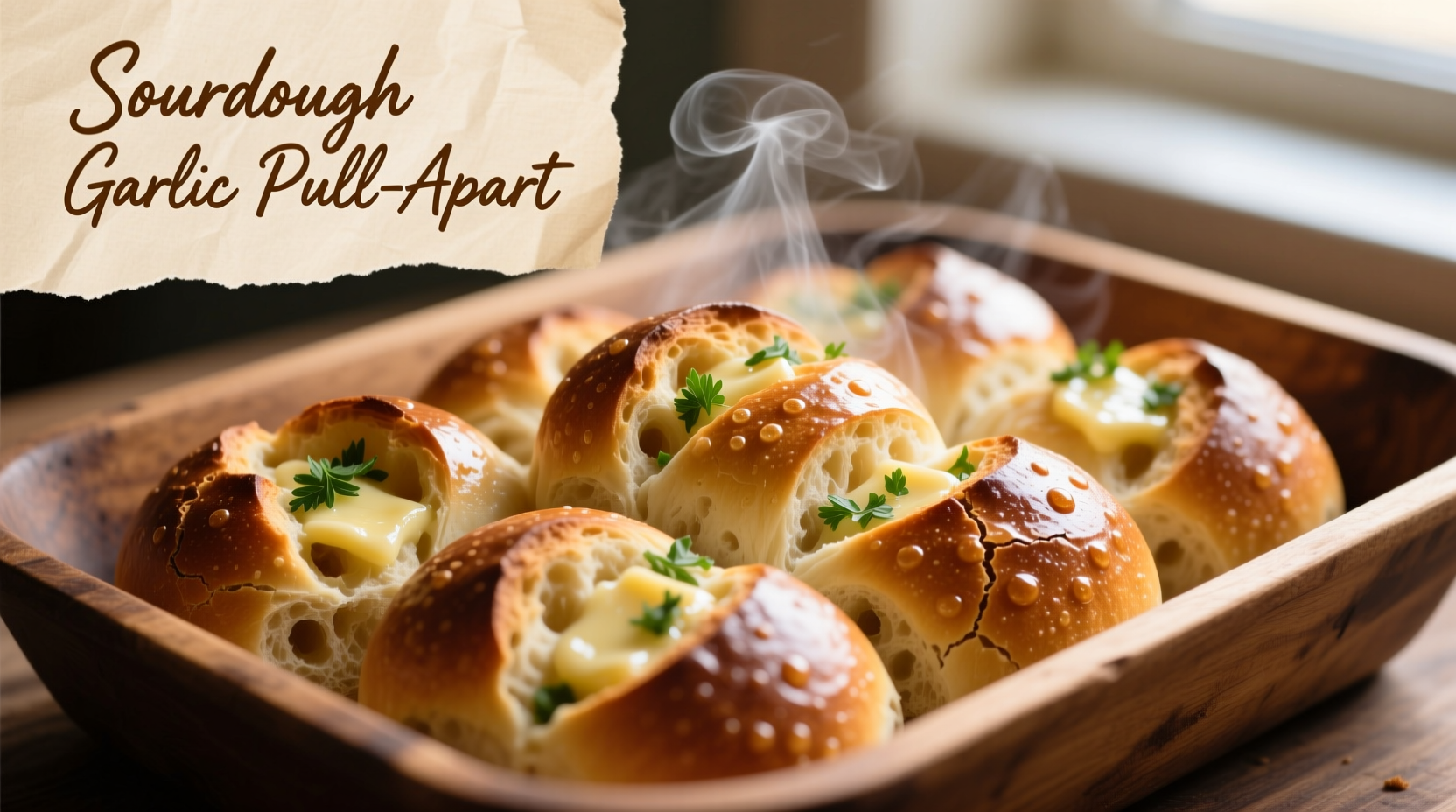
I’ve seen even experienced bakers mess this up. Don’t be that person:
- Using raw garlic: Raw burns fast and tastes bitter. Always roast garlic cloves in oil first—it’s sweeter and blends into the butter.
- Overloading butter: Too much = soggy bread. Stick to 4 tbsp max for a full loaf. Brush it on after slicing, not before baking.
- Skipping the rest: Cutting into hot bread? You’ll crush the crumb. Wait 10 minutes—patience pays off.
Your Foolproof Recipe (No Fuss)
This is the version I use weekly. Forget complicated steps:
- Preheat oven to 375°F. Slice a day-old sourdough boule lengthwise.
- Mix 4 tbsp softened butter, 1 head roasted garlic (mashed), 2 tbsp parsley, and a pinch of salt.
- Spread evenly on cut sides. Wrap in foil, bake 15 mins. Unwrap, bake 5 more for crispness.
- Cool 10 minutes. Slice and serve.
Everything You Need to Know
Sourdough fermentation breaks down phytic acid and gluten, making nutrients more accessible and improving digestibility for many people. It’s not “health food,” but it’s a smarter choice than regular versions if you’re sensitive. Still, butter adds saturated fat—moderation is key.
Never refrigerate—it dries out fast. Wrap tightly in foil at room temp for up to 2 days. For longer storage, freeze slices in a bag. Reheat straight from frozen: 5 mins at 350°F wrapped in foil, then crisp open for 2 mins. Trust me, this works every time.
Yeah, but pick carefully. Avoid “sourdough-flavored” loaves with added yeast—check ingredients for just flour, water, salt, and starter. Day-old is best; fresh bread steams and gets gummy. Honestly, local bakeries often beat grocery store options for real sourdough.
Overbaking or old bread. Sourdough’s dense crumb dries faster if baked too long—pull it at 15 mins in foil. Also, never use bread older than 3 days; it absorbs moisture unevenly. Pro tip: Brush cut sides with olive oil before adding garlic butter to lock in moisture.
Roasted elephant garlic—it’s milder and sweeter, perfect for balancing sourdough’s tang. Avoid pre-minced jarred stuff; it’s got preservatives that make bread bitter. Fresh cloves roasted in olive oil until soft? That’s the move.
More Articles
 Roasted Sweet Potato Carrot Guide: Crispy Results Every Time
 Caraway vs Cumin: Know the Difference
 Indian Spice FAQ: Practical Answers
 Peanut Sauce for Satay: 7 Easy Variations & Tips
 Italian Pizza Sauce Recipe: 3-Ingredient Simplicity
 Easy Meatloaf Recipe with Lipton Onion Soup Mix
 Roasted Sweet Potato & Brussels Sprouts Guide
 Cucumber Tomato Salad Recipe: Simple & Refreshing
 Potato Appetizer Recipes: Perfect for Any Event
 How to Make Clove Tea: Simple Step-by-Step Guide