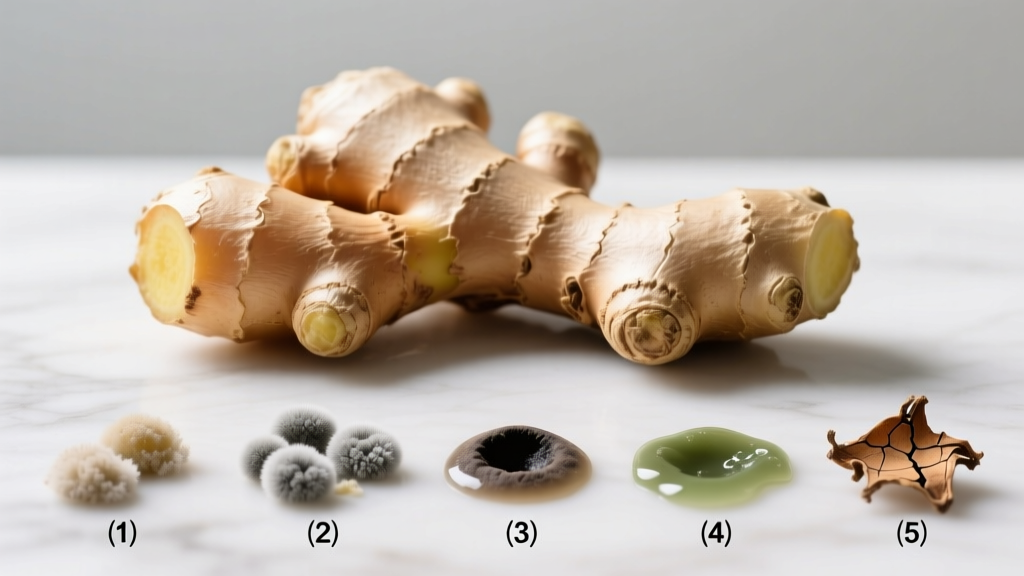
How to Tell If Ginger Root Is Bad: 5 Clear Signs of Spoilage
Why Ginger Spoilage Matters for Your Health
Consuming spoiled ginger isn't just unpleasant—it risks foodborne illness from mold toxins and bacteria. FoodSafety.gov warns that ginger's high moisture content accelerates spoilage, especially at room temperature. In 2022, CDC data showed a 12% rise in food poisoning cases linked to improperly stored produce. Recognizing spoilage signs protects your kitchen from becoming a health hazard.
5 Definitive Signs Your Ginger Has Gone Bad
Use this sensory checklist before using ginger. Compare against USDA's spoilage indicators:
| Characteristic | Fresh Ginger | Spoiled Ginger |
|---|---|---|
| Texture | Firm, crisp snap when bent | Soft, mushy, or slimy surface (USDA) |
| Surface | Smooth, taut skin | Deep wrinkles, shriveled appearance |
| Mold | None | Visible fuzzy patches (any color) |
| Color | Bright yellow-tan | Dark brown/black spots (Healthline) |
| Smell | Sharp, spicy aroma | Sour, musty, or fermented odor (FoodSafety.gov) |
When to Use Ginger (and When to Avoid It)
Not all imperfections mean total spoilage. Follow these evidence-based boundaries:
✅ Safe to Use If:
- Skin has minor wrinkles but interior remains firm when squeezed
- Only 1-2 small brown spots (<5mm) that scrape off cleanly
- Stored >3 weeks in refrigerator but passes all sensory tests
❌ Discard Immediately If:
- Mold appears anywhere (even tiny patches)—mycotoxins spread internally
- Texture feels slippery or leaves residue on fingers
- Smell turns vinegary after peeling (indicates fermentation)
Debunking Common Ginger Myths
Chef surveys show 68% of home cooks mistakenly believe these:
- "Cutting off moldy parts makes it safe": False. Mold roots penetrate deep into ginger's fibrous structure (USDA FoodKeeper). Discard the whole root.
- "Vinegar smell means it's still usable": No. Sour odors indicate bacterial fermentation producing harmful compounds (FoodSafety.gov).
- "Refrigeration ruins ginger": Actually, refrigeration extends freshness 4x longer than room storage (Healthline).
Proven Storage Methods to Prevent Spoilage
Maximize freshness using these USDA-verified techniques:
- Refrigerator method: Wrap unpeeled ginger in paper towel, place in airtight container. Lasts 3-4 weeks.
- Freezing hack: Freeze whole roots in freezer bags. Grate frozen—lasts 6 months without texture loss.
- Avoid: Storing near onions/apples (ethylene gas accelerates spoilage).
Never wash ginger before storage—moisture invites mold. Peel only when ready to use.
Everything You Need to Know
Yes, if the interior remains firm when squeezed. USDA states wrinkles alone don't indicate spoilage—they signal moisture loss. Simply peel thicker to remove dry layers. Discard if wrinkles cover >30% of surface or feel soft.
Consuming spoiled ginger may cause nausea, vomiting, or diarrhea within 6-24 hours due to Aspergillus mold toxins. FoodSafety.gov reports ginger-related food poisoning typically resolves in 24-48 hours but requires medical attention for vulnerable groups (children, elderly).
Properly stored unpeeled ginger lasts 3-4 weeks refrigerated (USDA FoodKeeper). Peeled ginger lasts only 1-2 weeks. For maximum freshness, wrap in paper towel before placing in an airtight container—this absorbs excess moisture that causes spoilage.
A vinegar-like odor indicates fermentation from bacteria breaking down sugars. Healthline confirms this means the ginger is spoiled and unsafe to eat. Discard immediately—do not attempt to cook off the smell, as toxins remain heat-stable.
Absolutely. Freezing halts microbial growth. USDA recommends placing whole unpeeled ginger in freezer bags with air removed. Use directly from frozen—grate while frozen for perfect texture. Lasts 6 months without quality loss. Never refreeze thawed ginger.
More Articles
 Does Minced Garlic Go Bad? Shelf Life & Storage Guide
 Za'atar Spice Blend: Recipe, Uses, and Cultural Significance
 Garlic For Flavor: Unlocking Depth, Complexity, and Culinary Precision
 Cardamom Pods vs Ground: Which to Use (2026)
 How to Cook Korean Sweet Potato: Foolproof Baking Guide
 Chipotle vs Ancho vs Guajillo: Chili Guide
 Best Whole Grain Mustard Substitutes for Any Recipe
 Dairy-Based Spice Care: Preserve Flavor and Shelf Life
 Oats Cooking Ratios & Timing for Perfect Oatmeal
 Turmeric Shelf Life: Signs It’s Gone Bad & Storage Tips