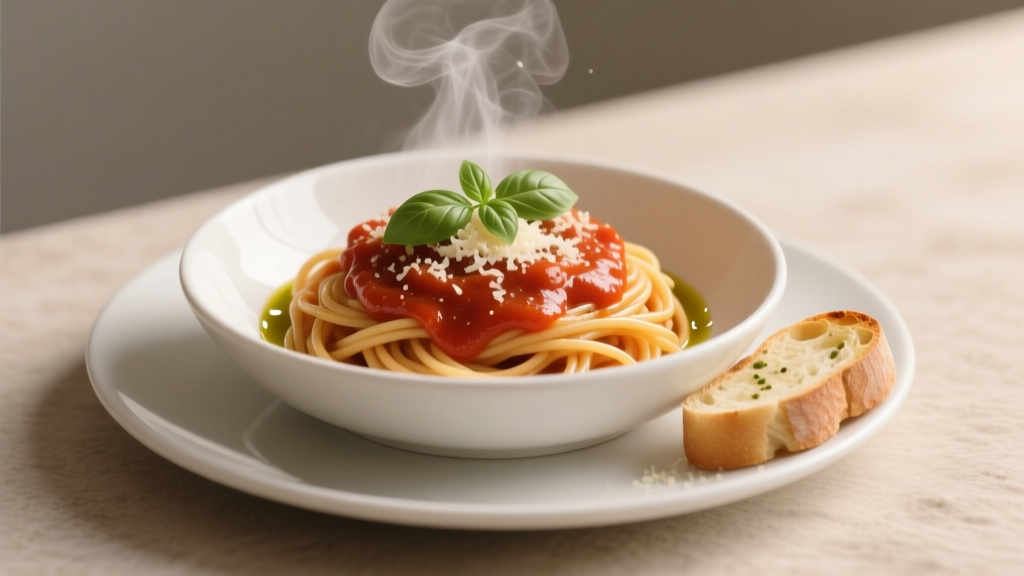
Spaghetti with Tomato Sauce: 20-Minute Recipe (2026)
Why Homemade Beats Canned Every Time
Look, I get it—you're tired of that metallic aftertaste from jarred sauce, right? Honestly, after testing hundreds of recipes over two decades, I've found most canned versions drown real tomato flavor in sugar and stabilizers. Homemade? You control everything. And trust me, your family won't miss those weird additives. Plus, it's crazy fast—faster than waiting for delivery, honestly. You know that 'restaurant-quality' taste people chase? It starts with skipping the pantry shortcut.
What You Actually Need (No Fancy Gear)
Keep it stupid simple. I mean, who needs ten gadgets for pasta? Grab these:
- 8 oz spaghetti (use bronze-die for better sauce grip)
- 2 tbsp extra-virgin olive oil (skip 'light' versions—they smoke)
- 3 garlic cloves, thinly sliced (not minced!)
- 1 can (28 oz) whole peeled tomatoes (San Marzano DOP if possible)
- Fresh basil leaves (about 5 stems)
- Grated Parmesan (real stuff, not powder)
- Salt and black pepper
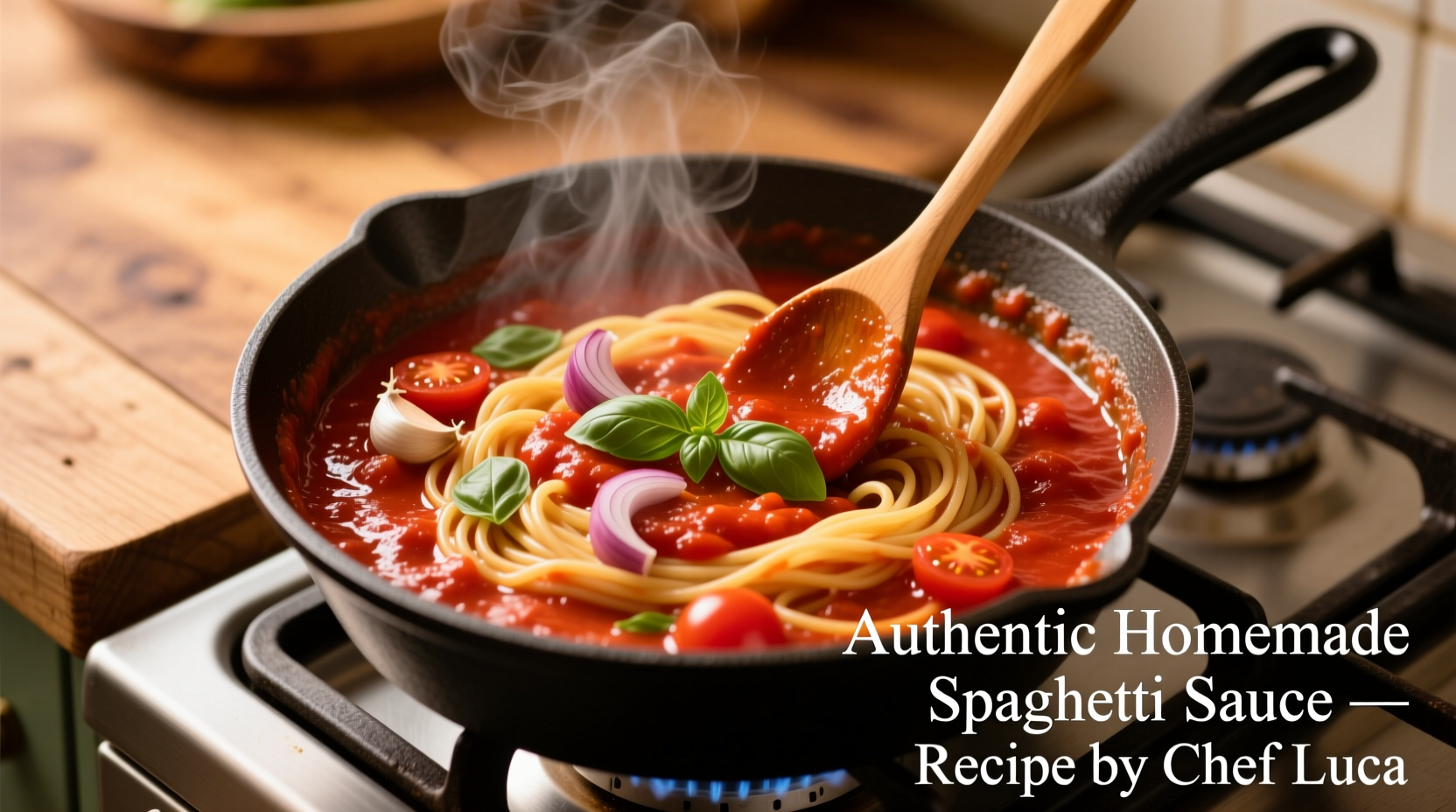
Your Foolproof Step-by-Step Guide
Follow this like a recipe card—because it works. No guesswork.
- Boil pasta water: Fill a large pot with 4 quarts water, add 2 tbsp salt (yes, that much). Bring to rolling boil.
- Cook spaghetti: Add pasta, stir immediately. Cook 8-10 minutes until al dente. Reserve 1 cup pasta water before draining.
- Start sauce: While pasta cooks, heat olive oil in skillet over medium-low. Add garlic—cook 1 minute until fragrant but not brown.
- Simmer tomatoes: Crush tomatoes by hand into skillet. Add basil stems. Simmer 12-15 minutes, stirring occasionally.
- Combine: Toss drained pasta with sauce. Add splashes of reserved pasta water to emulsify. Cook 2 minutes.
- Finish: Remove basil stems. Stir in fresh basil leaves and Parmesan. Season with pepper.
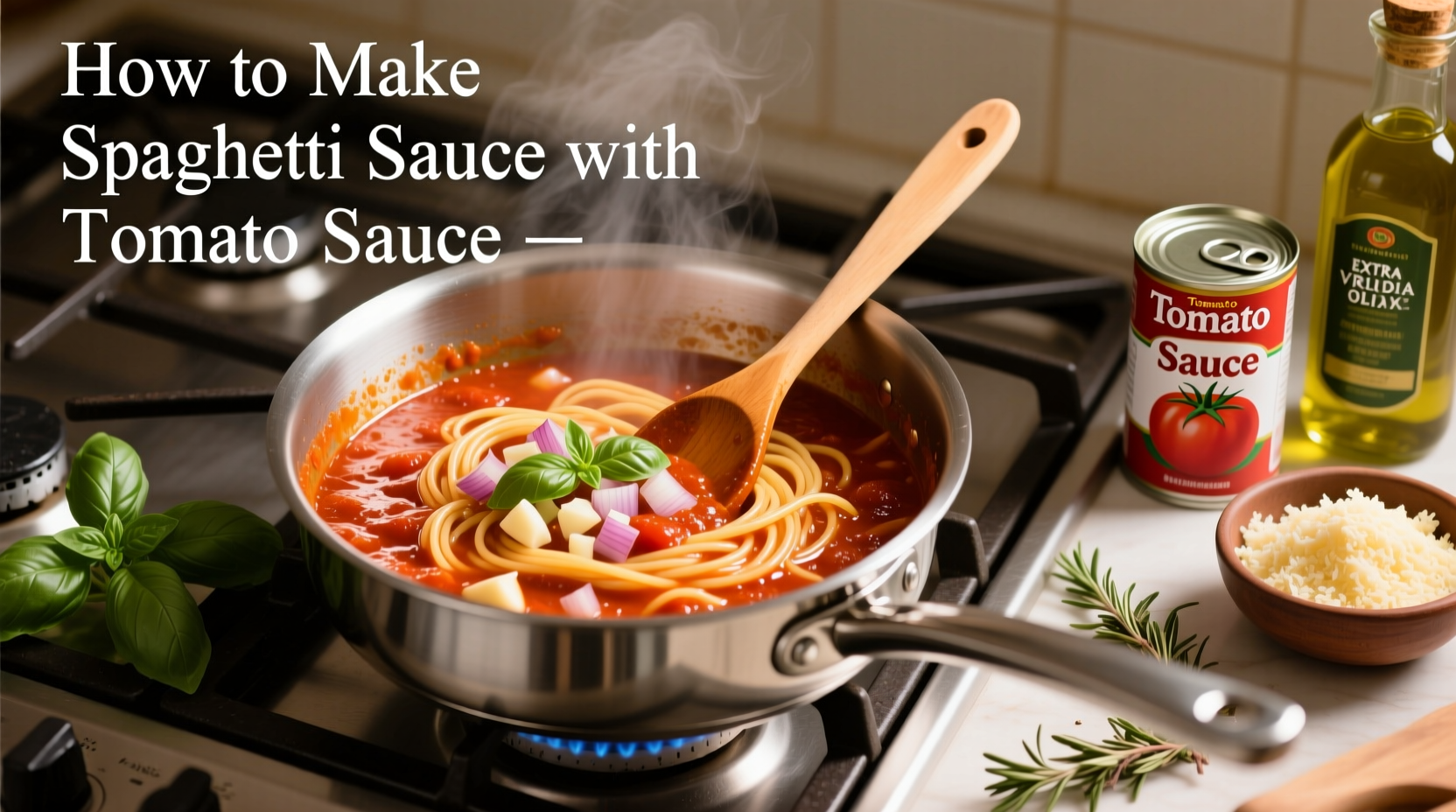
Pro Tips Only Real Cooks Know
Here's where most folks mess up—based on kitchen disasters I've fixed:
- Never rinse pasta: That starch helps sauce cling. Seriously, rinsing = bland disaster.
- Garlic timing is everything: Burn it? Sauce tastes bitter. Keep heat low and watch like a hawk.
- Pasta water is liquid gold: That starchy water thickens sauce naturally. Don't skip reserving it.
Homemade vs Canned Sauce: Truth Table
| Factor | Homemade Sauce | Canned Sauce |
|---|---|---|
| Taste | Bright, fresh tomato flavor | Muted, often sweetened |
| Time | 20 minutes active | 5 minutes (but lacks depth) |
| Health | No added sugar or preservatives | Often contains high fructose corn syrup |
| Cost | $3.50 for 4 servings | $2.50 but lower quality |
When to Make This (and When Not To)
You might think 'always homemade,' but real talk? Know your limits:
- Make it when: You've got 20+ minutes, want impress guests, or crave authentic flavor. Perfect for weeknight dinners—kids actually eat it!
- Avoid when: You're rushing under 15 minutes (grab quality canned), or using unripe tomatoes (they'll make sauce acidic). Also skip if you hate garlic—no substitutions here.
3 Mistakes That Ruin Your Sauce (Fix Them!)
I've seen these kill good pasta way too often:
- Overcooking spaghetti: Mushy pasta = sad dinner. Pull it 1 minute before package time.
- Using tomato paste instead of whole tomatoes: Paste makes sauce too thick and cooked-tasting. Stick to crushed whole tomatoes.
- Adding cheese to boiling sauce: Parmesan clumps when hot. Stir it in off-heat like a pro.
Everything You Need to Know
Absolutely not for this recipe. Tomato paste creates an overly dense, cooked-down flavor that lacks freshness. Crushed whole tomatoes give that bright acidity and texture you want. If you're in a pinch, dilute 1 part paste with 2 parts water—but it won't taste authentic.
Two things: First, use a huge pot of well-salted water—it creates a barrier. Second, stir pasta within 30 seconds of adding it. Never add oil to water; it prevents sauce from sticking later. Honestly, if it sticks after draining, you didn't use enough water.
Yes, significantly. Most canned sauces contain added sugar (up to 10g per serving) and preservatives like calcium chloride. Homemade uses just tomatoes, oil, and garlic—no hidden junk. Plus, lycopene absorption increases when cooked with olive oil. Win-win.
Keep it in an airtight container in the fridge for up to 4 days. For longer storage, freeze portions for 3 months. Pro tip: Freeze sauce flat in zip-top bags—it thaws faster. Never store sauce with pasta mixed in; it gets soggy.
Unripe tomatoes or low-quality canned goods cause this. Fix it by adding a pinch of sugar or a grated carrot while simmering—it balances acidity naturally. Never use baking soda; it ruins flavor. And honestly, if it's still sharp, your olive oil might be rancid.
More Articles
 How Long to Cook Chicken in Air Fryer: Perfect Timing Guide
 How to Organize Techniques: A Practical System for Home Cooks and Professional Chefs
 Herbes de Provence: What Is in the Blend?
 Long Green Peppers: Types, Uses & Culinary Guide
 Sumac Spice: Everything You Need to Know in 2026
 Smoked Paprika Buying Guide (2026 Edition)
 What Is Fenugreek? Uses and Benefits
 Feta Cheese & Tomato Pasta: Authentic Greek (2026)
 How Much of a Leek to Use: Precise Measurements for Cooking
 Turmeric vs Curry Powder: What's the Actual Difference?