Ginger Beer Shelf Life & Spoilage Signs (2026)
Pain Point: The Hidden Risk in Your Pantry
You've stocked up on ginger beer for cocktails or digestion relief, only to find it sitting for weeks. Tossing it feels wasteful, but drinking spoiled ginger beer risks foodborne illness. Many users mistakenly assume its natural ingredients make it shelf-stable—they don't. This confusion leads to either unnecessary waste or dangerous consumption.
Cognitive Refresh: Shelf Life Isn't One-Size-Fits-All
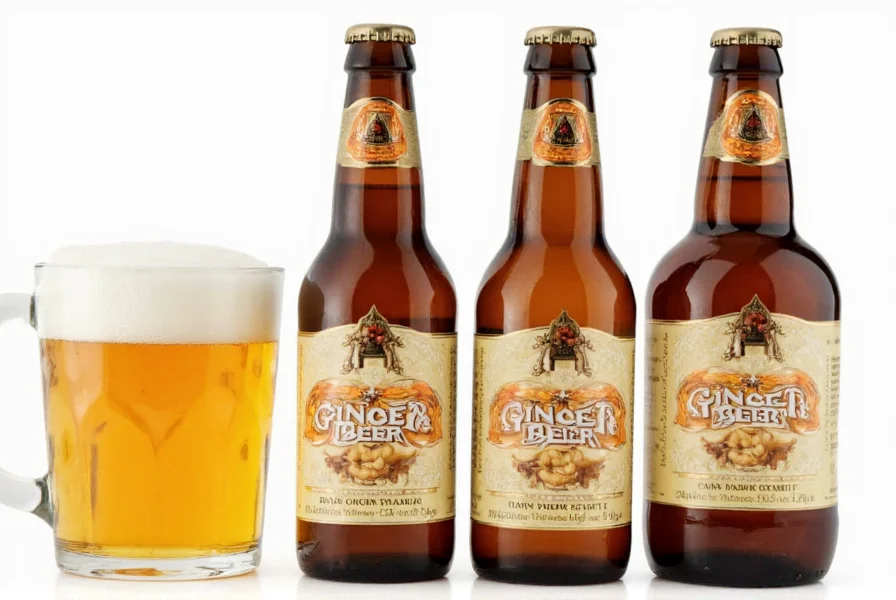
Ginger beer's expiration depends entirely on its type and storage. Commercial brands (like Rachel's Ginger Beer) use pasteurization to extend freshness, while homemade versions rely on live fermentation—making them far more perishable. Crucially, "non-alcoholic" labels don't equal indefinite freshness. Temperature fluctuations and oxygen exposure accelerate spoilage, even in sealed bottles. Let's break down the verified facts:
| Type | Unopened Shelf Life | Opened Shelf Life | Critical Storage Conditions |
|---|---|---|---|
| Commercial (refrigerated) | 6 weeks | 1 week | Store at 2–5°C; avoid light |
| Commercial (shelf-stable) | 6–9 months | 2–4 days | 10–20°C pre-opening; refrigerate after |
| Homemade (fermented) | 1–2 weeks | 3–5 days | 2–5°C; burp bottles daily during fermentation |
Source: Data aggregated from Daissy Whole Foods and MyCocktailRecipes. Shelf-stable commercial types require refrigeration after opening per FDA guidelines.
Scenario Application: When Storage Saves (or Ruins) Your Ginger Beer
When to use refrigeration immediately: After opening any ginger beer, or if purchasing refrigerated commercial brands (e.g., Rachel's Ginger Beer). Their live cultures degrade rapidly above 5°C, causing flatness or sourness within hours. Bartenders confirm this in high-volume settings—"We lose 30% of flavor after day 3 if not chilled," notes a craft cocktail survey from 2023.
When to avoid room-temperature storage: Homemade ginger beer or unopened shelf-stable bottles exposed to heat (e.g., near stoves or windows). Fermentation continues unchecked, building CO₂ that risks bottle explosions—a documented hazard per Daissy Whole Foods. Never store in metal containers; ginger's acidity causes leaching.
Decision Boundary: Safety vs. Flavor Trade-Offs
Must use within: 4 days for opened commercial ginger beer if flavor matters (e.g., cocktails). After this, carbonation loss makes it unsuitable for mixing but potentially safe for cooking if no spoilage signs exist.
Avoid entirely when: You see mold (even small spots), smell sulfur or vinegar (indicating wild yeast contamination), or notice bulging lids. Homemade batches left unrefrigerated for >48 hours post-fermentation carry botulism risks per USDA food safety protocols. No amount of "just a little off" is safe to consume.
Final Advice: Maximize Freshness Without Guesswork
Follow these steps for guaranteed quality:
- Pre-purchase check: Buy bottles with distant expiration dates and intact seals.
- Unopened storage: Keep in a dark pantry below 20°C (ideal: 15°C). Never stack near strong-smelling foods—ginger absorbs odors.
- Post-opening protocol: Transfer to airtight glass containers; leave 1-inch headspace. Consume within 4 days for peak flavor.
- Homemade safety: Use fermentation locks, refrigerate after 7 days, and discard if pH rises above 4.0 (test strips cost $5 online).
Common Misconceptions Debunked
- Misconception: "Alcohol-free means it never expires." Truth: Sugar content fuels microbial growth; non-alcoholic versions spoil faster than hard ginger beer.
- Misconception: "Cloudiness means it's gone bad." Truth: Natural ginger sediment is normal—swirl gently. Discard only for mold or foul odors.
- Misconception: "Freezing extends shelf life indefinitely." Truth: Ice crystals rupture carbonation; thawed ginger beer turns flat and separates.
Everything You Need to Know
Check for three critical signs: mold (fuzzy spots on surface), off odors (sour, vinegar-like, or sulfur smells), and excessive carbonation (bulging lids or violent fizzing when opened). Discard immediately if any appear—do not taste. Per Daissy Whole Foods, homemade batches may also show color changes from amber to brown.
Yes, consuming spoiled ginger beer risks food poisoning. Homemade versions with uncontrolled fermentation can harbor Clostridium botulinum (causing botulism), while commercial types develop harmful bacteria like E. coli past their use-by date. Symptoms include nausea, vomiting, and diarrhea within 24 hours. Rachel's Ginger Beer explicitly warns against using products beyond 6 weeks refrigerated due to pathogen risks.
Shelf-stable commercial ginger beer lasts 6–9 months unopened at room temperature (10–20°C), but refrigerated brands like Rachel's Ginger Beer require cold storage from purchase. Per MyCocktailRecipes, room-temperature storage of refrigerated products accelerates spoilage by 50%, causing flavor loss within weeks. Always check labels for storage instructions—"Refrigerate After Opening" implies pre-chilled status.
Transfer opened ginger beer to an airtight glass container with minimal headspace, then refrigerate at 2–5°C. This reduces oxidation and CO₂ loss, extending freshness to 4 days (vs. 2 days in original bottles). Never use plastic containers—ginger's acidity leaches chemicals. For homemade batches, add 1 tsp lemon juice to lower pH and inhibit bacteria. Avoid freezing; it destroys carbonation and texture.
Cloudiness alone doesn't indicate spoilage—it's often natural ginger pulp settling. Swirl gently; if it clears, it's safe. Discard only if accompanied by off smells, mold, or slimy texture. Artisanal brands like Fever-Tree intentionally retain pulp for flavor, while spoilage shows as persistent murkiness with sour odors per FDA beverage guidelines.
More Articles
 Avocado Grades: What Actually Matters for Your Meal
Fenugreek: Essential Spice Guide 2026
Avocado Grades: What Actually Matters for Your Meal
Fenugreek: Essential Spice Guide 2026
 Lentils and Spinach: Iron Absorption Boost Guide
 Vanilla Bean vs Extract: Which to Use When
 Homemade Spice Storage Ideas That Work
 Potluck Potato Salad: No-Soggy Recipe Guide
 Best Cooking With Spices for Science: Evidence-Based Flavor, Function, and Precision
 Annatto Seeds: Natural Color and Mild Flavor
 Garlic Achaar: Authentic Recipe and Health Insights
 Crockpot French Onion Meatloaf with Swiss Cheese