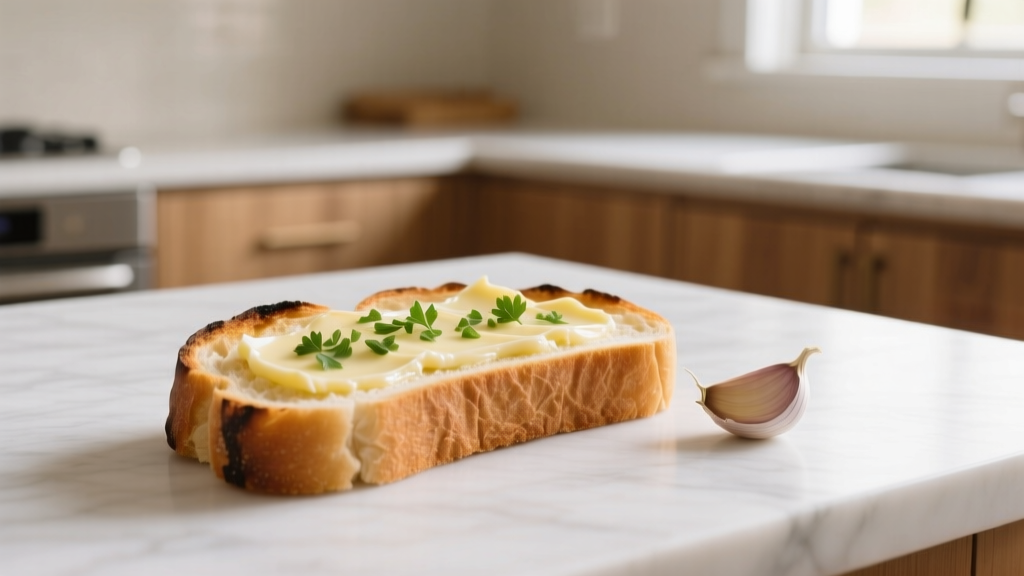
Simple Garlic Bread Recipe with Regular Sandwich Bread
Why Waste Money on Fancy Bread?
Look, I get it. You're craving that crispy, garlicky goodness but only have plain white or wheat sandwich bread lying around. Maybe you're meal-prepping on a budget, or your grocery run got rained out. Trust me, after testing hundreds of variations in my kitchen over 20 years, regular bread works perfectly for weeknight dinners. Forget the myth that you need a crusty baguette—your everyday loaf holds up better without burning.
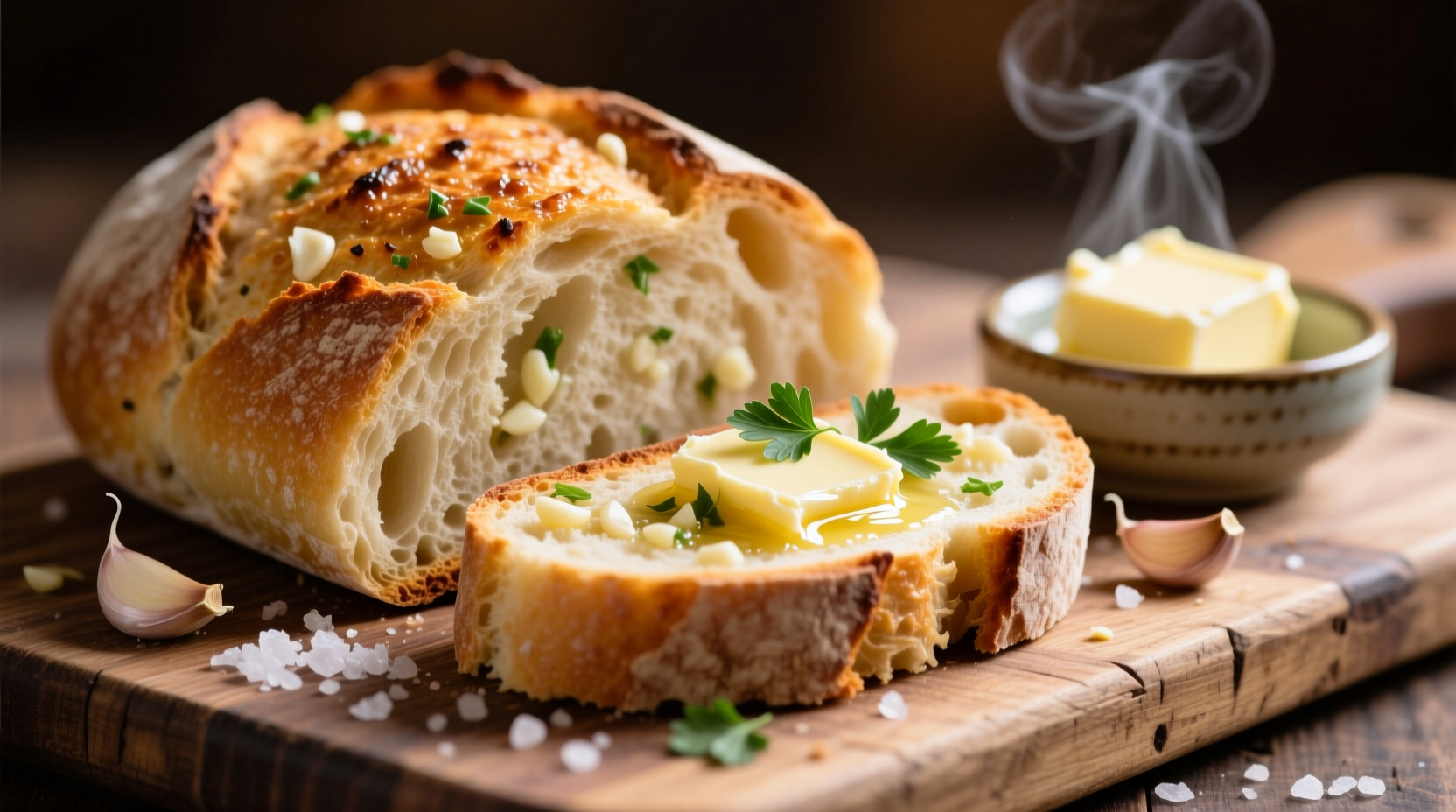
The No-Stress Ingredient List
Here's the kicker: you probably have everything already. No specialty stores needed. Grab these:
- 8 slices regular sandwich bread (white, wheat, or sourdough-style)
- ½ cup unsalted butter, softened (room temp is crucial!)
- 3-4 garlic cloves, finely minced (fresh only—bottled garlic tastes off)
- 2 tbsp fresh parsley, chopped (dried works in a pinch)
- ¼ tsp salt
- Pinch of red pepper flakes (optional, but adds depth)
Pro tip: If your butter's still cold, microwave it 5 seconds. Seriously, cold butter won't spread evenly and causes soggy spots.
Step-by-Step: From Pantry to Plate in 12 Minutes
Forget complicated methods. This is how real home cooks do it:
- Prep the garlic butter: Mash softened butter, garlic, parsley, salt, and pepper flakes in a bowl. Taste it—adjust garlic if needed. (Don't skip tasting! Raw garlic intensity varies.)
- Spread gently: Use a butter knife to coat each bread slice thinly. Too thick? Burnt edges. Too thin? Bland results. Aim for that Goldilocks zone.
- Toasting time: Broil on a baking sheet for 1-2 minutes until edges turn golden. Watch it like a hawk—regular bread burns faster than baguettes.
- Cool briefly: Let it sit 30 seconds before serving. This prevents melty butter disasters on your plate.
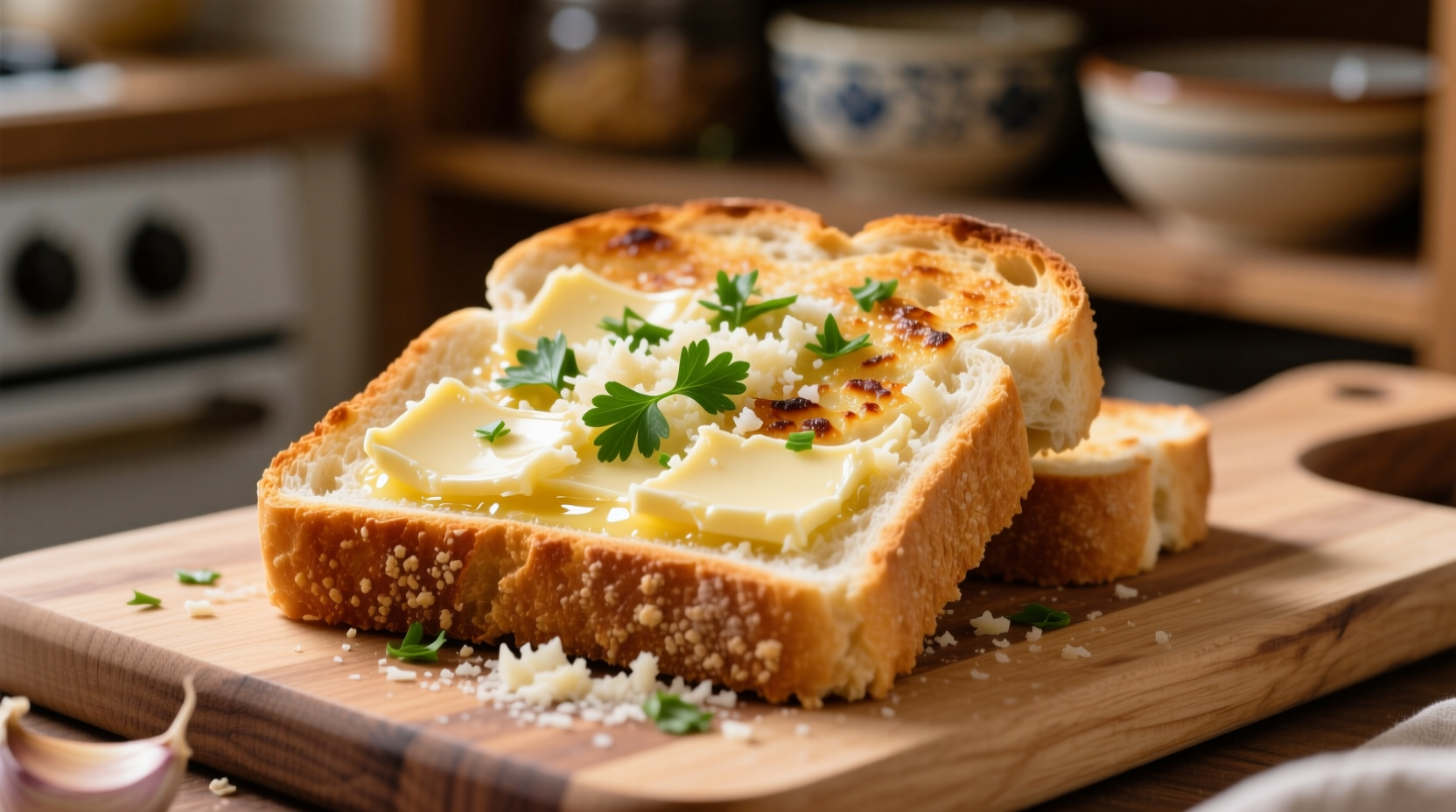
Regular Bread vs. Baguette: When to Choose What
Let's be real—regular bread isn't always the hero. Here's my experience-based cheat sheet:
| Situation | Use Regular Bread | Avoid Regular Bread |
|---|---|---|
| Weeknight family dinner | ✅ Perfect—softer texture won't hurt kids' gums | ❌ Not needed |
| Garlic bread soup croutons | ✅ Holds shape better when cubed | ❌ Baguette gets too hard |
| Fancy dinner party | ❌ Looks "homemade" (not in a good way) | ✅ Baguette screams "I tried" |
| Using stale bread | ✅ Revives dry sandwich slices | ❌ Baguette turns rock-hard |
Avoid These 3 Rookie Mistakes
Honestly, I've burned more batches than I'll admit. Save yourself the hassle:
- Mistake #1: Using frozen bread straight from the freezer. Thaw it first—frozen slices steam instead of toasting, making them soggy. Room-temp bread = crisp edges.
- Mistake #2: Overloading garlic. More isn't better; raw garlic turns bitter when broiled. Start with 3 cloves for 8 slices.
- Mistake #3: Skipping the salt in butter. Salt balances garlic's sharpness. No salt? Flat, one-note flavor.
Here's the thing: regular bread absorbs flavors faster than dense baguettes. That's why thinner butter layers work best—it soaks in without pooling.
Everything You Need to Know
Avoid jarred garlic—it often contains citric acid that turns bitter when heated. Fresh minced garlic gives that bright, clean flavor. If you must substitute, use half the amount and add a squeeze of lemon after toasting.
Two fixes: First, always use room-temperature bread—cold bread steams. Second, spread butter thinner than you think (¼-inch max). Thick layers pool and soak into the bread. I learned this the hard way after soggy disasters!
Prep the butter mix up to 24 hours ahead (store covered in fridge), but never spread it on bread early. The moisture will seep in and cause sogginess. Toast right before serving—garlic bread tastes stale fast.
Not really—it's about portion control. Regular bread often has more sugar than artisan loaves, but the real issue is butter quantity. Stick to 1 tbsp per slice max. For lighter options, swap half the butter with olive oil.
More Articles
 Powder vs. Facts: Why Ground Spices Lose Potency—and What the Data Really Shows
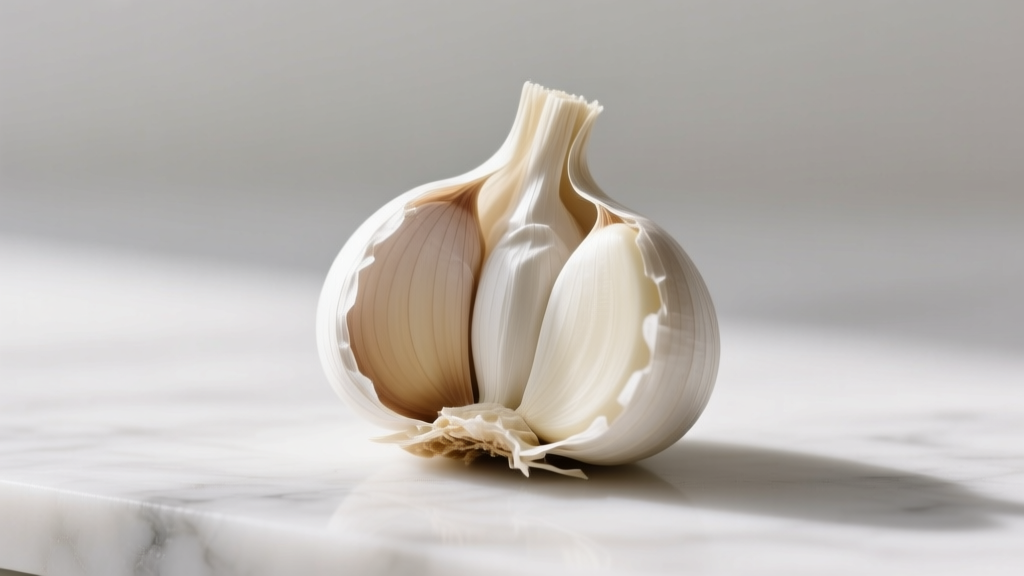 What Does a Garlic Clove Look Like? Visual Guide
 How to Cook Orange Roughy Without Overcooking It
 Saffron: How to Spot Real vs Fake
 Japanese Sweet Potato Nutrition Facts: Complete Guide
 Beef Brisket: Low and Slow Cooking for Tender Results
 Ancho vs Guajillo vs Chipotle: Chile Guide
 Lentils and Rice: Complete Protein Meal Guide
 Garlic Butter String Beans: 15-Minute Recipe
 How to Make Birria Less Spicy: 5 Effective Methods