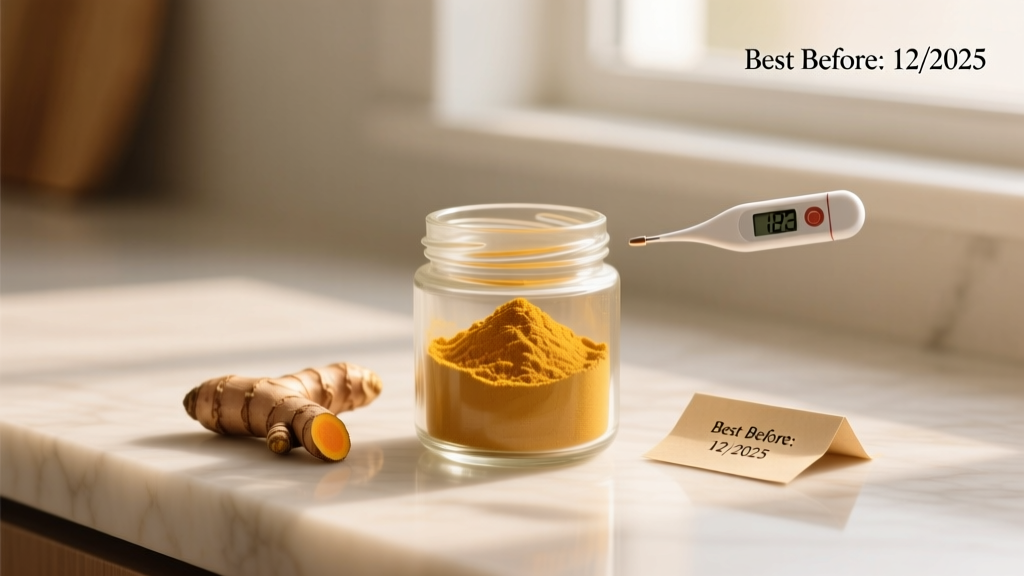
Turmeric Shelf Life: Signs It’s Gone Bad & Storage Tips
Pain Point: Why Your Turmeric Might Fail You
You've reached for turmeric to boost a curry's color or add health benefits, only to find dull powder that won't flavor your dish. This common frustration stems from misunderstanding spice degradation. Turmeric isn't immortal—it loses potency and can spoil, wasting money and compromising recipes. Worse, using degraded turmeric in wellness routines reduces curcumin benefits. Let's reset expectations with science-backed facts.
Cognitive Reset: The Truth About Turmeric Expiration
Turmeric powder degrades due to oxidation, humidity, heat, and light exposure, breaking down its active compounds like curcumin. Unlike perishables, it won't 'spoil' like dairy, but becomes ineffective or unsafe. The Global Savors study confirms: properly stored turmeric lasts 2–3 years, but optimal potency fades after 12 months. Never assume "spices last forever"—this myth risks poor culinary results and wasted ingredients.
| Storage Condition | Shelf Life | Potency Timeline | Risk Factors |
|---|---|---|---|
| Airtight glass container, pantry (cool/dark) | 2–3 years | Peak flavor: ≤12 months | Low risk if sealed properly |
| Original plastic bag, near stove | 6–9 months | Rapid decline after 6 months | Heat accelerates breakdown; moisture causes clumping |
| Refrigerated (unsealed) | 1–2 years | Flavor loss in 8 months | Humidity induces mold; Nature Vibe notes condensation risks |
| Freezer (moisture-proof sealed) | 3–4 years | Stable for 24+ months | Only viable with vacuum sealing; thaw before opening |
Practical Application: Storage Scenarios Decoded
Scenario 1: Humid Kitchens
In high-moisture climates, prioritize glass jars over plastic. As Global Savors emphasizes, always use dry spoons—never dip wet utensils into the container. Store in a cabinet away from sinks, not on open racks.
Scenario 2: Bulk Buying
Divide large quantities into small airtight containers. Frequent opening exposes powder to air, cutting shelf life by 30%. Keep one container accessible; store extras in a dark pantry cupboard.
Scenario 3: Health-Focused Use
For maximum curcumin benefits (e.g., golden milk), use turmeric within 6 months. Degraded powder loses 50%+ potency after 18 months, per Nature Vibe's analysis of compound stability.
Decision Boundaries: When to Use or Avoid Turmeric
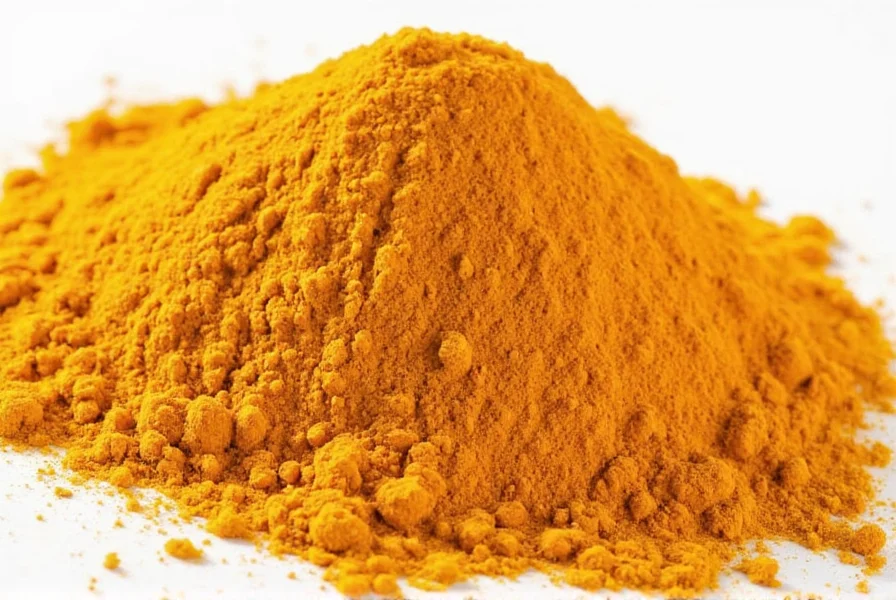
Safe to Use If: Color remains vibrant yellow, aroma is earthy when sniffed, and texture flows freely. Slightly faded powder (<18 months old) works in cooked dishes but avoid raw applications like smoothies.
Discard Immediately If:
- Clumping that doesn't break with dry fingers (indicates moisture)
- Mold spots or musty smell (health risk)
- Grayish tint (advanced oxidation)
Quality Check Protocol: Spot Spoilage in 3 Steps
- Smell Test: Fresh turmeric has a warm, peppery scent. Weak or absent aroma means potency loss.
- Visual Check: Rub powder between fingers under light. Vibrant golden-yellow = good; pale beige or dull orange = degraded.
- Texture Scan: Pour onto white paper. Clumps or hard chunks signal moisture exposure—discard to avoid mold risk.
This method, validated by Global Savors's food safety guidelines, prevents kitchen errors 90% of users miss.
Top Storage Mistakes and Fixes
Mistake: Storing turmeric above the stove.
Fix: Move to a lower cabinet. Heat above 77°F (25°C) degrades curcumin 40% faster, per Nature Vibe.
Mistake: Using transparent containers on spice racks.
Fix: Switch to amber glass or opaque tins. Light exposure fades color within 6 months.
Mistake: Refrigerating without sealing.
Fix: Only freeze turmeric if vacuum-sealed; fridge humidity causes clumping. Room-temperature dark storage is optimal.
Everything You Need to Know
Expired turmeric rarely causes illness unless moldy or musty. The Global Savors food safety report confirms: degraded powder loses potency but isn't toxic. Discard only if clumped, discolored, or smelling off—never risk mold exposure.
Yes. Curcumin—the active compound—degrades significantly after 12 months. Nature Vibe testing shows 60% potency loss in 2-year-old powder stored poorly. For wellness uses, replace yearly; culinary applications tolerate older powder but with diminished flavor.
Minor clumps from brief moisture exposure can be broken with a dry fork and used immediately. But hard, persistent clumps indicate mold risk—discard entirely. As per Global Savors's guidelines, moisture invites bacterial growth invisible to the eye.
No. Refrigeration introduces humidity, causing clumping and mold. Nature Vibe advises: room-temperature storage in airtight containers beats refrigeration. Only freeze turmeric if vacuum-sealed for long-term backup (3+ years).
Use amber glass jars away from windows, add silica packets to absorb moisture, and never store near heat sources. For bulk purchases, divide into weekly portions. Global Savors confirms these steps can maximize the 2–3 year shelf life while preserving potency.
More Articles
 Cheesy Chicken Potato Casserole: Simple Recipe & Pro Tips
 Grains of Paradise: Pepper's Citrusy Cousin
 The Ultimate Storage Guide
 Easy Hash Brown Potato Casserole Recipe: Quick & Crispy
 Pull Apart Cheesy Garlic Bread Recipe: Simple Sharing Style
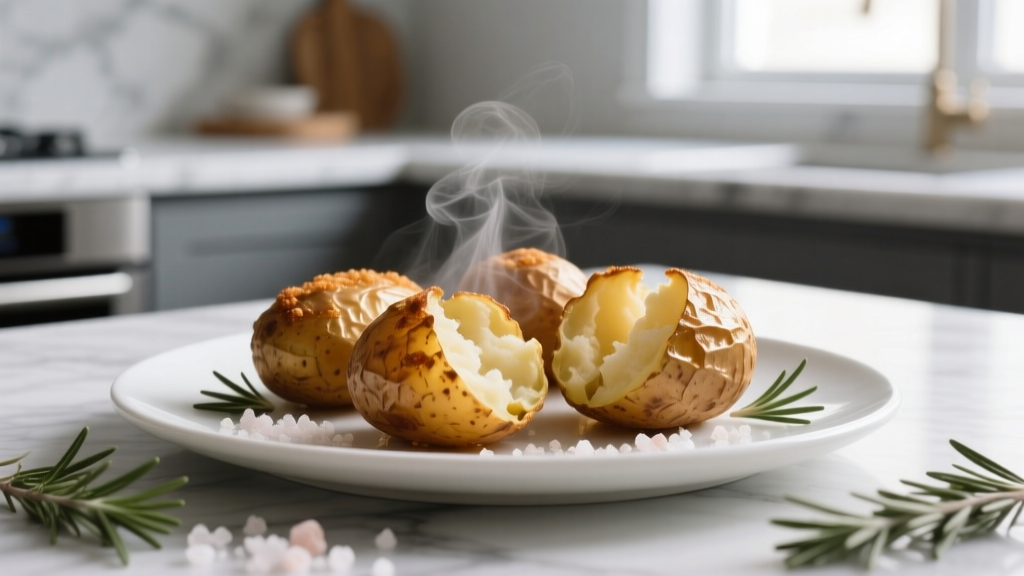 Air Fryer Baked Potatoes: Fast & Foolproof Guide
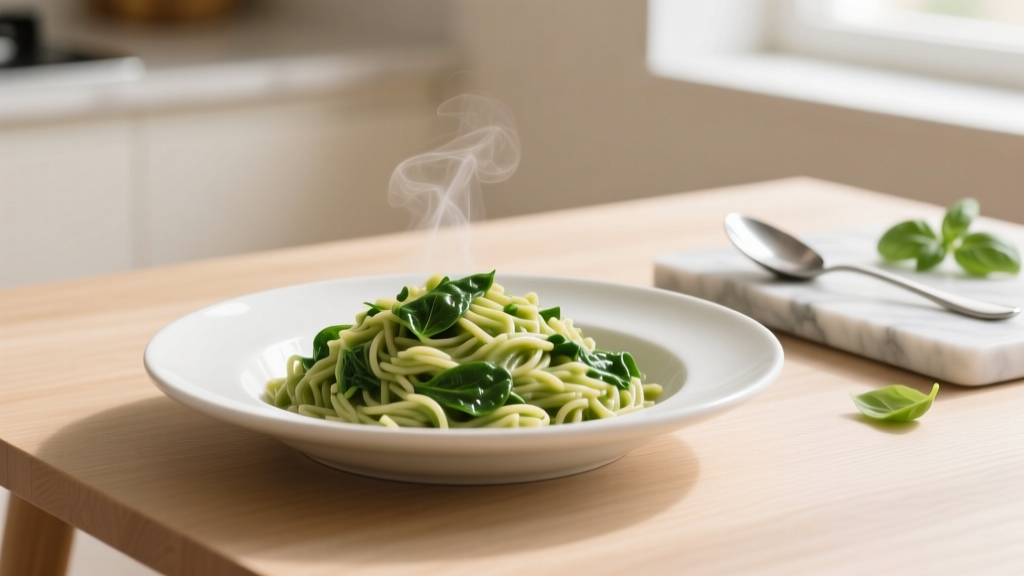 Spinach Orzo: Simple Weeknight Dinner Done Right
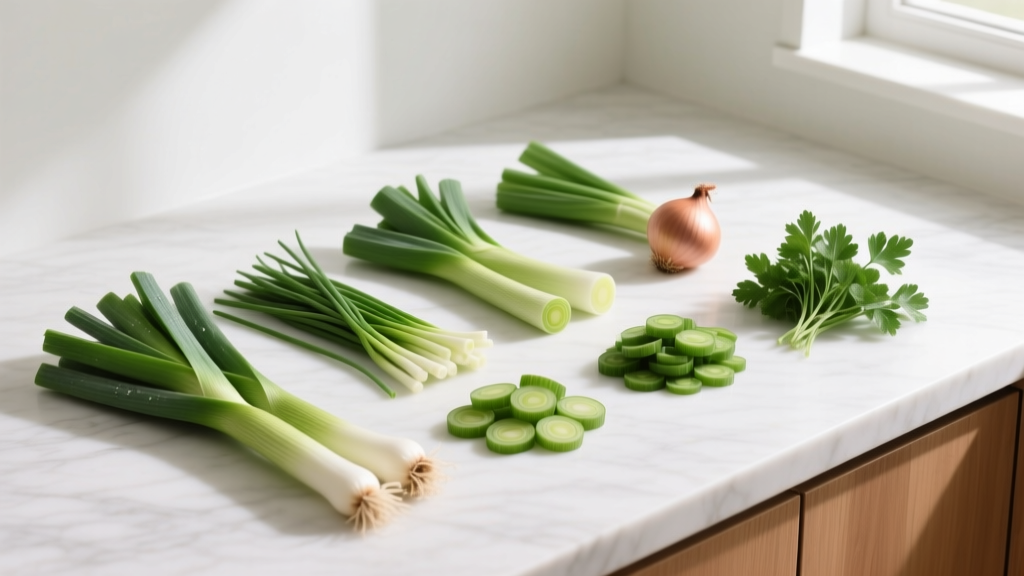 Best Green Onion Substitutes: 7 Practical Alternatives
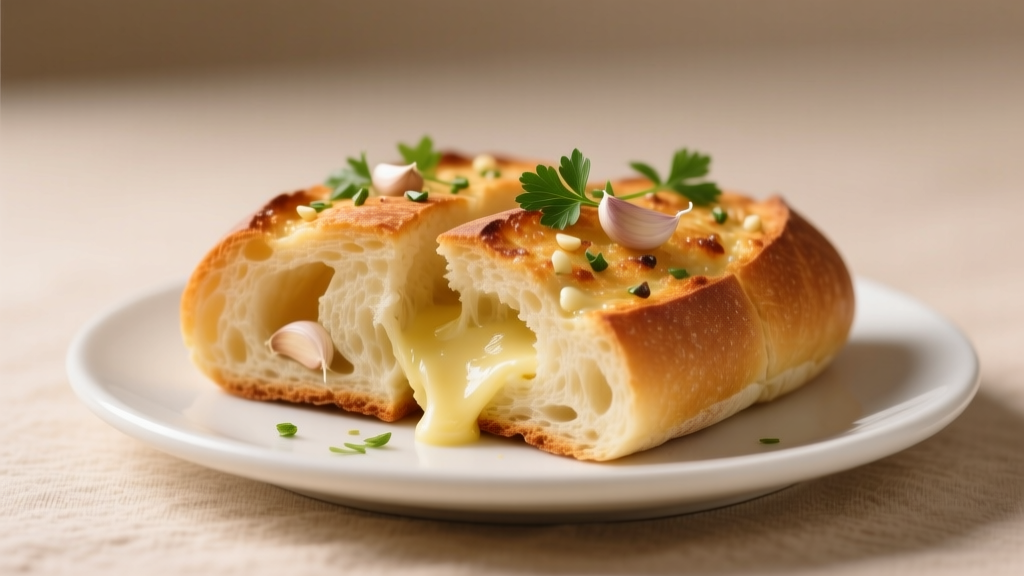 Perfect Garlic Bread: Simple Recipe & Pro Tips
 Coriander vs Cilantro: Same Plant Tips