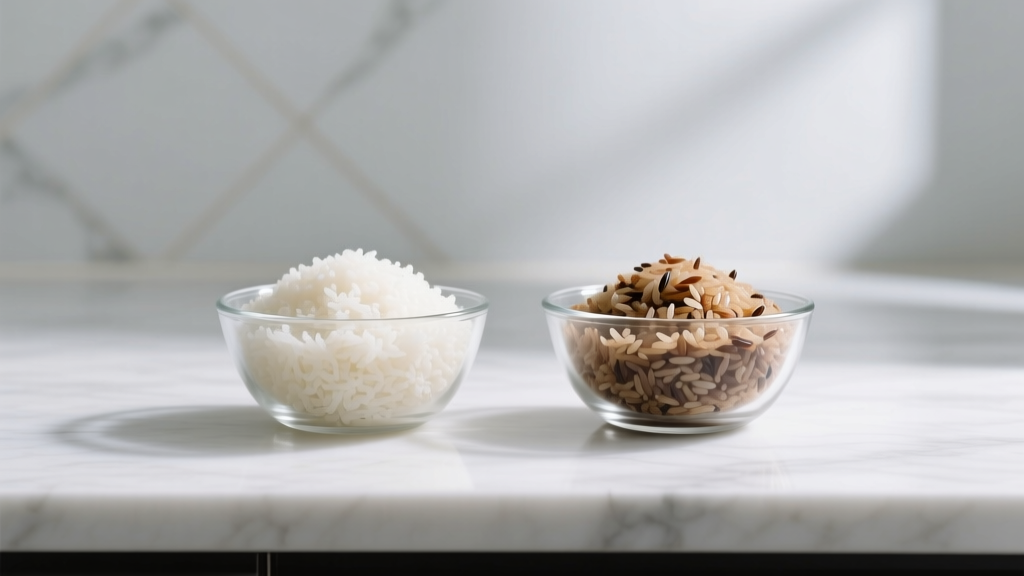
1 Cup Cooked Rice Calories: White vs Brown (Exact Numbers)
When you're watching your calorie intake or building meal plans, knowing the exact nutritional value of staple foods like rice becomes essential. This guide delivers precise, science-backed information about rice calories while addressing common misconceptions and practical considerations that affect your actual intake.
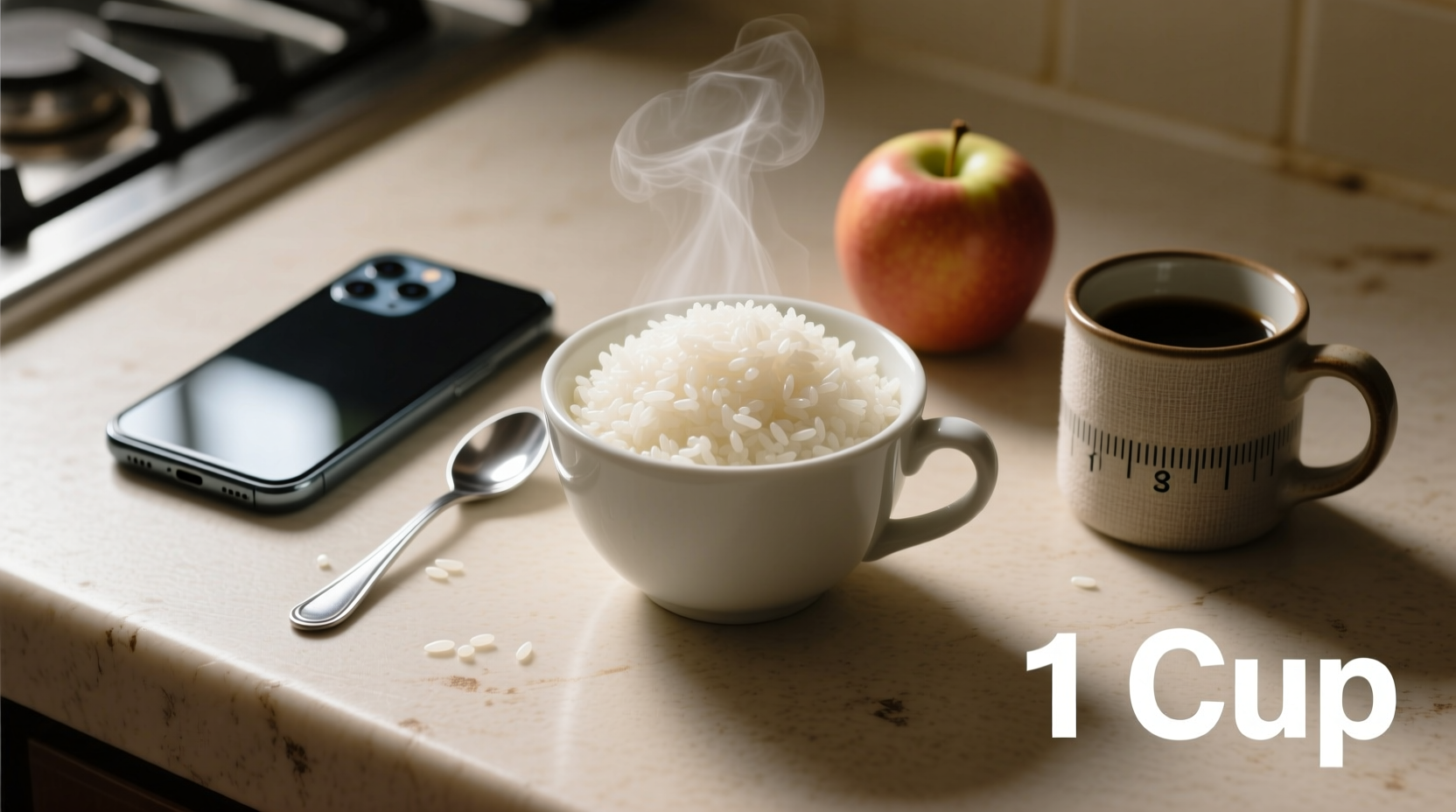
Measuring Cooked Rice: What Exactly Is One Cup?
Before examining calorie counts, it's crucial to understand what constitutes "one cup" of cooked rice. Many people mistakenly measure uncooked rice then assume the cooked volume remains the same, but rice typically doubles or triples in volume when cooked.
According to USDA measurement standards:
- 1 cup of uncooked white rice (185g) yields about 3 cups of cooked rice
- 1 cup of cooked rice equals approximately 200g by weight
- The standard dietary serving size for cooked rice is 1 cup (not ½ cup as many restaurant portions suggest)
Visualize your portion: a standard cup of cooked rice fills a typical baseball-sized mound or fits comfortably in an average adult's cupped hand.
Rice Calorie Comparison: White vs. Brown vs. Specialty Varieties
Not all rice delivers the same caloric punch. The processing method significantly impacts nutritional content. Here's how common varieties compare based on USDA FoodData Central measurements:
| Rice Type | Calories (per 1 cup cooked) | Carbohydrates | Fiber Content |
|---|---|---|---|
| Long-grain white rice | 205 | 45g | 0.6g |
| Brown rice (regular) | 215 | 45g | 3.5g |
| Jasmine rice (white) | 210 | 46g | 0.7g |
| Basmati rice (white) | 210 | 45g | 0.7g |
| Wild rice blend | 166 | 35g | 3.0g |
Notice that brown rice contains slightly more calories than white rice despite being more nutritious. This counterintuitive fact occurs because brown rice retains its bran layer, which contains healthy fats that add minimal calories while providing significant nutritional benefits.
Factors That Change Rice Calorie Content
Your actual calorie intake from rice depends on several preparation variables that many nutritional databases don't address:
Cooking Method Matters
How you prepare rice significantly impacts its final nutritional profile:
- Water cooking (standard method): Preserves original calorie content
- Rice cooker with broth: Adds approximately 10-15 calories per cup from sodium and minor carbohydrates
- Pilaf method (toasting in oil first): Increases calories by 40-60 depending on oil quantity
- Cooling and reheating: Creates resistant starch that slightly reduces net digestible carbs
Portion Size Reality Check
Research from the American Journal of Clinical Nutrition shows that people consistently underestimate rice portions by 30-50%. A study observing home cooking habits revealed that what participants called "one cup" averaged 1.4 cups when measured properly. This portion distortion means you might be consuming 285 calories when you think you're eating 205.
Nutritional Context: Where Rice Fits in Your Diet
Understanding rice calories becomes meaningful only when viewed within your overall dietary pattern. For adults following a 2,000-calorie diet:
- One cup of cooked rice represents about 10% of daily calorie needs
- It provides approximately 18% of recommended daily carbohydrates
- Brown rice delivers 14% of your daily fiber requirement compared to just 2% from white rice
The glycemic index (GI) also affects how your body processes these calories. White rice typically has a GI of 73 (high), while brown rice scores 68 (medium). This difference means brown rice causes a slower, more sustained energy release despite similar calorie counts.
Practical Strategies for Managing Rice Calories
Instead of eliminating this nutritious staple, implement these chef-tested techniques to optimize your rice consumption:
Portion Control Without Sacrifice
Chef Liu Wei recommends the "half-plate rule" used in professional meal planning: fill half your plate with non-starchy vegetables, one-quarter with protein, and limit rice to one-quarter of the plate (about ½ cup cooked). This approach maintains satisfaction while reducing rice calories by 50%.
Enhance Satiety with Smart Pairings
Combine rice with specific ingredients to increase fullness per calorie:
- Add vinegar during cooking (1 tsp per cup uncooked) to lower glycemic impact
- Mix in ¼ cup black beans per cup of rice for added protein and fiber
- Include healthy fats like avocado (¼ medium) to slow digestion of carbohydrates
Cooking Techniques That Make a Difference
Professional kitchens use these methods to maximize nutritional value:
- The absorption method: Use exact water ratios (1:1.5 rice to water) to prevent sticky, overcooked rice that increases perceived portion size
- Cooling period: Let cooked rice cool 30 minutes before refrigerating to increase resistant starch by up to 25%
- Herb infusion: Cook rice in vegetable broth with bay leaves instead of plain water for flavor without added calories
Common Misconceptions About Rice Calories
Nutrition myths about rice persist despite scientific evidence. Let's clarify:
- Myth: "Rice makes you gain weight" → Reality: Studies in the British Journal of Nutrition show rice consumption alone doesn't correlate with weight gain when portion controlled
- Myth: "All white rice is nutritionally empty" → Reality: Most US white rice is enriched with B vitamins and iron
- Myth: "Brown rice is always healthier" → Reality: For individuals with digestive sensitivities, white rice may be the better option despite lower fiber content
More Articles
 Smoked vs Regular Paprika: When to Use Each
 Grains of Paradise: Pepper's Citrusy Cousin
 Chia Seeds in Coffee: Benefits & Science-Backed Methods
 Paprika Types: Sweet, Hot, and Smoked
 How Long Cooked Sweet Potato Lasts in Fridge: 3-5 Days
 Sumac Spice Guide: Tangy Flavor for Any Dish
 Cheesy Chicken Potato Casserole: Simple Recipe & Pro Tips
 Cinnamon Roll Calories: Exact Counts by Size & Type
 Black Honey: Types, Benefits & Authenticity (2026)
 Cardamom Spice Basics Essentials: Origins, Varieties, Uses, and Storage Tips