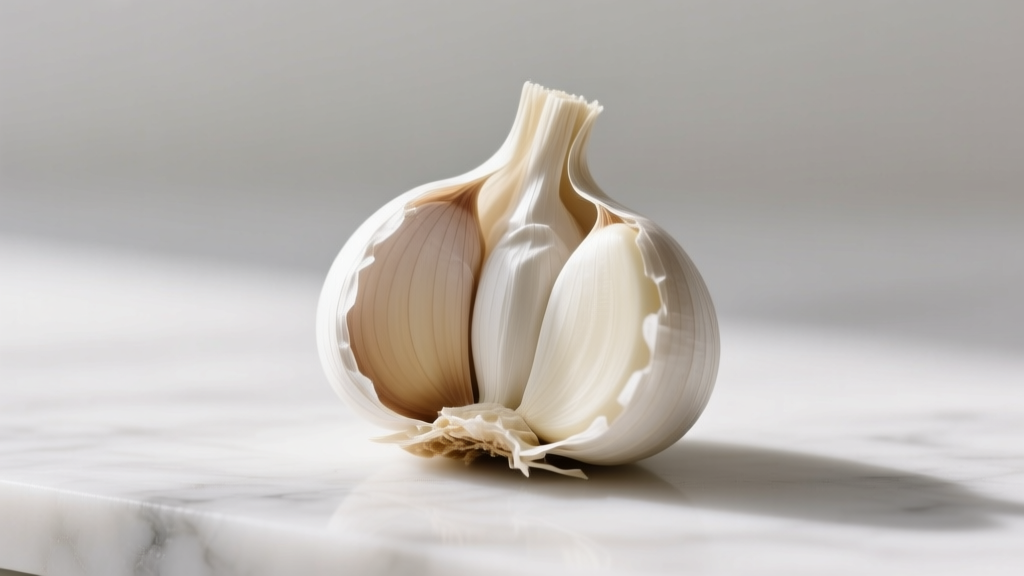
What Does a Garlic Clove Look Like? Visual Guide
Why This Tiny Detail Matters More Than You Think
Let's be real—you've probably stood in your kitchen staring at a garlic bulb wondering "Which part is the 'clove' they keep mentioning?" Totally normal. Recipes assume you know, but if you grab the whole bulb instead of one segment? Disaster. Way too intense. Been there, messed that up myself early in my food writing career. So here's exactly what to look for.
Breaking Down the Anatomy: No Botany Degree Needed
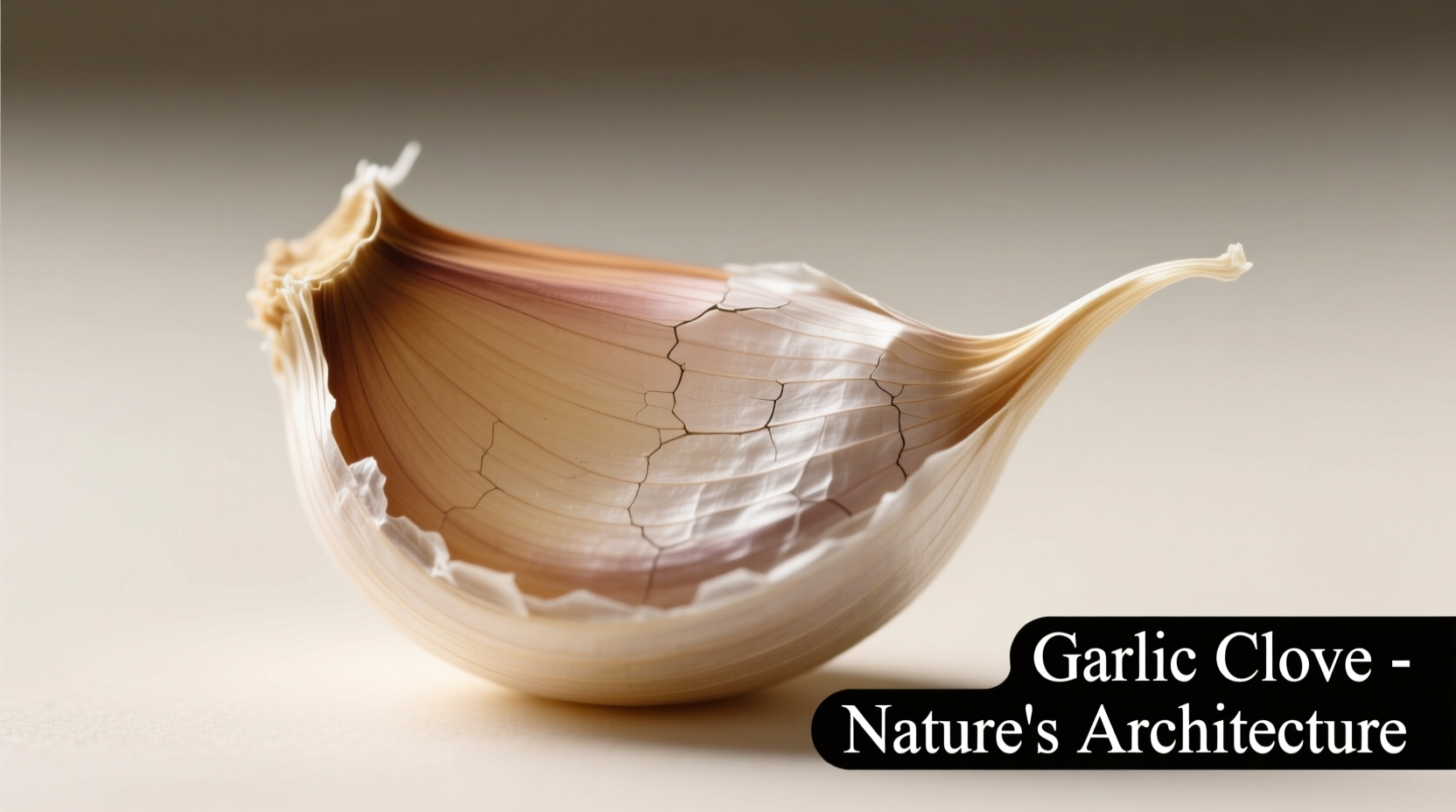
Forget textbook jargon. Picture this: you crack open a garlic bulb (that round thing at the store), and out pop 10-20 little guys. Each one's a clove. Here's how to ID it:
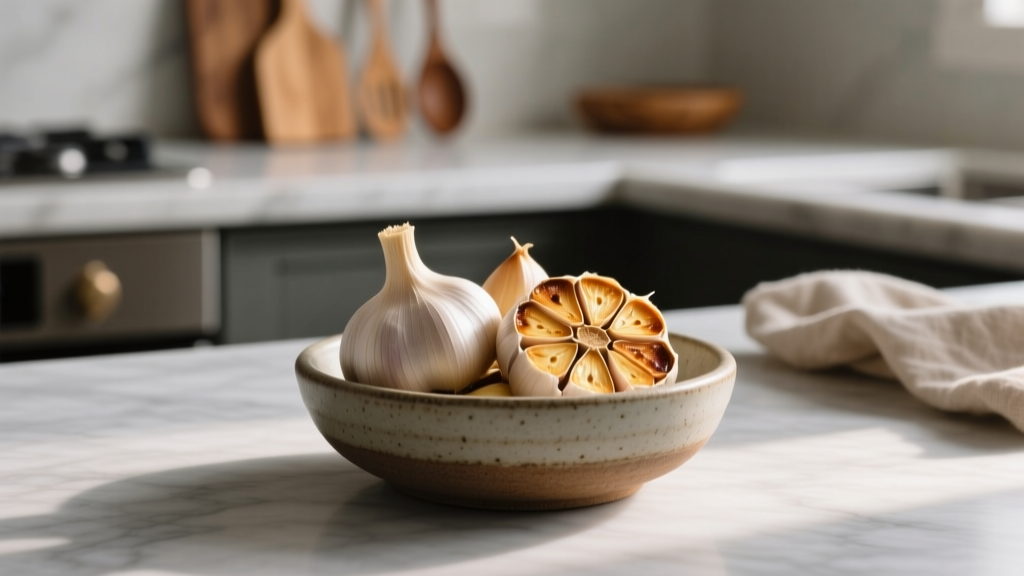
- Shape: Teardrop—pointy at the top (where it connected to the stem), flat at the bottom (root end)
- Size: Roughly 1-2 inches long, about the width of your thumb or a large almond
- Skin: Dry, papery, and flaky—white with possible purple streaks (depends on variety)
- Inside: Solid, creamy white flesh when fresh (not yellow or blue—more on that later)
| Feature | Fresh Clove | Going Bad |
|---|---|---|
| Skin texture | Tight, dry, no wrinkles | Loose, peeling, or damp |
| Interior color | Creamy white | Yellow spots or blue/green tinge |
| Feel | Firm, heavy for size | Soft, mushy, or lightweight |
| Smell | Sharp, clean garlic punch | Sour, musty, or absent |
When to Use It (And When to Toss It)
Okay, so you've found your clove. But here's the thing not everyone tells you: not all cloves are created equal. After testing hundreds of batches for recipe development, I've learned these quick judgment calls:
Definitely use it when: - The skin's dry and intact (keeps it fresh longer) - It feels dense in your palm—like a tiny stone - You're mincing for sauces or roasting whole (that flat base sits nicely in olive oil)
Avoid it when: - You see green sprouts poking out (tastes bitter—peel deeper or skip) - There's any softness (mold's starting inside) - It's turned blue (harmless but weird-looking—happens with acidic ingredients)
Pro tip: If a clove's slightly soft but otherwise okay? Roast it immediately. Heat mellows imperfections. But if it's mushy? Bin it. No shame—garlic's cheap.
Common Mix-Ups That Trip Up Beginners
Honestly, the biggest mistake I see? Confusing the whole bulb with a single clove. Like that time my nephew tried using an entire bulb for "one clove" in pasta sauce... yikes. Other pitfalls:
- Mistaking shallots for garlic cloves: Shallots are more oval, with thinner skin and a coppery tint. Garlic's always got that distinct teardrop shape.
- Ignoring sprouts: That green shoot isn't toxic, but it makes garlic harsh. Just cut it out lengthwise.
- Peeling too aggressively: You only need to remove the papery skin—not the thin brown layer underneath. That's flavor gold!
Everything You Need to Know
Nope. The bulb is the whole rounded head (like an orange), while a clove is one individual segment inside it—think orange wedges. Recipes almost always mean a single segment when they say "clove".
Bad cloves show yellow or brown spots, feel mushy when pressed, or have blue/green streaks. If you see a green sprout in the center, it's not rotten—but it'll taste bitter. Just slice it lengthwise to remove the sprout.
Typically 1-2 inches long and about the size of a large almond or your thumb tip. Weight-wise? Around 4-7 grams peeled. If your recipe needs precision (like canning), weigh it—but for most cooking, eyeballing works fine.
Sure—but go easy. Raw cloves pack serious punch (and allicin, the healthy compound). Start with half a clove minced in dressings. Never eat whole raw cloves—they can irritate your stomach. Roasting tames the heat if you're sensitive.
Blame chemistry! When garlic meets acidic ingredients (like lemon juice or vinegar), enzymes create blue pigments. It's totally safe—just looks weird. Happens more with immature garlic. Flavor stays normal, so cook it as planned.
More Articles
 Grains of Paradise: Pepper's Citrusy Cousin
 Easy Mushroom Gravy Recipe Using Cream of Mushroom Soup
 Ginger Storage: Keep Fresh for Months (2026)
 Half Sweet Potato Calories: Exact Count + Tips
 Turmeric vs Curry Powder: What Is the Actual Difference?
 Classic Tiramisu Recipe: Easy Step-by-Step Guide
 Garlic Sauce for Chicken: Simple Recipe & Pro Tips
 Smoked Paprika Buying Guide (2026)
 Cucumber Tomato Salad Recipe: Simple & Refreshing
 Simply Organic Roasted Garlic: Real Uses & Expert Tips