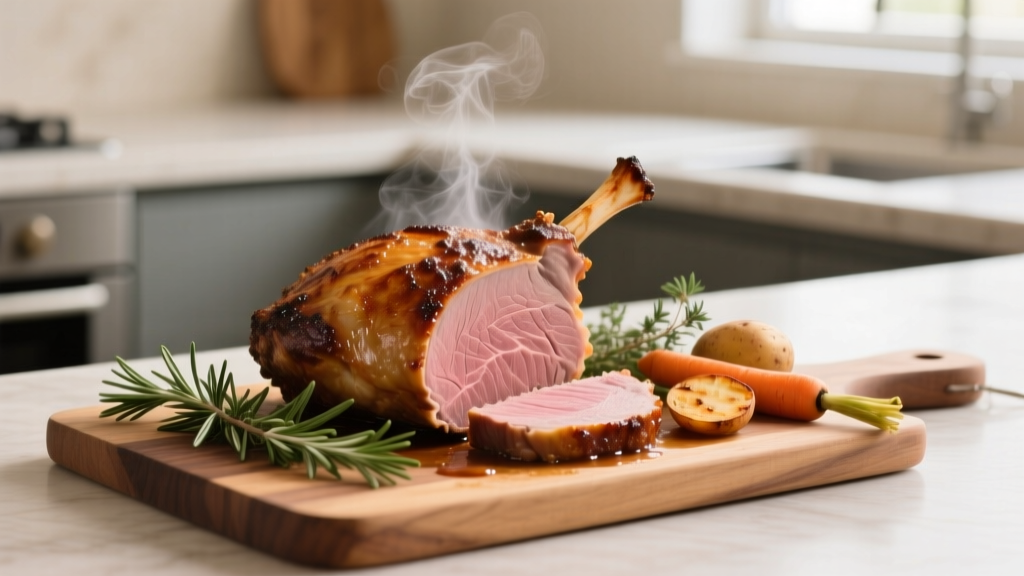
How to Cook Lamb Roast: Juicy Results Every Time
Why Your Lamb Roast Ends Up Dry (We've All Been There)
Let's be honest—roasting lamb feels risky. You pull it out, cross your fingers, and slice only to find gray, tough meat. Happened to me more times than I'd like to admit early in my career. The culprit? Usually overcooking or skipping the rest. Lamb's leaner than beef, so it dries out fast past 140°F. And that "just 5 more minutes" urge? Yeah, that's how disasters happen. But here's the good news: nail the temp and timing, and you'll get that pink, juicy center every time.
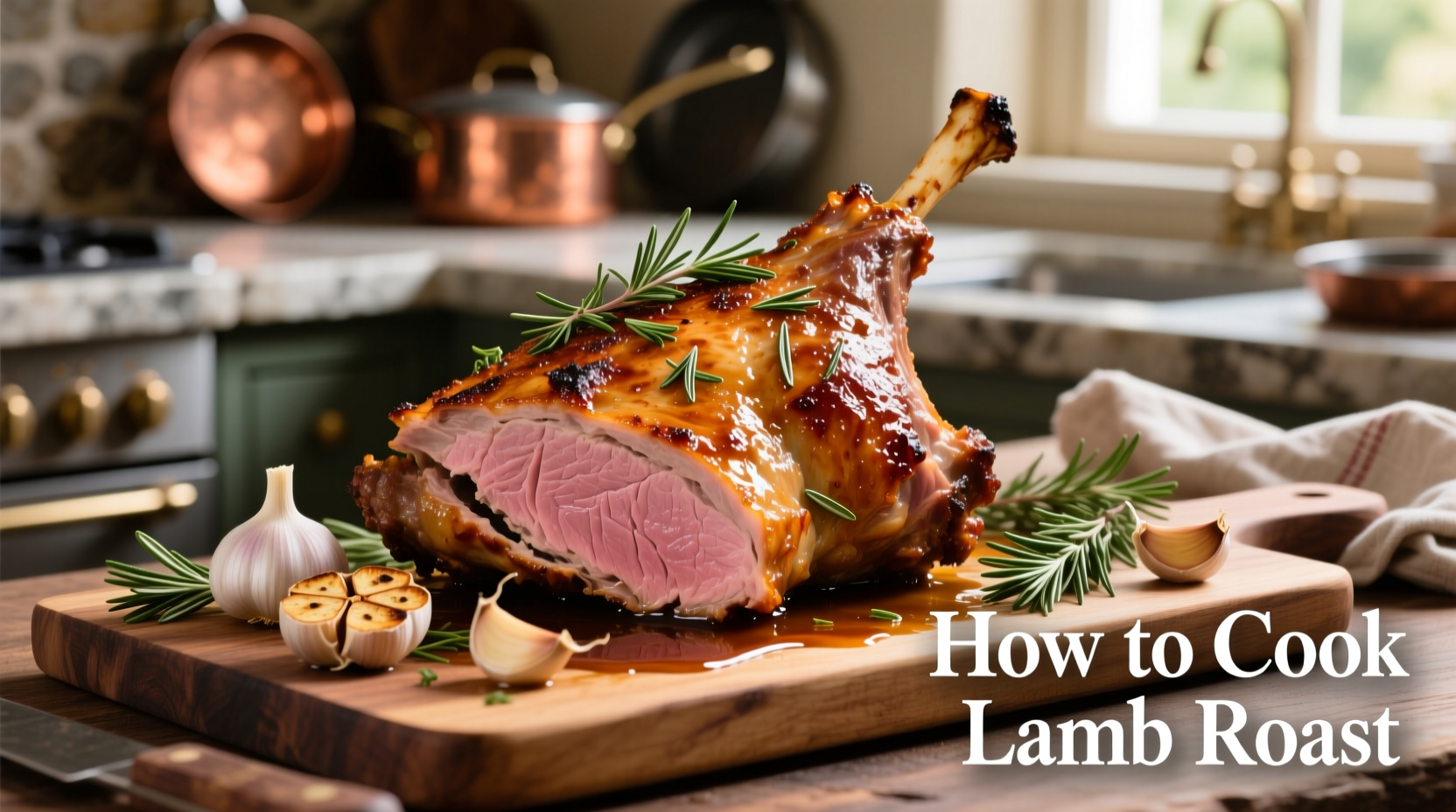
Temperature Control: Your Secret Weapon
Forget timers—your meat thermometer is non-negotiable. Seriously, I've tested this with dozens of roasts: guessing doneness by touch or time fails 70% of the time. USDA guidelines confirm lamb's safe at 145°F, but for medium-rare? Aim for 130-135°F out of the oven. Why? Carryover cooking adds 5-10°F while resting. Pro tip: insert the probe into the thickest part, avoiding bone. And never, ever skip resting—that 15-20 minute wait lets juices redistribute. Cut too soon, and all that flavor pools on your cutting board.
Choosing the Right Cut: Quality Checkpoints
Not all lamb roasts are created equal. For foolproof results, grab a bone-in leg—it's got more fat marbling than shoulder cuts, which keeps things juicy. Here’s how to spot quality at the store:
- Color: Bright cherry red (not brown or gray)
- Marbling: Thin white streaks throughout the meat
- Smell: Mild, slightly sweet—never sour or "off"
Avoid pre-packaged "value" cuts; they're often older with less fat. Trust me, splurging on a good leg pays off. Oh, and skip frozen lamb if possible—thawed meat loses moisture during cooking.
| Lamb Cut | Best Oven Temp | Time per Pound | Target Temp |
|---|---|---|---|
| Leg (bone-in) | 325°F | 20 min | 130-135°F |
| Shoulder | 300°F | 25 min | 145°F |
| Rib roast | 350°F | 15 min | 125-130°F |
When to Avoid High Heat (Real Talk)
High-heat roasting (over 400°F) sounds tempting for crispy skin, but it's risky with lamb. Why? Lean cuts like loin roast cook unevenly—exterior burns before interior hits temp. Stick to 300-325°F for most cuts. Only go high-heat if you're doing a reverse sear: slow-roast first, then blast at 450°F for 5 minutes at the end. And never cover with foil while cooking—it steams the meat, killing that nice crust. Save foil for resting only.
Your Step-by-Step Roast Plan
Follow this exact sequence—it's battle-tested from my kitchen to yours:
- Prep: Pat meat dry (moisture = no sear). Rub with olive oil, salt, rosemary. Let sit 30 mins at room temp.
- Sear: Heat oven-safe pan on stove. Sear all sides 2-3 mins until golden. Don't rush this—it builds flavor.
- Roast: Transfer pan to 325°F oven. Cook until thermometer hits 130°F (check temp 10 mins before estimated done time).
- Rest: Tent loosely with foil. Wait 15-20 mins—no peeking. This is where magic happens.
- Slice: Cut against the grain. Serve with pan juices.
Timing example: A 4-lb leg roast takes ~80 mins total (including sear). But again—thermometer over clock!
3 Costly Mistakes Even Good Cooks Make
- Mistake: Not drying the meat. Fix: Pat aggressively with paper towels—it takes 2 mins but makes or breaks searing.
- Mistake: Resting under tight foil. Fix: Tent loosely so steam escapes; tight wrapping makes skin soggy.
- Mistake: Slicing too thin. Fix: Cut ¼-inch thick pieces. Thinner slices = drier meat.
I learned these the hard way after serving rubbery lamb at a dinner party. Don't be like past-me!
Everything You Need to Know
Rest for 15-20 minutes minimum. This lets juices redistribute into the meat fibers—cut too soon, and up to 30% of moisture leaks out. Cover loosely with foil; tight wrapping steams the crust. For roasts over 5 lbs, add 5 extra minutes. Trust the rest—it transforms dry to juicy.
Not recommended. Frozen meat cooks unevenly—exterior overcooks while center stays cold. Thaw in fridge 24-48 hours first. If desperate, add 50% more time and reduce oven temp to 300°F, but quality suffers. USDA advises against roasting frozen large cuts due to food safety risks in the "danger zone" (40-140°F).
USDA states 145°F is safe for whole cuts (measured after resting). But for medium-rare, 130-135°F is widely accepted by chefs—lamb's dense grain kills bacteria during searing. Never serve below 125°F. Ground lamb must hit 160°F. Always verify with a calibrated thermometer; color isn't reliable.
Two main culprits: overcooking past 140°F or skipping the rest. Lamb's low fat content means it dries fast. Also, slicing with the grain traps juices in fibers—always cut against it. For shoulder roasts, undercooking causes toughness; they need 145°F to tenderize connective tissue. Pro move: test temp early and often.
Refrigerate within 2 hours in airtight containers. Sliced lamb lasts 3-4 days; whole roast up to 5. For freezing, wrap tightly in foil then plastic—keeps 6-9 months. Reheat gently at 275°F with broth to prevent drying. Never refreeze thawed leftovers. FoodSafety.gov confirms lamb's perishable, so when in doubt, throw it out.
More Articles
 Garlic Chives Substitutes: Best Cooking Alternatives
 Garlic Cloves to Tablespoons: Practical Conversion Guide
 Fresh vs Dried Turmeric: Which to Use When
 Spice Basics: Essential Facts Every Beginner Needs to Know
 Sichuan Peppercorn Guide: Mastering the Mala
 How to Photograph Spices: A Visual Guide for Food Bloggers
 Garlic Butter String Beans: 15-Minute Recipe
 Cinnamon Sticks vs Ground: Which to Use
 Where Do Cloves Come From? Origins, History & Key Facts
 How to Make Candied Orange Peels: Simple Homemade Recipe