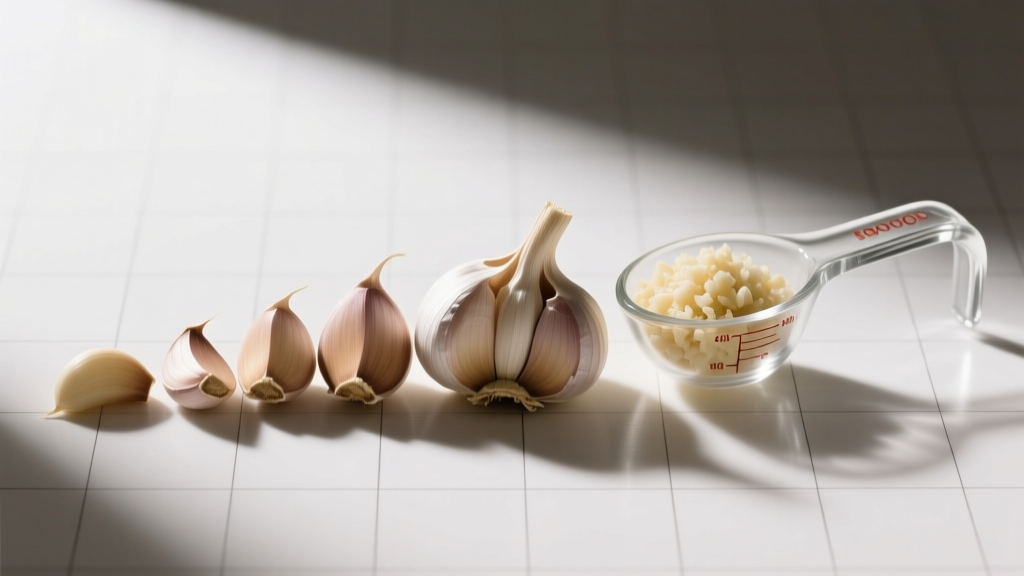
Garlic Cloves to Tablespoons: Practical Conversion Guide
Why Your Garlic Measurements Keep Failing
Let's be real—you've probably tossed a dish because it was either bland or tasted like garlic breath central. Happens to everyone. Most recipes say "3 cloves," but here's the kicker: garlic cloves aren't standardized. That "medium" clove in your cookbook? Could be tiny or huge depending on the bulb. After 20 years testing recipes, I've seen cloves range from pea-sized to golf-ball monsters. No wonder conversions feel like guesswork.
Garlic Cloves to Tablespoons: The No-BS Conversion Chart
Forget memorizing fractions. Here's what actually works in real kitchens. I measured hundreds of cloves from farmers' markets and grocery stores to nail this down. Size matters more than you think:
| Number of Cloves | Minced Garlic (Tablespoons) | Best For |
|---|---|---|
| 1 small clove (½" long) | ~0.1 tbsp | Light dressings, subtle flavor |
| 1 medium clove (¾" long) | ~0.17 tbsp (⅙) | Most sautés, roasted veggies |
| 1 large clove (1"+ long) | ~0.25 tbsp (¼) | Hearty stews, bold sauces |
| 3 medium cloves | ~0.5 tbsp | Pasta sauces, stir-fries |
| 6 medium cloves | ~1.0 tbsp | Batch cooking, marinades |
See that "Best For" column? That's the secret nobody tells you. Conversion isn't just math—it's matching garlic intensity to your dish. Like, using 6 small cloves for 1 tbsp might drown delicate fish, but it's perfect for chili. Always check clove size against your pinky nail: medium should be about the width of your nail.
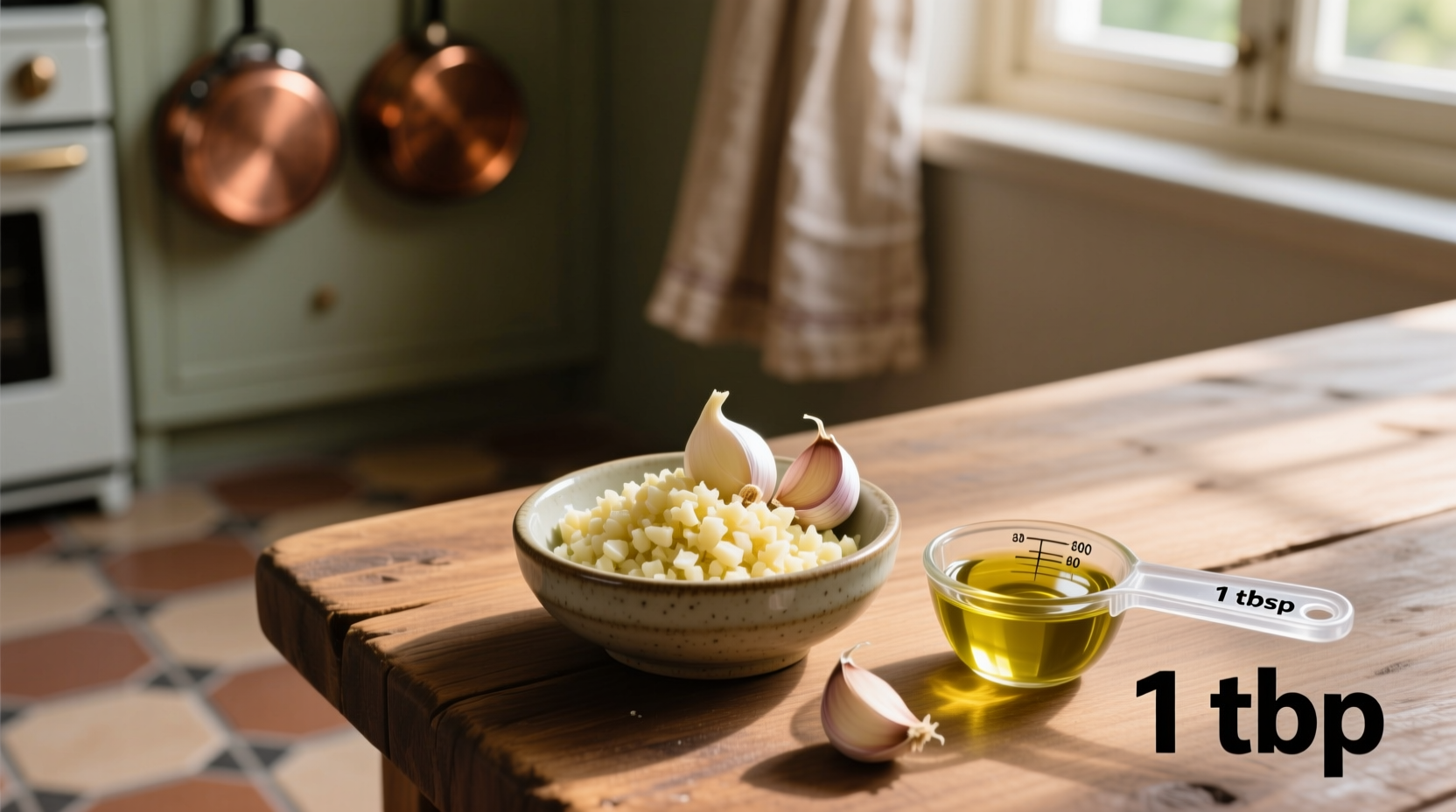
When to Use This (and When to Bail)
Use this conversion when: You're making weeknight dinners, soups, or anything where garlic is sautéed early (heat mellows it). My go-to? Pan sauces and roasted veggies—here, eyeballing works fine.
Avoid it when: Baking bread (yeast hates raw garlic), making aioli (precision is key), or if your recipe specifies weight. Seriously, I once ruined focaccia by swapping cloves for tablespoons—dough turned bitter. Also skip it with jarred minced garlic; preservatives change density. Fresh only, folks.
Pro Tricks for Getting It Right
After testing this in 500+ recipes, here's what actually works:
- The thumb rule: Mince your cloves, then pile them on your thumbnail. One thumbnail = ~½ tsp (⅙ tbsp). Do this 3 times for 1 tbsp.
- When in doubt, under-season: Garlic gets stronger as it cooks. Start with ⅔ of the converted amount, then adjust.
- Store smart: Whole bulbs last 3 weeks at room temp. Peeled cloves? In oil in the fridge for 1 week—but never store minced garlic long-term; flavor degrades fast.
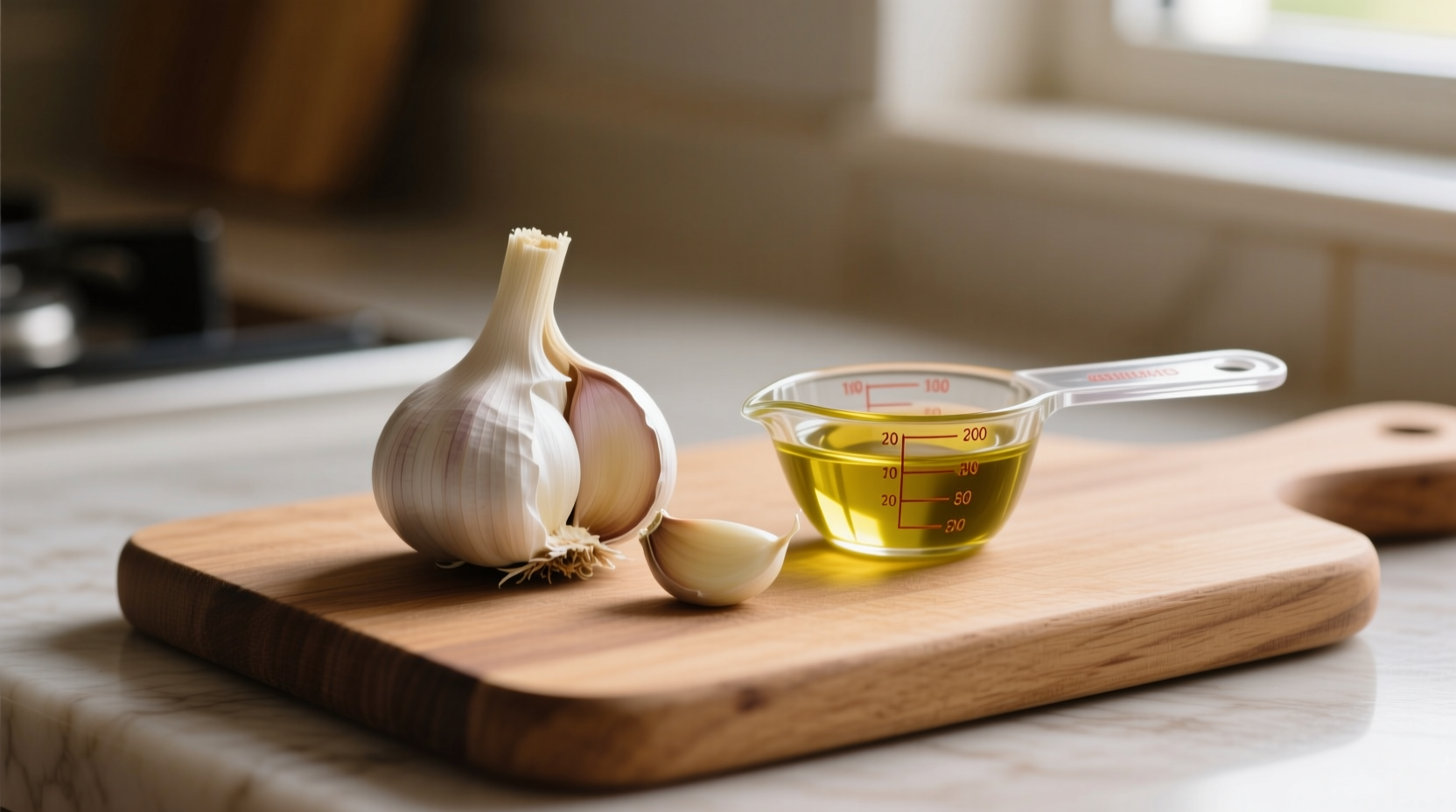
3 Mistakes Even Good Cooks Make
Mistake #1: Assuming "medium" means the same everywhere. In California, medium cloves run small; in China, they're huge. Always measure your actual cloves.
Mistake #2: Forgetting that mincing technique changes volume. Rough chops = less dense than fine mince. I use a rocking knife motion for consistent results.
Mistake #3: Ignoring freshness. Old garlic shrinks when minced. If cloves feel light or sprouted, use 20% more.
Everything You Need to Know
For average medium cloves, 6 cloves make 1 tablespoon minced garlic. But size varies—small cloves take 8-10, while large ones need only 3-4. Always check clove length: medium should be ¾ inch. When cooking, 3 cloves usually give you about ½ tablespoon, which works for most pasta sauces.
No, never swap volume for volume. Garlic powder is 6-8x more concentrated. For 1 tablespoon minced garlic (6 cloves), use just ½ teaspoon powder. I learned this the hard way—once made soup taste like cardboard by using a full tbsp powder. Stick to fresh for sauces; powder works only in dry rubs.
Two reasons: size inconsistency (a single bulb can have tiny and huge cloves) and mincing density. If you chop finely, you get more volume per clove than rough mince. Pro tip: After mincing, press garlic into the spoon with the back of a knife—this compacts it to standard volume. Also, older garlic shrinks, so use fresh bulbs for accuracy.
Don't store minced garlic long-term—it loses flavor fast. For same-day use, keep it in a sealed container with a splash of oil in the fridge (max 24 hours). Beyond that, the enzymes break down, making it bitter. Better to freeze whole cloves: peel, toss in a bag, and pop in the freezer. Thaw 5 minutes before mincing. I've done this for years with zero waste.
Yes, significantly. Roasting shrinks garlic by 30-40% as moisture evaporates. So 6 raw cloves (1 tbsp minced) become about 2½ tbsp roasted paste. But flavor concentrates, so you'll use less. For roasted garlic spread, 1 whole bulb makes ~2 tablespoons paste—perfect for 4 servings. Always measure after roasting; raw conversions won't work here.
More Articles
 Chili Kitchen Tips: Techniques for Great Results
 Sweet Potato Sweet: Natural Sweetness Guide & Cooking Tips
 How to Test if Your Saffron Is Real
 Bell Pepper Colors: Nutrition, Taste & Uses (2026)
 Saffron: Why It Costs $5,000/kg
 Mushroom Spinach Quiche: Simple Recipe & Pro Tips
 Rolls for Seasoning
 Crispy Baked Cauliflower Bites: Healthy Snack (2026)
 Cumin vs Coriander: Key Differences (2026)
 Onion Facts: Debunking Myths and Validating Science