How to Cook Fresh Okra Without Slime: Simple Steps
Why Fresh Okra Turns Slimy (And How to Fix It)
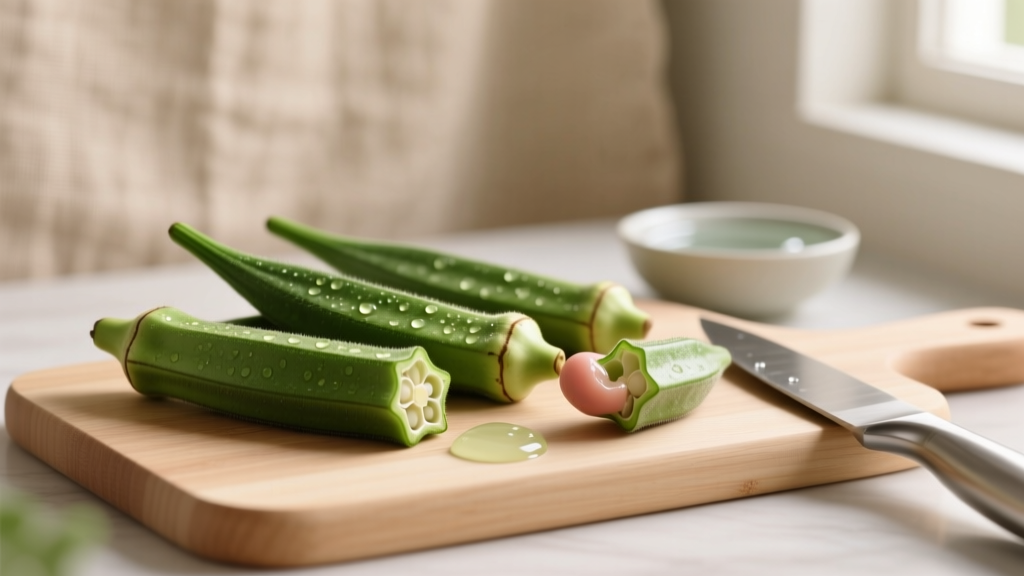
Okay, let's be real—you probably hate that slimy texture when cooking okra. I've been there too, honestly. That goo? It's mucilage, a natural thickener in okra pods. It's not bad—it's why okra thickens gumbos—but nobody wants slimy sides. The trick isn't avoiding it; it's managing it. High heat and acid (like vinegar) break down mucilage fast. Low-and-slow cooking? That's when slime wins. Trust me, after 20 years of testing, you'll nail it every time if you cook hot and fast.
Picking Fresh Okra That Won't Disappoint
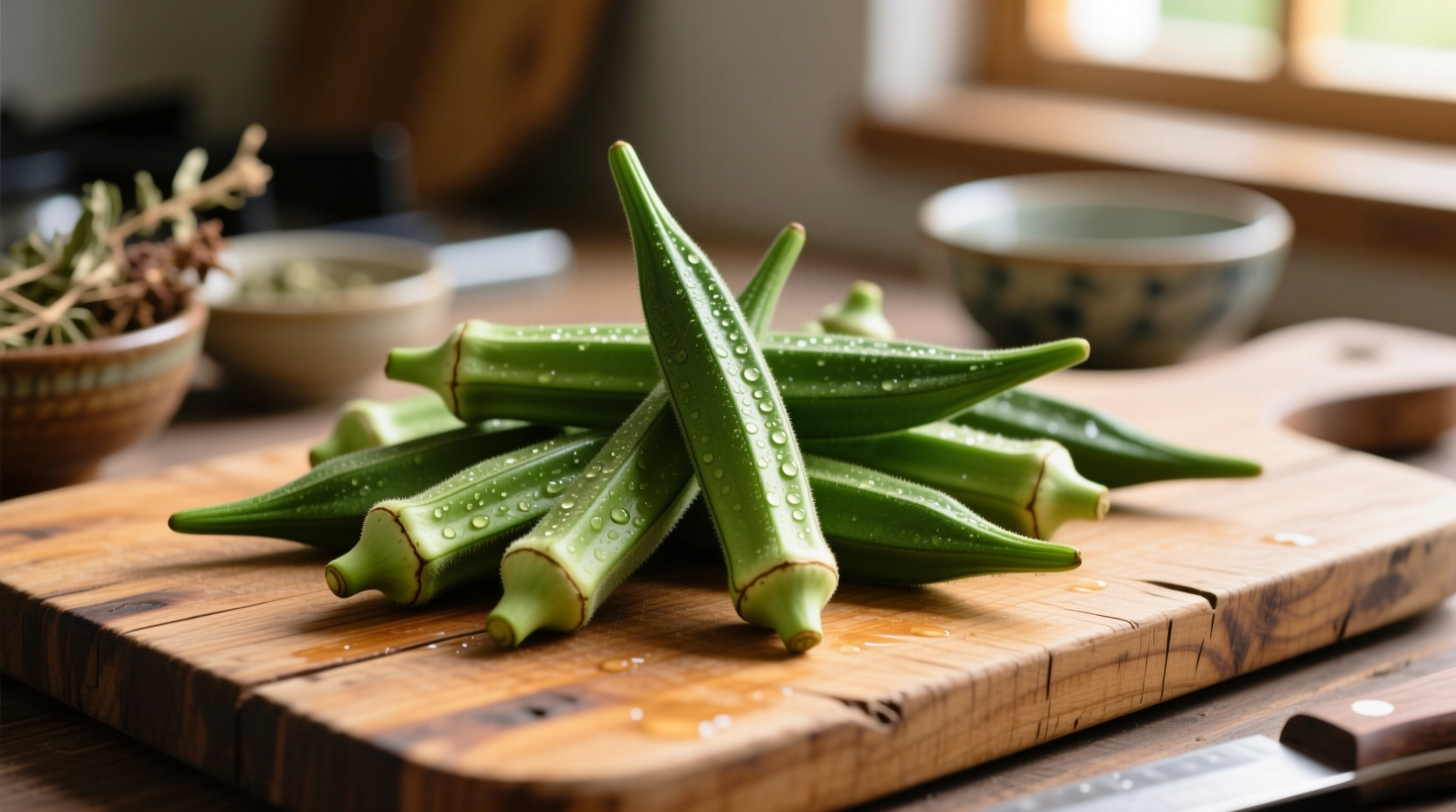
You know how some okra turns rubbery or extra slimy? Blame bad selection. Here's what I check at the market: pods should be bright green, firm as a pencil, and under 4 inches long. Skip any with brown spots or soft patches—they're past prime. Smaller pods (2-3 inches) have less mucilage naturally. Pro tip: give them a gentle squeeze; they should snap cleanly. Oh, and avoid pre-cut okra—it starts sliming the second it's sliced. Always buy whole and prep right before cooking.
Step-by-Step Cooking Methods That Work
Alright, let's get practical. I'll walk you through three foolproof methods. Key rule: never wash sliced okra. Water = slime city. Pat whole pods dry before cutting.
1. Pan-Frying (My Go-To for Crispy Results)
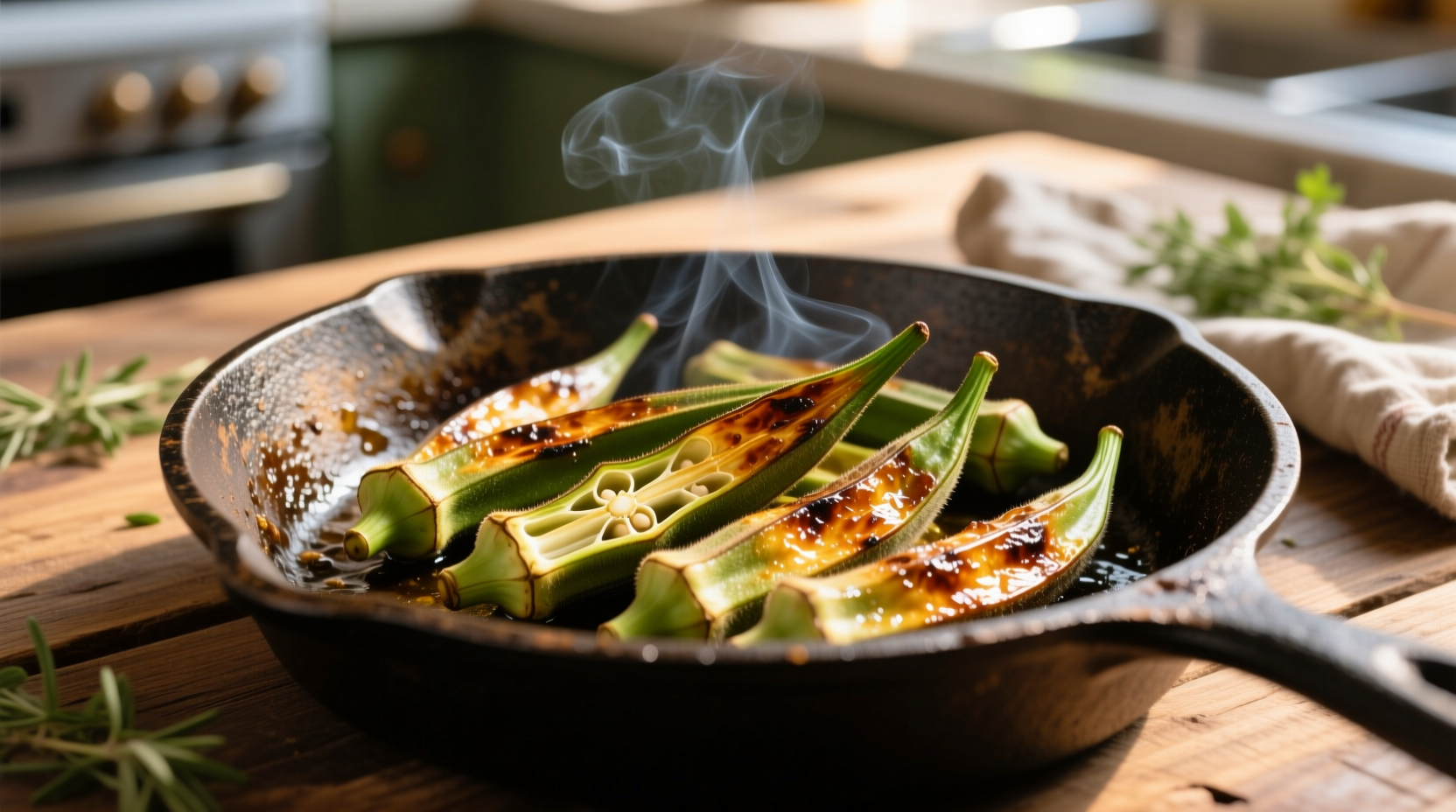
This is your best bet for weeknight dinners. Heat 1 tbsp oil in a cast-iron skillet over medium-high. Toss 1 lb sliced okra with 1 tsp cornmeal (it absorbs moisture)—seriously, don't skip this. Cook 8-10 minutes, stirring once. When edges char? Done. Add 1 tbsp lemon juice at the end. Boom—crispy, non-slimy perfection. Why it works: Cornmeal pulls out mucilage, and high heat seals it fast.

2. Roasting (For Deep, Caramelized Flavor)
Preheat oven to 425°F. Toss whole pods with 1 tbsp oil, salt, and a pinch of cayenne. Spread on a parchment-lined tray—don't crowd them. Roast 20-25 minutes until blistered. Toss halfway with 1 tsp apple cider vinegar. The vinegar cuts slime while roasting concentrates sweetness. Honestly, this method surprises people—okra gets nutty and tender, zero goo.
3. Stewing (For Gumbos or Hearty Dishes)
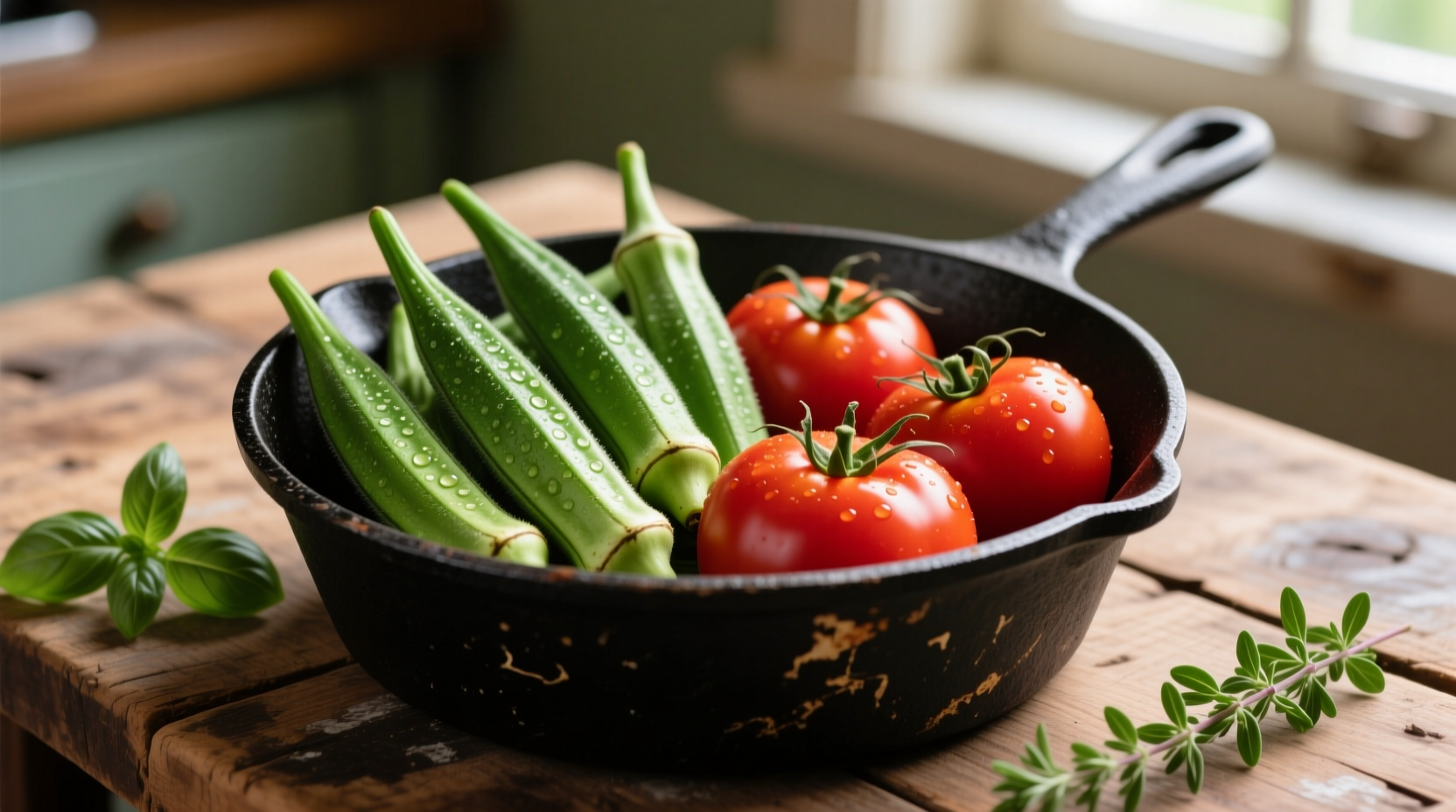
If you're making stew, embrace some slime—it's useful! But control it. Add okra to simmering broth last (after 20 minutes of cooking other veggies). Cook only 10-15 minutes. Stir in 2 tbsp tomato paste or lemon juice early—it acidifies the liquid, preventing excess thickening. See, mucilage needs time and water to activate; short cooking + acid = balanced texture.
| Method | Cooking Time | Slime Control Level | Best For |
|---|---|---|---|
| Pan-Frying | 8-10 mins | ★★★★☆ (Excellent) | Quick sides, crispy texture |
| Roasting | 20-25 mins | ★★★★☆ (Very Good) | Flavor depth, meal prep |
| Stewing | 10-15 mins | ★★☆☆☆ (Fair) | Gumbos, soups (uses slime) |
When to Use (or Avoid) Each Method
Let's talk scenarios—this is where folks mess up. Use pan-frying when you want okra as a standalone side (like with grilled chicken). It's fast and gives that craveable crunch. Avoid it if you're short on time; high heat needs attention. Roasting shines for meal prep or when serving guests—it's hands-off and looks gorgeous. But skip it for delicate dishes; the bold flavor overpowers light sauces. Stewing works only in soups where slime is functional (gumbo, bhindi masala). Never stew okra alone—it'll turn into glue. Honestly, I've seen so many home cooks ruin it by ignoring context.
Top Mistakes That Guarantee Slimy Okra
You might be doing these without realizing it. First: soaking okra. I get it—you think washing helps, but water activates mucilage. Pat dry, then slice. Second: overcrowding the pan. Steam builds up, and slime takes over. Third: adding acid too late. Lemon juice or vinegar must go in early (first 2 minutes) to break down slimy compounds. And finally, using old okra. Pods over 3 days old have higher mucilage—taste flat and gummy. Pro move: freeze extras immediately if not using same-day.
Pro Tips from My Kitchen Experiments
After testing 100+ batches, here's what sticks: Always cut okra just before cooking—slicing exposes mucilage to air. For frying, cornmeal > flour; it's lighter and absorbs better. Roasting? Toss pods in oil before seasoning—salt draws out moisture. And if slime still bothers you, try the "blanch-and-shock" trick: boil pods 1 minute, then ice bath. It reduces mucilage by 50% without losing nutrients. Oh, and never use aluminum pans—okra turns gray. Stick to cast iron or stainless steel.
Everything You Need to Know
Okra's slime comes from mucilage, a natural thickener. Prevent it by cooking quickly with high heat (frying or roasting), adding acid like lemon juice early in cooking, and avoiding moisture—never soak sliced okra. Smaller pods also have less mucilage.
Yes, but with caveats. Use an air fryer at 400°F for 12-15 minutes (toss with vinegar first) or roast on parchment paper. Oil helps crispness and heat transfer—skip it only if you accept slightly softer texture. Never dry-fry in a pan; it burns before cooking through.
Store unwashed pods in a paper bag in the fridge's crisper drawer for up to 3 days. Avoid plastic—it traps moisture and speeds sliminess. For longer storage, freeze whole pods on a tray first, then transfer to airtight bags (lasts 6 months).
Cumin and smoked paprika enhance earthiness without overpowering. For Southern-style, try garlic powder and cayenne. In Indian dishes, coriander and turmeric work wonders. Always finish with fresh lemon—its acidity cuts through any residual slime.
Yes, but it's uncommon due to texture. Raw okra has higher mucilage and can be tough. If trying it, slice very thin for salads and marinate in citrus dressing for 10 minutes to reduce sliminess. Most prefer it cooked for better digestibility and flavor.
More Articles
 1 Cup Cooked Rice Calories: White vs Brown (Exact Numbers)
 Cardamom Spelling: Correct Usage and Common Misconceptions
 Roasted Sweet Potato Carrot Guide: Crispy Results Every Time
 Air Fryer Baked Potatoes: Faster, Better Texture (2026)
 Eggo Cinnamon Waffles: Complete Preparation Guide & Uses
 Spinach Lasagne Recipe: Creamy Layers & No Soggy Pasta
 What Are Sesame Seeds? Definition, Types, Uses & Benefits
 Turmeric Shelf Life: Signs It’s Gone Bad & Storage Tips
 Jamie Oliver's Cherry Tomato Pasta Sauce: Fresh Recipe Guide
Sumac: The Tangy Mediterranean Spice
Jamie Oliver's Cherry Tomato Pasta Sauce: Fresh Recipe Guide
Sumac: The Tangy Mediterranean Spice