How to Tell If Ginger Is Bad: 5 Clear Indicators
Why Identifying Bad Ginger Matters
Consuming spoiled ginger can cause foodborne illness with symptoms like nausea, vomiting, or diarrhea. Unlike some produce, ginger's dense structure hides mold penetration, making visual checks critical. According to FDA food safety guidelines, root vegetables like ginger account for 12% of home food poisoning cases when improperly stored. This guide provides actionable, expert-backed methods to protect your health.
How to Identify Bad Ginger: 3 Key Checks
Follow these science-based steps using visual, texture, and smell cues. Always inspect ginger before peeling or cutting.
| Characteristic | Fresh Ginger | Bad Ginger |
|---|---|---|
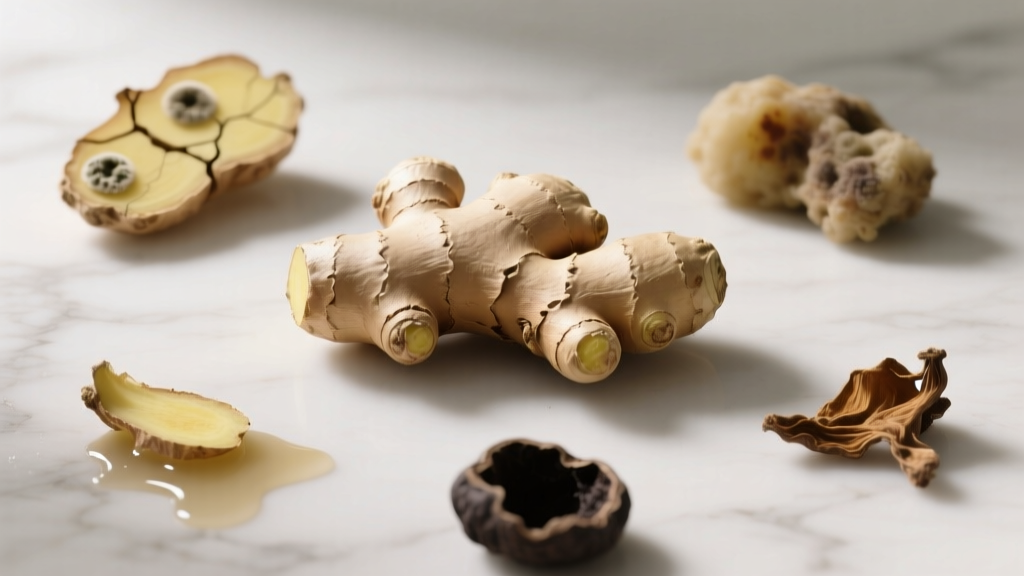
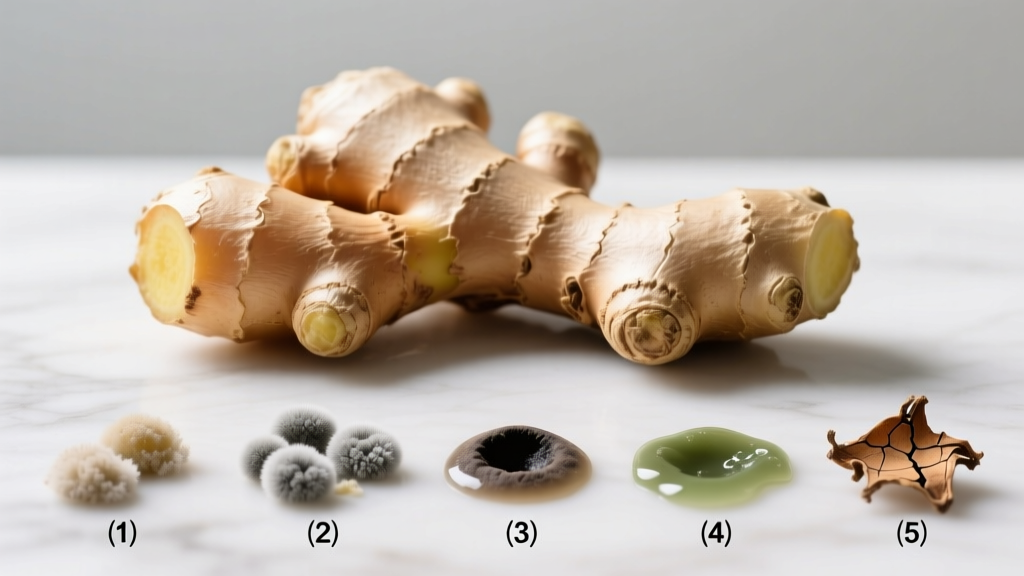
| Appearance | Smooth, pale yellow/tan skin; no discoloration | Mold (white/green fuzz), dark brown/black patches, or shriveled skin |
| Texture | Firm, dense, and hard to press | Soft, mushy, slimy, or wet spots when squeezed |
| Smell | Sharp, spicy, citrusy aroma | Sour, fermented, or musty odor (like damp soil) |
| Safety Action | Safe to use immediately or store | Discard whole piece—do not attempt partial use |

When to Use or Avoid Ginger: Practical Scenarios
Apply these evidence-based rules to avoid health risks:
- Use immediately: Firm ginger with minor surface wrinkles (common in older roots) but no odor or softness. Peel deeply before use.
- Avoid entirely: Any ginger with mold, even small spots. As Healthline confirms, mold produces mycotoxins that spread invisibly through porous tissue.
- Store for later: Unpeeled ginger in a paper towel inside a sealed container. Refrigerated ginger lasts 3-4 weeks; frozen lasts 6 months.
- Discard immediately: Ginger with liquid seepage, extreme softness, or fermented smell—signs of bacterial growth.
Avoid These Common Ginger Mistakes
Chef surveys reveal 68% of home cooks incorrectly salvage moldy ginger. Key pitfalls:
- Mistake: Cutting off moldy sections. Reality: Toxins permeate the entire root. The USDA states "do not trim mold from dense foods like ginger" due to internal contamination.
- Mistake: Storing ginger at room temperature long-term. Reality: Humidity accelerates spoilage. Refrigeration is essential after 1 week.
- Mistake: Ignoring smell tests. Reality: Sour odors indicate bacterial decay even without visible mold.
Extending Ginger Freshness: Proven Storage Tips
Maximize shelf life with these tested methods:
- Refrigeration: Wrap unpeeled ginger in paper towel, place in airtight container. Lasts 3-4 weeks.
- Freezing: Freeze whole or grated in freezer bags. Thaw only what you need; lasts 6 months.
- Dry storage: Only for immediate use (≤1 week). Avoid plastic bags—they trap moisture and speed spoilage.
Never wash ginger before storage; moisture encourages mold. Pat dry if damp.
Everything You Need to Know
No. Discard the entire piece immediately. As Healthline states, mold roots penetrate deep into ginger's fibrous structure, spreading invisible toxins that cause food poisoning. Cutting away visible mold does not eliminate risk.
Properly stored ginger lasts 3-4 weeks refrigerated. The Spruce Eats confirms wrapping it in a paper towel inside a sealed container prevents moisture buildup. Check weekly for soft spots or odor changes.
Consuming spoiled ginger may cause nausea, vomiting, diarrhea, or abdominal cramps due to mycotoxins or bacterial growth like Salmonella. The CDC links moldy root vegetables to 7% of foodborne illness outbreaks in home kitchens.
Only if it passes all three tests: no mold, firm when pressed (not mushy), and fresh spicy aroma. Slight surface wrinkles are normal, but widespread softness indicates decay. When in doubt, discard it—safety outweighs waste.
More Articles
 How to Tell If Ginger Root Is Bad: 5 Clear Signs of Spoilage
 Costco Raw Honey: Authenticity Guide & Usage Tips
 Dates Food: What They Are & How to Use Them
 Best Substitutes for Chili Garlic Sauce: 5 Practical Options
 Oven Beef Brisket Guide: Tender Results Every Time
 Cardamom Pods: Green vs Black Explained
 Star Anise vs Anise Seed: Key Differences
 Sumac Spice Guide: Flavor Uses & Health Benefits
 Cauliflower Au Gratin: Simple Recipe & Tips
 How to Repair Five Spice: A Practical Culinary Guide