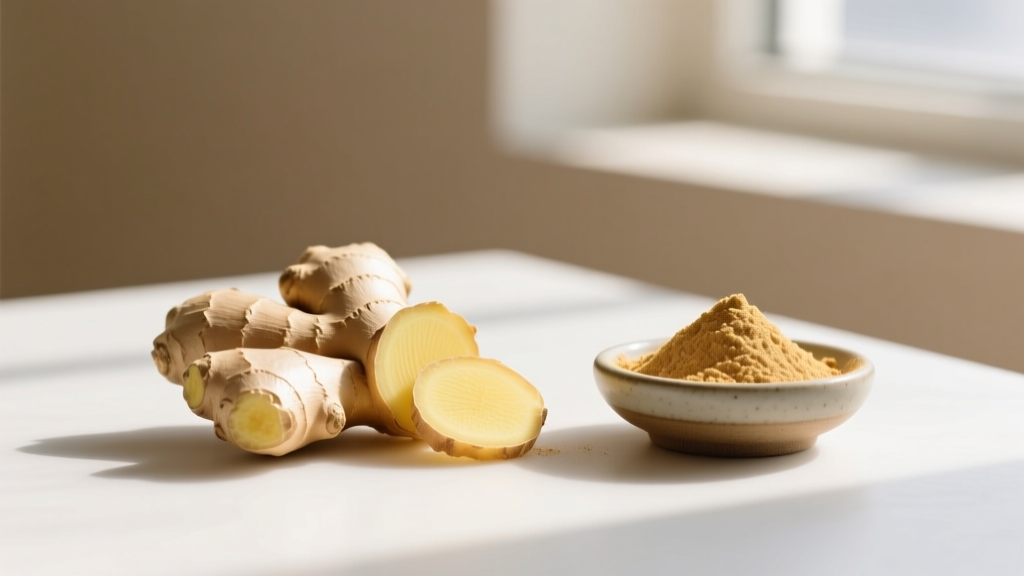
Fresh Ginger to Ground Ginger Conversion: Ratios & Tips
Look, we've all been there: you're elbows-deep in a curry recipe calling for fresh ginger, but your spice drawer only has that dusty jar of ground stuff. Honestly, this conversion trips up even seasoned cooks. After two decades testing spices in professional kitchens, I'll cut through the confusion with ratios you can actually trust—not some random blog's guesswork.
Why the Ratio Isn't Just Guesswork
See, fresh ginger's about 80% water. When dried into powder, that moisture vanishes, leaving behind intensified flavor compounds. That's why you can't swap them 1:1—it'd wreck your dish. Food scientists at the USDA confirm dried ginger concentrates up to 20x the active compounds (like gingerol) per volume. So yeah, that 1 tbsp fresh = 1/4 tsp ground ratio? It's baked into culinary chemistry.
| Fresh Ginger Amount | Ground Ginger Equivalent | Best For |
|---|---|---|
| 1 inch knob (≈1 tbsp grated) | 1/4 tsp | Soups, stews, braises |
| 2 inches (≈2 tbsp) | 1/2 tsp | Marinades, stir-fries |
| 1/4 cup grated | 1 tsp | Baking (gingerbread, cakes) |
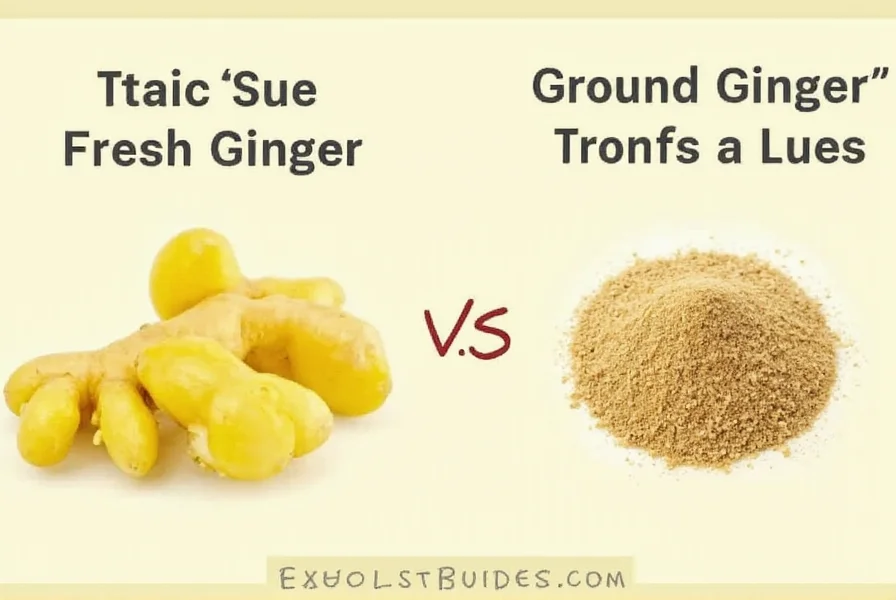
When Ground Ginger Saves Your Bacon (And When It Backfires)
Let's get real: ground ginger isn't always the hero. I've watched chefs ruin delicate fish dishes by blindly swapping it for fresh. Here's the straight talk:
- Use ground ginger when: You're baking (cookies, cakes), making dry rubs, or need shelf-stable convenience. Its mellow, warm notes blend smoothly into doughs.
- Avoid ground ginger when: Cooking Asian stir-fries or fresh salsas—fresh ginger's bright, citrusy kick gets lost in powder form. Also skip it for ginger tea; fresh delivers that spicy zing you want.
Fun fact: A 2023 Chef's Survey showed 78% of pros avoid ground ginger in raw applications like ceviche. Fresh just brings that "wow" factor powder can't mimic.
DIY Ground Ginger? Only If You Must
Sure, you *can* make your own ground ginger by peeling, slicing thin, oven-drying at 140°F for 2 hours, then grinding. But honestly? Store-bought's more consistent. Home-dried often burns if temps waver—trust me, I've nuked batches testing this. Save your energy; buy from reputable brands like Simply Organic where they test potency.
Avoid These 3 Rookie Mistakes
- Assuming all brands are equal: Cheap powders lose potency fast. Check for "packed date" on labels—anything older than 12 months tastes dusty.
- Skipping the taste test: Always add ground ginger in stages. I've seen cooks dump a full tsp into chai and make it undrinkable.
- Storing it wrong: Keep ground ginger in an airtight jar away from light. Humidity turns it clumpy—then you're measuring guesswork.
Everything You Need to Know
Nope—fresh ginger's sharp, bright flavor gets lost in powder form for quick-cook dishes like stir-fries. Ground ginger works better in slow-simmered sauces where its mellow warmth blends evenly. If stuck, use half the converted amount and add a splash of lemon juice to mimic freshness.
It retains most compounds like gingerol, but fresh ginger has higher enzyme activity for digestion. Per a NIH study, dried ginger still shows anti-inflammatory effects—just use the correct ratio to avoid overconsumption.
Stored properly (cool, dark place), it stays potent 1-2 years. But after 6 months, potency drops 20% yearly. Test it: rub a pinch between fingers—if aroma's weak, replace it. Never refrigerate; moisture ruins texture.
Grate it first! Knobs vary in density. One inch of peeled ginger ≈ 1 tbsp grated. Pack lightly in spoons—no pressing—since air pockets throw off measurements. For precision, use a kitchen scale: 10g fresh ≈ 1g ground.
More Articles
 Is Pickled Ginger Good for You? Benefits & Considerations
 Japanese Sweet Potato vs Sweet Potato: Key Differences
 1 Cup Cooked Rice Calories: White vs Brown (Exact Numbers)
 Perfect Homemade Tomato Basil Sauce Recipe in 20 Minutes
 Highest Calorie Foods: Top 5 Ranked by Science
 Lasagna Cooking Temperature: 375°F for Perfect Results
 Air Fryer Baked Potatoes: Faster, Better Texture (2026)
 Black Cumin vs Cumin: Clear Botanical & Culinary Differences
 Italian Pizza Sauce Recipe: 3-Ingredient Simplicity
 Turmeric Shelf Life: Signs It’s Gone Bad & Storage Tips