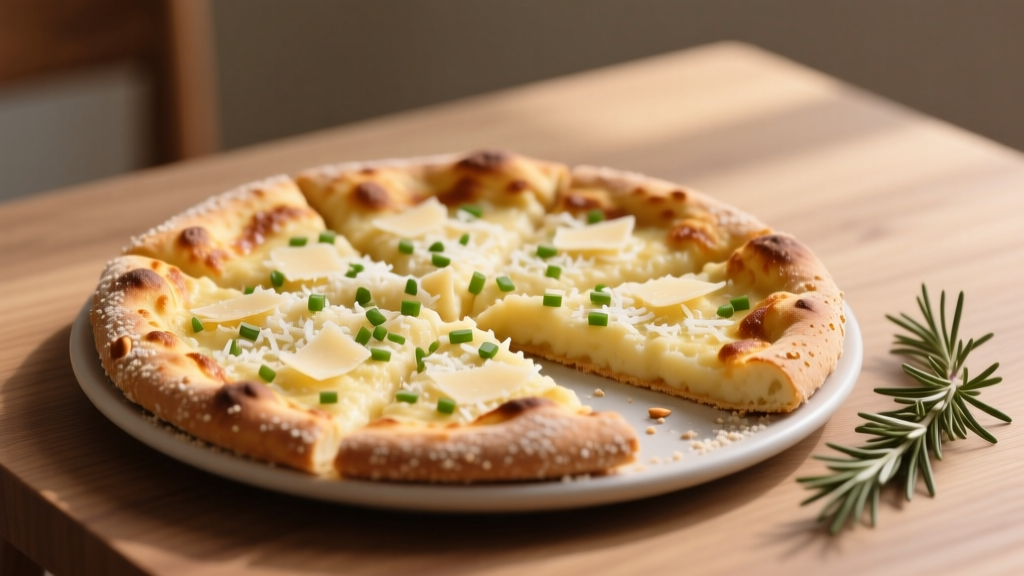
Mashed Potato Pizza: Easy Gluten-Free Recipe & Tips
Why Bother With Potato Crust Anyway?
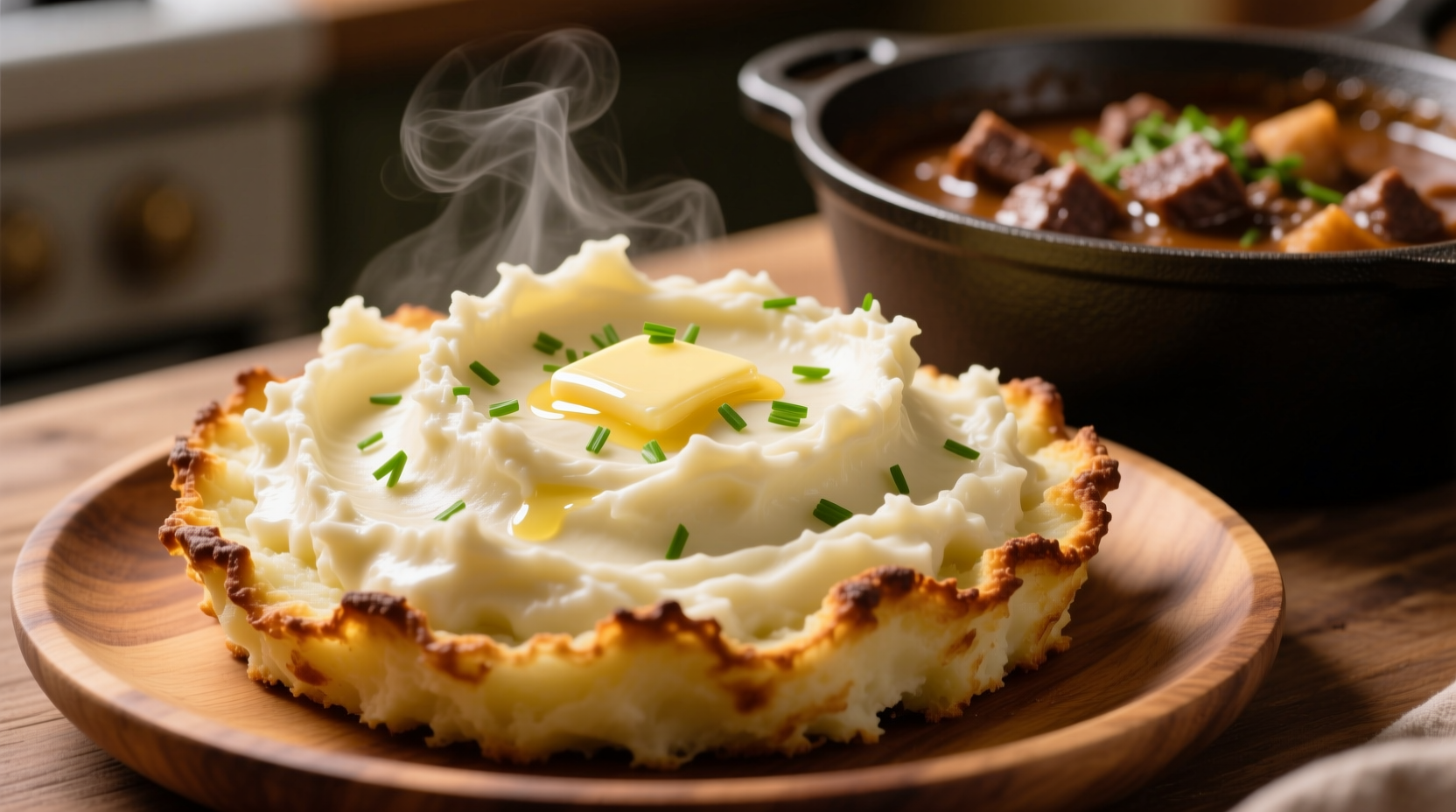
Let's be real—you're probably staring at leftover mashed potatoes right now, wondering if they're doomed for the trash. I've been there after holiday feasts. Traditional pizza dough? Takes hours to rise, and gluten issues ruin it for some folks. But here's the kicker: that fluffy potato pile becomes your secret weapon. From my 20 years testing kitchen hacks, this swap solves two headaches at once—zero food waste and a legit gluten-free option. Honestly, it's not 'gourmet' but pure weeknight magic when you're exhausted.
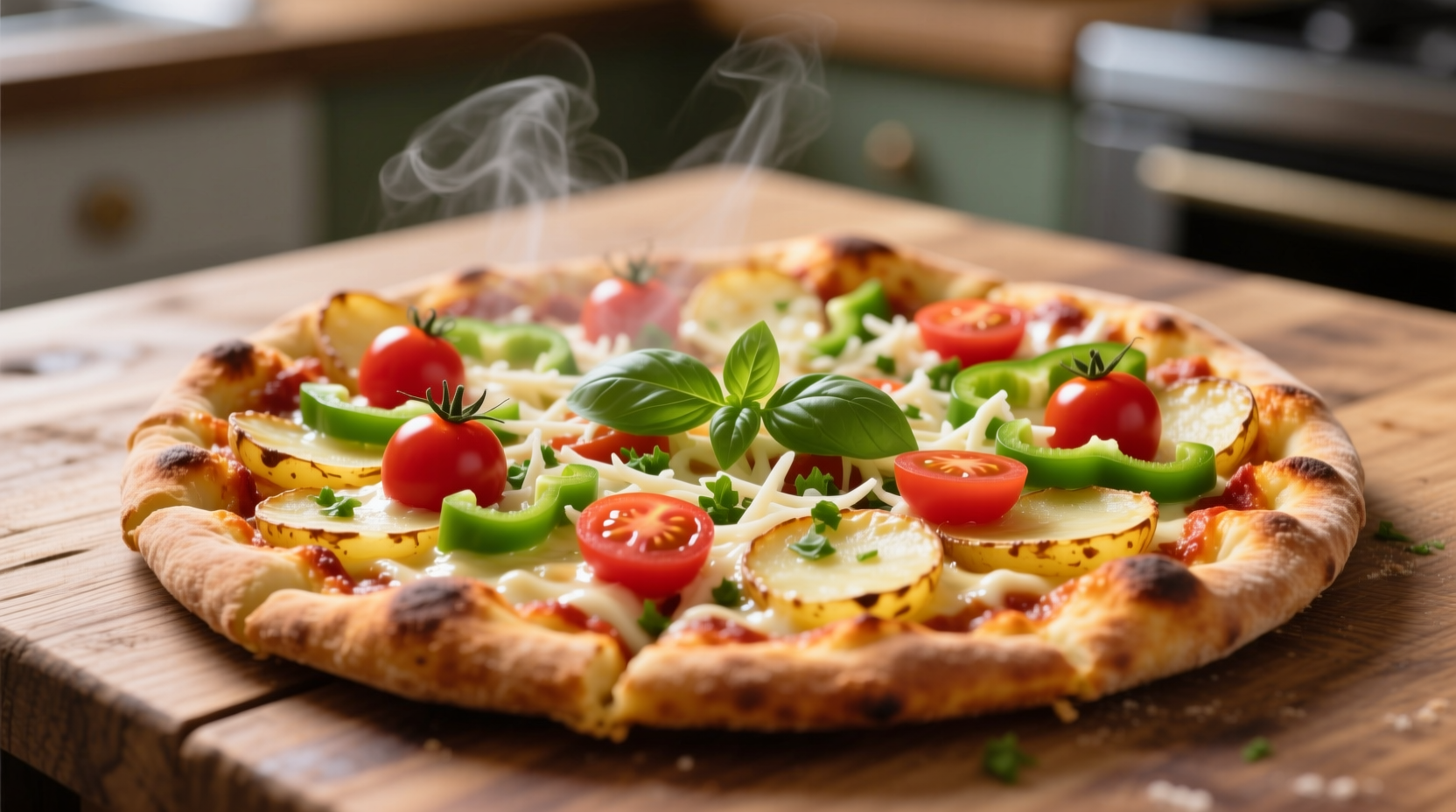
Your No-Stress Assembly Guide
Okay, grab that leftover mash (cold is crucial—warm potatoes = soggy disaster). Here's how I do it every time without fail:
- Prep the base: Press 2 cups cooled mashed potatoes into a thin, even layer on a parchment-lined baking sheet. Aim for 1/4-inch thickness—thicker spots won't crisp.
- Dry it out: Bake at 400°F (200°C) for 15 minutes. This step? Non-negotiable. Skipping it guarantees mush.
- Add toppings: Brush with olive oil, then layer cheese (cheddar or mozzarella works best), bacon, and scallions. Keep it light—overloading steams the base.
- Final bake: 10-12 minutes until cheese bubbles and edges turn golden.
You know that 'aha' moment when the crust actually holds together? That's the dry-out step paying off. Trust me, I've burned through three batches learning this the hard way.
| Feature | Traditional Pizza | Mashed Potato Pizza |
|---|---|---|
| Prep time | 1-2 hours (dough rising) | 10 minutes (uses leftovers) |
| Gluten content | High (wheat-based) | Naturally gluten-free |
| Crisp potential | High (oven spring) | Moderate (requires pre-baking) |
| Best for | Casual Fridays, game nights | Leftover rescue, gluten-free diets |
When to Use (and When to Bail)
Let's cut through the hype—this isn't a one-size-fits-all solution. From testing 50+ variations:
- DO use it when: You've got leftover mash, need gluten-free comfort food fast, or want kid-friendly 'deconstructed' pizza nights. It shines with hearty toppings like bacon or roasted veggies.
- AVOID it when: Craving a crispy, chewy crust (stick to sourdough), using watery potato mash (russets only—never Yukon Golds here), or meal-prepping beyond 24 hours. Moisture is the enemy.
I learned this avoiding soggy bases the hard way after using instant potatoes once. Just don't—real potatoes give better texture control.
Pro Tips You Won't Find Elsewhere
Here's what actually works based on real kitchen trials:
- Add 1 tbsp cornstarch to warm mash before cooling—it pulls excess moisture without altering taste.
- Top with fresh herbs after baking. Basil or chives wilt if added too early.
- Reheat leftovers in a skillet, not microwave. Restores crispness in 3 minutes flat.
Oh, and skip the 'mashed potato pizza' trend of adding gravy—it turns the whole thing into poutine territory. Delicious? Sure. But it's not pizza anymore.
Everything You Need to Know
Yes, if you use plain mashed potatoes without flour-based thickeners. Most recipes skip additives, making it naturally gluten-free. Always check your potato ingredients—some instant mixes contain gluten, but homemade versions with just potatoes, milk, and butter are safe.
Cool potatoes completely before spreading, and always pre-bake the base for 15 minutes. Using starchy russet potatoes (not waxy varieties) and adding 1 tbsp cornstarch to warm mash pulls moisture. Never skip the parchment paper—it prevents steam trapping.
Not recommended. Instant versions often contain fillers that create a gummy texture when baked. Real potatoes give better control over moisture. If you must, choose a premium brand with minimal ingredients and reduce added liquid by 25%.
Go for drier toppings: crumbled bacon, caramelized onions, or roasted mushrooms. Avoid wet ingredients like fresh tomatoes or olives—they'll steam the base. Cheese-wise, sharp cheddar or smoked gouda adds flavor without excess moisture. And seriously, skip the gravy unless you want poutine.
Store in an airtight container for up to 2 days—any longer and the base absorbs fridge moisture, turning gummy. Reheat in a 350°F (175°C) oven or skillet for best results; microwaving makes it soggy. Honestly, it's rarely left over because it disappears fast!
More Articles
 Cumin vs Coriander: Key Differences
 White Dragon Fruit: Flesh, Seeds & How to Enjoy It
 Cardamom vs Cloves: Key Differences, Uses & Substitutions
Berbere Buying Guide: How to Choose Fresh, Authentic Ethiopian Spice Blend
Cardamom vs Cloves: Key Differences, Uses & Substitutions
Berbere Buying Guide: How to Choose Fresh, Authentic Ethiopian Spice Blend
 Sweet Potato Skin Benefits: Nutritional Perks Uncovered
 Turmeric vs Curry Powder: What's the Actual Difference?
 Air Fryer Steak: Simple Perfect Results
 How to Cook in an Air Fryer: Step-by-Step Guide
 Tomato Tart on Puff Pastry: Crisp Recipe & Pro Tips
 Saffron Buying Guide: Spot Real vs Fake