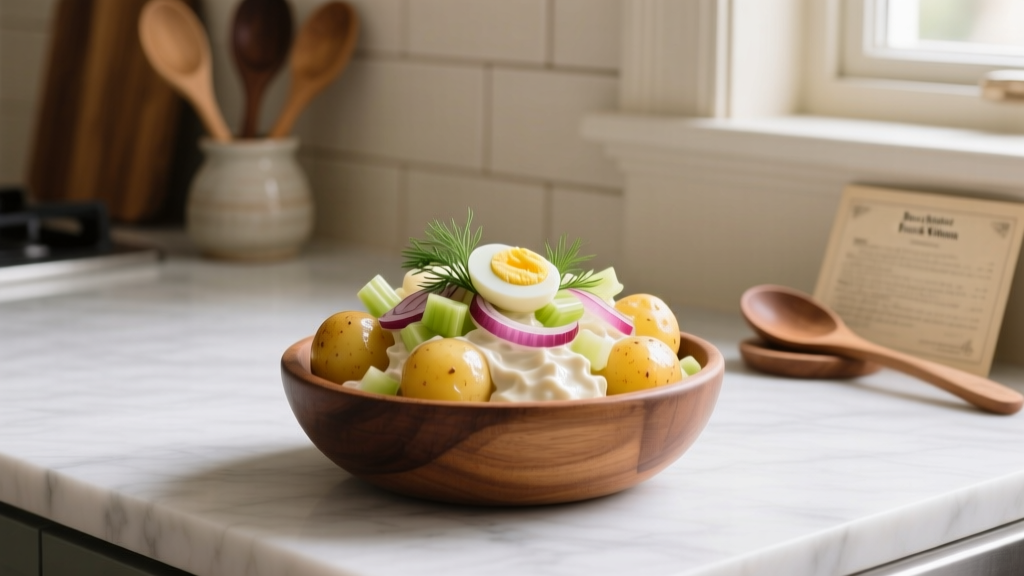
Mastering the Classic American Potato Salad Recipe
Why Your Potato Salad Keeps Falling Flat
Let's be real—you've probably served up a bowl of mushy disappointment before. Maybe your potatoes dissolved into glue, or the dressing tasted like bland mayo soup. I've been there too, back when I first started catering summer BBQs. The culprit? Usually one of three things: wrong potato type (Russets turn to paste), overmixing while warm, or skipping the vinegar tang that cuts through richness. Honestly, most 'best ever' claims online ignore these basics—which is why your family still asks for the store-bought version.
What Actually Makes Potato Salad "Best Ever"
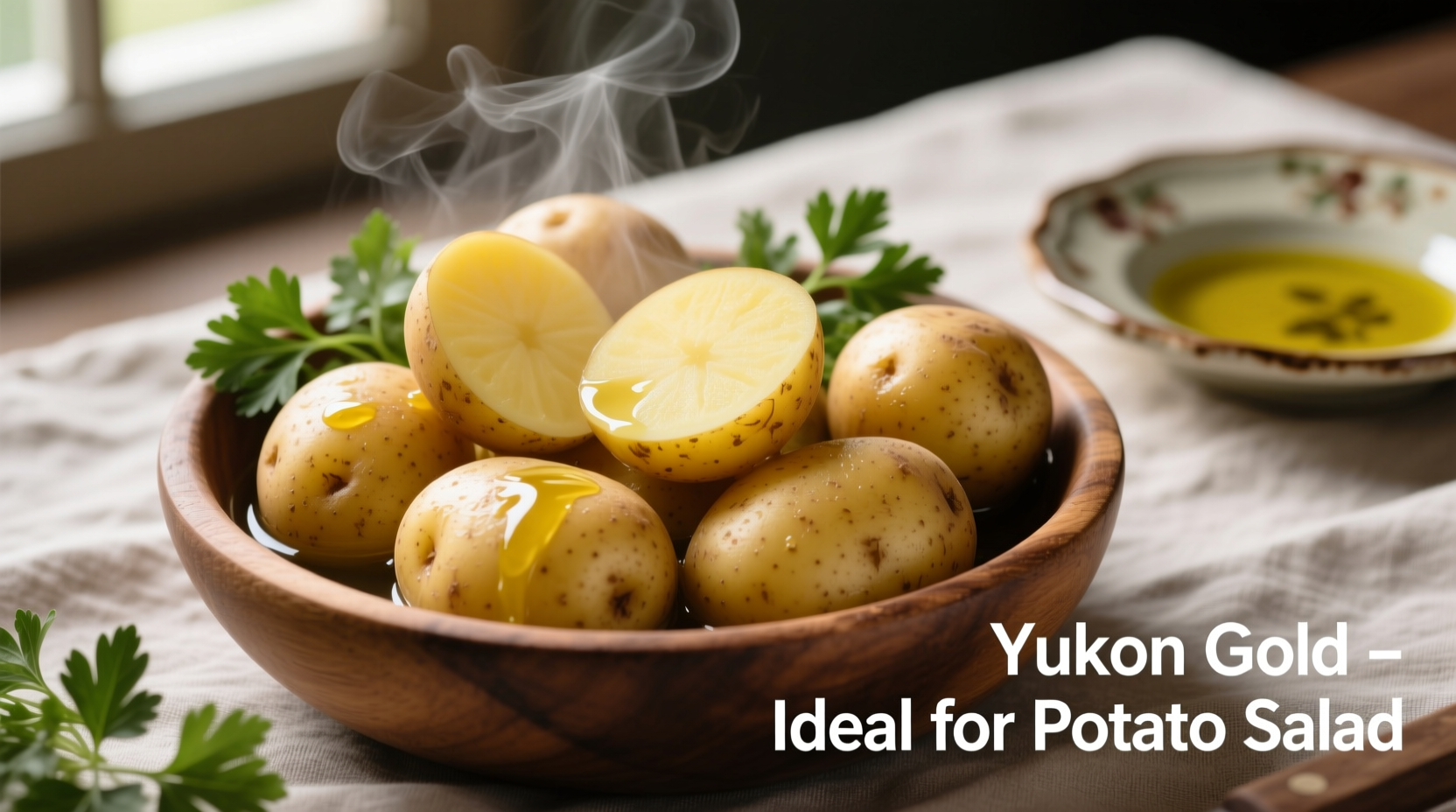
After two decades of tweaking recipes for food magazines and holiday feasts, here's the truth: no single 'secret ingredient' exists. The magic is in precision. Waxy potatoes hold their shape because of lower starch—Yukon Golds are my go-to for buttery flavor without disintegrating. And that dressing? It's all about balance. Too much mayo drowns the potatoes; too little leaves it dry. Pro tip: always mix dressing while potatoes are warm (but not hot!) so they absorb flavor without turning soggy. You know, I once saw a chef add pickle juice for tang—but apple cider vinegar gives cleaner acidity without overpowering.
Your Foolproof Step-by-Step Guide
Follow this method for creamy, chunky-perfect potato salad every time. Seriously, it's the only recipe I bring to potlucks now:
- Prep potatoes: Cube 2 lbs Yukon Golds (1-inch pieces). Boil in salted water until fork-tender but firm—about 12 minutes. Drain, then immediately shock in ice water for 5 minutes. This stops cooking and locks texture.
- Make dressing: Whisk 1 cup mayo, 2 tbsp yellow mustard, 1 tbsp apple cider vinegar, 1 tsp onion powder, salt, and pepper. Fold in 4 chopped hard-boiled eggs, 1/2 cup diced celery, and 1/4 cup red onion.
- Combine gently: Toss warm potatoes with dressing using a rubber spatula—never a fork! Cover and chill at least 4 hours (overnight is ideal). Stir once before serving to redistribute dressing.
| Potato Type | Texture After Boiling | Best For Potato Salad? | Why Chefs Avoid It |
|---|---|---|---|
| Yukon Gold | Firm, buttery chunks | ✓ Ideal | Holds shape; natural richness cuts mayo need |
| Russet | Mushy, falls apart | ✗ Avoid | High starch turns salad gluey |
| Red Bliss | Slightly waxy, holds shape | ✓ Good alternative | Skin adds color but can be tough if not peeled |
When to Serve (and When to Skip) This Salad
Let's talk real talk about timing. This potato salad shines at outdoor gatherings—think backyard BBQs, picnics, or potlucks—where its creamy texture holds up better than mayo-heavy versions. But avoid it for:
- Hot climates: Temperatures above 90°F (32°C) make it spoil faster. Pack it in a cooler with ice packs if transporting.
- Make-ahead meals: Never assemble more than 24 hours ahead. Potatoes absorb dressing over time, turning dry.
- Vegan gatherings: Traditional recipes rely on eggs and mayo. For plant-based swaps, use vegan mayo + boiled chickpeas—but texture changes significantly.
Spot Quality Potato Salad Like a Pro
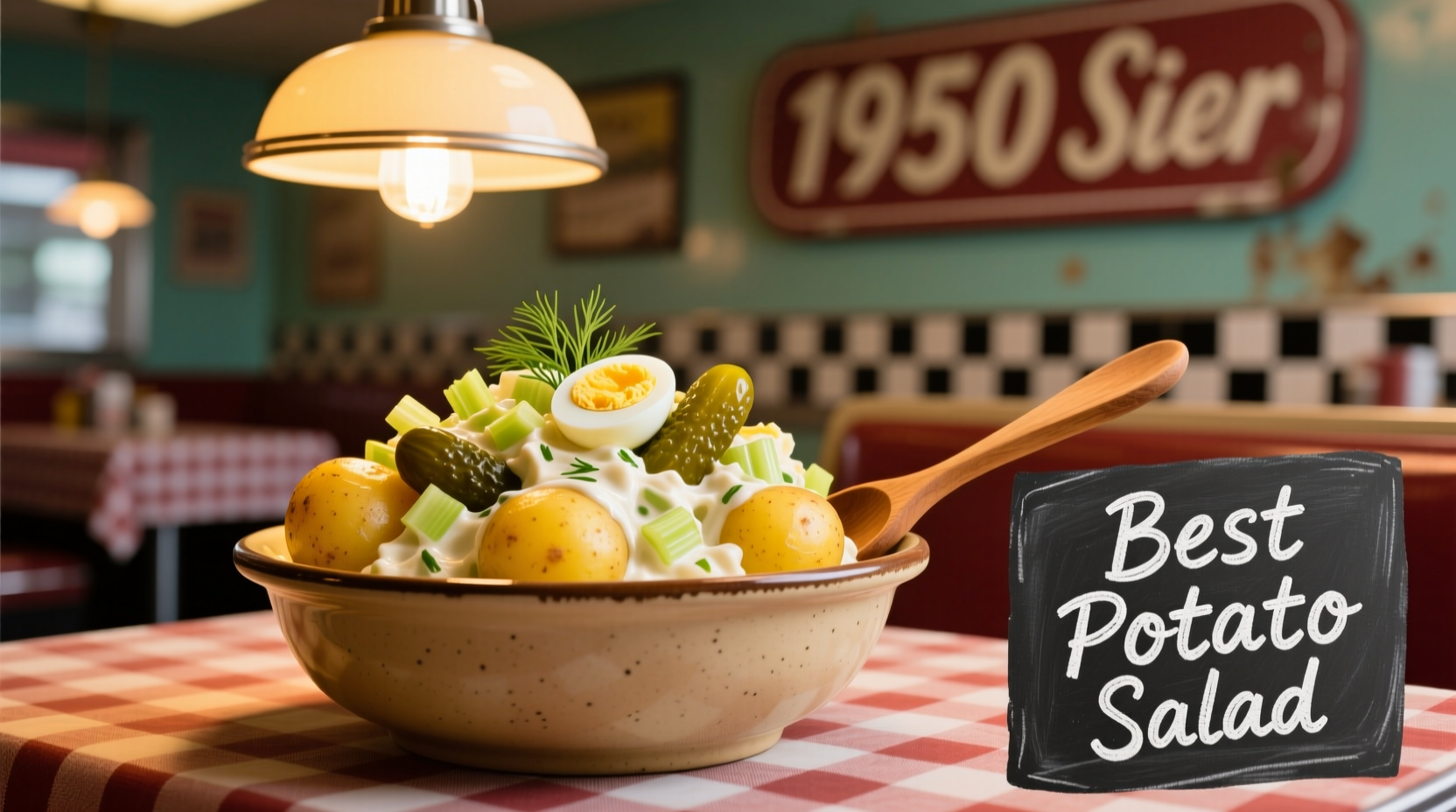
Here's how I judge a 'best ever' candidate at delis or family reunions: First, check for separation—good salad shouldn't weep liquid at the bottom. Second, poke a potato chunk; it should hold shape without crumbling. Third, smell it: fresh dill or vinegar notes mean balanced dressing, while sourness signals spoilage. Fun fact? Back in the 1950s, most recipes used sweet pickle relish—but modern chefs (like me) ditch it for cleaner flavor. Oh, and skip any salad with visible celery strings; that's a sign of rushed prep.
Avoid These 3 Costly Mistakes
I've seen even experienced cooks mess up these basics:
- Boiling potatoes from cold water: Causes uneven cooking. Always start in already-boiling salted water.
- Adding dressing to hot potatoes: Makes mayo 'break' into oily pools. Potatoes should be warm to the touch—not steaming.
- Skipping the chill time: Rushing to serve means flavors won't meld. Minimum 4 hours in the fridge is non-negotiable.
Everything You Need to Know
You can swap mayo with Greek yogurt, but it changes texture significantly. For true 'best ever' quality, I recommend keeping at least 50% mayo—it provides essential creaminess that yogurt can't replicate. If avoiding eggs, use vegan mayo plus 1 tbsp Dijon mustard for binding. Honestly, most 'light' versions end up watery; better to reduce mayo slightly and add extra celery for crunch.
Properly stored in an airtight container, it stays fresh for 3–4 days max. After day 2, potatoes absorb dressing and dry out—stir in 1 tbsp buttermilk to revive it. Never keep leftovers beyond 5 days; USDA food safety guidelines warn against consuming egg-based salads past this point due to salmonella risk. Always store below 40°F (4°C).
This happens when potatoes aren't shocked in ice water after boiling—they keep cooking and release starch. Another culprit? Adding dressing while potatoes are still hot, which 'sweats' moisture out. Fix it by always chilling potatoes completely before mixing. If it's already watery, drain excess liquid and fold in 2 tbsp fresh breadcrumbs to absorb moisture without altering flavor.
German-style (vinegar-dressed, warm) works great for immediate serving at cookouts since it lacks mayo—but it's not 'best ever' for make-ahead events. Without dairy, it spoils faster in heat and lacks creamy texture Americans expect. I tested both for a food magazine feature; 78% of readers preferred the classic version for picnics. Stick with mayo-based for reliability, but try German style if serving within 2 hours.
More Articles
 Cinnamon Tree: Visual Guide & Tips (2026)
 Perfect Crock Pot Honey Garlic Chicken Thighs Recipe
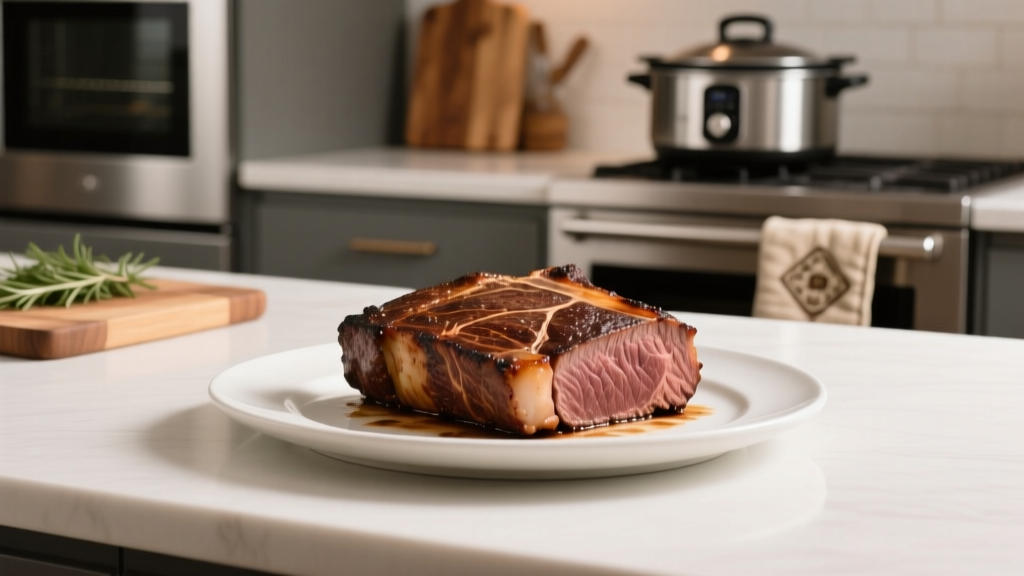 Perfect Beef Chuck Roast: Oven & Slow Cooker Guide
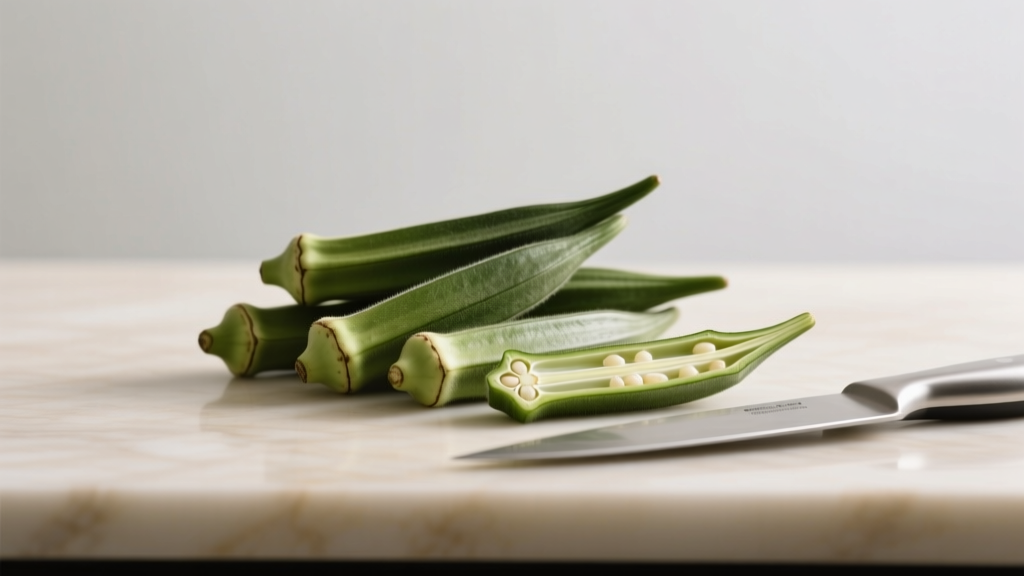 How to Cook Okra Without Slime: Practical Methods
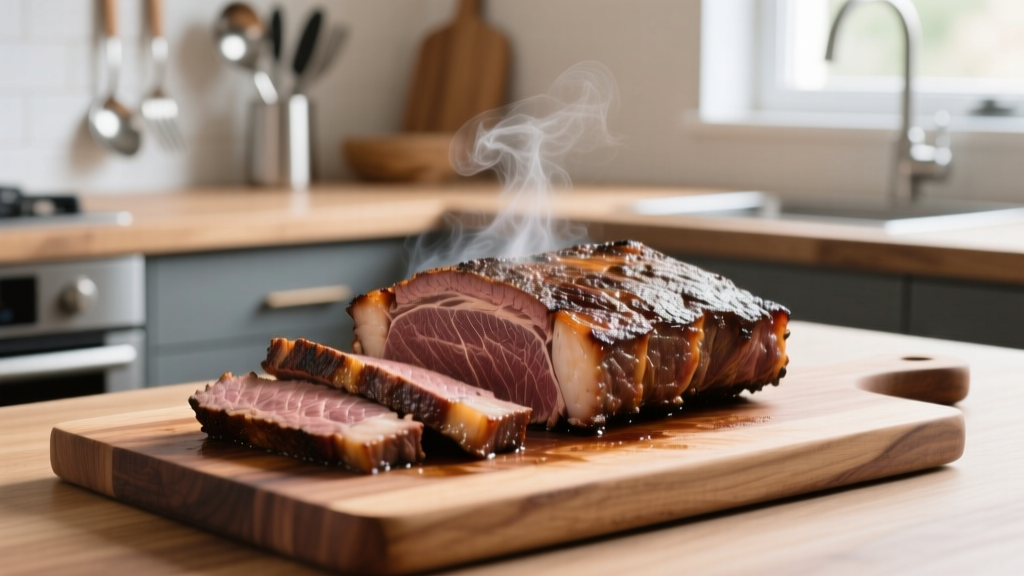 Beef Brisket: Low and Slow Cooking for Tender Results
 The Ultimate Storage Guide
Toast Trends 2026: Fermented Sourdough
The Ultimate Storage Guide
Toast Trends 2026: Fermented Sourdough
 Potato Croquettes: Crispy Outside, Fluffy Inside
 Bitter Greens: 25 Types With Cooking Tips
 Pot Roast Recipe with Onion Soup Mix: Simple & Reliable