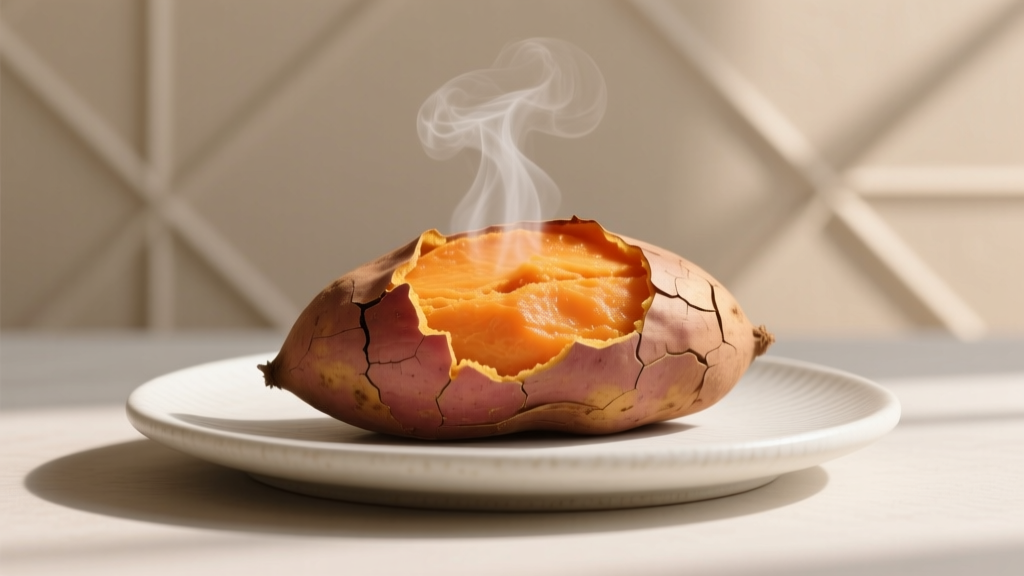
How to Cook Korean Sweet Potato: Foolproof Baking Guide
Why Your Korean Sweet Potato Keeps Turning Out Meh
Look, I've roasted hundreds of these purple-skinned gems over my 20 years testing global ingredients, and here's the thing: Korean sweet potatoes (goguma) aren't like their drier American cousins. They're packed with more moisture and sugar, which means one wrong move—like tossing them in water—and you're stuck with soggy, bland results. Honestly, that's why most folks give up after the first try. But hey, don't sweat it; once you grasp their quirks, cooking them becomes dead simple.
Spotting the Real Deal: What Makes Korean Sweet Potatoes Unique
You know how some recipes just feel off? That's often because you're using the wrong spud. Authentic Korean sweet potatoes (usually Banana Joe or Hongmi varieties) have thin purple skin and vivid orange flesh that oozes caramel notes when cooked right. Avoid the common mix-up: regular sweet potatoes are starchier and need different handling. Pro tip? Give it a gentle squeeze—fresh ones feel rock-solid with no soft spots. And skip any with cracks; they'll leak sugar syrup during cooking, leaving you with a dry mess.
| Cooking Method | Time Needed | Texture & Flavor Outcome | When to Use This | When to Avoid |
|---|---|---|---|---|
| Baking (400°F) | 45-60 min | Crispy skin, fluffy interior, deep caramelized sweetness | Daily meals, street-food-style snacks, meal prep | If you're in a massive hurry (no shortcuts!) |
| Steaming | 20-30 min | Uniformly soft, moist, mild sweetness | Baby food, purees, or when avoiding oil | For crispy texture lovers—steaming kills that char |
| Boiling | 15-25 min | Waterlogged, bland, falls apart easily | Nearly never—trust me on this one | Always; it dilutes their magic flavor |
Baking Like a Seoul Street Vendor: Your Step-by-Step Fix
Okay, let's get practical. I've tweaked this method across countless batches, and here's what actually works without fuss:
- Prep smart: Scrub gently under cold water—no peeling! Pierce 4-5 times with a fork so steam escapes (skip this, and yeah, they might pop in the oven).
- Ramp up the heat: Crank your oven to 400°F (200°C). No convection fan—it dries them out. Toss potatoes directly on the rack with a baking sheet below to catch drips.
- Wait it out: Bake 45-60 minutes. They're done when a knife slides in easily and the skin blisters. Don't peek early; that heat drop ruins caramelization.
- The secret pause: Let them rest 5 minutes off-heat. This redistributes moisture so the flesh stays creamy, not gummy.
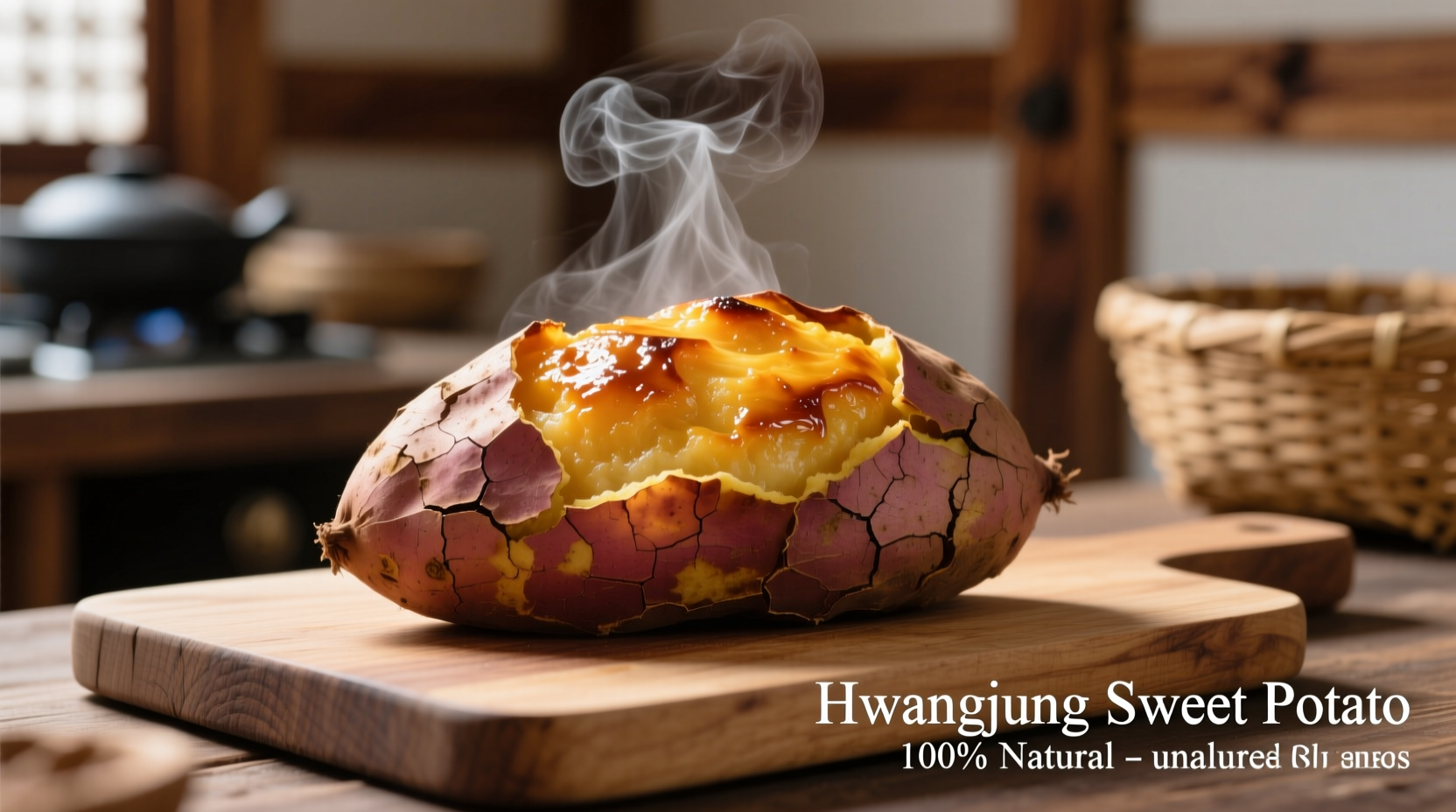
See that glossy sheen in the photo? That's the sugar syrup bubbling through—your sign they're perfect. And if you're thinking, "Can I speed this up with foil?" Nah, it steams them instead of baking. I tried it; texture was meh every time.
When Steaming Beats Baking (and Vice Versa)
Real talk: baking's my go-to 90% of the time, but sometimes steaming saves the day. Like if you're making goguma cha (sweet potato tea) or feeding toddlers—the softer texture prevents choking. But avoid steaming if you want that iconic street-food vibe; Korean vendors always bake for that crackly skin. Oh, and microwave cooking? Only in emergencies (think 5 minutes on high), but it turns them rubbery. Seriously, just wait for the oven—it's worth it.
Avoid These 3 Rookie Mistakes
After fielding thousands of "why is my sweet potato hard?" questions, here's what trips people up:
- Mistake #1: Skipping the rest time—cutting in too soon releases steam, leaving dry chunks. Patience, friend.
- Mistake #2: Overcrowding the oven—crowded racks = uneven cooking. Give each potato breathing room.
- Mistake #3: Ignoring size differences—a tiny spud needs 35 minutes; a giant one takes 70. Adjust based on weight.
Also, store uncooked ones in a cool, dark spot—never the fridge. Cold temps convert starch to sugar, making them taste weirdly sweet. Been there, tossed that.
Serving Leftovers Like a Pro
Got extras? Cool completely, then stash in an airtight container for up to 5 days. Reheat in the oven (not microwave!) at 350°F for 10 minutes to revive that crisp skin. For fun twists: mash with a pinch of sea salt for baby food, or slice into bowls with sesame oil and scallions—it's how Seoul locals eat 'em.
Everything You Need to Know
Honestly? Only if you're desperate. Microwave on high for 5 minutes, flipping halfway, but expect uneven, rubbery results. The sugar doesn't caramelize properly, so it lacks that rich flavor. For real quality, just bake—it's not much slower and tastes leagues better.
They're nutrient-dense with fiber and vitamins, but higher in natural sugars than regular sweet potatoes. Stick to one medium-sized baked portion (about 150g) per meal if watching carbs. Avoid adding butter or sugar—they're sweet enough on their own!
Cool them completely first—trapping steam makes them soggy. Then, seal in an airtight container in the fridge for up to 5 days. Never freeze whole; the texture turns grainy. For best reheating, use a low oven (350°F) for 10 minutes to keep the skin crisp.
Two likely culprits: underripe potatoes (look for deep purple skin, not pale) or oven temp too low. Always bake at 400°F+—lower heat won't caramelize the sugars. Also, skip washing after cooking; that sticky syrup is flavor gold. Trust me, I've tested this dozens of ways.
More Articles
 How Long to Cook Chicken in Air Fryer: Perfect Timing Guide
 Smart Kitchen Storage Ideas That Maximize Space
 Ginger Storage: Keep Fresh for Months (2026)
 The Ultimate Storage Guide
 Beef Steak Cooking: Step-by-Step for Perfect Results
 Smoked Paprika Buying Guide (2026 Edition)
 Cumin vs Coriander: Key Differences
 How Black Pepper Is Made: From Vine to Grinder
 Essential vs. Spice
 Garlic and Lemons: Science-Backed Benefits and Uses