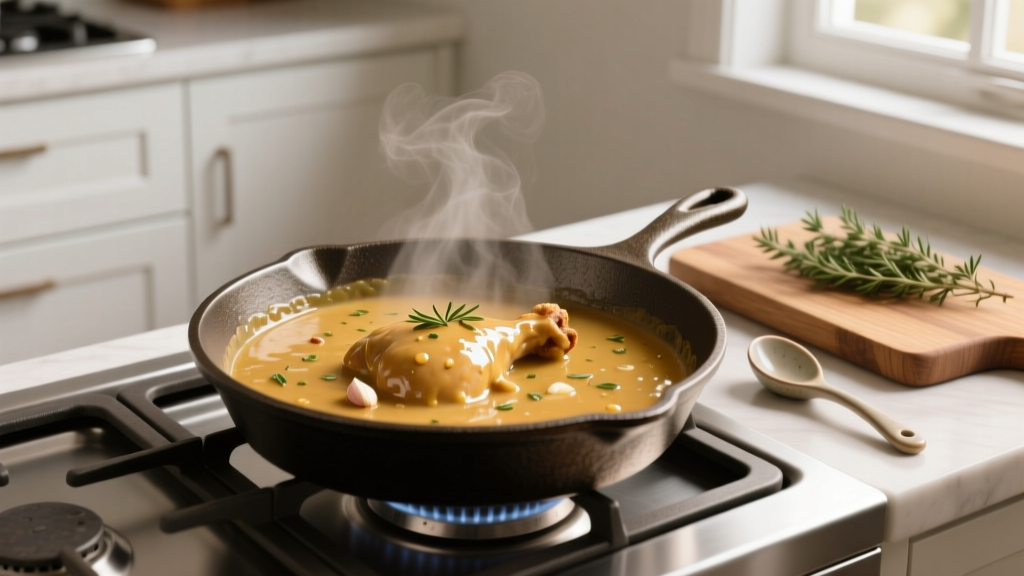
How to Cook Chicken Gravy: Simple Steps for Perfect Results
Why Your Chicken Gravy Fails (And How to Fix It)
Let's be real—you've probably ended up with lumpy, bland gravy more times than you'd admit. I've been there too, after roasting countless chickens for Sunday dinners. The truth? Most folks rush the roux or dump in cold liquid all at once. Honestly, it’s not your fault; recipes often skip the why behind the steps. But once you grasp how fats, flours, and heat interact, gravy becomes dead simple. You know that rich, glossy finish on diner-style roast chicken? That’s achievable at home—and it starts right in your pan after the bird comes out.
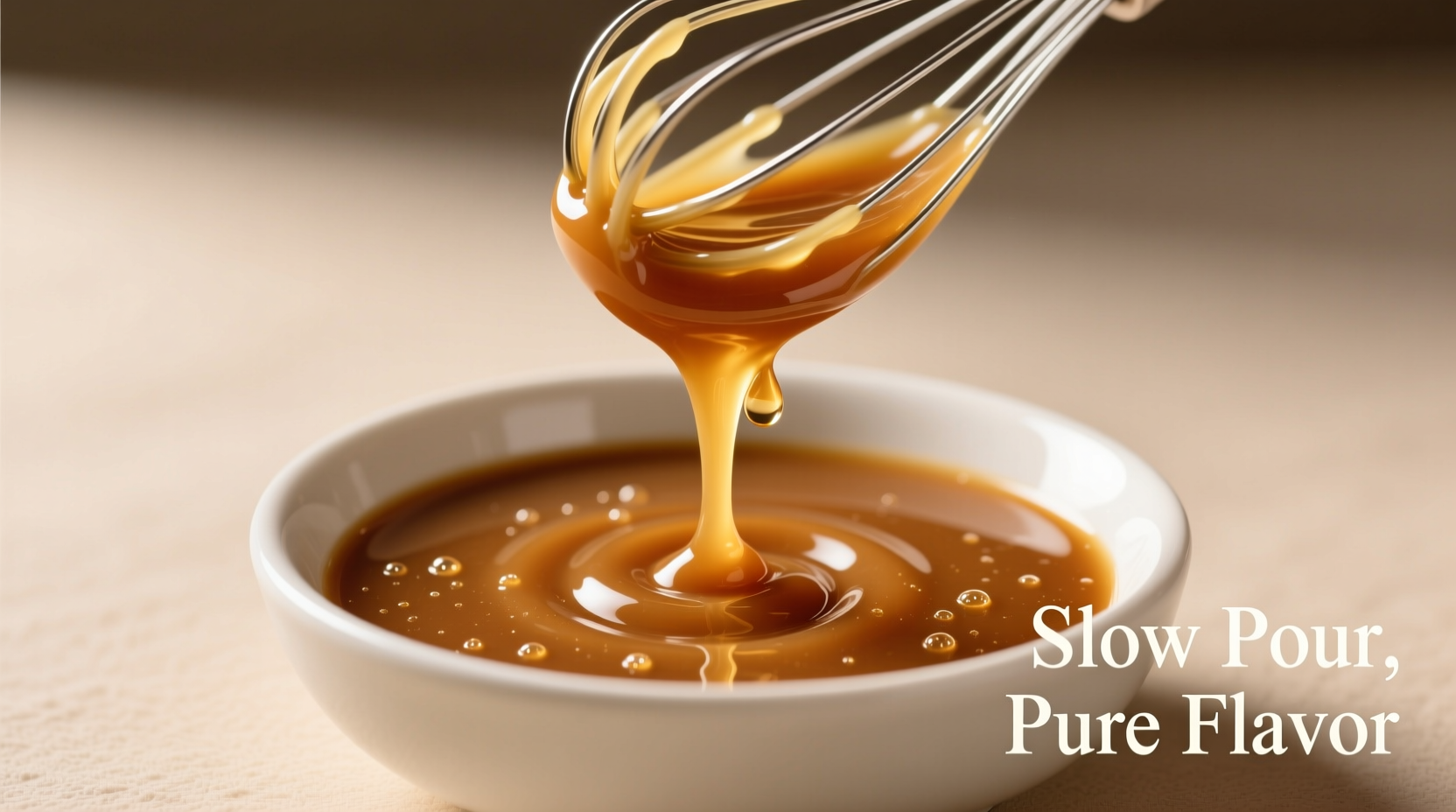
Your Step-by-Step Gravy Game Plan
Forget complicated methods. After two decades of tweaking this, I swear by this foolproof sequence. It works whether you’ve got drippings from a 5-lb roast or just cooked chicken breasts. Here’s how to nail it every time:
- Reserve drippings: After roasting chicken, pour off excess fat (keep 3–4 tbsp). Too much fat = greasy gravy.
- Build the roux: Melt reserved fat over medium heat. Whisk in 3 tbsp all-purpose flour until smooth and bubbly (1–2 minutes). Don’t brown it—that’s for beef gravy.
- Add liquid slowly: Gradually pour in 2 cups warm chicken broth while whisking nonstop. Cold broth = instant lumps. Seriously, take 60 seconds to do this part.
- Simmer and season: Cook 5 minutes until thickened. Stir in salt, black pepper, and 1 tsp fresh thyme. Taste and adjust—gravy should complement, not overpower, the chicken.
Pro tip: If you’re out of drippings, use 2 tbsp butter + 2 tbsp oil as your fat base. And always warm your broth first—microwave it for 90 seconds. Trust me, this tiny step prevents 90% of disasters.
| Thickener Method | Best For | When to Avoid | Texture Result |
|---|---|---|---|
| Roux (fat + flour) | Traditional roast chicken dinners | Gluten-free diets | Rich, velvety mouthfeel |
| Slurry (cornstarch + cold water) | Quick weeknight meals | Dishes needing long simmering (breaks down) | Glossy but slightly "slick" |
| Reduction (simmering broth) | Low-sodium diets | When drippings are scarce | Intense flavor but thinner body |
When to Pivot Your Approach (Real Talk)
You might think "one size fits all," but gravy’s got boundaries. Here’s what I’ve learned from testing hundreds of batches:
- Use roux for roast chicken: The fond (browned bits) in your pan adds depth you can’t fake. Skip it for stir-fries—slurry works better there.
- Avoid cornstarch with acidic ingredients: Lemon or wine in your pan? Cornstarch turns gummy. Stick with flour roux.
- Never add salt upfront: Drippings vary in saltiness. Season at the end after tasting—most beginners oversalt here.
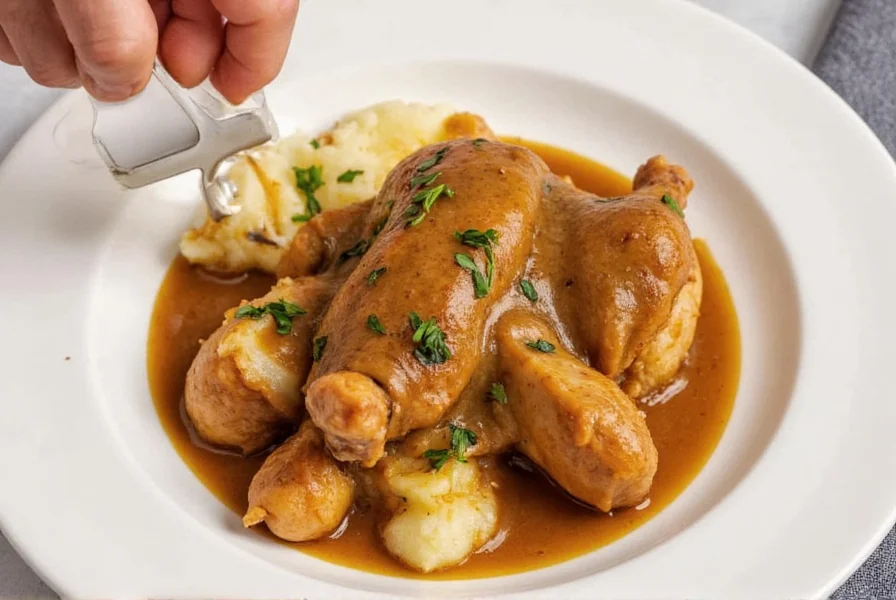
3 Mistakes That Ruin Gravy (And How to Dodge Them)
Even seasoned cooks slip up. From my kitchen disasters:
- Mistake #1: Rushing the roux – Undercooked flour tastes raw. Whisk until it bubbles like wet sand (about 90 seconds).
- Mistake #2: Ignoring temperature – Cold broth hitting hot roux = lumps city. Warm liquids only, folks.
- Mistake #3: Over-reducing – Simmering >10 minutes makes gravy gluey. Set a timer!
Oh, and about white pepper? Older chefs swore by it for "clean" color, but nowadays most home cooks prefer black pepper’s earthy kick. I use both—a pinch of white for smoothness, black for aroma.
Everything You Need to Know
Absolutely. Melt 2 tbsp butter with 1 tbsp oil as your fat base. For depth, add 1 tsp soy sauce to the roux—it mimics roasted flavors without drippings. Just skip if you're avoiding gluten; use cornstarch slurry instead.
Store cooled gravy in an airtight container for up to 4 days in the fridge. Reheat gently over low heat—boiling makes it separate. Freezing? Portion into ice cube trays; it keeps 3 months. Thaw overnight before reheating.
It's not diet food, but you can lighten it. Use low-sodium broth and skip extra salt—the drippings add enough. For fewer calories, replace half the fat with unsalted chicken stock. One serving (¼ cup) typically has 80–100 calories.
Make a quick slurry: Mix 1 tbsp cornstarch with 2 tbsp cold water. Whisk into simmering gravy. For flour-based gravy, cook 2–3 minutes longer—heat thickens it naturally. Never add dry flour directly; it’ll clump.
Yes, but it changes the flavor profile. Vegetable broth makes a lighter, sweeter gravy that pairs well with herb-roasted chicken. For richer taste, add 1 tbsp nutritional yeast to mimic umami. Avoid if serving with traditional roast chicken—it clashes with savory notes.
More Articles
 Garlic Naan Bread: Truths, Recipe & When to Use It
 Does Ginger Beer Expire? Shelf Life Explained
 Quick Pickled Red Onions: 5-Min Prep, Ready in 30 Minutes
 How to Cook Salmon in a Frying Pan: Simple Steps for Perfect Results
 Where to Buy Cinnamon Tree: Complete Guide for 2025
 Garlic Focaccia Bread: Perfect Recipe & Pro Tips
 Lentils Nutrition Facts: Complete Profile & Health Benefits
 Zee Ginger: Understanding the Botanical Name for Common Ginger
 Tripe Soup: Global Traditions and Preparation Guide
 Tomato Soup for Grilled Cheese: Simple Recipe & Tips