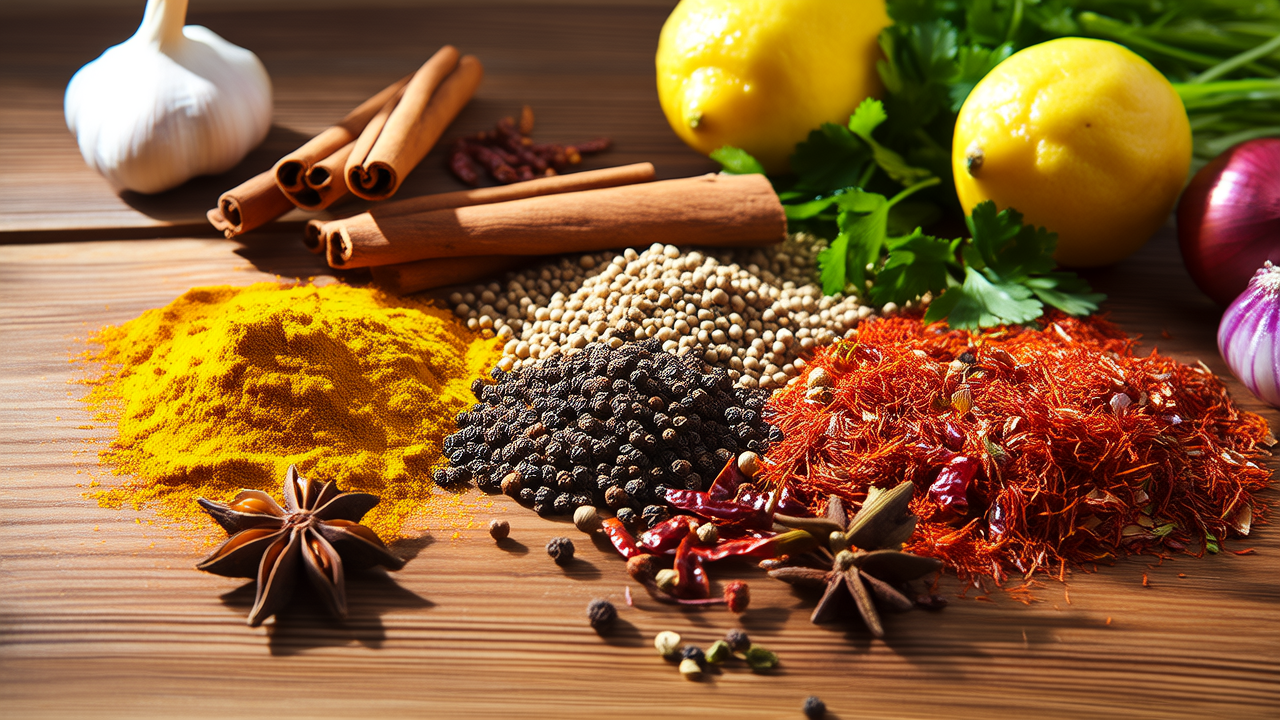
How to Repair Five Spice: A Practical Culinary Guide
Five-spice repair is the process of correcting a blend that has gone flat, too sweet, bitter, clumped, or harsh. Five-spice blends lose brightness when star anise, cinnamon, fennel, cloves, and Sichuan peppercorns are exposed to heat, light, air, or moisture. A blend may taste dusty, one-dimensional, overly candy-like, numbing in a bad way, or difficult to sprinkle because moisture has formed tiny clumps. Repairing five-spice does not require throwing it away. You can refresh it by re-toasting gently, adjusting the ratio, adding a small amount of newly ground components, drying clumps, and matching the blend to the dish. Use a baseline of 50 percent star anise, 20 percent cinnamon, 15 percent fennel, 8 percent cloves, and 7 percent Sichuan peppercorns, then taste and adjust by one-fourth teaspoon per two tablespoons. Brands like McCormick, Penzeys, The Spice House, Burlap & Barrel, and Diaspora Co. each lean differently, so know your starting point before correcting it.
Why Five-Spice Blends Need Repair
A five-spice blend is a small perfume bottle for food. Its character comes from volatile oils: trans-anethole in star anise and fennel, cinnamaldehyde in cinnamon, eugenol in cloves, and hydroxy-alpha-sanshool in Sichuan peppercorns. These compounds evaporate at room temperature, oxidize when exposed to air, and fade faster when stored near a stove, sink, or sunny windowsill. Pre-ground five-spice usually gives its best aroma for six to twelve months, while whole components can remain useful for two to three years when stored in airtight containers away from light. Once the top notes disappear, the blend can still smell like cinnamon or licorice, but the dish loses the layered lift that makes five-spice feel special.
The most common repair situations are easy to diagnose with a taste test. A flat blend tastes like dust. A sweet blend makes braised pork taste like dessert. A bitter blend may have scorched cloves or fennel. A harsh blend can have too much Sichuan peppercorn or old peppercorn with pithy bitterness. A clumped blend has absorbed moisture from a spoon, a steamy kitchen, or a badly sealed jar. Each problem has a different fix, and the fix is usually a small adjustment made in a measured batch rather than a dramatic overhaul.
How to Repair Five-Spice When It Tastes Flat
A flat five-spice blend usually means the aromatic oils have faded unevenly. Star anise and fennel lose top notes first, then cinnamon dulls, while cloves can become a rough, medicinal floor. Start by smelling the blend in a small bowl. If the scent is weak or one-dimensional, do not simply add more of the same old powder. Add freshly ground components in small amounts and re-bloom the blend with gentle dry heat.
Refresh the aromatic backbone
For a two-tablespoon batch of five-spice, add one-fourth teaspoon of freshly ground star anise and one-eighth teaspoon of freshly ground fennel. Use a clean dry skillet over medium-low heat, about 275 to 300 degrees Fahrenheit, and toast the mixture for 60 to 90 seconds while stirring constantly. The goal is not browning; it is gentle warming to release trapped oils. Remove from the pan immediately, cool for five minutes, then grind again in a mortar and pestle or clean spice grinder for 10 to 15 seconds. Taste on a spoon of warm broth or on a slice of steamed chicken before adding more.
- Too little anise lift: add one-eighth teaspoon ground star anise per two tablespoons.
- Too little green warmth: add one-eighth teaspoon ground fennel per two tablespoons.
- Too little clove depth: add one-sixteenth teaspoon ground cloves per two tablespoons.
- Too little cinnamon sweetness: add one-fourth teaspoon ground cinnamon per two tablespoons.
Add a brightening note
When a five-spice blend tastes flat but not stale, it may lack the tingle and citrus-like lift of Sichuan peppercorn. Sichuan peppercorn is not true pepper; it is a dried fruit husk that provides floral aroma and a numbing, tingling sensation. If your blend has none, or if the component is old, you can brighten it by adding one-eighth to one-fourth teaspoon of freshly cracked Sichuan peppercorn per two tablespoons. Crack rather than fine-grind it if you want texture in a dry rub, because too much fine dust can overwhelm delicate proteins like fish or tofu.
- Warm one tablespoon of the blend in a small dry pan for 30 seconds.
- Add one-eighth teaspoon of freshly cracked Sichuan peppercorn.
- Stir off the heat for another 10 seconds to let the husk release its oils.
- Cool completely before storing so condensation does not form inside the jar.
- Use first in a neutral test dish such as poached chicken broth or white rice.
How to Repair Five-Spice When It Is Too Sweet
Too much sweetness usually comes from an overabundance of cinnamon, star anise, or both. In commercial blends, sweetness can be amplified if the cinnamon is a mild cassia, if the star anise is very high in trans-anethole, or if the blend has lost bitter and tingly components. A sweet five-spice can still be delicious on roasted winter squash or baked apples, but it can taste wrong on braised pork, stir-fried vegetables, or red-braised tofu. Repair it by increasing savory, bitter, and numbing notes rather than by adding sugar-cutting acid directly into the dry blend.
Rebalance the sweetness before adding heat
For two tablespoons of an overly sweet blend, add one-fourth teaspoon of ground fennel, one-eighth teaspoon of ground cloves, and one-fourth to one-half teaspoon of cracked Sichuan peppercorn. These components stretch the aroma from one sweet lane into a wider flavor lane. If the blend is still candy-like, add a small amount of ground coriander, about one-fourth teaspoon per two tablespoons, to introduce a milder citrusy note. If the blend is too hot or too numbing, add one-fourth teaspoon of ground star anise to restore the traditional anise-forward structure.
Another fix is dilution. If a batch is too sweet, blend it with a fresh neutral five-spice mix using the baseline ratio: 50 percent star anise, 20 percent cinnamon, 15 percent fennel, 8 percent cloves, and 7 percent Sichuan peppercorn. Start with equal parts old and new blend. Taste after one hour, because ground spices continue to meld. This is safer than trying to fix the entire jar with tiny additions that may create a new imbalance.
How to Repair Five-Spice When It Is Too Bitter, Harsh, or Over-Toasted
Bitterness in five-spice often points to scorched cloves, burnt fennel, or old Sichuan peppercorn. Clove contains eugenol, which is pleasant in tiny amounts but turns medicinal and astringent when overheated. Fennel and star anise can develop a burnt candy bitterness if toasted too long. Sichuan peppercorn husk should smell floral and taste tingling; if it tastes flat, dusty, or sharply bitter, it has likely oxidized. Do not try to mask bitterness with more cinnamon. That usually creates a thick, one-dimensional flavor that still carries the bad note.
For a two-tablespoon batch, dilute the harsh blend with one to two tablespoons of fresh five-spice. Add one-eighth teaspoon of ground star anise and one-eighth teaspoon of ground fennel to rebuild sweetness and lift. If the blend is too numbing or peppery, reduce or omit additional Sichuan peppercorn and add one-sixteenth teaspoon of ground coriander to soften the edge. If the bitter note is strong, discard the blend. A burnt spice mixture can release compounds that no reasonable adjustment will remove.
How to Repair Clumped or Moist Five-Spice
Clumping is a storage problem, not necessarily a flavor problem. Ground spices absorb moisture from the air, especially in kitchens near steam, boiling pots, or dishwashers. A moist blend can also carry mold risk if it smells off, has visible discoloration, or came from a wet spoon. Discard the blend if it smells musty, looks fuzzy, or has been stored for months in a damp environment. If the blend simply clumps but smells correct, repair it with gentle drying and re-grinding.
- Spread the clumped blend on a parchment-lined sheet pan in a thin layer.
- Warm the oven to 150 to 170 degrees Fahrenheit and dry the blend for 10 to 20 minutes.
- Break large clumps with the back of a spoon and stir every five minutes.
- Cool completely before grinding again, because warm powder can trap steam in the jar.
- Store in a small airtight glass jar with a dry spoon, and keep it away from the stove.
If you need a quick fix before cooking, press the clumps through a fine-mesh sieve and add one-fourth teaspoon of uncooked white rice or dried rice grains to the jar. The rice can absorb ambient moisture, but do not add it if the blend is already damp or stored near heat. For long-term storage, a small food-safe desiccant packet works better, as long as it stays sealed and does not touch the spice directly.
How to Repair Five-Spice for Different Cooking Uses
The same repaired blend can taste different in different dishes. A five-spice that is perfect for red-braised pork belly may be too strong for steamed fish and too mild for a dry rub. The repair should match the cooking method. Use the following guide as a starting point for a two-tablespoon batch of repaired five-spice. Adjust by one-fourth teaspoon at a time and taste after resting.
| Cooking use | Best repair direction | Measurement to start | Brand-aware note |
|---|---|---|---|
| Red-braised pork belly | Increase star anise and cinnamon, keep cloves modest | 50 percent star anise, 22 percent cinnamon, 15 percent fennel, 6 percent cloves, 7 percent Sichuan peppercorn | McCormick-style blends often need extra fennel for balance |
| Stir-fried vegetables | Add bright Sichuan peppercorn and reduce sweet cinnamon | 45 percent star anise, 18 percent cinnamon, 18 percent fennel, 7 percent cloves, 12 percent Sichuan peppercorn | Penzeys blends may already be earthy, so add citrusy coriander |
| Roasted squash or carrots | Lean into sweetness but keep a numbing finish | 50 percent star anise, 25 percent cinnamon, 12 percent fennel, 5 percent cloves, 8 percent Sichuan peppercorn | The Spice House-style blends can be anise-forward and pair well with honey |
| Steamed fish or tofu | Reduce clove and cinnamon, increase fennel | 48 percent star anise, 14 percent cinnamon, 25 percent fennel, 4 percent cloves, 9 percent Sichuan peppercorn | Use lighter cassia or cinnamon to avoid masking delicate flavors |
| Dry rub for grilled chicken | Crack Sichuan peppercorn coarsely and add coriander | 45 percent star anise, 20 percent cinnamon, 15 percent fennel, 5 percent cloves, 10 percent Sichuan peppercorn, 5 percent coriander | Burlap & Barrel-style blends may need extra texture from cracked husk |
For wet cooking methods such as braising, repaired five-spice benefits from blooming in oil or toasted in a dry pan before it meets liquid. For dry rubs, let the repaired blend rest for at least 30 minutes after grinding so the components fuse. For finishing dishes, use a coarser repair batch so the Sichuan peppercorn provides a pleasant tingling note instead of disappearing into the sauce.
How to Rebuild Five-Spice from Scratch When Repair Is Not Enough
If a blend has been open for more than a year, smells musty, or has been exposed to heat and moisture repeatedly, repair may only postpone the problem. Rebuilding from whole spices gives you a known baseline and makes future repairs easier because you know what is inside the jar. Start with whole star anise, cinnamon sticks or cassia bark, fennel seeds, cloves, and Sichuan peppercorns. The following method makes about four tablespoons of five-spice, enough for one batch of red-braised meat or several stir-fries.
- Toast two tablespoons of star anise, one tablespoon of cinnamon, one tablespoon of fennel, one teaspoon of cloves, and one teaspoon of Sichuan peppercorn over medium-low heat for 90 to 120 seconds.
- Stir constantly and remove the pan from the heat as soon as the aroma rises; do not let the fennel brown deeply.
- Cool the mixture for 10 minutes to prevent steaming in the grinder.
- Grind in short bursts for 10 to 20 seconds until fine but not oily.
- Store in a dark glass jar with a tight lid and label the date.
When you rebuild from scratch, keep a small sample jar of each whole component. If a future blend tastes flat, you can add star anise first. If it tastes too sweet, add fennel and Sichuan peppercorn. If it tastes rough, reduce cloves. This method prevents the most common mistake: repairing a blend by guessing rather than by understanding which component is responsible for the problem.
Common Brand Benchmarks and Repair Notes
Commercial five-spice blends are not identical, and knowing the brand style helps you repair without overcorrecting. McCormick Five-Spice is widely available and often leans toward a familiar sweet-cinnamon profile, so a flat jar may benefit from fresh star anise and a touch of Sichuan peppercorn. Penzeys Spices offers blends that can feel more rustic and earthy, so repair work should focus on lifting the top notes rather than adding more clove. The Spice House Chinese Five-Spice often highlights anise-forward sweetness, which is excellent for braises but may need coriander or extra fennel for lighter vegetables.
Burlap & Barrel and Diaspora Co. are known for single-origin and specialty sourcing, which can make their components more aromatic but also more sensitive to storage. If you blend your own using their Sichuan peppercorns or star anise, start with smaller batches and taste more frequently. Specialty blends may have stronger volatile oils, so one-sixteenth teaspoon additions are often enough. A good repair rule is: one-fourth teaspoon per two tablespoons is a meaningful adjustment, while one-eighth teaspoon is a cautious tweak. When in doubt, remove the blend from heat, cool it, taste it on a neutral food, and add the smallest amount of the component you suspect is missing.
Finally, keep your repaired five-spice away from steam, sunlight, and the stove. A jar stored six inches from a burner can lose noticeable aroma in a few months, while the same jar kept in a closed cupboard can remain vibrant for up to a year. For best results, repair in small batches, label jars with dates, and use a dry spoon every time. Five-spice rewards precision, and a few measured corrections can restore the balance between sweet, floral, bitter, and tingling that makes the blend so useful in cooking.
More Articles
 Star Anise vs Anise Seed: Key Differences (2026)
 Oven Pot Roast Guide: Foolproof Steps for Tender Results
 Is Ginger Acidic? pH Level and Digestive Effects Explained
 Green vs Black Cardamom: Flavor and Uses
 Perfect Pairings: What to Serve with White Chicken Chili
 How to Cook Fresh Okra Without Slime: Simple Steps
 Japanese Sweet Potato vs Sweet Potato: Key Differences
 What Does a Mustard Seed Grow Into? Complete Growth Guide
 Sausage Potato Slow Cooker: Simple One-Pot Dinner Guide
 Garlic Butter String Beans: 15-Minute Recipe