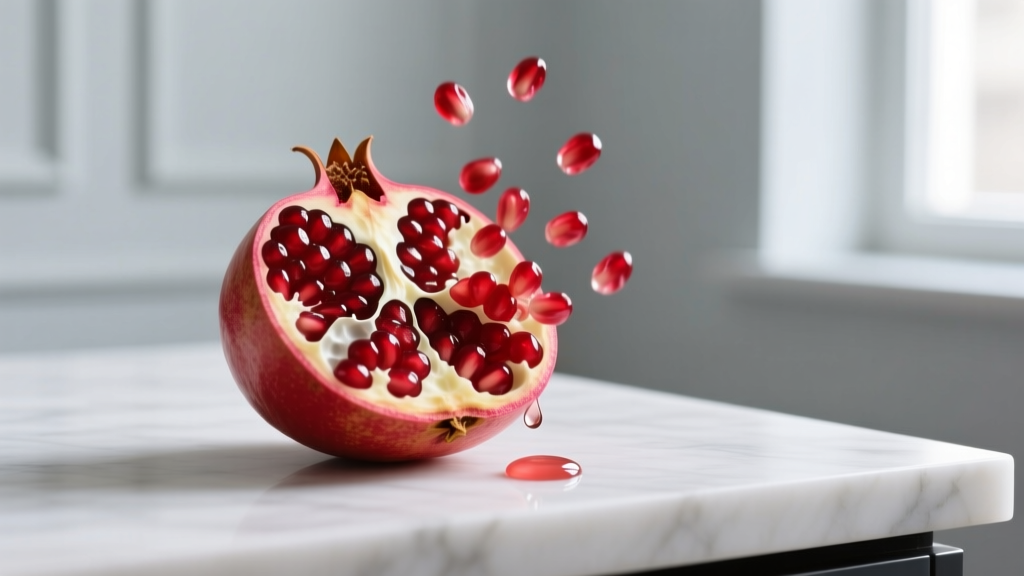
How to Remove Pomegranate Seeds Without the Mess
Why This Isn't as Hard as You Think (I've Done This Hundreds of Times)
Look, I get it. That first pomegranate can feel like defusing a bomb—red juice everywhere, seeds stuck in membranes, white pith ruining your batch. Been there, stained that shirt. But after prepping thousands for restaurant salads and juice bars, I'll tell you the secret: water is your co-pilot. Forget knives and hammers. The real pro move happens in a bowl. Here's how to nail it every time without the headache.
Your Mess-Free Roadmap: From Whole Fruit to Perfect Arils
Here's the thing—it's not about strength. It's about working with the fruit's structure. Pomegranates have natural segmentation. Fight it, and you'll bleed juice. Go with the flow, and you'll harvest clean seeds in minutes. Let's walk through it:
Step 1: Prep Like a Pro (Skip the Knife Drama)
Grab a ripe pomegranate—look for deep color and slight give when squeezed. Place it on a cutting board. Don't cut vertically. Instead, score the crown horizontally about ½ inch deep. Pop off the cap like a lid. Now score along the natural ridges downward into quarters. This follows the internal membranes—key for clean separation.
Step 2: The Water Method (My Go-To for Zero Stains)
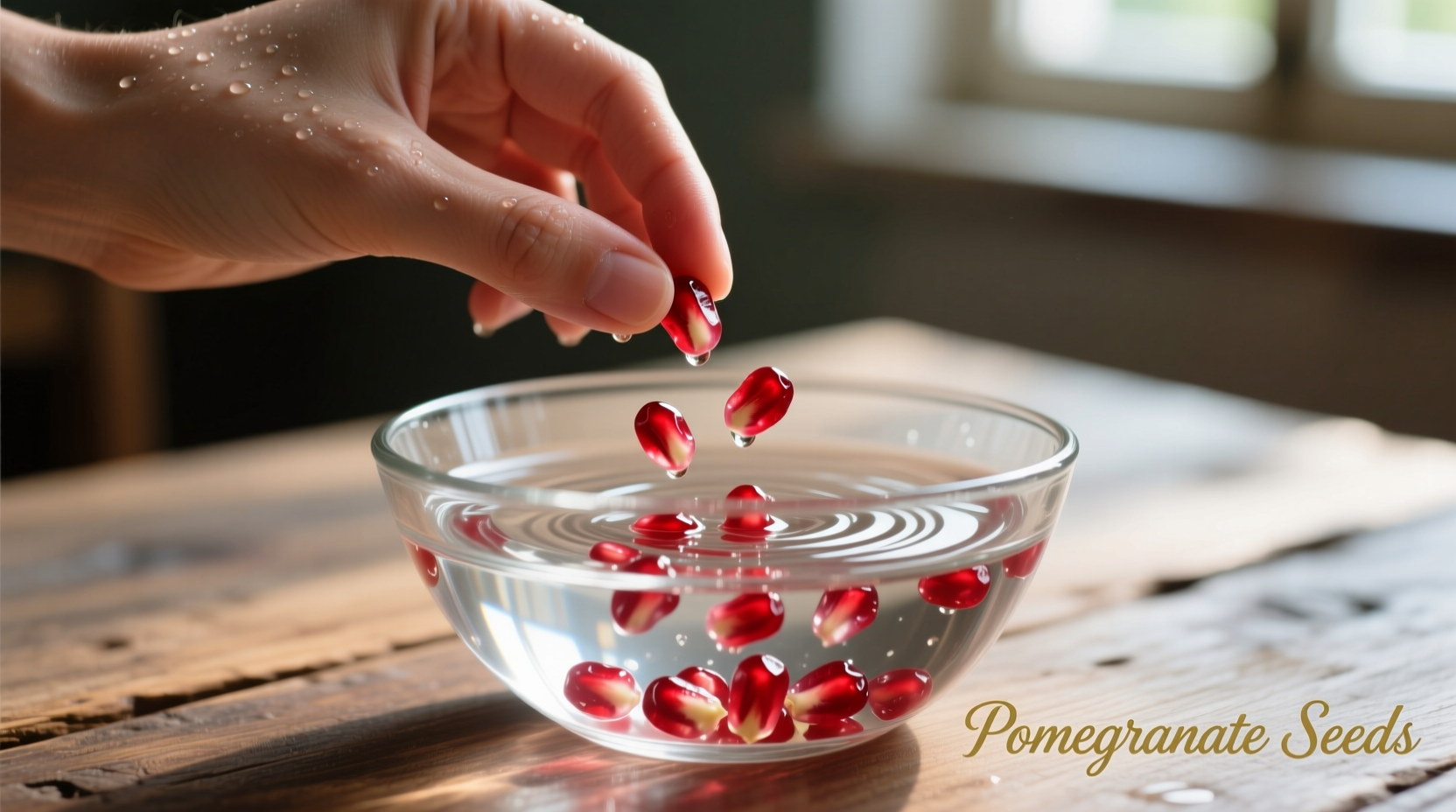
Fill a large bowl with cold water. Submerge your scored pomegranate quarters. Here's why this works: seeds sink, membranes float. Gently pry segments apart underwater. Use your thumbs to loosen arils from white pith—they'll drop cleanly to the bottom. Stir occasionally; good seeds stay put while junk rises. After 2 minutes, skim off floating debris. Pour remaining water through a sieve. Boom—pristine seeds.
Step 3: When to Ditch Water (And What to Use Instead)
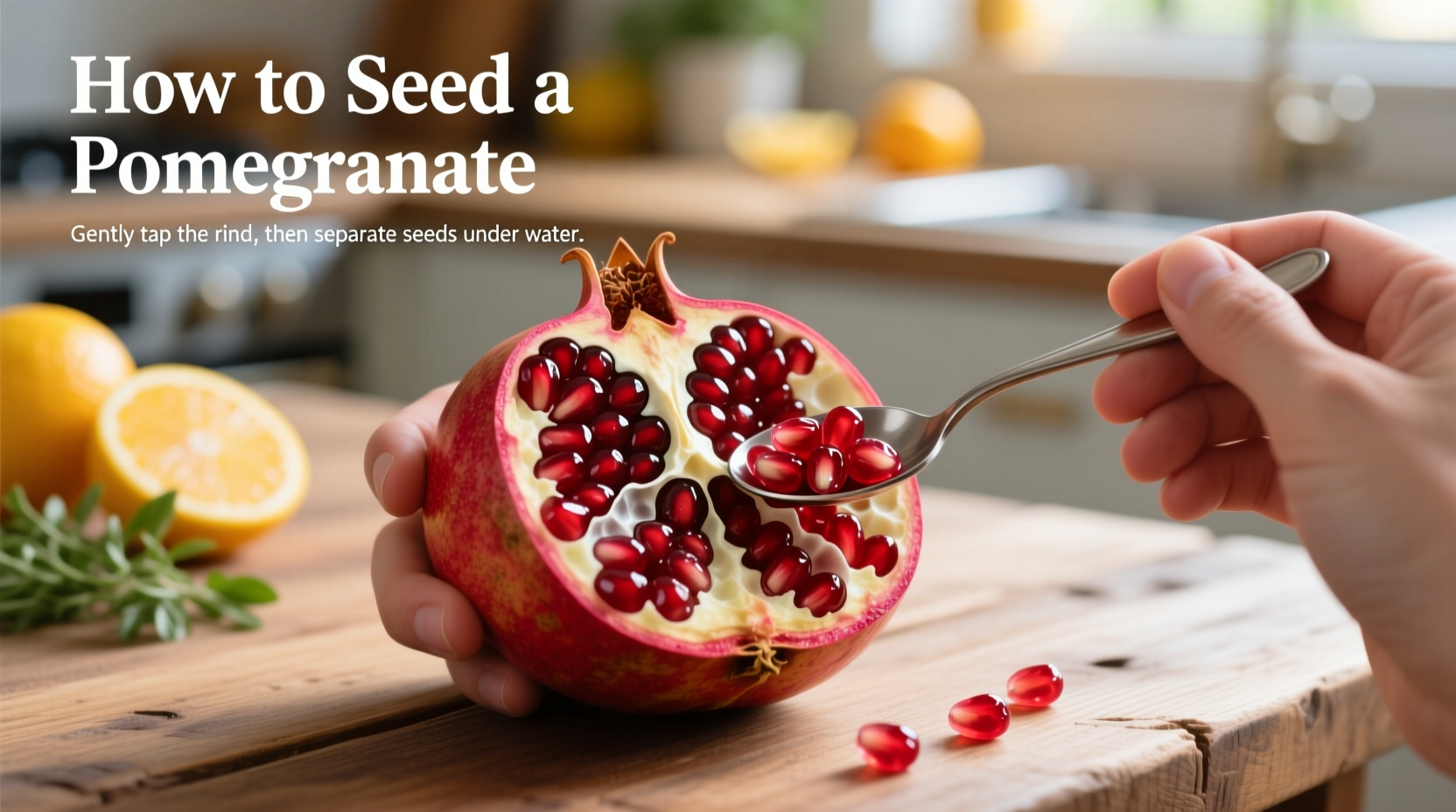
Water's my default, but sometimes it's overkill. If you're seeding one pomegranate over the sink for immediate use? Try the spoon method: hold a quarter over a bowl, hit the back with a wooden spoon—seeds pop out cleanly. But avoid this if you're prepping multiple fruits (saves cleanup time) or want picture-perfect arils for salads (water prevents crushing).
| Method | Best For | When to Avoid | Time |
|---|---|---|---|
| Water Bowl | Large batches, presentation dishes | When you need seeds immediately (extra draining) | 5-7 min |
| Spoon Tap | Single fruits, quick snacking | Fine dining prep (some crushed seeds) | 3-4 min |
| Strainer Shake | Cooking applications (jams, sauces) | When you want intact arils (high breakage) | 4-5 min |
Pro Tips You Won't Find on TikTok
After two decades of food styling, here's what separates okay seeds from chef-worthy ones:
- Cold fruit = cleaner seeds. Refrigerate pomegranates 1 hour before seeding—they're less juicy when chilled.
- Ditch metal bowls. Acidic juice reacts with metal, causing bitter flavors. Stick to glass or plastic.
- Save the juice! Strain that bowl water through cheesecloth—it's pure pomegranate nectar for cocktails.
Common Mistakes That Wreck Your Harvest
I've seen even experienced cooks mess this up. Don't:
- Peel like an orange (you'll lose 30% of seeds to membrane)
- Use sharp tools near seeds (crushed arils leak juice)
- Store seeds wet (they'll ferment in 24 hours)
Storing Your Bounty Right
Got extra seeds? Spread them on a paper towel to dry 10 minutes—crucial step many skip. Transfer to an airtight container with a dry paper towel inside. Lasts 5 days refrigerated. For freezing, skip drying; freeze flat on a tray first, then bag. Thaw gently for salads—never microwave.
Everything You Need to Know
Pomegranate juice contains anthocyanins—pigments that bind tightly to fabrics. Working underwater prevents splatter, and immediate cold-water rinses lift stains before they set. Avoid heat (like hot water) initially—it cooks the pigment into fibers.
Technically yes, but you shouldn't. That bitter pith contains triterpenes that overpower the sweet-tart flavor of arils. It's also fibrous—nobody wants that texture in a salad. The water method makes separating them effortless, so skip the pith.
Properly dried and stored in an airtight container with a paper towel, seeds last 4-5 days. Any moisture accelerates fermentation—check for cloudiness or sour smells. For longer storage, freeze them; they'll keep 6 months without texture loss.
Water creates buoyancy separation: dense seeds sink while lightweight membranes float. It also cushions the arils, preventing crushing during extraction. Dry methods force you to manually pry seeds from pith—a process that typically damages 15-20% of your harvest through pressure.
More Articles
 Cinnamon Types: Ceylon vs Cassia Guide
 Chili Kitchen Tips: Techniques for Great Results
 Jamie Oliver's Cherry Tomato Pasta Sauce: Fresh Recipe Guide
 Oregano Herb Visual Guide: Identify, Use & Avoid Mistakes
Annatto Seeds: Color and Flavor Guide
Oregano Herb Visual Guide: Identify, Use & Avoid Mistakes
Annatto Seeds: Color and Flavor Guide
 Oats Cooking Ratios & Timing for Perfect Oatmeal
 How to Tell If Ginger Root Is Bad: 5 Clear Signs of Spoilage
 What Does Thyme Look Like: Visual Identification Guide
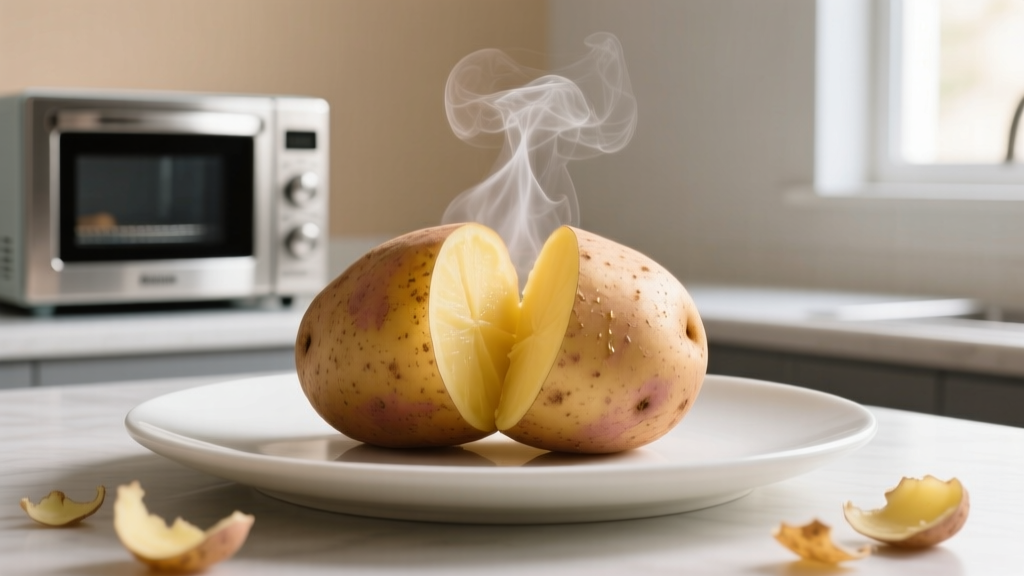 Microwaving Potatoes: Safe Steps and Common Mistakes
Fenugreek: Essential Spice Guide 2026
Microwaving Potatoes: Safe Steps and Common Mistakes
Fenugreek: Essential Spice Guide 2026