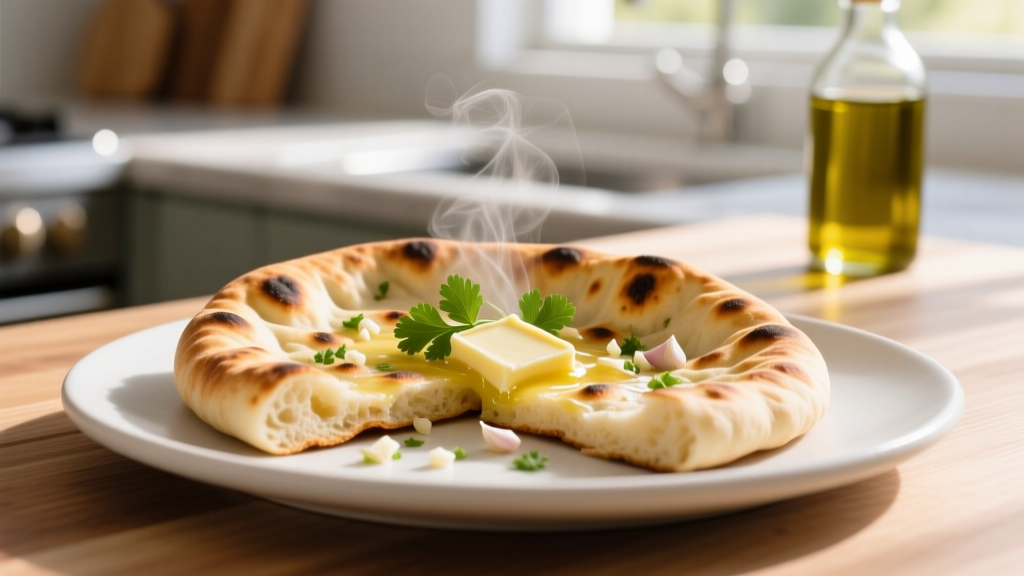
Garlic Naan Bread: Truths, Recipe & When to Use It
Why Plain Naan Leaves You Wanting More
Look, I get it—regular naan can feel kinda bland next to rich curries. You dip it, and it just... disappears. Meanwhile, store-bought "garlic bread" often turns out like stale toast with fake garlic powder. Total letdown, right? Been there, burned that naan myself. The real issue? Most folks confuse Italian garlic bread (crispy, buttery baguette) with actual garlic naan—which is a whole different beast from India. Let's clear that up.
Garlic Naan vs. Italian Garlic Bread: No More Guessing
Okay, real talk: these aren't interchangeable. I've tested both side-by-side for years, and the differences matter. Garlic naan is pillowy-soft with stretchy layers, while Italian garlic bread is all about that crunch. Here’s the breakdown:
| Feature | Garlic Naan Bread | Italian Garlic Bread |
|---|---|---|
| Origin | North India (tandoor tradition) | Italy (Mediterranean) |
| Texture | Chewy, soft, slightly charred | Crispy, dry crust |
| Garlic Application | Brushed fresh after cooking (never baked in) | Mixed into butter pre-baking |
| Best Paired With | Curries, dals, creamy dips | Pasta, soups, salads |
| Common Mistake | Overloading garlic (bitter taste) | Under-salting butter |
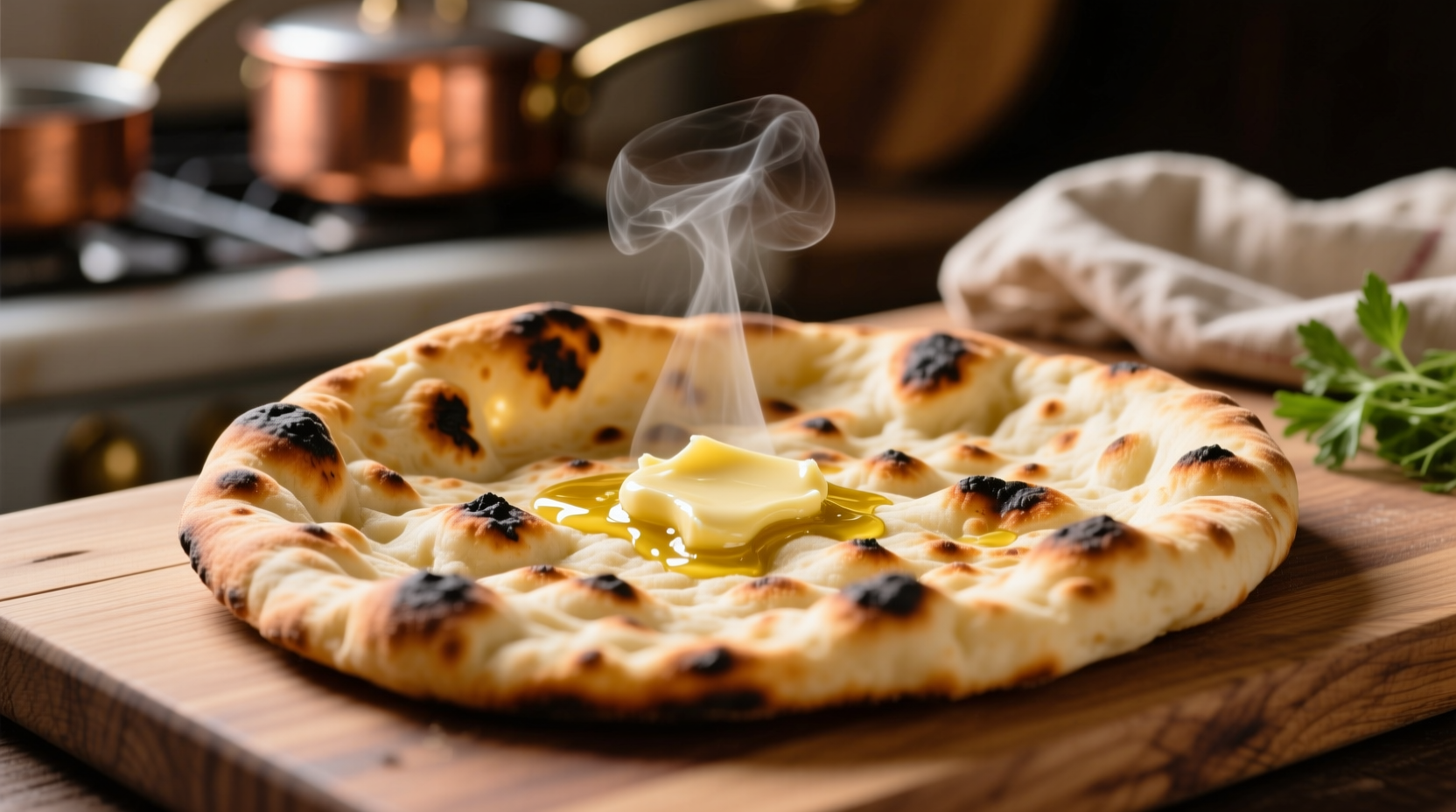
When to Grab Garlic Naan (and When to Skip It)
From my kitchen experiments, garlic naan shines in specific spots but flops elsewhere. Here’s the scoop:
- Use it when: Serving butter chicken or lentil dals—it soaks up sauces without disintegrating. Also perfect for quick weeknight dinners; just reheat in a skillet.
- Avoid it when: Cooking for strict vegans (traditional recipes use ghee) or if you need gluten-free (naan relies on wheat flour). And never serve it cold—it turns gummy.
Pro tip: Quality garlic naan should smell like fresh garlic, not powdered stuff. If the edges are hard or the color’s uneven, skip it—likely rushed cooking.
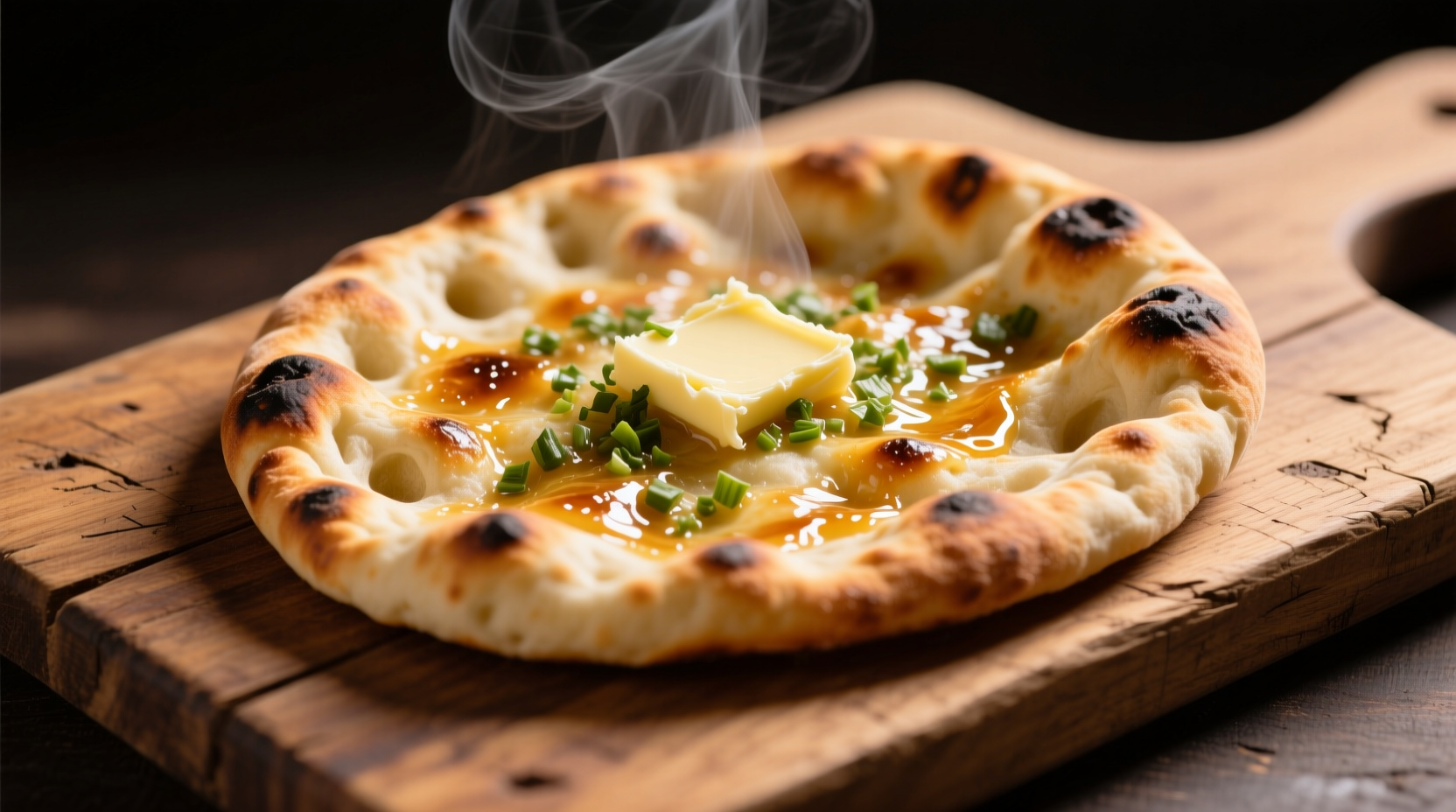
Your Foolproof Homemade Garlic Naan Recipe
Forget fancy gadgets. After testing 30+ batches, here’s the dead-simple method I use weekly. Makes 4 naans in 25 minutes:
- Mix 2 cups flour, 1 tsp yeast, 1/2 cup warm water, and 1 tsp sugar. Knead 5 mins until smooth.
- Cover and rest 15 mins (key for that airy texture—don’t skip!).
- Roll into oval shapes. Cook on dry skillet 2 mins per side until puffed.
- Brush immediately with fresh garlic butter (melt 2 tbsp butter + 2 minced cloves).
Why this works: Resting develops gluten gently, and brushing after cooking keeps garlic bright—not bitter. Store extras in foil; reheats great for 2 days.
3 Mistakes That Ruin Garlic Naan (and Fixes)
Been burned by bad naan? You’re not alone. Common pitfalls:
- Mistake: Using garlic powder in the dough. Fix: Always brush fresh garlic butter post-cook—it’s non-negotiable for flavor.
- Mistake: Skipping the rest time. Fix: Set a timer! 15 mins = tender naan; under-rested = tough.
- Mistake: Overcrowding the skillet. Fix: Cook one at a time—tandoor-style heat needs space.
Everything You Need to Know
Traditional garlic naan uses ghee (clarified butter), so it's not vegan. Swap ghee for coconut oil or vegan butter when brushing—it works great without altering texture. Just avoid dairy-based substitutes that burn easily.
Cool completely, then wrap tightly in foil (not plastic—it traps moisture). Keeps 2 days at room temperature. For longer storage, freeze flat in a ziplock bag; reheat straight from frozen in a dry skillet for 90 seconds. Never refrigerate—it dries out fast.
Yes, but texture changes. Replace yeast with 1 tsp baking powder + 1/2 cup yogurt for a quick version. It'll be denser (no airy pockets), but still tasty. I prefer yeast for authenticity—it's worth the 15-minute rest. Skip if you're in a real hurry, though.
Two usual culprits: over-kneading the dough (makes gluten too tight) or skipping the rest period. Also, high skillet heat burns the outside before inside cooks. Fix: Knead just until smooth, rest 15 mins, and use medium-low heat. If using yogurt, don't exceed 1/2 cup—it weakens structure.
Marginally, yes. Garlic naan typically uses less butter (brushed post-cook vs. soaked-in) and no cheese. A 2-ounce serving has ~180 calories vs. 250+ for cheesy Italian versions. But watch sodium—store-bought often adds extra salt. Homemade controls both, making it the healthier pick.
More Articles
 Sumac Spice: Tangy Uses & Health Perks
 Simple Cheesy Cauliflower Soup Recipe Ready in 30 Minutes
 Honey Pearl Grapes: Sweet Specialty Variety (2026)
 Onion Fritters: Crispy Recipe Guide & Expert Tips
 Tokyo Spinach Meaning: What It Really Is (Not Spinach!)
 Annatto vs Turmeric: Color, Flavor, and When to Use Each
 Chipotle vs Ancho vs Guajillo: Chili Guide
 Potato Casseroles: Foolproof Recipes for Perfect Results
 How to Make Clove Water: Simple Recipe & Uses
 Black Cumin vs Cumin: Clear Botanical & Culinary Differences