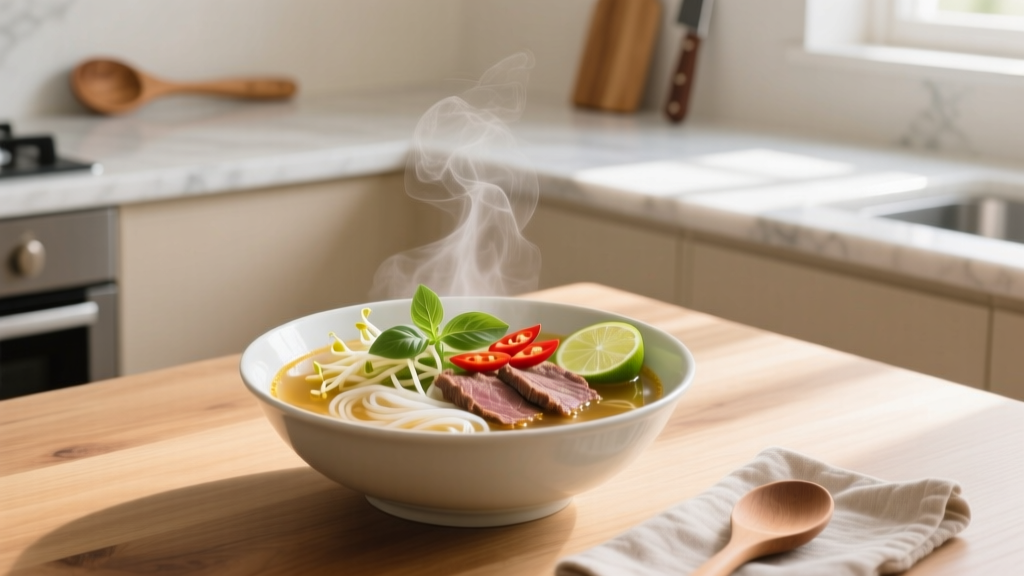
How to Cook Pho: Authentic Homemade Noodle Soup Guide
Why Your Homemade Pho Falls Flat (And How to Fix It)
Let's be real—you've probably tried making pho before and ended up with murky broth or rubbery noodles. Happens to everyone. I've burned through 20+ batches testing this. The thing is, authentic pho isn't about slapping ingredients in a pot. It's all about that broth: clear, complex, and fragrant without overpowering spice. Most home cooks rush the simmer or skip charring onions—that's why your bowl feels "off." So, here's the deal: we're breaking down exactly how to nail it, step by step, based on years of tweaking recipes from Hanoi street stalls to my Brooklyn kitchen.
Pho's Secret Sauce: Broth Over Everything
Okay, first things first—pho isn't just "noodle soup." It's a ritual. Originating in Northern Vietnam around 1910s, it evolved from French beef stews but became distinctly Vietnamese with its delicate spice balance. Forget instant ramen; real pho broth takes patience. Why? Because collagen from bones turns into silky gelatin, and charred aromatics add smoky depth without bitterness. If you skip charring onions or skim lazily, you'll get that flat, one-note broth everyone hates. Trust me, I learned this the hard way after my first cloudy disaster.
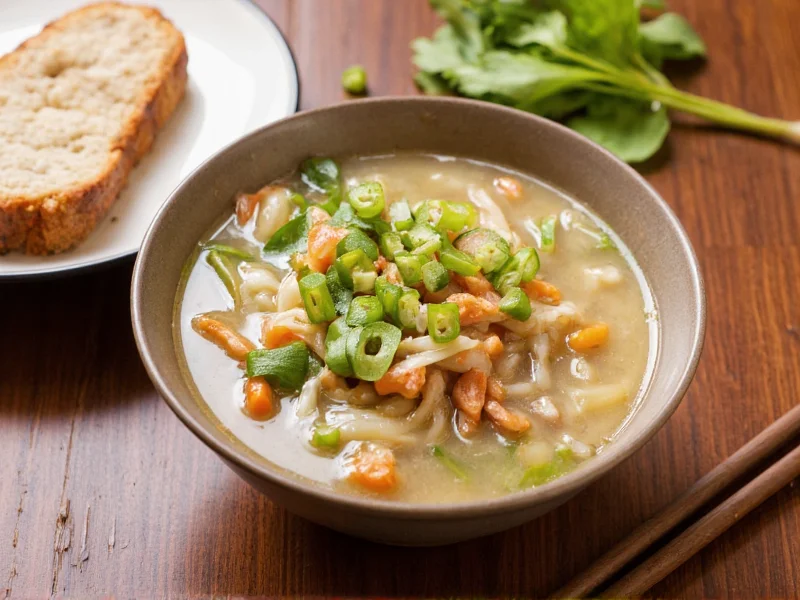
Your Pho Shopping List (No Fancy Substitutes)
Grab these fresh—no dried herbs or pre-made broths. They kill authenticity:
- Bones: 4 lbs beef marrow bones (knuckle works too)
- Aromatics: 2 large onions (halved), 1 ginger chunk (3" piece), both charred
- Spices: 3 star anise, 1 cinnamon stick, 5 cloves, 1 cardamom pod (lightly toasted)
- Protein: 1 lb eye of round steak (sliced paper-thin after cooking)
- Noodles: 14 oz dried banh pho rice noodles (not substitutes!)
- Toppings: Bean sprouts, Thai basil, lime wedges, sliced chili
Honestly, skip fish sauce if you're purist—it's controversial. Older Hanoi chefs avoid it; Saigon styles use a splash. But never, ever use MSG. It muddies the clean flavor.
| Pho Type | Broth Base | Key Spices | When to Choose This |
|---|---|---|---|
| Beef Pho (Pho Bo) | Beef bones + oxtail | Star anise dominant | Daily comfort meal; rich protein hit |
| Chicken Pho (Pho Ga) | Whole chicken + ginger | Less star anise, more ginger | Cold days; lighter digestion (avoid if broth depth needed) |
Step-by-Step: Building Broth That Doesn't Suck
Follow this religiously—it's the only way to avoid murky soup. I timed every step:
- Prep bones: Blanch bones in boiling water 5 mins. Drain, rinse well. This removes scum—non-negotiable for clarity.
- Char aromatics: Hold onion/ginger over open flame until blackened (about 8 mins). Peel off burnt bits—don't skip! Adds smoky sweetness.
- Simmer broth: Cover bones with 6 quarts cold water. Bring to gentle boil, then immediately reduce to bare simmer. Skim foam every 15 mins for first hour. Add charred aromatics and spices after 1 hour.
- Cook time: Simmer 6-8 hours uncovered. Strain through cheesecloth—never stir broth once simmering!
- Meat timing: For raw beef bowls, slice steak paper-thin and add to hot broth just before serving (it cooks from heat). Overcook = tough meat.
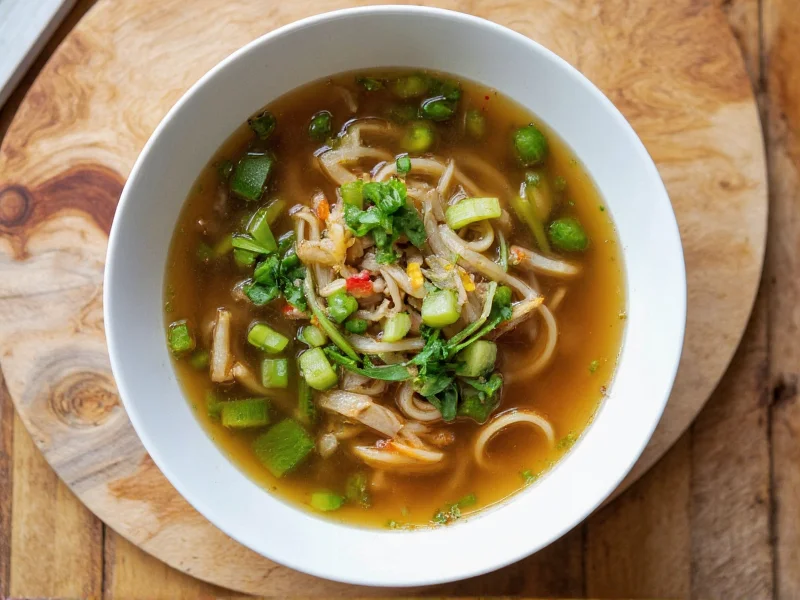
When to Use (or Avoid) Common Shortcuts
Look, life's busy—but some "hacks" ruin pho. Here's my field-tested take:
- Use pressure cooker: Only if simulating 6-hour simmer (e.g., 90 mins high pressure). Broth lacks depth but works in a pinch. Never for first-timers—you miss learning flavor cues.
- Skip charring: Big mistake. Raw onion makes broth sweet but flat. Charred = complex. Do it.
- Pre-sliced meat: Fine if frozen solid, but hand-slicing against grain gives better texture. Avoid supermarket "pho meat"—it's often too thick.
- Store-bought broth: Avoid unless desperate. Even good brands lack collagen richness. Your broth should gel when cold—that's the goal.
5 Mistakes Even "Experienced" Cooks Make
I've seen these trip up pros. Don't be that person:
- Boiling broth too hard: Vigorous bubbles emulsify fat = cloudy soup. Keep it at a whisper.
- Adding noodles to broth: Rice noodles turn mushy. Cook separately, rinse in cold water, then add to bowl.
- Over-spicing: More than 3 star anise overwhelms. Toast spices lightly to wake flavors—but don't burn.
- Serving cold noodles: Rinse cooked noodles, but warm them slightly in hot broth before adding toppings.
- Skipping the "bloom": Pour hot broth over raw beef—it should turn opaque in 30 seconds. If not, your broth isn't hot enough.
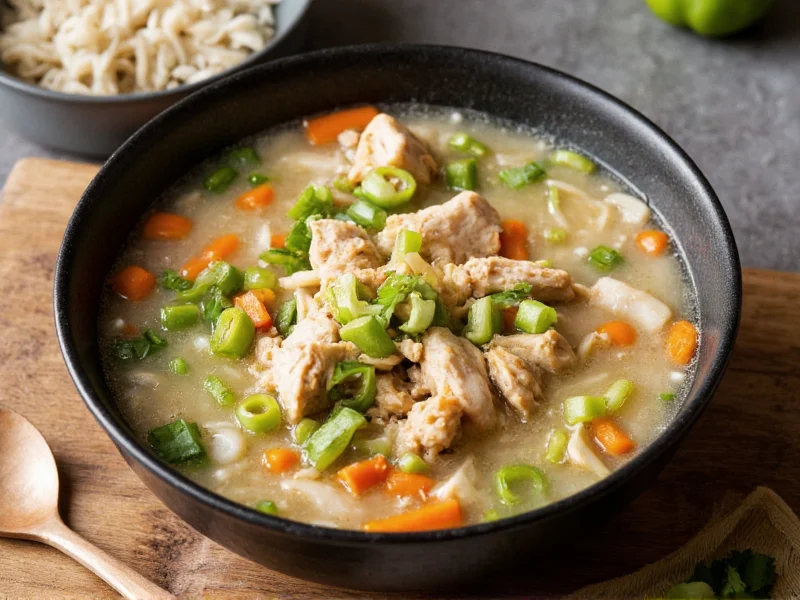
Storing and Reviving Leftovers Right
Pho broth freezes like a dream—but never store assembled bowls. Here's why: noodles soak up broth and turn gummy. Separate components:
- Broth: Freeze in jars (leave 1" headspace). Thaws clear in 24 hours.
- Noodles: Toss with rice flour to prevent sticking. Refrigerate max 2 days.
- Reviving: Reheat broth to near-boil. Pour over fresh noodles/meat—never reboil assembled pho.
Everything You Need to Know
Cloudiness usually means you boiled too hard or didn't blanch bones properly. Simmer at the barest bubble—visible movement but no bubbles breaking surface. Also, never stir once simmering starts; that agitates impurities. If it's still cloudy, strain through a coffee filter before serving.
Yes, but ditch "beef" expectations. Use roasted mushroom stems, charred daikon, and kombu for umami depth. Simmer 4 hours with toasted spices. Skip fish sauce—use soy instead. It won't taste like traditional pho, but it's a legit vegetarian alternative that Hanoi chefs now serve.
Cook noodles just until tender (3-5 mins), then rinse under cold water until cool. Toss with 1 tsp rice flour—it creates a barrier without oiliness. Store in a damp cloth, not water. Reheat by dunking in hot broth for 20 seconds before assembling.
Rice noodles and broth are naturally gluten-free—just verify spice blends (some add wheat). Health-wise, it's balanced: lean protein, veggies, and broth rich in collagen. But watch sodium; traditional pho has 1,200mg per bowl. Reduce by 30% with low-sodium fish sauce or skip added salt entirely—bones provide enough.
Overloading with sriracha and hoisin. In Vietnam, you taste the broth first—add sauces sparingly. Also, never mix herbs into broth; they're meant to be eaten fresh with each bite. And for goodness' sake, don't use chopsticks for noodles—spoon for broth, chopsticks for solids.
More Articles
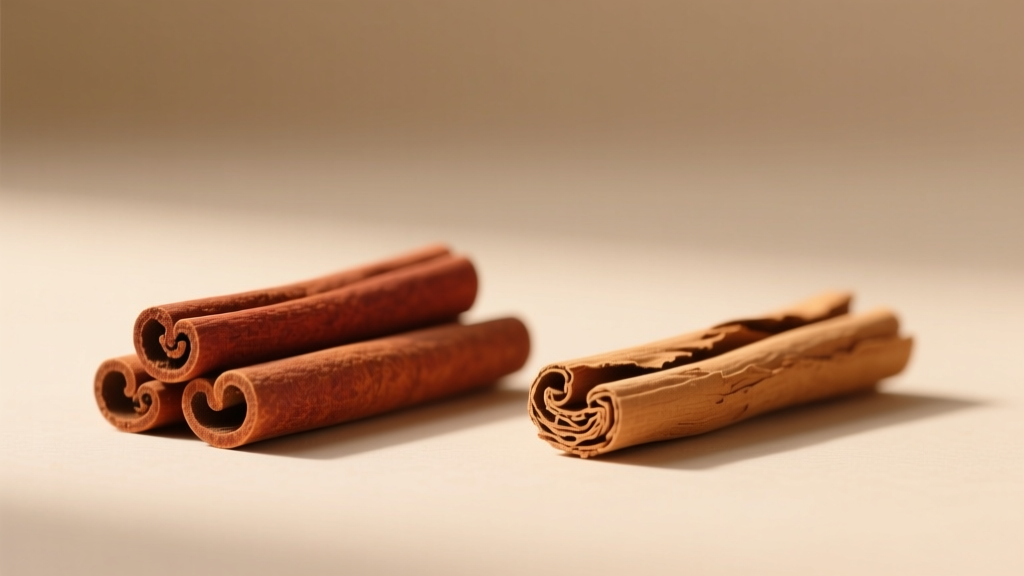 McCormick Cinnamon: Cassia vs Ceylon (2026)
 Pink Peppercorns Aren't Real Pepper
 Potato Casseroles: Foolproof Recipes for Perfect Results
 Star Anise: How to Cook With This Licorice Spice
 Paprika Types: Sweet, Hot, and Smoked
 Baking and Spices: A Flavor Pairing Guide
 How to Bake a Garlic Clove: Simple Steps for Mellow Flavor
 Ginger: Fresh, Dried, or Powder?
 Easy Hash Brown Potato Casserole Recipe: Quick & Crispy
 How to Make Pumpkin Seeds: Simple Roasting Guide