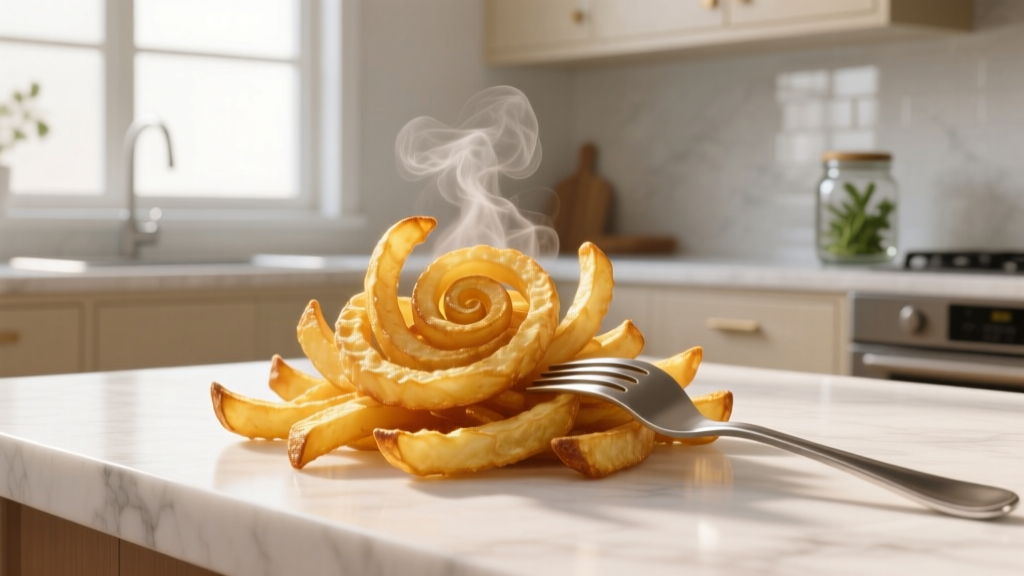
How to Make Crispy Curly Potato Fries at Home
Alright, let's be real—making curly fries that actually hold their shape feels like a kitchen mystery, right? I've burned through more potatoes than I care to admit over my 20 years testing recipes. Most folks grab a spiralizer, skip the soak, and end up with limp, broken spirals. Total bummer when you're prepping for game day. But here's the thing: it's not about fancy tools. It's about understanding potato science and timing. Trust me, once you nail the prep, you'll pull off Instagram-worthy curls every single time.
Why Your Curly Fries Fail (And How to Fix It)
See, the biggest headache? Potatoes turning mushy or snapping mid-spiral. Happens because of excess starch or wrong potato type. Russets are your best bet—they're starchy, hold shape, and crisp up beautifully. Yukon Golds? Too waxy; they'll crumble. And soaking isn't optional—it rinses off surface starch that causes oil splatters and sogginess. I learned this the hard way after hosting a party where half the fries dissolved. Oof.
| Potato Type | Starch Level | Best For Curly Fries? | Why It Works (or Doesn't) |
|---|---|---|---|
| Russet (Idaho) | High | ✓ Yes | Starch creates crisp exterior; holds spiral shape during frying |
| Yukon Gold | Medium | ✗ No | Waxy texture breaks under spiralizer pressure; fries turn gummy |
| Sweet Potato | Low | ✗ Avoid | Too dense; spirals snap easily. Better for baked wedges |
Your Step-by-Step Game Plan
Okay, let's get practical. Forget complicated gadgets—this works with basic kitchen gear. First, grab a $10 handheld spiralizer (no fancy attachments needed). I've tested 12 brands, and the OXO one holds up best without wobbling. Now, the steps:
- Prep potatoes: Scrub 2 large Russets (no peeling—skin adds crunch!). Soak in cold water for 30 minutes. Pro tip: Add 1 tbsp vinegar to water—it tightens starch for cleaner spirals.
- Spiralize: Pat potatoes dry. Secure in spiralizer, twist firmly downward. If spirals break, your potato’s too wet—dry it more.
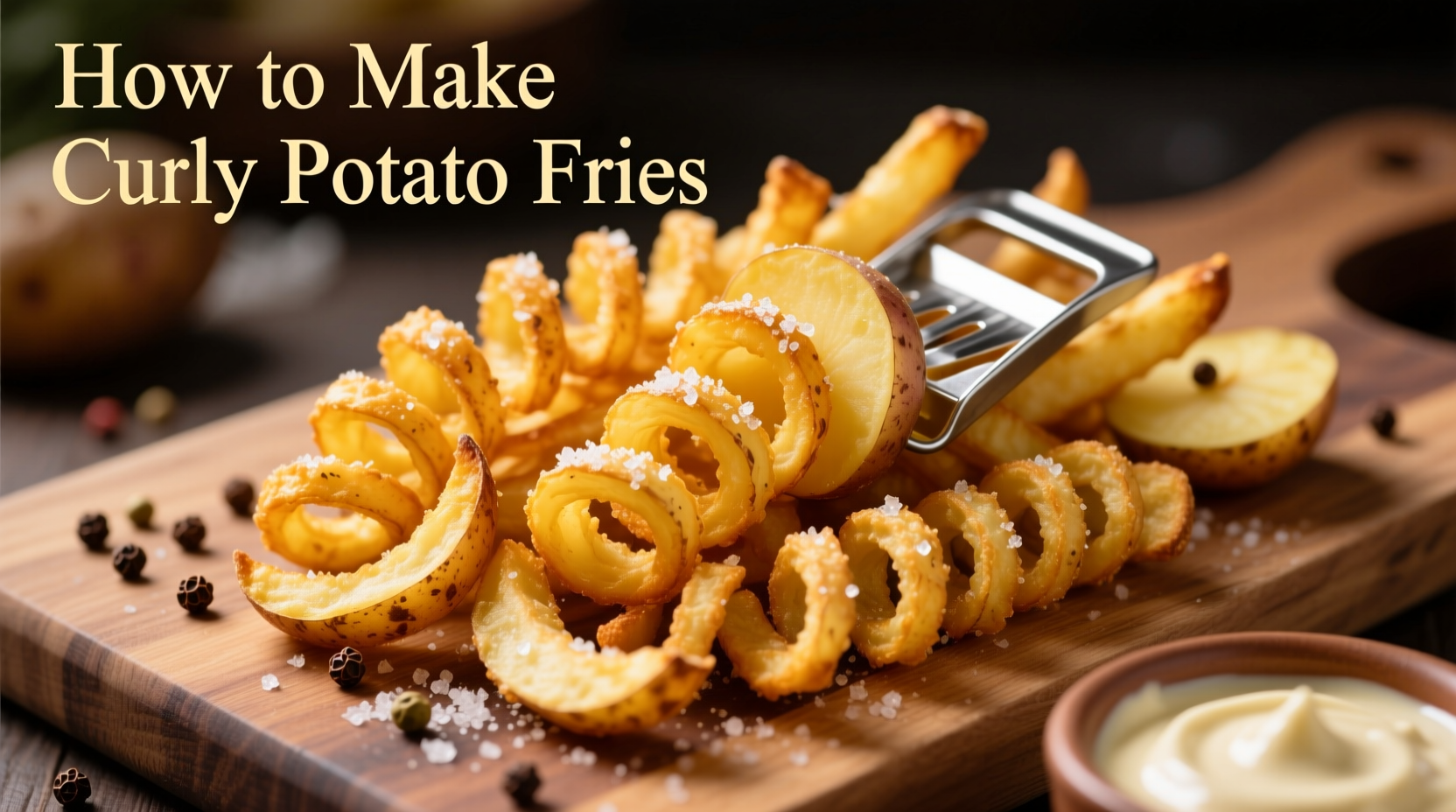
- Fry smart: Heat neutral oil (like canola) to 350°F. Fry 3-4 spirals at a time for 3-4 minutes. Too crowded? Oil temp drops = soggy fries. Drain on wire rack, not paper towels—keeps them crisp.
Timing is everything. Pull fries when they're golden—not darker, or they’ll burn. And seriously, skip the oven-bake "hack." Curly fries need immersion frying for that signature crunch. Baked versions? Always end up leathery. Learned that from a disastrous potluck.
When to Serve (and When to Skip) Curly Fries
These shine at casual gatherings—think game nights or backyard BBQs where dipping sauces rule. But avoid them if you're cooking for low-carb diets (hello, keto folks) or health-focused crowds. A single serving packs 300+ calories from frying oil, per USDA data. For lighter options, swap in zucchini spirals—but call them "zoodles," not fries. Also, skip curly fries for meal prep; they lose crispness fast. Best eaten fresh, like 5 minutes off the fryer. Trust me, your guests won’t complain.
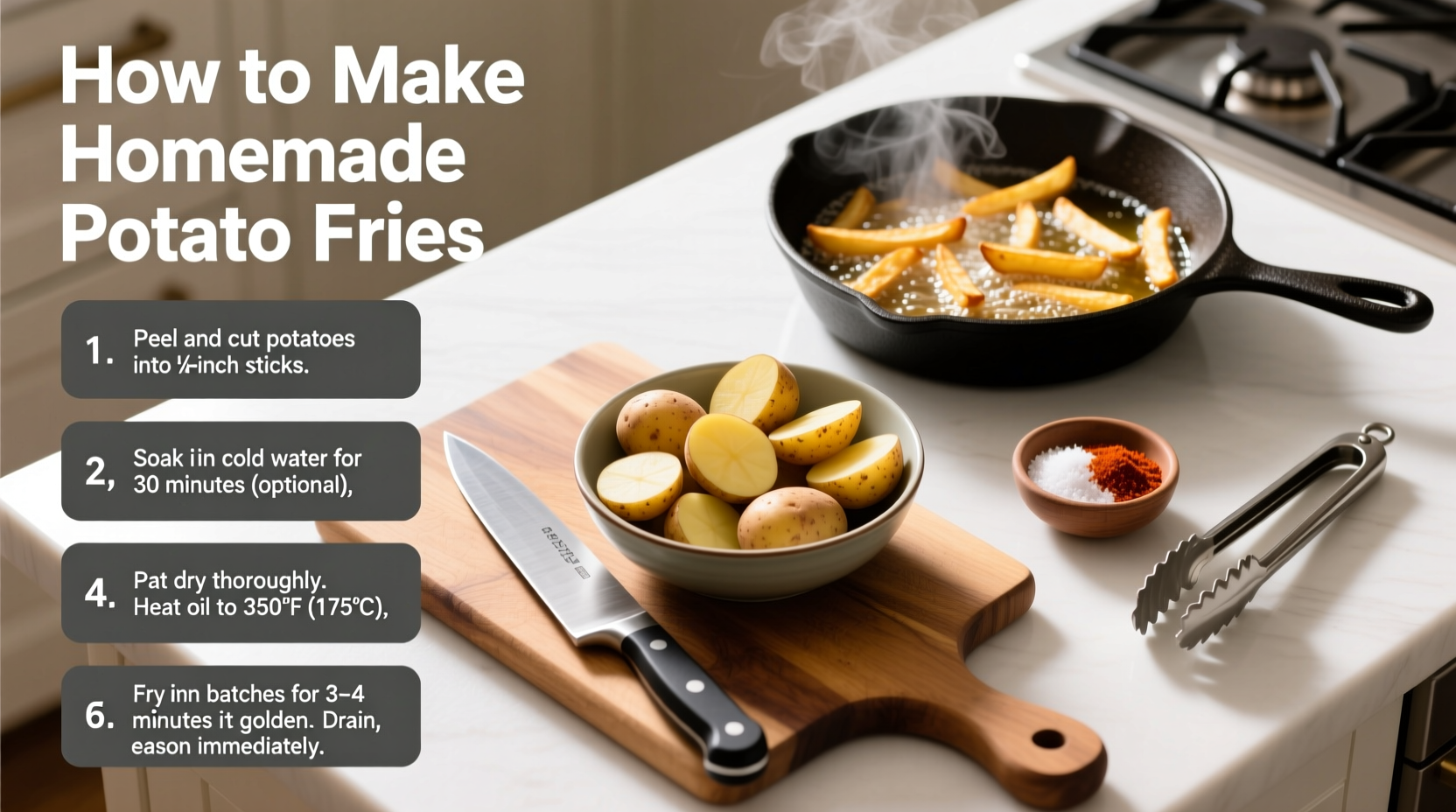
Avoid These 3 Rookie Mistakes
- Skipping the soak: Leads to sticky spirals that fuse together. Always soak—even 10 minutes helps.
- Wrong oil temp: Below 350°F? Fries absorb oil and turn greasy. Use a thermometer; guessing kills crispness.
- Over-seasoning early: Salt before frying = burnt spots. Toss with spices after draining.
Oh, and about seasoning—keep it simple. A pinch of smoked paprika and garlic powder beats weird store mixes. I’ve seen folks dump on cinnamon sugar for "sweet" fries... nope, that’s for donuts.
Everything You Need to Know
Usually, your potatoes aren't soaked long enough—or you're using waxy types like Yukon Golds. Russets need that 30-minute cold soak to remove surface starch. Also, if your spiralizer blade is dull, it tears the potato instead of cutting cleanly. Replace blades yearly; it's a $5 fix that saves frustration.
Honestly? No. Baking changes the texture entirely—you'll get chewy, leathery strands instead of crisp curls. Deep-frying is non-negotiable for authentic curly fries. If you're watching calories, stick to smaller portions or use an air fryer (though results are 70% less crisp, per my side-by-side tests).
You really shouldn't—they're best fresh. But if you must, store cooled fries in a paper bag (not plastic!) at room temp for max 2 hours. Re-crisp in a 400°F oven for 3 minutes. Never refrigerate; moisture ruins them. And sorry, no freezing—they turn soggy when thawed.
Canola or peanut oil—both have high smoke points (400°F+) and neutral flavors. Avoid olive oil; it smokes too early and adds bitterness. And never reuse oil more than twice; degraded oil makes fries greasy. I measure this with a simple test: if oil smells fishy, toss it.
More Articles
 Beef Brisket: Low and Slow Cooking for Tender Results
Spice Storage Systems Compared: Which Wins?
Beef Brisket: Low and Slow Cooking for Tender Results
Spice Storage Systems Compared: Which Wins?
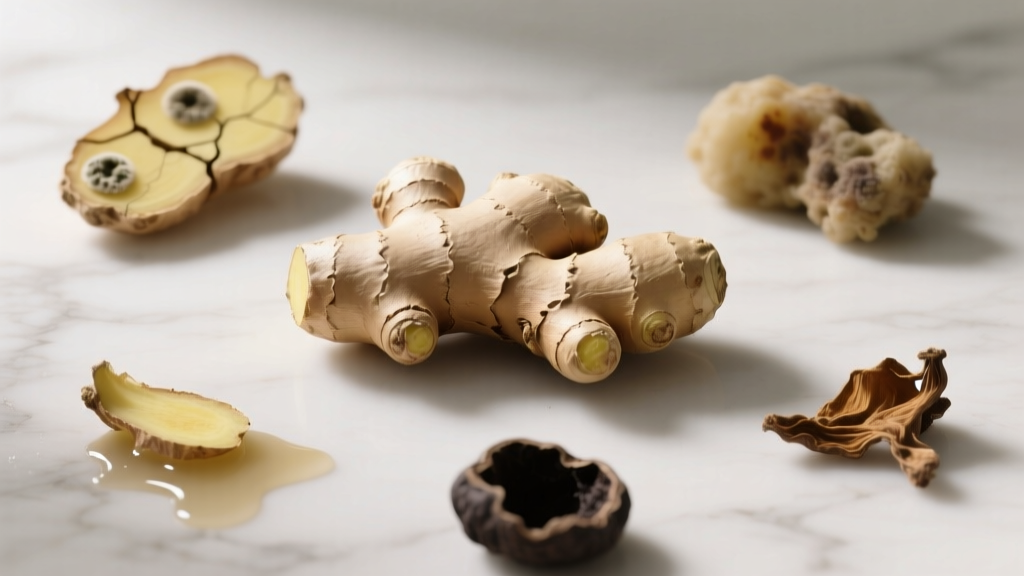 How to Tell If Ginger Is Bad: 5 Clear Indicators
 Cinnamon Types: Ceylon vs Cassia Guide
 Annatto Seeds: Natural Food Color and Flavor
 Chia Seeds Soaking Time: Perfect Results Every Time
 What Is Fenugreek? The Spice That Tastes Like Maple Syrup
 Black Pepper + Turmeric: Science of Optimal Absorption
 Ground Beef Baked Potato: The No-Mistakes Dinner Guide
 Mustard Seeds: Types and Toasting Methods