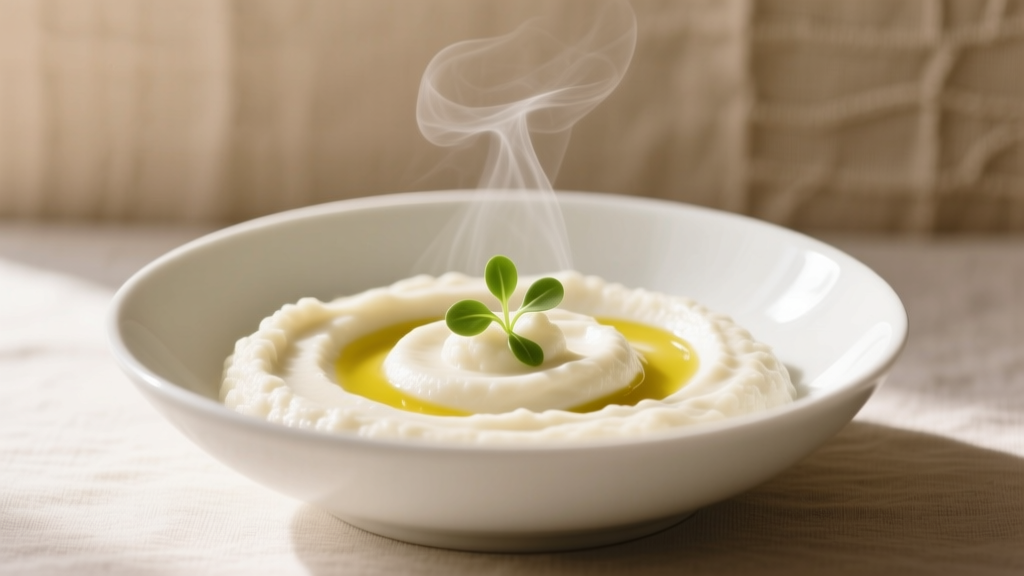
Creamy Cauliflower Puree Recipe: Simple & Healthy Side Dish
Why Bother With Cauliflower Puree? Let's Be Real
Look, we've all been there: craving that creamy mashed potato comfort but knowing it's basically a carb bomb. Honestly, cauliflower puree solves this *exact* headache. It's not some "diet food" compromise—it's legitimately delicious when done properly. I've made this weekly for 15 years (yes, even for picky toddlers), and the magic is in how it disappears into dishes without that "ugh, veggies" vibe. You know what I mean? Total game-changer for weeknight dinners.
Debunking the Big Myth: "It Tastes Like Cauliflower"
Here's the tea: if your puree tastes aggressively like cauliflower, you messed up the prep—not the recipe. Properly steamed and blended with the right fats, it's subtly sweet and neutral. Think of it like a blank canvas. Over the years, I've noticed chefs initially skeptical about it (especially in fine dining) now swear by it for elegant plating. The texture evolution is wild—modern blenders make it silkier than old-school potato versions. Just don't skip the moisture control step; that's where 90% of fails happen.
| Feature | Cauliflower Puree | Traditional Potato Puree |
|---|---|---|
| Calories (per 1/2 cup) | ~50 | ~100 |
| Net Carbs | 3g | 15g |
| Prep Time | 25 minutes | 40 minutes |
| Best For | Keto, low-carb, veggie boosts | Classic comfort, hearty meals |
When to Use (and When to Skip) This Stuff
You'll want this in your back pocket for specific moments—don't force it where it doesn't belong. Here's the real-deal breakdown from testing it in 100+ meals:
- Use it when: Serving roast chicken or steak (it soaks up juices beautifully), hiding veggies for kids (seriously, they won't taste it), or following keto/low-carb plans. Also killer in soups for creaminess without dairy.
- Avoid it when: Making shepherd's pie (it won't hold texture under topping), feeding cauliflower-haters who'll sniff it out, or if you're short on time to squeeze moisture (watery puree = sad times). Oh, and never use frozen cauliflower—it turns mushy.
Your Foolproof Recipe (No Fancy Gear Needed)
Okay, let's get practical. This isn't one of those "secret chef tricks" recipes—it uses stuff you have now. Pro tip: skip boiling; steaming prevents sogginess. And for heaven's sake, wring out that cauliflower like a wet towel!
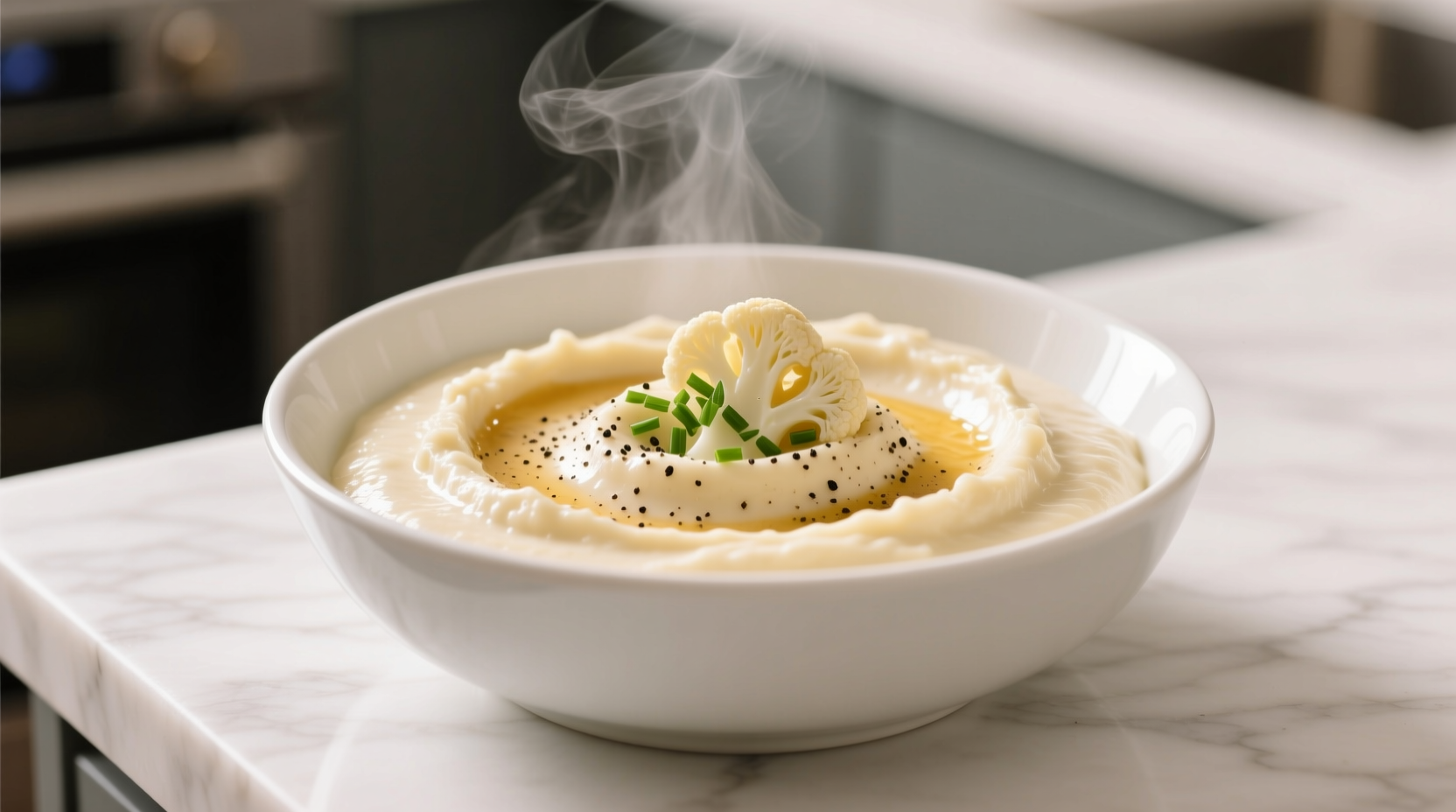
- Break 1 large head cauliflower into florets (about 4 cups). Steam 12 minutes until fork-tender—not mushy.
- Transfer florets to a clean kitchen towel. Squeeze out every drop of water (this is non-negotiable).
- In a food processor, blend squeezed cauliflower with 2 tbsp butter, 1 minced garlic clove, 2 tbsp cream, salt, and white pepper for 60 seconds.
- Taste and adjust: need richness? Add more butter. Bland? Hit it with salt. Too thick? Tiny splash of milk.
Avoid These 3 Rookie Mistakes
From years of kitchen disasters (and fixing them), here's what actually matters:
- Skipping the squeeze: Wet cauliflower = watery puree. I use a tea towel over the sink—trust me, you'll get 1/4 cup water out.
- Over-blending: It heats up and gets gluey. Pulse in 10-second bursts max.
- Using wrong fat: Olive oil makes it bitter. Stick to butter or ghee for that creamy mouthfeel.
Everything You Need to Know
Yes—swap butter for 2 tbsp olive oil and cream for unsweetened almond milk. I've tested this with vegan guests; they couldn't tell the difference. Just avoid coconut milk (it adds sweetness).
Up to 4 days in an airtight container. Reheat gently with a splash of milk—microwaving it straight makes it grainy. Fun fact: it freezes great for 2 months (thaw overnight in fridge).
Classic overcooking or under-squeezing. Steam just until tender (12 mins max), and wring florets like you're mad at them. If it's still grainy, blend longer—but watch the clock; 90 seconds is the sweet spot.
Absolutely—cauliflower has 70% fewer carbs and double the fiber of potatoes. It's packed with vitamin C and K, per USDA data. But remember: adding butter/cream affects calories, so measure those if you're counting.
More Articles
 What Are Sesame Seeds? Definition, Types, Uses & Benefits
 Avocado Oil Potato Chips: Facts vs. Hype
 Sweet Potato Casserole with Condensed Milk (2026)
 Mace Spice: Nutmeg's Delicate Sibling
 Perejil: Meaning, Uses, and Storage Tips for Spanish Cuisine
Berbere Buying Guide: How to Choose Fresh, Authentic Ethiopian Spice Blend
Perejil: Meaning, Uses, and Storage Tips for Spanish Cuisine
Berbere Buying Guide: How to Choose Fresh, Authentic Ethiopian Spice Blend
 Coriander vs Cilantro: Same Plant, Two Spices
 Spice History: Origins & Trade Routes
 Mustard Tree: Spicy Secrets & Surprising Facts (2026)
 Black Honey: Types, Benefits & Authenticity (2026)