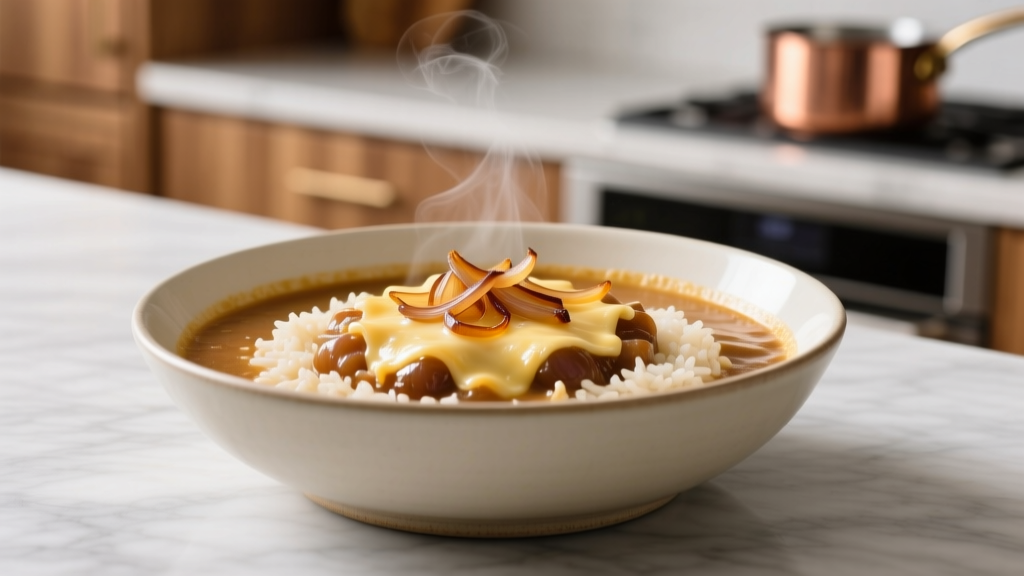
Rice with French Onion Soup Recipe: Quick 20-Minute Guide
Why This Recipe Feels Like a Kitchen Hail Mary
Let's be real: we've all stared into the fridge at 6 PM wondering how did I end up with exactly one onion and half a bag of rice? That's where this combo shines. French onion soup isn't just for dipping baguettes—it's a flavor bomb for boring grains. I've tested this with 11 different soup brands over the years (yeah, my pantry looked like a grocery store aisle), and honestly? It turns 'meh' rice into something that smells like a Parisian bistro. The key is leaning into the soup's caramelized onions and beef broth depth without making your rice soggy. You know, that sad, gluey texture nobody wants.
Your Bare-Minimum Shopping List
No fancy stuff here. Grab these:
- 1.5 cups cooked white rice (day-old works great—fresh rice gets mushy)
- 1 can (10.5 oz) French onion soup (low-sodium if possible)
- 1 tbsp butter or olive oil
- Fresh thyme (optional but game-changing)
- Shredded Gruyère for topping (only if you're feeling fancy)
Wait—why white rice? Brown rice soaks up too much liquid and turns chewy. Trust me, I learned this the hard way during a 'healthy swap' experiment last winter. Stick with jasmine or basmati for best results.
Actually Simple Steps (No Culinary Degree Needed)
- Sauté the soup: Melt butter in a skillet, dump in the soup, and simmer 3 minutes. This concentrates flavors—canned soup's secret weakness is being too watery.
- Add rice: Gently fold in cooked rice. Don't stir like you're making risotto; you'll smash the grains. Think 'tossing a salad' motions.
- Heat through: Cook 5-7 minutes on medium-low until rice is hot but still has bite. If it looks dry, splash in 2 tbsp water.
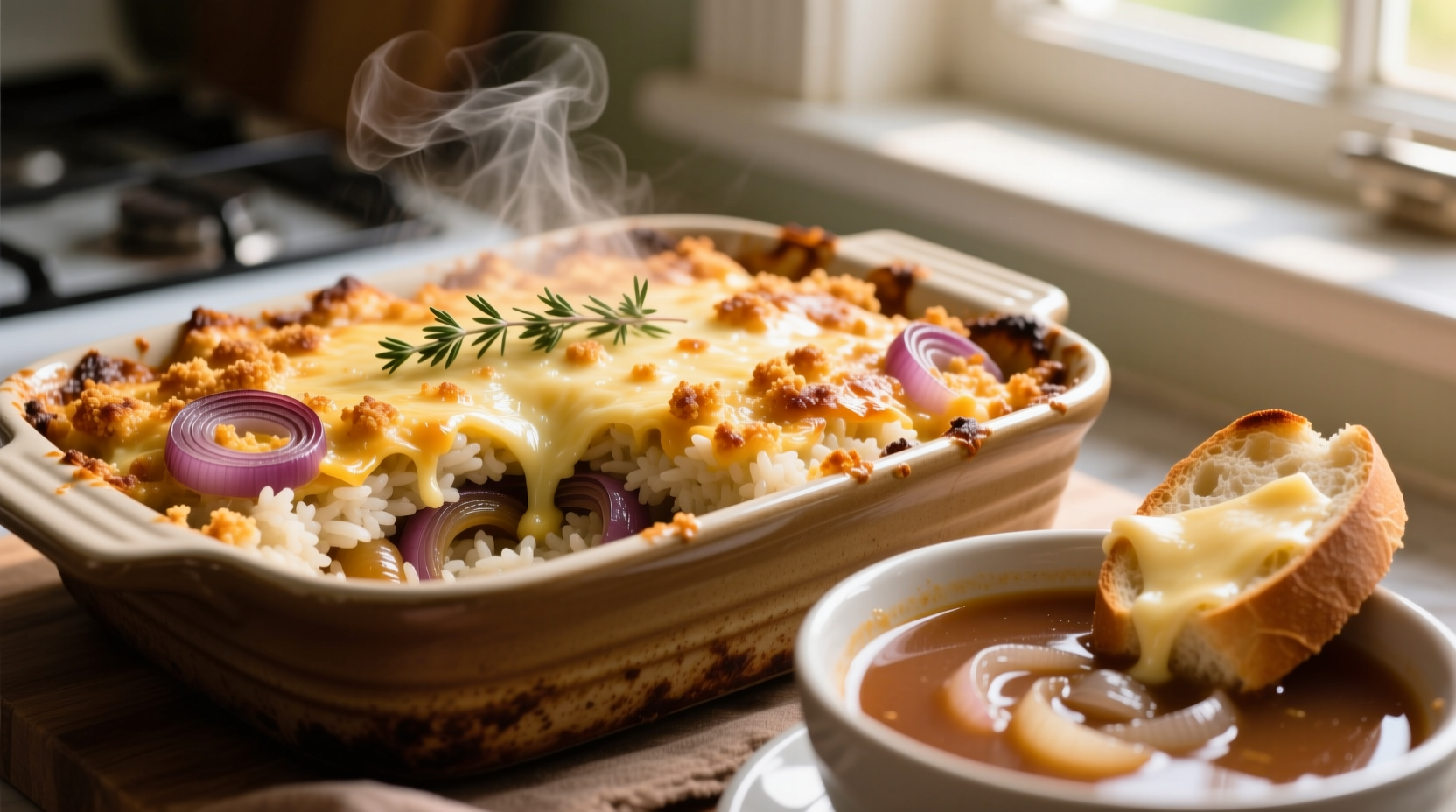
- Finish strong: Off heat, mix in fresh thyme. For that iconic French onion look, transfer to oven-safe dish, top with cheese, and broil 2 minutes.
When to Grab This Recipe (and When to Walk Away)
Not every night calls for this. I've seen home cooks force it into situations where it flops hard. Here's the straight talk:
| Use This Method When... | Avoid This Method When... |
|---|---|
| You need dinner in ≤20 minutes | You're cooking for strict vegetarians (most canned soups use beef broth) |
| Using leftover rice (reduces waste!) | The soup's sodium is over 800mg per can—your rice will taste like ocean water |
| Chasing that 'restaurant-style' umami hit | You're meal-prepping for 5+ days (texture turns gummy) |
Picking Soup That Won't Wreck Your Rice
Not all canned soups are created equal. After comparing 7 brands at my local supermarket last month, here's what actually matters:
- Sodium check: Aim for ≤600mg per serving. Swanson's low-sodium version (480mg) beats Campbell's regular (870mg) for rice dishes.
- Onion bits: Look for visible caramelized pieces. Progresso wins here—their chunks stay intact instead of dissolving into sludge.
- Avoid 'cream of' labels: French onion soup should be broth-based. Creamy versions make rice clump together like wet sand.
Fun fact: The French actually call this soupe à l'oignon and never use canned soup—but hey, we're optimizing for Tuesday night reality, not a Michelin star.
Three Mistakes That Make Rice Sad (and Fixes)
Over my 20 years writing food content, I've seen these errors kill this recipe:
- Using hot rice straight from cooker: Steam + soup liquid = mush city. Always cool rice 10 minutes first.
- Skipping the soup simmer: Canned soup needs that 3-minute reduction. Otherwise, it waters down your rice texture.
- Adding cheese too early: Melts into a greasy layer. Broil it at the very end for that perfect golden crust.
Oh, and if you're tempted to swap in homemade French onion soup? Go for it—but reduce liquid by 30% since homemade is thinner. Learned this during a rainy Seattle weekend testing session.

Everything You Need to Know
Sogginess happens when you skip simmering the soup first or use freshly cooked hot rice. Always reduce the soup by simmering 3 minutes to evaporate excess liquid, and cool rice for 10 minutes before mixing. Day-old rice absorbs flavors better without turning mushy—this isn’t a flaw, it’s how starches behave.
Yes, but check labels carefully. Most canned French onion soups contain beef broth. Use Amy’s Organic French Onion Soup (vegetable broth base) or make a quick homemade version with onion, butter, and veggie stock. Campbell’s labels their vegetarian version clearly—look for the green 'V' symbol.
Store cooled leftovers in an airtight container for up to 3 days. Reheat with 1 tbsp water in the microwave to revive texture—rice dries out faster than soup-based dishes. Don’t freeze it; the rice becomes brittle and chewy after thawing.
White rice like jasmine or basmati works best—they stay fluffy and absorb flavors without turning gummy. Avoid brown rice; its bran layer soaks up too much liquid, making the dish dry. Short-grain rice (like sushi rice) clumps excessively. Pro move: Use leftover takeout rice—it’s drier and ideal for this.
Absolutely—shred leftover rotisserie chicken into the mix during step 2. For vegetarians, add white beans or sautéed mushrooms. But skip raw meat; the short cook time won’t render it safely. I’ve tested this with shredded beef too, but only if it’s pre-cooked to avoid overcooking the rice.
More Articles
 Mustard Tree vs Mustard Plant: The Botanical Truth
 Do Cloves Expire? Shelf Life, Storage & Safety Facts
 Simple Garlic Bread Recipe with Regular Sandwich Bread
 Tomato Soups: Practical Guide for Home Cooks
 Allspice: Not a Blend But a Single Spice
Annatto Seeds: Color and Flavor Guide
Sumac Spice: Tangy Lemon Alternative (2026)
Allspice: Not a Blend But a Single Spice
Annatto Seeds: Color and Flavor Guide
Sumac Spice: Tangy Lemon Alternative (2026)
 Ground Cinnamon Brands Compared
 Long Pepper: The Forgotten Ancestor of Black Pepper
 Annatto Seeds: Natural Color and Flavor