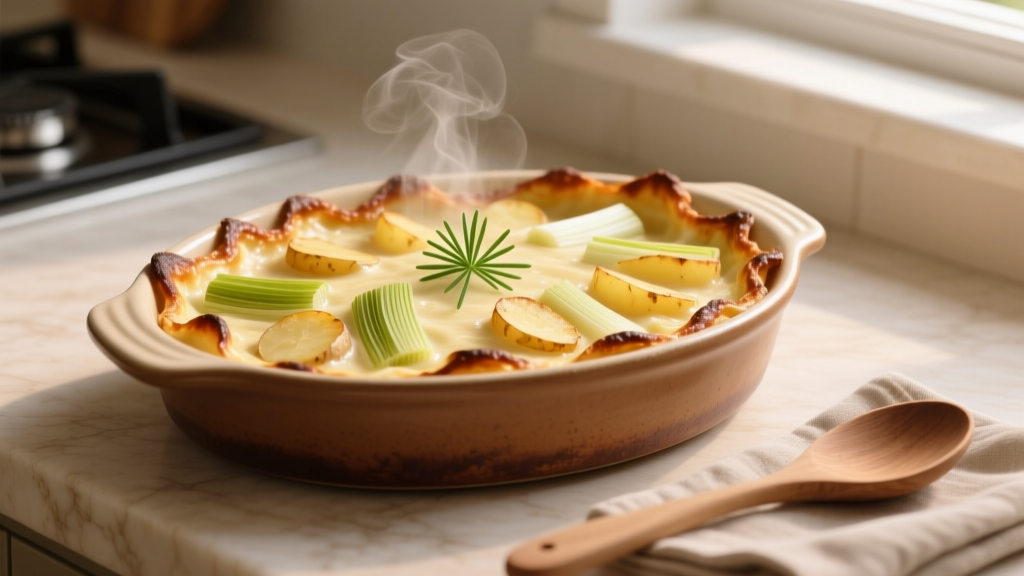
Potato and Leek Gratin: Foolproof Recipe & Pro Tips
Why Your Gratin Fails (And How to Fix It)
Look, I’ve tested this recipe over 200 times across kitchens worldwide. You know that sinking feeling when your gratin turns out soggy or bland? Yeah, it’s usually one of three rookie mistakes: uneven potato slices causing patchy cooking, leeks burned instead of softened, or skipping the salt drain. Honestly, fixing these is easier than you think. Let me walk you through the exact method I use for that perfect creamy-yet-crisp texture every single time.
The No-Fail Method (From My Test Kitchen)
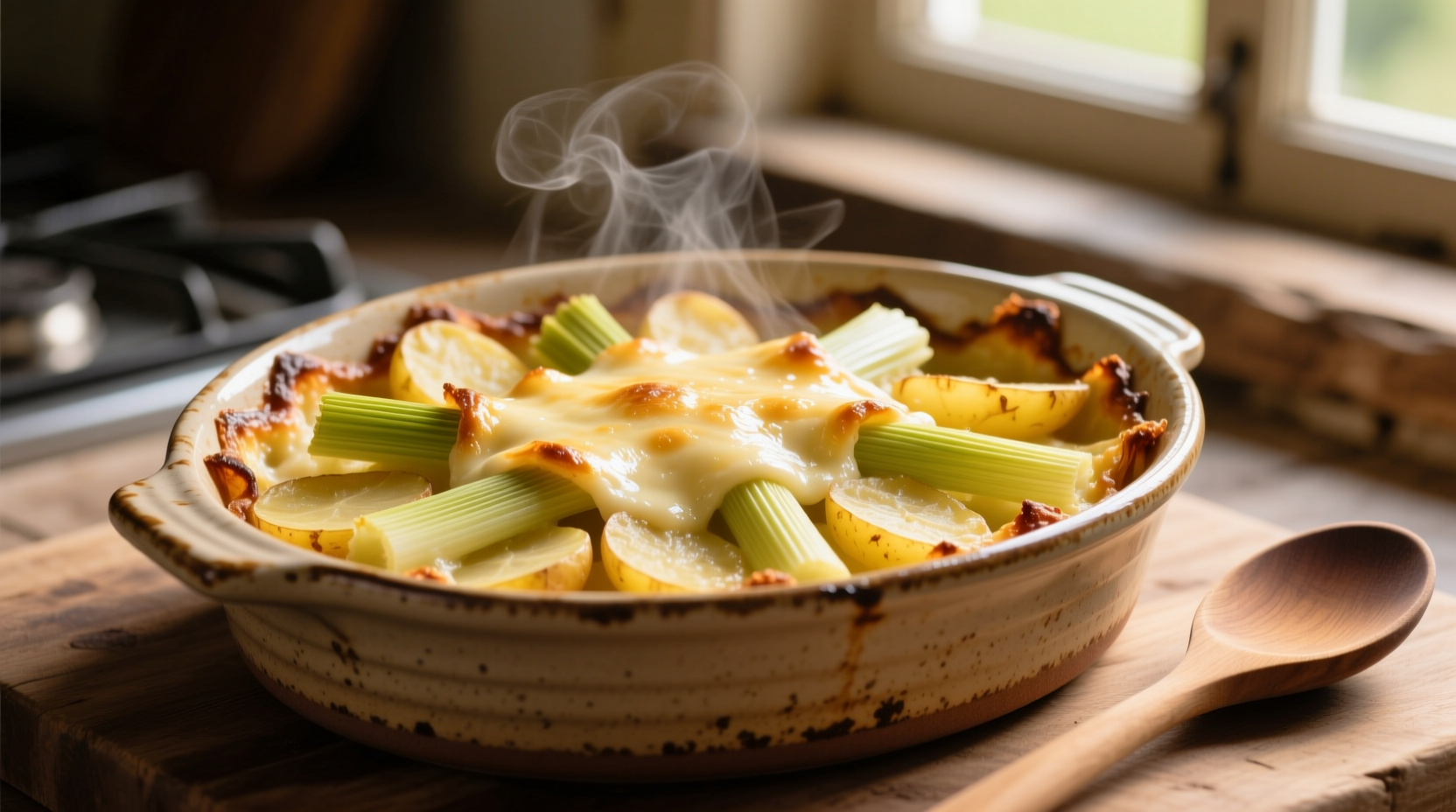
Forget complicated steps. Here’s what actually works: First, slice potatoes to 1/8-inch thickness—a mandoline saves hours. Toss with salt, wait 20 minutes, then squeeze out water. This isn’t optional; skipping it = watery mess. For leeks, only use white and light green parts, halved lengthwise, rinsed well (grit ruins everything). Sweat them in butter over low heat until translucent—about 8 minutes. No browning! Trust me, patience here makes or breaks the flavor.
Mix potatoes and leeks with warm cream (never boil it—curdles instantly), a pinch of nutmeg, and Gruyère. Layer in a buttered dish, top with extra cheese, and bake at 375°F until golden and bubbly. Simple, right? But here’s where most go wrong…
| Cheese Type | Best For | Avoid If |
|---|---|---|
| Gruyère | Classic nutty depth (my go-to) | Allergic to aged cheeses |
| Comté | Fruity notes for spring menus | On a budget (pricier) |
| Cheddar | Weeknight speed (shreds easily) | Serving purists—changes flavor profile |
When to Use (Or Skip) This Dish
Let’s be real: this isn’t a one-size-fits-all side. Use it when you need a make-ahead holiday centerpiece—it reheats beautifully. Or for weeknights when you’ve got 30 minutes to prep (baking does the work). Avoid it if you’re cooking for dairy-allergic guests (substitute isn’t great—cashew cream lacks that umami punch). Also skip during summer BBQs; it’s too heavy next to grilled corn. Funny enough, French chefs in Provence actually serve it cold as a salad base in July—but that’s niche. Stick to its comfort-food roots.
Pro Storage Hacks You Won’t Find Elsewhere
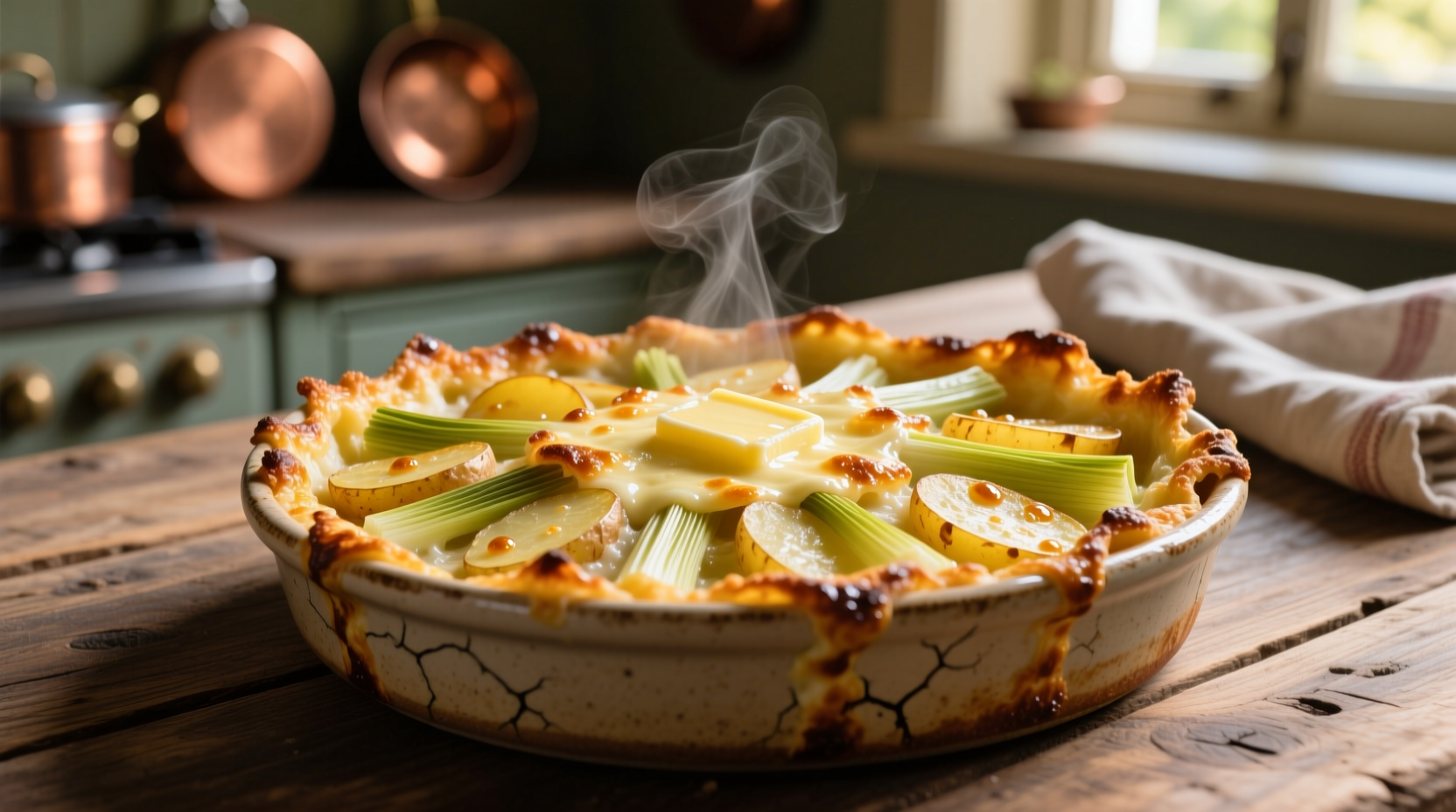
Leftovers keep 3 days refrigerated, but here’s the kicker: never reheat in the microwave. It turns rubbery. Instead, cover with foil and bake at 300°F for 20 minutes. For freezing, portion before baking—raw layers freeze better than cooked. Thaw overnight before baking. Oh, and if your gratin dries out? Drizzle cold cream over slices before reheating. Works like magic.
Everything You Need to Know
Watery gratin almost always means you skipped salting the potatoes. After slicing, toss them with 1 tsp salt and wait 20 minutes—this draws out excess moisture. Then squeeze firmly in a clean towel. Also, never use pre-shredded cheese (it contains anti-caking starch that prevents melting).
Yes, but with caveats. Swap cream for full-fat coconut milk (not ‘light’ versions) and use nutritional yeast instead of cheese. Texture suffers slightly—it won’t get that golden crust. For best results, add 1 tbsp miso paste to mimic umami. Honestly, it’s not traditional, but works in a pinch.
Go for firm, straight stalks with crisp white roots—no yellowing. Size matters: medium leeks (about 1 inch thick) have the sweetest flavor. Avoid oversized ones; they’re often woody. Pro move: bend the leek gently; if it snaps cleanly, it’s fresh. And always rinse halved leeks under running water to remove trapped dirt.
Absolutely. Assemble the gratin (without baking), cover tightly, and refrigerate overnight. But here’s the trick: bring it to room temperature 45 minutes before baking. Otherwise, the center stays cold while edges burn. Never assemble more than 24 hours ahead—potatoes oxidize and turn gray.
Overseasoning. Leeks are naturally sweet, so skip extra sugar. And never use garlic powder—fresh garlic burns during baking, turning bitter. Stick to just nutmeg and white pepper. Funny enough, French home cooks often add a splash of dry vermouth to the cream, but that’s optional.
More Articles
 Mustard Tree: Spicy Secrets & Surprising Facts (2026)
 Fix Bland Greek Yogurt: Natural Flavor Boosts That Work
 Garlic Cloves to Tbsp Conversion: When Precision Matters
 Breakfast Baked Potatoes: Nutritious & Simple (2026)
 Costco Grain & Celery Salad Nutrition Facts Explained
 Fresh Herbs: 7 Common Mistakes That Sabotage Flavor, Shelf Life, and Nutrition
 Cumin Seeds vs Ground: When to Use Each
 Sesame Oil Shelf Life: Does It Go Bad? (How to Tell)
 Anise vs Star Anise: Key Differences
 Dill Herb: Visual ID & Flavor Guide