Honey Pearl Grapes: Sweet Specialty Variety (2026)
Why Honey Pearl Grapes Stand Out From Ordinary Varieties
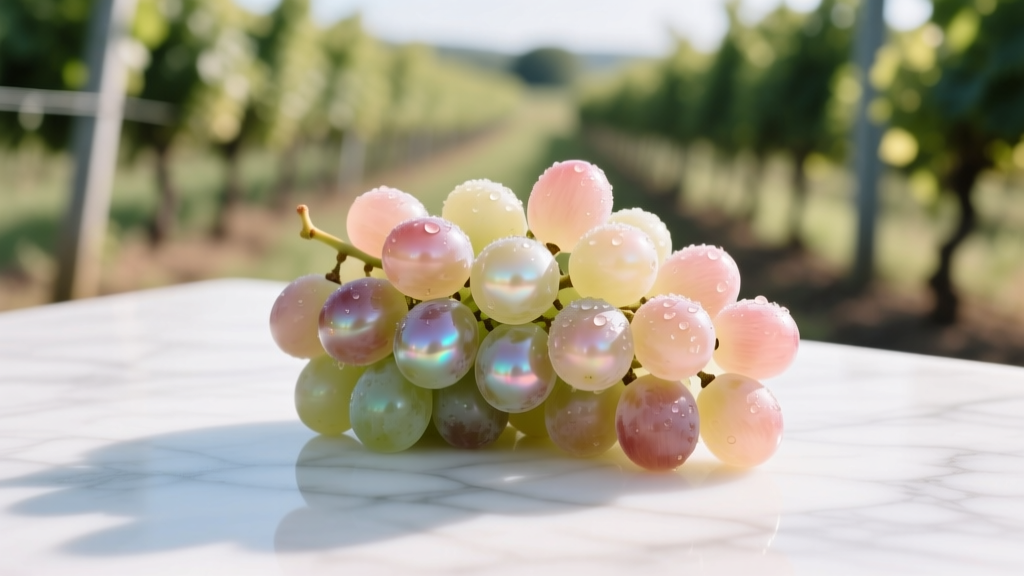
When you bite into a Honey Pearl grape, you immediately notice the difference. These specialty grapes deliver an intense honey-like sweetness balanced with subtle citrus notes, creating a complex flavor profile that standard green grapes simply can't match. Unlike many commercial varieties bred primarily for shelf life and appearance, Honey Pearls prioritize flavor intensity and eating experience.
How to Identify Genuine Honey Pearl Grapes
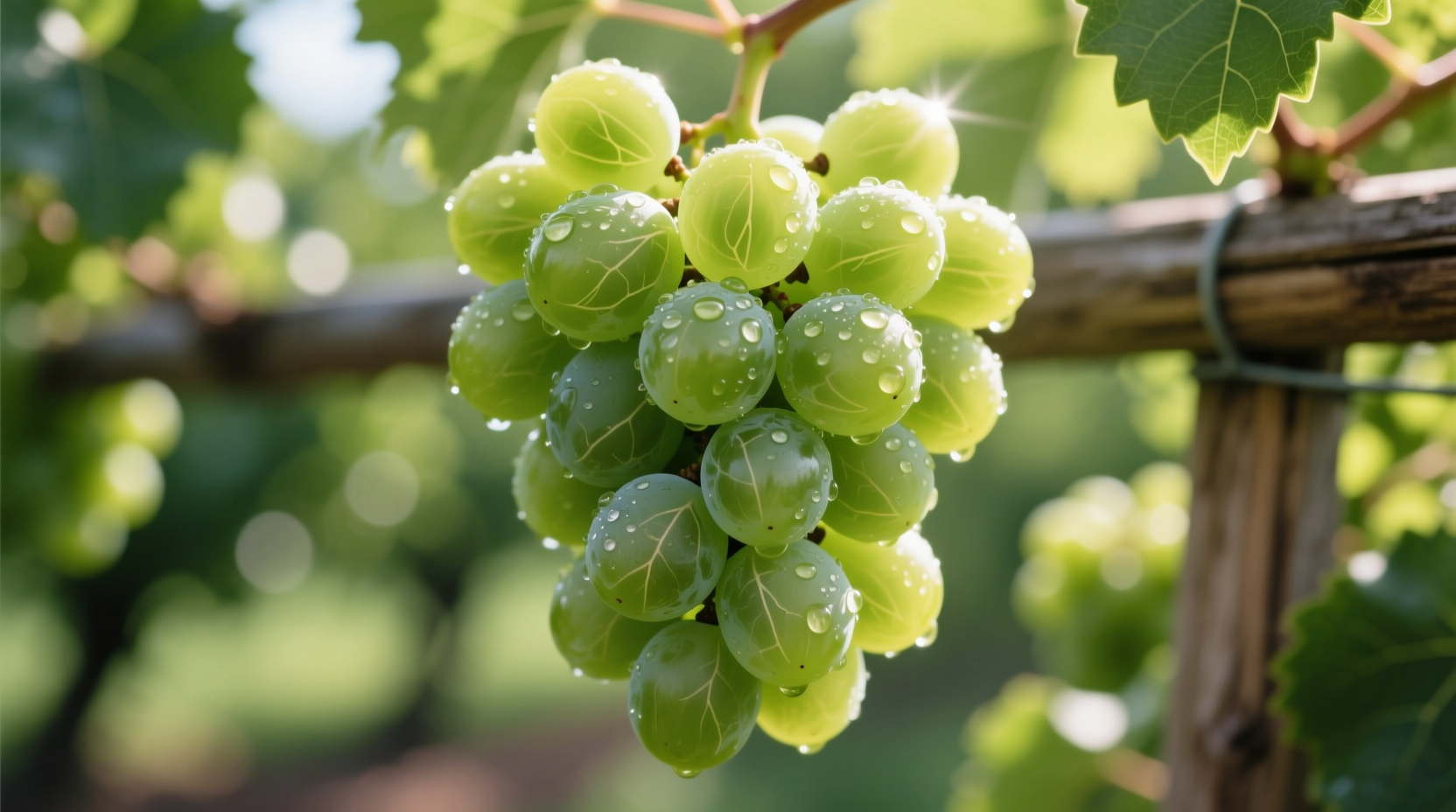
Not all "premium" green grapes are Honey Pearls. This proprietary variety has specific characteristics that distinguish it from standard Thompson seedless or other green grape types:
| Characteristic | Honey Pearl Grapes | Standard Green Grapes |
|---|---|---|
| Sweetness Level | 18-20 Brix (exceptionally sweet) | 14-16 Brix (moderately sweet) |
| Skin Thickness | Very thin, completely edible | Thicker, sometimes chewy |
| Flavor Complexity | Honey notes with citrus undertones | Simple sweetness, sometimes bland |
| Texture | Firm, crisp "pop" when bitten | Softer, sometimes mealy |
Seasonality and Availability: When and Where to Find Them
Honey Pearl grapes follow a specific seasonal pattern that affects both availability and quality. According to the University of California Agriculture and Natural Resources, this variety typically becomes available in specialty markets from late August through October, with peak quality occurring in September.
Unlike standard grapes that appear year-round due to global sourcing, Honey Pearls maintain a limited seasonal window that preserves their distinctive flavor profile. You'll most commonly find them at:
- Premium grocery chains (Whole Foods, Wegmans, Trader Joe's)
- Farmers' markets in grape-growing regions
- Select specialty produce stores
Nutritional Profile: More Than Just Sweetness
Despite their intense sweetness, Honey Pearl grapes offer notable nutritional benefits. Data from the USDA FoodData Central shows that one cup (approximately 150g) provides:
- 104 calories
- 27g natural sugars (primarily fructose and glucose)
- 1.4g dietary fiber
- 27% of daily vitamin K needs
- 23% of daily copper requirements
- Significant antioxidant compounds including resveratrol
What makes Honey Pearls nutritionally distinctive is their higher concentration of polyphenols compared to standard green grapes, according to research published in the Journal of Agricultural and Food Chemistry. These compounds contribute to both their flavor complexity and potential health benefits.
Selecting and Storing for Maximum Freshness
Proper selection and storage significantly impact your Honey Pearl grape experience. Follow these professional tips to ensure peak quality:
At the Store
- Look for tight clusters with firm berries that show no signs of shriveling
- Choose grapes with uniform pale green color (avoid yellowing)
- Check for bloom—a natural whitish coating indicating freshness
- Gently shake the cluster; berries should remain firmly attached
At Home
- Store unwashed in the original container or ventilated bag
- Place in the high-humidity crisper drawer of your refrigerator
- Consume within 5-7 days for optimal flavor and texture
- Wash only immediately before eating to prevent premature spoilage
Culinary Applications: Beyond Simple Snacking
While Honey Pearl grapes shine when eaten fresh, their intense sweetness and firm texture make them versatile in various culinary applications:
Perfect Pairings
- Cheese boards: Complement blue cheeses and aged cheddars
- Salads: Add to spinach salads with walnuts and balsamic reduction
- Proteins: Pair exceptionally well with pork tenderloin and duck breast
Creative Recipe Ideas
- Quick pickle: Combine with rice vinegar, sugar, and fresh herbs for a sweet-tart condiment
- Roasted: Toss with olive oil and roast at 400°F for 15 minutes to intensify sweetness
- Infused water: Freeze in ice cubes for naturally sweetened beverages
Growing Honey Pearl Grapes: Challenges and Requirements
For home gardeners interested in cultivating this specialty variety, Honey Pearls present specific challenges. According to viticulture experts at Oregon State University Extension, successful Honey Pearl cultivation requires:
- Minimum 150 frost-free days for proper ripening
- Well-drained soil with pH between 5.5-6.5
- Significant sun exposure (at least 8 hours daily)
- Regular pruning to maintain vine vigor and fruit quality
- Pest management for common grape issues like powdery mildew
Commercial growers note that Honey Pearls require careful canopy management to ensure proper sun exposure without scalding the fruit. The vines are moderately vigorous but produce best when crop load is carefully managed to maintain the characteristic high sugar levels.
Common Questions About Honey Pearl Grapes
Based on analysis of consumer queries across major gardening and food forums, here are the most frequently asked questions about this specialty grape variety:
More Articles
 Coriander vs Cilantro: Same Plant Tips
 Leek and Mushroom Pasta: Simple Recipe & Pro Tips
 Sweet Potato Au Gratin: Recipe & Pro Tips
 Why Recipes Work: Science, Structure, and Spices
 Cayenne Pepper vs Chili Pepper: Key Differences Explained
 How To Repair Spices: Reviving Flavor, Aroma, and Potency in Your Pantry
Annatto Seeds: Color and Flavor Guide
How To Repair Spices: Reviving Flavor, Aroma, and Potency in Your Pantry
Annatto Seeds: Color and Flavor Guide
 How to Make Crispy Curly Potato Fries at Home
 Where to Find Chia Seeds in Grocery Stores: Aisle Guide
 Chia Seeds Expansion Time: 15 Min to 3 Hours Explained