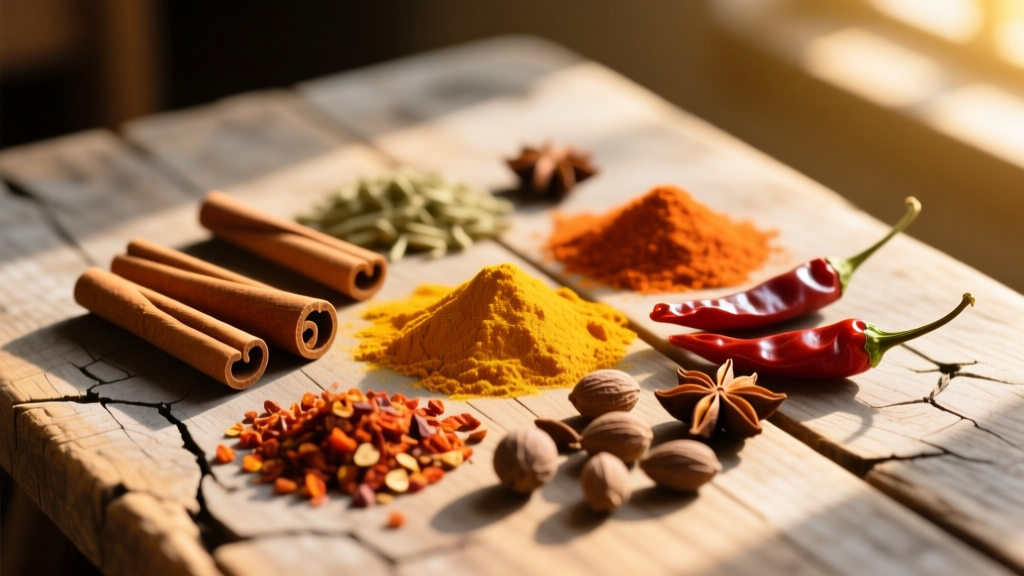
Fennel Seeds for Digestion: A Practical Guide
Fennel Seeds and Digestive Health
Fennel seeds (Foeniculum vulgare) have been used as a digestive aid for over 2,000 years. Ancient Romans chewed them after meals, Indian restaurants still offer them as mukhwas (mouth freshener), and modern gastroenterology is confirming their effectiveness through clinical research.
How Fennel Seeds Aid Digestion
Fennel seeds contain anethole, fenchone, and estragole — volatile compounds that relax smooth muscles in the gastrointestinal tract. This antispasmodic action helps relieve bloating, cramping, and gas. Research published in the International Journal of Molecular Sciences shows that fennel extract stimulates bile flow, improving fat digestion.
Clinical Evidence
A 2023 randomized controlled trial found that fennel seed extract significantly reduced symptoms of irritable bowel syndrome (IBS) in participants compared to placebo. The study measured bloating, abdominal pain, and bowel movement regularity, with fennel showing consistent improvements across all metrics over an 8-week period.
Practical Ways to Use Fennel
- Chew 1/2 teaspoon of seeds after heavy meals
- Steep crushed seeds in hot water for fennel tea (10 minutes)
- Add ground fennel to bread dough and crackers
- Toast seeds lightly before adding to curries and stews
- Mix with cumin and coriander for a digestive spice blend
Fennel Tea Recipe
Crush 1 teaspoon of fennel seeds with a mortar and pestle. Pour 8 oz of boiling water over the crushed seeds. Cover and steep for 10 minutes. Strain and drink warm. Add honey and lemon for enhanced flavor. Drink 2-3 cups daily for optimal digestive support.
Precautions
Fennel seeds are generally safe in culinary amounts. However, pregnant women should consult their healthcare provider before consuming medicinal amounts. Fennel may interact with estrogen-sensitive conditions due to its phytoestrogen content.
More Articles
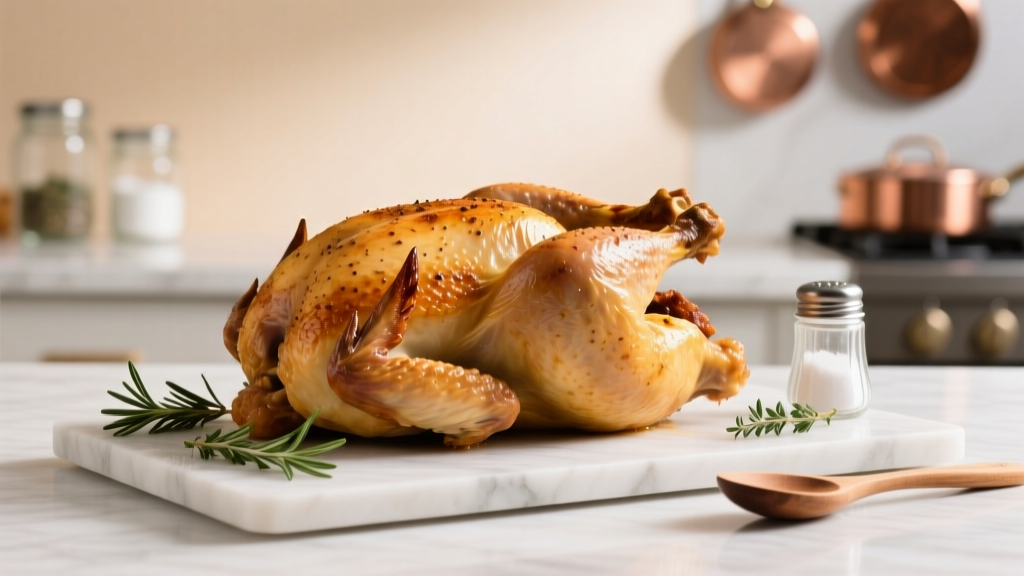 Dry Brine Chicken: Flavor-Boosting Method (2026)
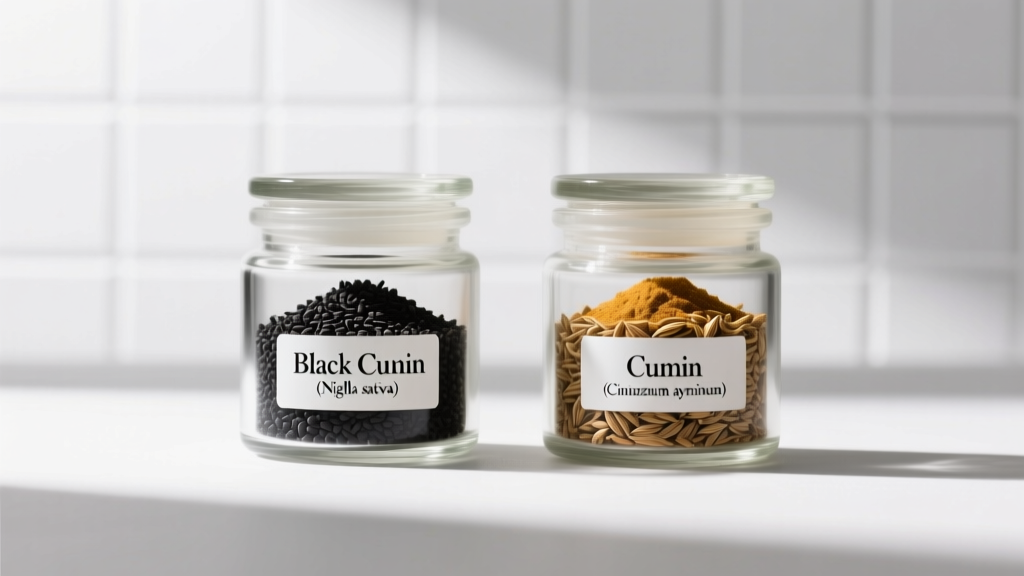 Black Cumin vs Cumin: Clear Botanical & Culinary Differences
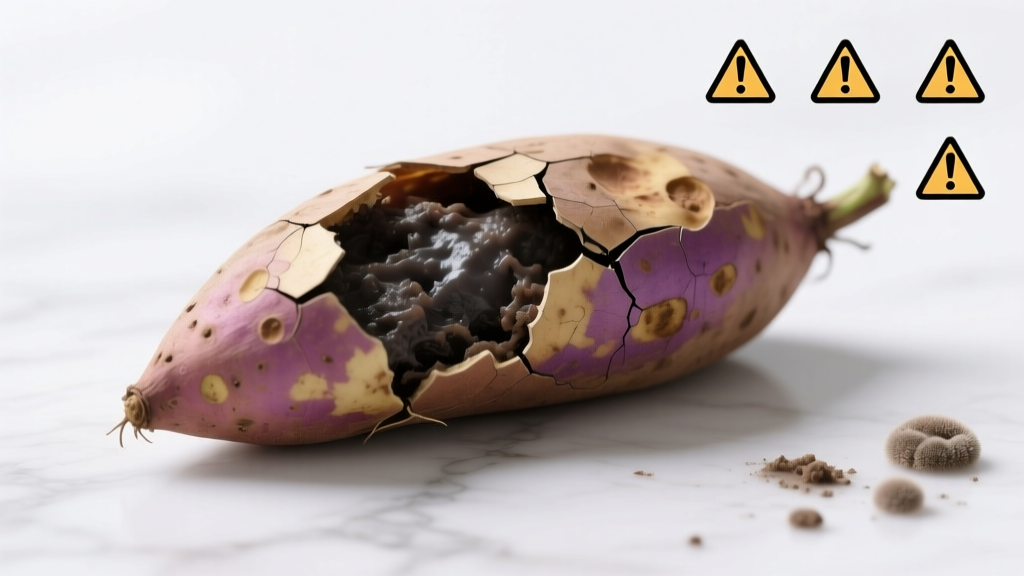 How to Identify a Bad Sweet Potato: 5 Clear Warning Signs
Sumac Spice: A Complete Overview
 What Is Black Pepper Made Of: Complete Explanation
 Best Dishes to Serve with Potato Rosti: Complete Guide
 Sausage Potato Slow Cooker: Simple One-Pot Dinner Guide
 Creamy Cauliflower Cheese Soup Recipe: Simple & Healthy
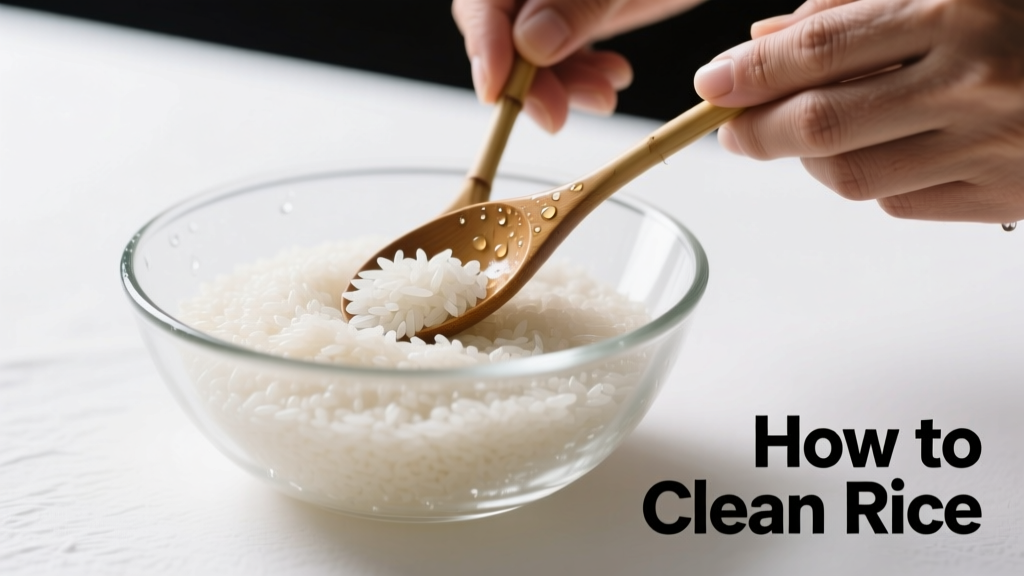 How To Clean Rice: Science, Technique, and Culinary Best Practices
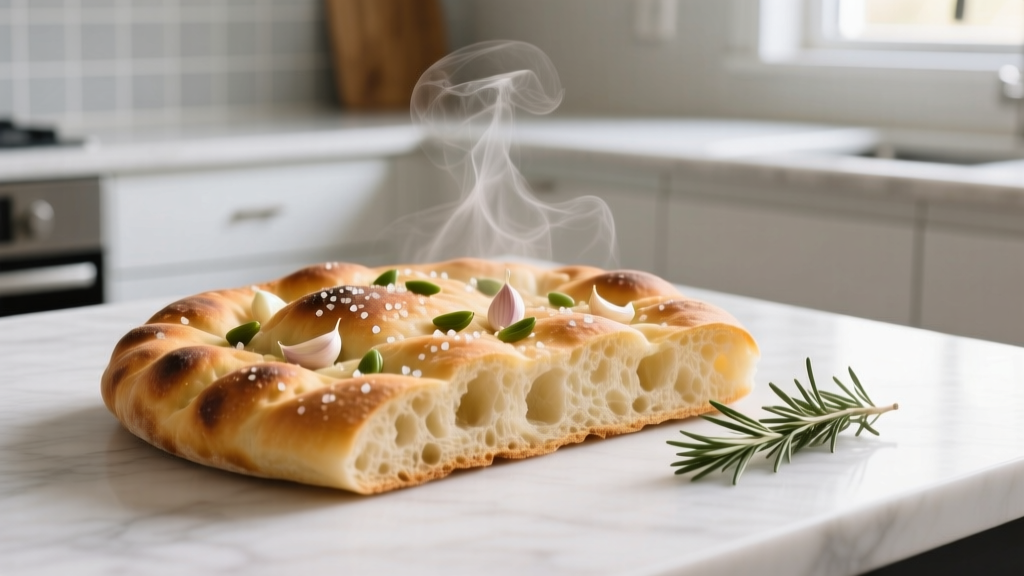 Garlic Focaccia Bread: Perfect Recipe & Pro Tips