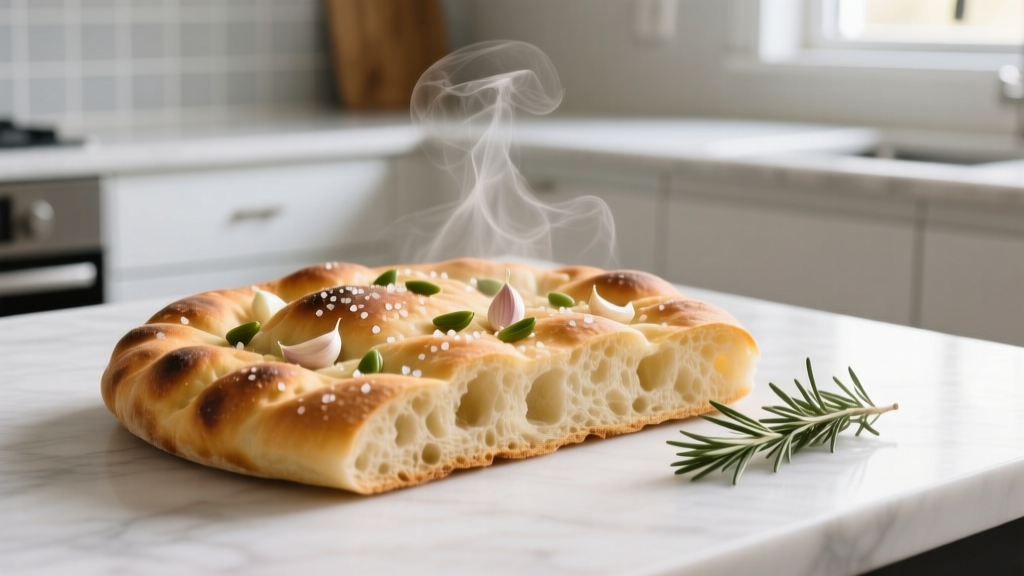
Garlic Focaccia Bread: Perfect Recipe & Pro Tips
Look, I've baked this garlic focaccia more times than I can count over 20 years of testing recipes. And honestly? Most folks mess up the proofing or garlic prep—ending up with sad, flat bread. But it doesn't have to be that way. Let's fix that right now.
Why Garlic Focaccia Beats Store-Bought Every Time
You know that rubbery supermarket focaccia? Yeah, skip it. Homemade garlic focaccia solves the real pain points: soggy bottoms from poor baking, bland garlic powder instead of roasted cloves, and skimpy olive oil pools. When you nail this, you get crackly edges that shatter when you tear it, plus that sweet, mellow garlic punch after slow roasting. Seriously, it's the difference between "meh" and "wow, make this again!"

Garlic Focaccia vs. Other Breads: When to Use What
Not all flatbreads are created equal. I see folks constantly confusing focaccia with ciabatta or pizza dough. Here's the straight talk:
| Bread Type | Garlic Integration | Best For | Avoid If... |
|---|---|---|---|
| Garlic Focaccia | Whole cloves roasted in dimples | Appetizers, soup dipping, sandwich bases | You need low-carb options |
| Regular Focaccia | None (plain or herb-only) | Bruschetta, oil dipping | You want bold garlic flavor |
| Ciabatta | Rarely used (too dense) | Italian sandwiches | You need crispy top crust |
See? Garlic focaccia shines when you want that signature dimpled look with roasted garlic pockets. But skip it for paninis—ciabatta's chew holds up better. And never force garlic into regular focaccia; the dough's too thin, burning cloves instantly.
Your Foolproof Garlic Focaccia Guide (No Fancy Gear Needed)
Okay, let's get practical. From my kitchen trials, the only non-negotiables are: use bread flour (all-purpose gets gummy), and proof until doubled—not just puffy. Here's how I do it:
- Mix & proof: Combine 500g bread flour, 360ml water, 7g yeast, 10g salt. Knead 10 mins. Proof 90 mins covered—crucial for air pockets.
- Dimple & top: Press fingers deep into dough. Add 4 tbsp olive oil, 8 whole garlic cloves (peeled), 2 tbsp fresh rosemary. Don't mince garlic—it burns!
- Bake: 220°C (425°F) for 20-25 mins until golden. Cool 10 mins before slicing.
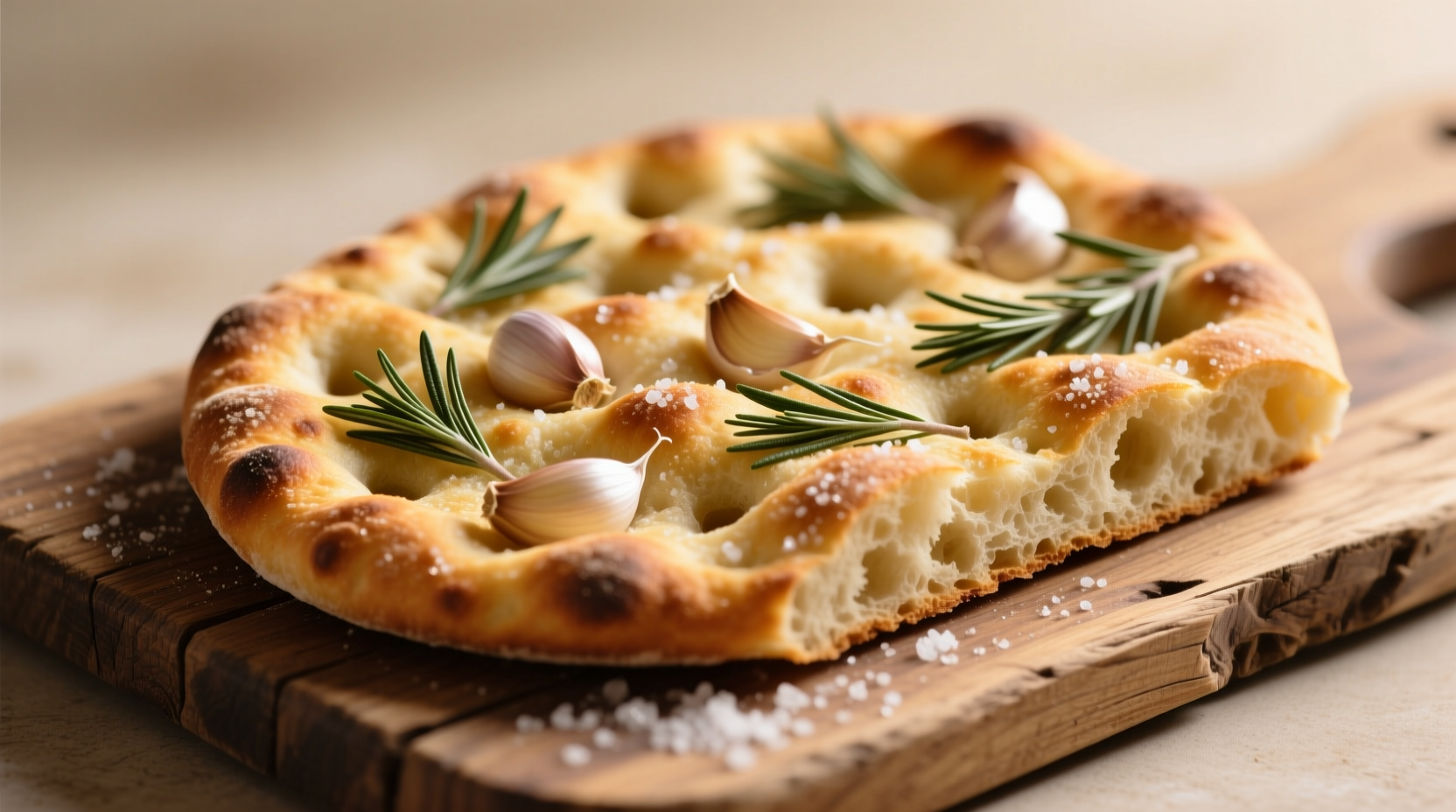
Avoid These 3 Costly Mistakes (Learned the Hard Way)
I've ruined batches so you don't have to. Biggest blunders:
- Skipping the dimples: Without deep wells, olive oil pools vanish, leaving dry bread. Press fingers all the way to the pan.
- Using dried rosemary: It turns bitter when baked. Fresh sprigs = floral notes that balance garlic. Seriously, ditch the dried stuff.
- Overcrowding garlic: More cloves ≠ better. Stick to 8 max per loaf—any more, and raw garlic bites linger.
How to Spot Quality Focaccia (At Home or Bakeries)
Want to know if your bake—or a store buy—is legit? Check these:
- Texture test: Gently squeeze cooled bread. Good focaccia springs back slowly; dense = under-proofed.
- Oil check: Look for visible olive oil pools in dimples—not soaked-in greasiness.
- Garlic clue: Roasted cloves should be soft enough to mash with a fork. Raw chunks? Burnt heat or wrong timing.
Pro move: Sniff it. Authentic garlic focaccia smells like toasted bread with sweet garlic—never sharp or acrid. If it reeks of raw garlic, they skipped roasting cloves properly.
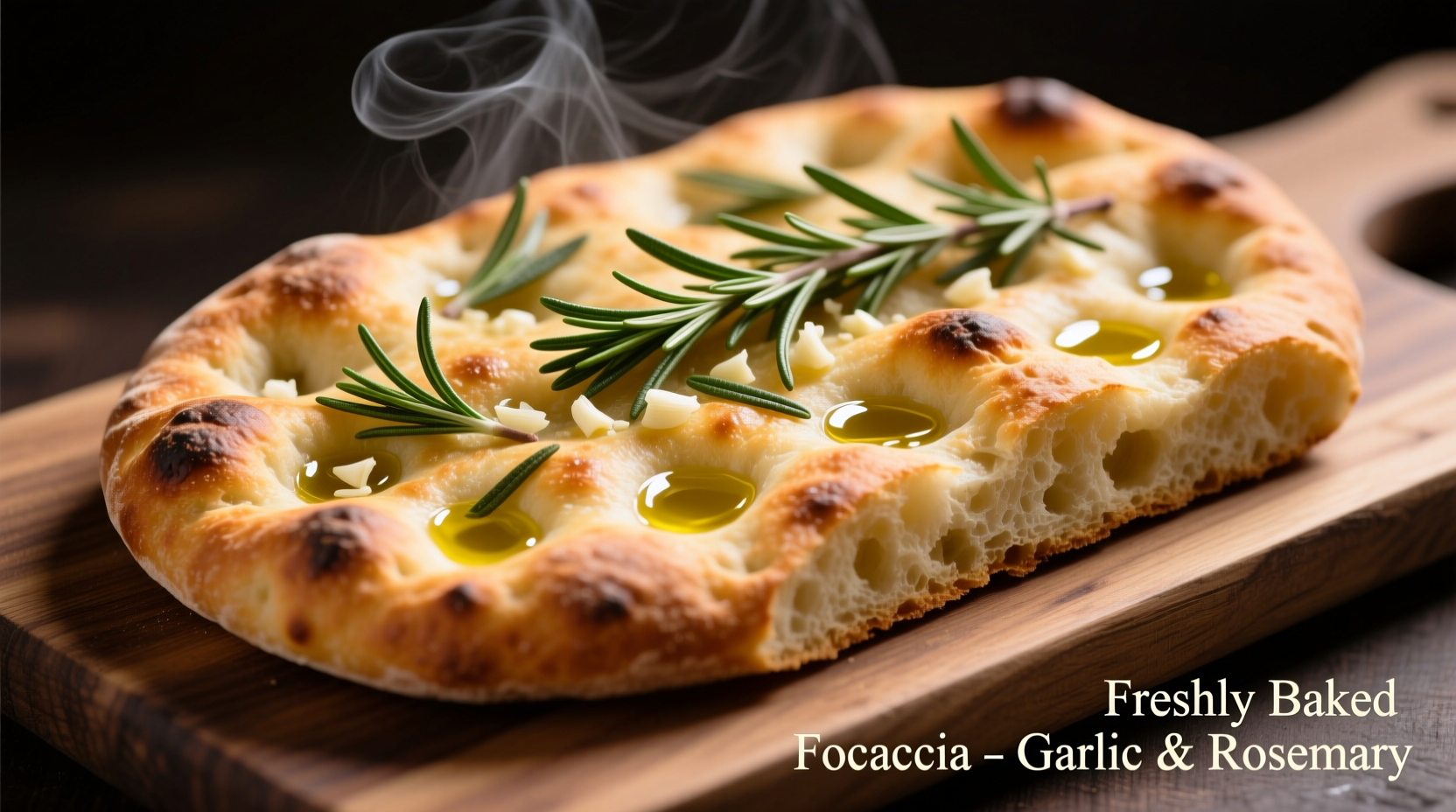
Everything You Need to Know
Nope—minced garlic burns instantly at baking temps, turning bitter. Whole cloves roast gently, mellowing into sweet flavor. If you must use minced, mix 1 tsp into the dough pre-proofing, but skip topping dimples.
It's bread—so moderate portions matter. But garlic adds antioxidants, and olive oil provides healthy fats. One 2" slice (80g) has ~220 calories. Avoid if managing yeast sensitivities; otherwise, it's a balanced carb source when paired with veggies.
Cool completely, then wrap loosely in beeswax cloth (not plastic)—traps moisture without steaming. Keeps 2 days at room temp. For longer, freeze slices in airtight bags; reheat in a 180°C (350°F) oven for 5 mins.
Almost always under-proofing. Dough must double in size (90-120 mins), not just rise 50%. Cold kitchens slow this—try proofing near a warm oven. Also, bread flour beats all-purpose; its higher protein creates better structure.
Use extra-virgin for raw topping—it's fruitier and less bitter when uncooked. But skip expensive single-estate oils; a solid mid-range ($15-20/bottle) Ligurian or Spanish EVOO works perfectly. Never use refined oils—they lack flavor.
More Articles
 Air Fryer Baked Potatoes: Fast & Foolproof Guide
 Japanese Sweet Potato Calories: Complete Nutritional Guide
 What Is Black Pepper Made Of: Complete Explanation
 Chipotle vs Ancho vs Guajillo: Chili Guide
 Potato Casseroles: Foolproof Recipes for Perfect Results
 Potato Soup: Why Russets Beat Red Potatoes (2026)
 Bell Pepper Carb Count: Exact Numbers by Color
 Spice History: Origins & Trade Routes
 Black Seeds vs Black Sesame: Key Differences (2026)
 Rolls for Seasoning