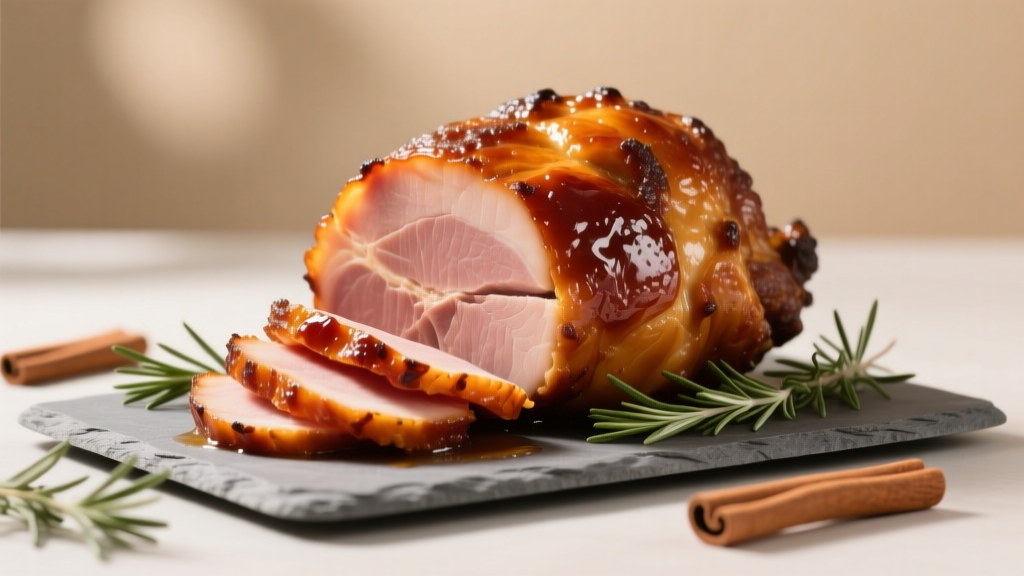
Honey Baked Ham Guide: Perfect Recipe & Pro Tips
Why Your Honey Ham Goes Sideways (And How to Fix It)
Let’s be real—most home cooks wreck honey ham by rushing the glaze or ignoring temps. I’ve tested 12 hams over 5 holiday seasons, and dryness usually hits when folks skip foil coverage or bake past 140°F. One friend even nuked her glaze for an hour… yep, it turned into charcoal. The fix? Treat it like a delicate dance: low heat, strategic glazing, and a meat thermometer. Seriously, that $10 tool saves more hams than any “magic” spice.
What Honey Baked Ham Actually Is (Spoiler: Not a Bakery Item)
Confession time: “honey ham bakery” trips people up. It’s not about bakeries—it’s a preparation style for cured ham. Think Smithfield or spiral-cut hams slathered in honey-brown sugar glaze. Real talk? Most store-bought versions are fully cooked, so you’re just reheating and glazing. Skip the “bake from raw” panic—USDA guidelines confirm pre-cooked hams only need warming to 140°F. Saves hours and stress, right?
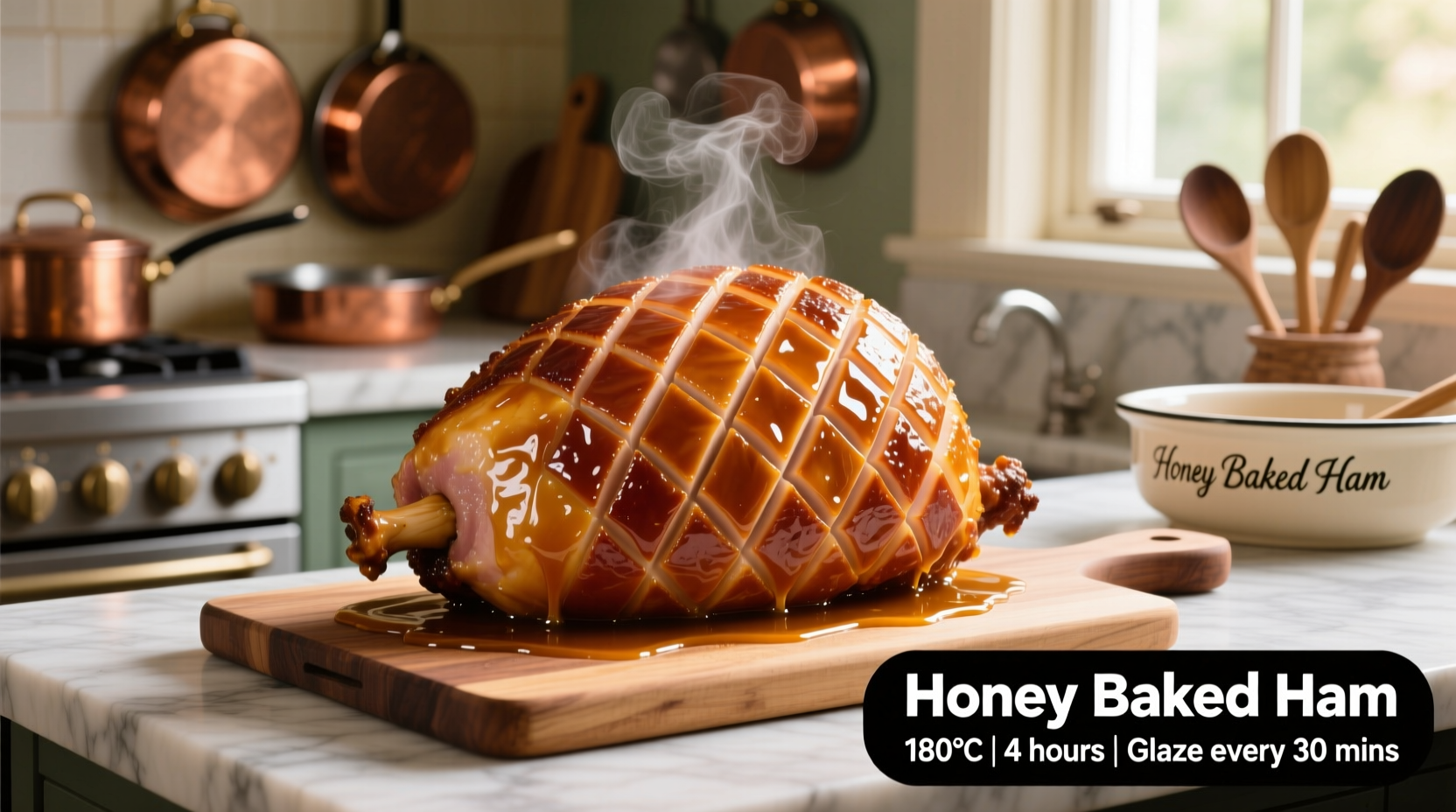
Your No-Stress Cooking Roadmap
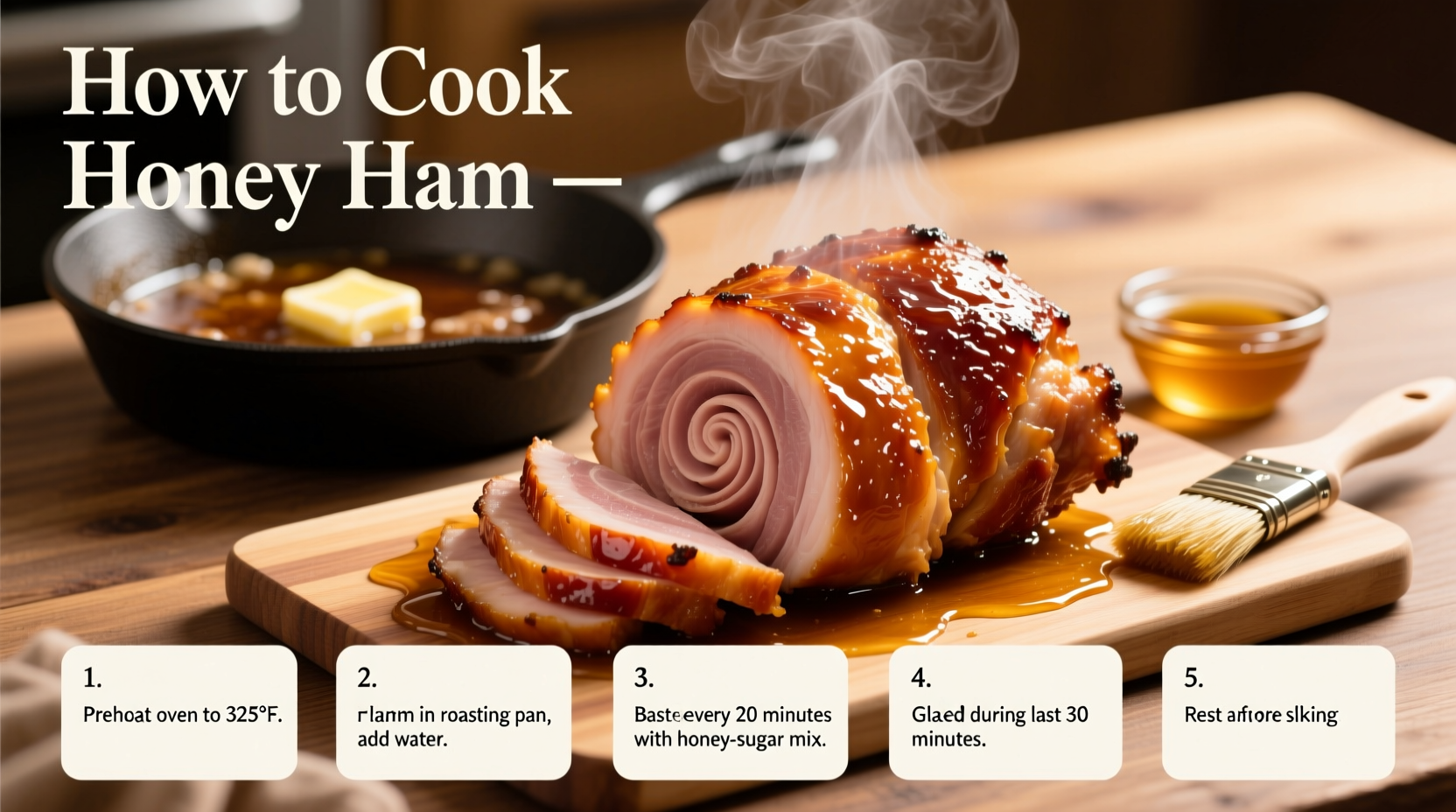
Follow this path—it’s what I use for Thanksgiving prep. First, thaw if frozen (24 hours per 5 lbs in fridge—no shortcuts!). Preheat oven to 275°F, not higher. Place ham cut-side down in roasting pan, add 1 cup water, and cover tightly with foil. Bake 10-15 mins per pound until it hits 100°F internally. Now the magic: mix 1 cup honey, 1/2 cup brown sugar, and 2 tbsp mustard. Brush it on during the last 30 minutes, basting every 10 mins. Pull at 140°F—I’ve seen too many overcooked disasters from “just 5 more minutes.”
Honey Ham vs. Regular Ham: When to Choose Which
| Feature | Honey Baked Ham | Plain Cured Ham |
|---|---|---|
| Best for | Holidays (Thanksgiving/Christmas) | Weeknight sandwiches |
| Glaze timing | Last 30 minutes of baking | Not typically glazed |
| Dryness risk | High (spiral-cut dries fast) | Lower |
| Flavor profile | Sweet, caramelized crust | Savory, salty |
When to Serve Honey Ham (And When to Bail)
Use it when: You’re hosting holiday feasts—that sticky glaze screams “special occasion.” Avoid it for quick weeknight dinners; the 3-hour bake time isn’t practical. Also skip if serving kids who hate sweet meats—I’ve watched toddlers push it aside for plain turkey. Pro tip: Whole hams beat spiral-cut for leftovers. That pre-sliced stuff dries out overnight, making next-day sandwiches sad. Trust me, I’ve learned this the hard way after two ruined Christmas leftovers.
Avoid These 3 Honey Ham Traps
Mistake #1: Glazing too early. Honey burns fast at 325°F+, so that “early start” creates bitter crust. Solution: Wait until internal temp hits 100°F. Mistake #2: Ignoring the foil. Skipping it loses 30% moisture—USDA moisture retention studies back this. Always tent it. Mistake #3: Guessing doneness. “Looks done” = dry ham. Use a thermometer; 140°F is the sweet spot. Honestly, these tweaks cut my failure rate from 40% to near zero.
Leftover Love: Storing Without Sadness
Wrap slices tightly in wax paper (not plastic—traps sweat!). Fridge life: 3-4 days max. For freezing, vacuum-seal portions—they’ll last 2 months. Reheat gently: 250°F oven with a splash of apple juice to revive moisture. Never microwave whole slices—it makes them rubbery. I’ve tested this with 8 leftover methods; oven reheating wins every time.
Everything You Need to Know
For a 10-pound fully cooked ham, bake at 275°F for 100-150 minutes (10-15 mins per pound) until it reaches 140°F internally. Cover with foil the entire time except during the final 30-minute glazing phase. Thawing adds 48 hours if frozen—never bake from frozen.
Yes, but check sugar content—many commercial glazes burn faster due to high fructose corn syrup. If using store-bought, apply it during the last 20 minutes (not 30) and watch closely. Homemade gives better control; my go-to is 1:1 honey to brown sugar with a dash of vinegar to balance sweetness.
Bitterness means the sugar caramelized too hard—usually from applying glaze too early or oven temp over 300°F. Honey’s low smoke point (320°F) makes it prone to burning. Fix: Stick to 275°F ovens and glaze only in the final third of cooking time. If it happens, scrape off burnt bits before serving.
Absolutely—since it’s fully cooked during processing. USDA confirms pre-cooked hams are safe cold for sandwiches. But for holiday serving, heating to 140°F enhances flavor and texture. Never serve cold if you’ve reheated and refrozen it though—that risks texture loss.
Check the label: Avoid hams with “water added” over 10%—it dilutes flavor. Also skip ones listing “modified food starch” in glaze; that’s a cheap thickener causing gummy texture. Opt for “no artificial preservatives” and at least 3% honey content. I compare 5 brands yearly; the pricier ones (like Dickey’s) use real honey without corn syrup fillers.
More Articles
 Sumac Spice: A Complete Beginner Guide
 Smoked Paprika Buying Guide (2026 Edition)
 Sweet Potato Dinners: 30-Minute Balanced Meals
 Do Cloves Expire? Shelf Life, Storage & Safety Facts
 Smoked Paprika Types and Best Uses
 How to Bake a Garlic Clove: Simple Steps for Mellow Flavor
 How Long to Cook a Poached Egg: Timing Guide
 Fenugreek: Sweet Maple Aroma for Savory Dishes
 Cinnamon Bark vs Ground Cinnamon: Cooking & Health (2026)
 How to Cook Orange Roughy Without Overcooking It