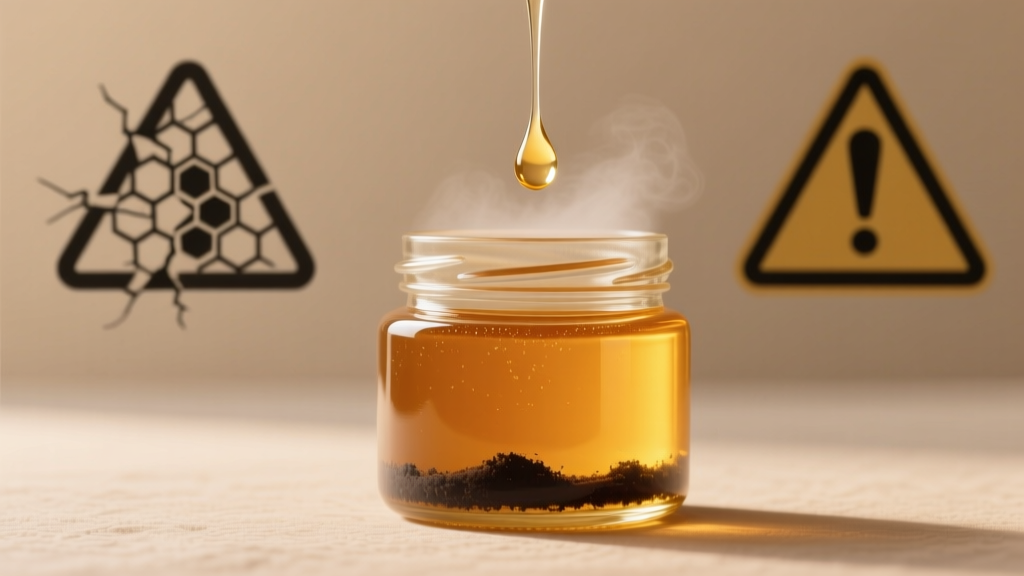
How to Tell If Honey Is Bad: 5 Clear Warning Signs
Honey rarely spoils due to its natural preservative properties, but it can go bad if contaminated with moisture or foreign substances. Signs of spoiled honey include visible mold, fermentation bubbles, sour or alcoholic smell, and unusual texture changes beyond normal crystallization. Properly stored honey remains safe indefinitely, but compromised honey should be discarded immediately.
Immediate Visual and Sensory Checks: What to Look For
When assessing your honey, start with these quick checks you can perform right at your kitchen counter. Unlike most perishable foods, honey's spoilage signs are subtle but distinct from its natural crystallization process.
| Sign | Normal Crystallization | Actual Spoilage |
|---|---|---|
| Texture | Uniform crystals throughout, smooth when stirred | Separation, watery layer, or inconsistent texture |
| Smell | Sweet floral aroma (may vary by honey type) | Sour, alcoholic, or vinegar-like odor |
| Appearance | Cloudy but consistent color | Visible mold spots (white, green, or black) |
| Bubbles | Few bubbles that dissipate quickly | Persistent foam or excessive bubbling |
Understanding Honey's Unique Preservation Properties
Honey's legendary shelf stability isn't just folklore—it's science. The National Honey Board explains that raw honey contains only 17-18% moisture, creating an environment where bacteria and microorganisms cannot survive. This low water activity level (0.6), combined with honey's natural acidity (pH 3.2-4.5) and hydrogen peroxide production, forms a triple defense against spoilage.
According to research from the USDA Agricultural Research Service, "Honey's antimicrobial properties have been documented since ancient times, with modern science confirming its resistance to microbial growth under proper storage conditions." This explains why archaeologists have found edible honey in ancient Egyptian tombs.
When Honey Actually Goes Bad: Rare but Possible
Despite honey's remarkable preservation qualities, contamination can compromise its safety. The most common causes of spoiled honey include:
- Moisture introduction - Adding water during processing or improper storage allowing humidity absorption
- Cross-contamination - Using wet utensils that introduce water and yeast
- Temperature fluctuations - Repeated heating and cooling cycles that promote crystallization and potential separation
When honey absorbs excess moisture (above 20%), naturally occurring yeast can activate, leading to fermentation. This process creates carbon dioxide (visible as persistent bubbles) and alcohol (detectable by smell). The FDA's food safety guidelines note that fermented honey develops an alcoholic or sour odor and should not be consumed.
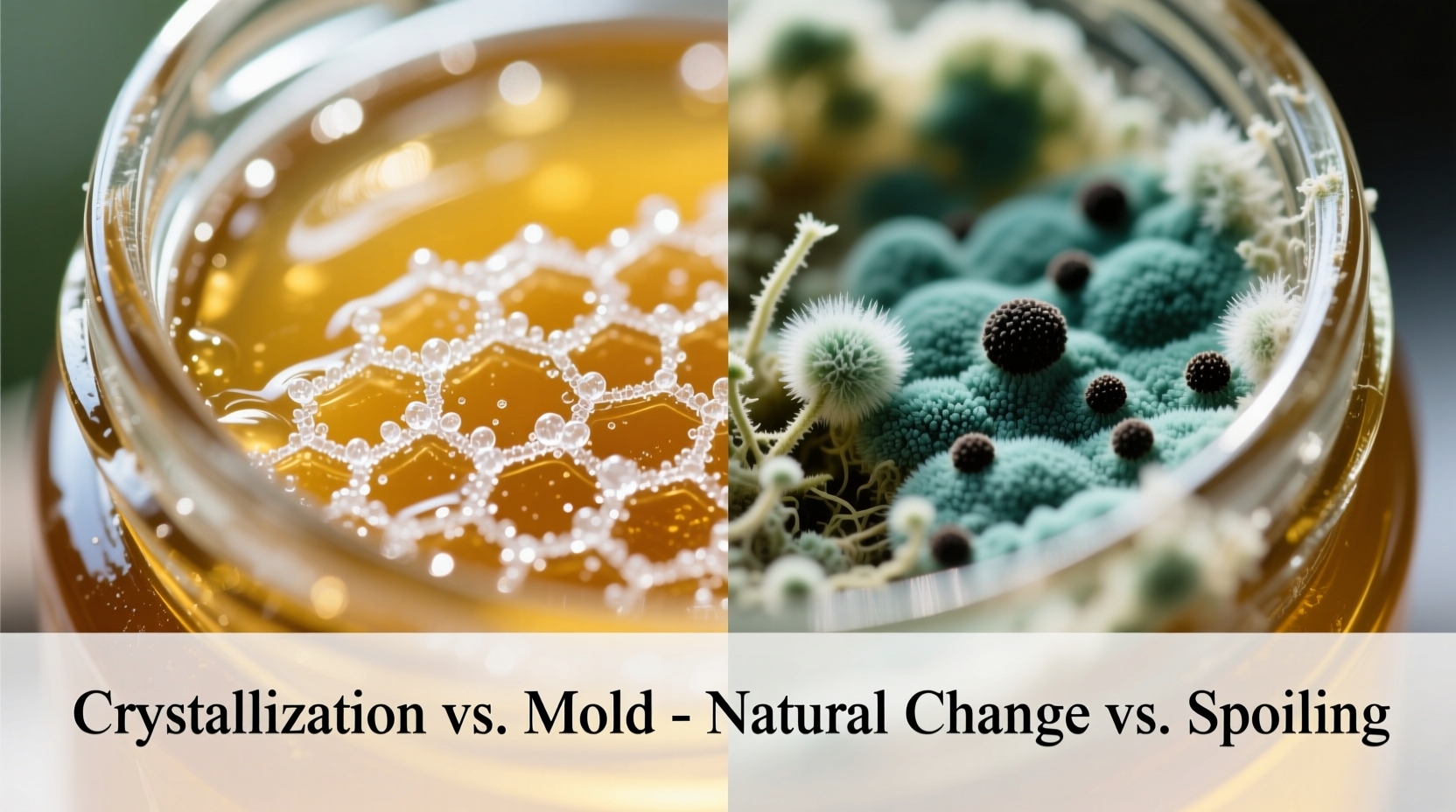
Safety First: When to Discard Honey
While crystallized honey is perfectly safe and can be restored to liquid form, certain conditions require immediate disposal:
- Visible mold growth (even small spots) - unlike jam or bread, mold in honey indicates significant contamination
- Persistent bubbling or foaming that doesn't dissipate after stirring
- Sour, alcoholic, or vinegar-like odors
- Unusual color changes beyond typical darkening over time
The University of California's Honey and Pollination Center emphasizes that "mold in honey is exceptionally rare due to its antimicrobial properties, so when present, it indicates serious contamination that compromises the entire batch." Don't attempt to scrape off mold and use the rest—discard the entire container.
Proper Storage Techniques for Maximum Shelf Life
Preventing honey spoilage is straightforward with proper storage practices:
- Store in airtight containers (glass preferred over plastic)
- Maintain consistent room temperature (60-70°F / 15-21°C)
- Keep away from direct sunlight and heat sources
- Always use clean, dry utensils when handling
- Avoid storing in refrigerators where condensation can occur
Crystallization is a natural process that doesn't indicate spoilage. To return crystallized honey to liquid form, gently warm the sealed container in lukewarm water (never exceed 110°F/43°C to preserve beneficial enzymes). The National Honey Board confirms this method maintains honey's quality without compromising its natural properties.
Common Misconceptions About Honey Spoilage
Several myths persist about honey's shelf life that deserve clarification:
- "Honey expires" - Commercial honey often has "best by" dates for regulatory compliance, not safety concerns. Properly stored honey remains safe indefinitely.
- "Darkening means spoilage" - Honey naturally darkens over time due to Maillard reactions, which affects flavor but not safety.
- "All crystallization means bad honey" - Crystallization is natural and varies by honey type (clover crystallizes faster than tupelo).
- "Raw honey spoils faster" - Raw and processed honey have similar shelf stability when stored properly.
Food safety experts at the USDA confirm that "honey is one of the few foods that doesn't require refrigeration and doesn't spoil when stored correctly." The key is preventing moisture introduction, which is the primary cause of actual spoilage.
When Honey Quality Degrades (But Remains Safe)
Sometimes honey undergoes quality changes that don't make it unsafe but affect its culinary properties:
- Excessive darkening - May develop stronger, less pleasant flavors
- Over-crystallization - Becomes difficult to use but remains safe
- Aroma loss - Floral notes diminish over extended storage
While these changes don't indicate spoilage, they may affect your cooking or tea experience. For optimal flavor, use honey within 2-3 years, though it remains safe much longer. The Academy of Nutrition and Dietetics notes that "honey's flavor profile may change over time, but its safety remains intact when stored properly."
Special Considerations for Infants and Medical Conditions
While discussing honey safety, it's crucial to mention that honey should never be given to infants under 12 months due to the risk of infant botulism, regardless of its apparent quality. The spores that cause this condition are naturally present in honey and cannot be detected by sight, smell, or taste.
Individuals with specific medical conditions or compromised immune systems should consult healthcare providers about honey consumption, as their tolerance for even minor fermentation byproducts may differ from the general population.
More Articles
 Chia Seeds Expansion Time: 15 Min to 3 Hours Explained
 Nutmeg and Mace: Two Spices from One Seed (History and Uses)
 How To Organize Your Spice Cabinet for Maximum Flavor, Efficiency, and Longevity
 How to Make Ginger Beer: Safe Homemade Recipe Guide
 Mustard Seeds: Cooking Science & Flavor Tips
 Turmeric vs Curry Powder: What's the Actual Difference?
 Sichuan Peppercorn: Understanding Mala Numbing
Best Pepper Varieties: Uses & Sourcing
Sichuan Peppercorn: Understanding Mala Numbing
Best Pepper Varieties: Uses & Sourcing
 Crispy Onion Rings: Homemade Guide Without Fail