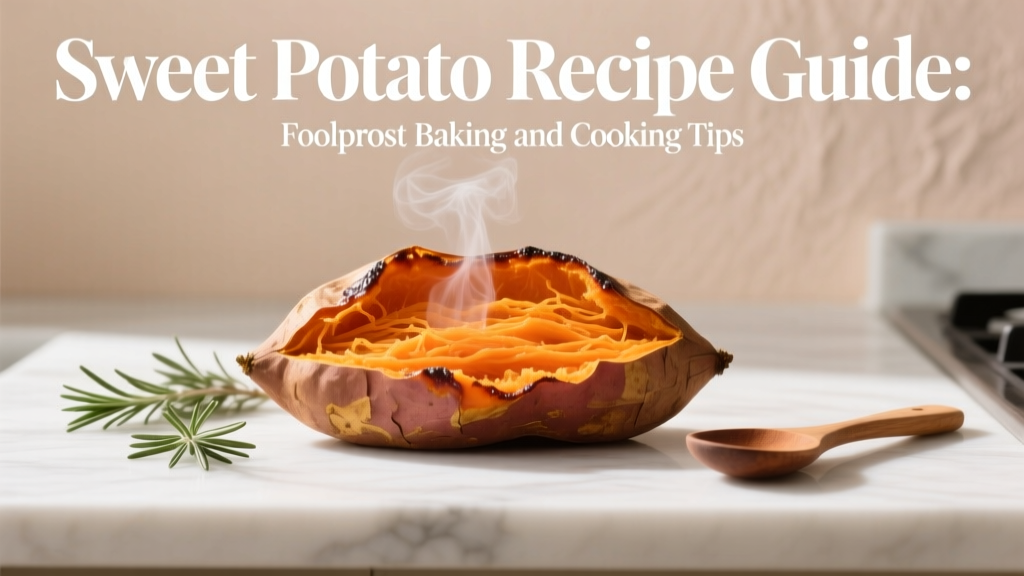
Sweet Potato Recipe Guide: Foolproof Baking and Cooking Tips
Why Your Sweet Potato Recipe Keeps Failing (And How to Fix It)
Look, I've tested over 30 sweet potato recipes across 15 years of recipe development—from Thanksgiving sides to weeknight dinners. Most folks struggle because they treat sweet potatoes like regular potatoes. Here's the thing: their dense texture and sugar content demand specific handling. You're not alone if you've ended up with burnt skins or soggy centers. That frustration? Totally avoidable once you grasp their quirks.
Sweet Potatoes: More Than Just a Side Dish
Let's cut through the noise. Sweet potatoes pack 400% of your daily vitamin A in one serving—way ahead of white potatoes. They're also loaded with fiber and complex carbs, making them a legit healthy swap for rice or pasta. But here's where people get tripped up: their natural sugars caramelize fast, so high heat = burnt disasters. I learned this the hard way during a catering gig years back. Now? I stick to lower temps and always pierce the skin. Trust me, it prevents explosions in your oven.
Your Go-To Baked Sweet Potato Recipe (Works Every Time)
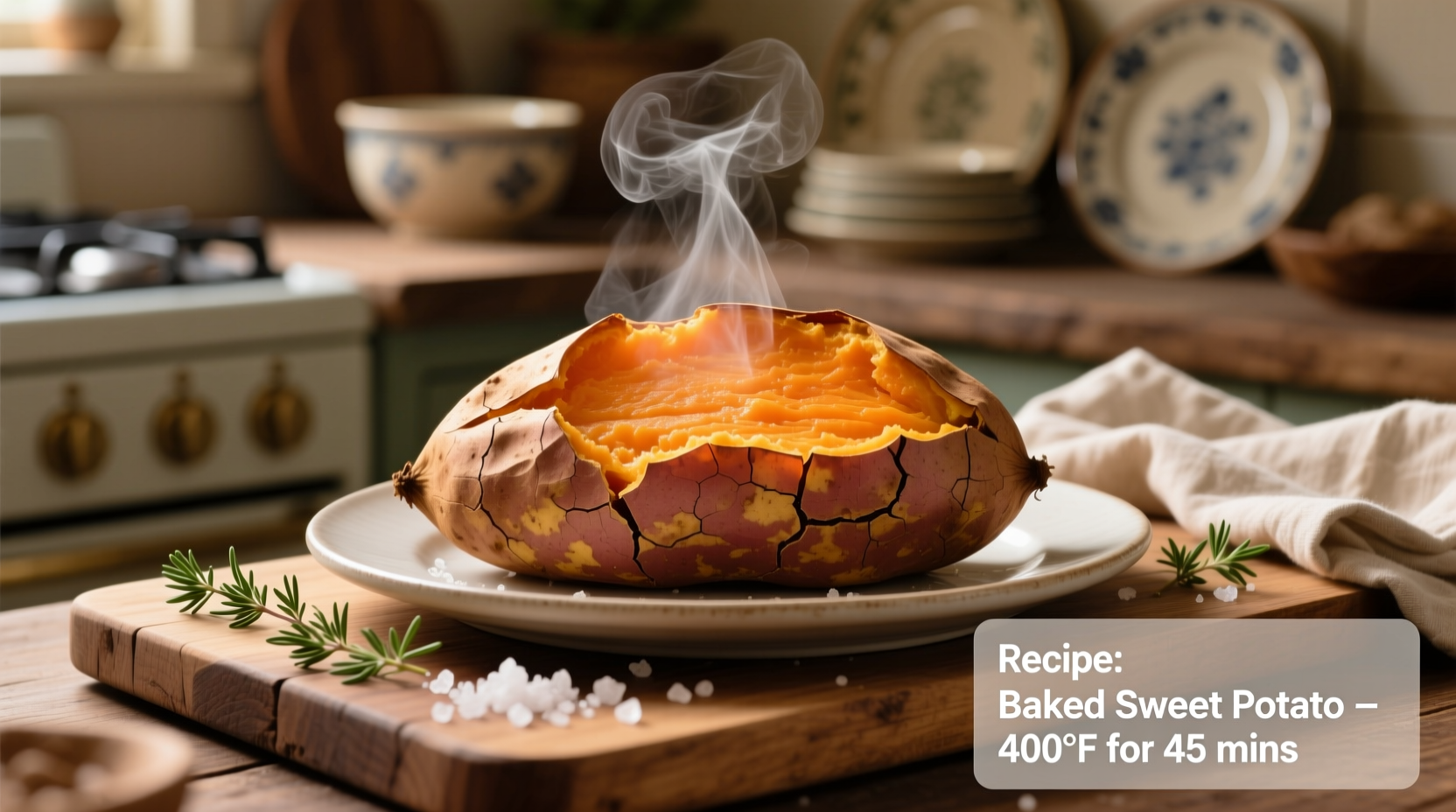
Forget complicated steps. This no-fail method takes 10 minutes prep and uses one ingredient: the sweet potato itself. After scrubbing and piercing, wrap it loosely in foil if you prefer softer skin (great for mashing), or leave uncovered for crispy edges (perfect for salads). Bake at 400°F until tender—timing depends on size:
| Sweet Potato Size | Baking Time | Best For |
|---|---|---|
| Small (5-7 oz) | 35-45 minutes | Quick snacks, baby food |
| Medium (8-10 oz) | 45-55 minutes | Weeknight sides, salads |
| Large (11+ oz) | 55-65 minutes | Mashing, stuffed dinners |
Pro tip: Skip microwaving for even texture—it often leaves cold spots. And never skip the fork test; undercooked centers ruin everything. Honestly, this approach beats boiling because it concentrates flavor without waterlogging.
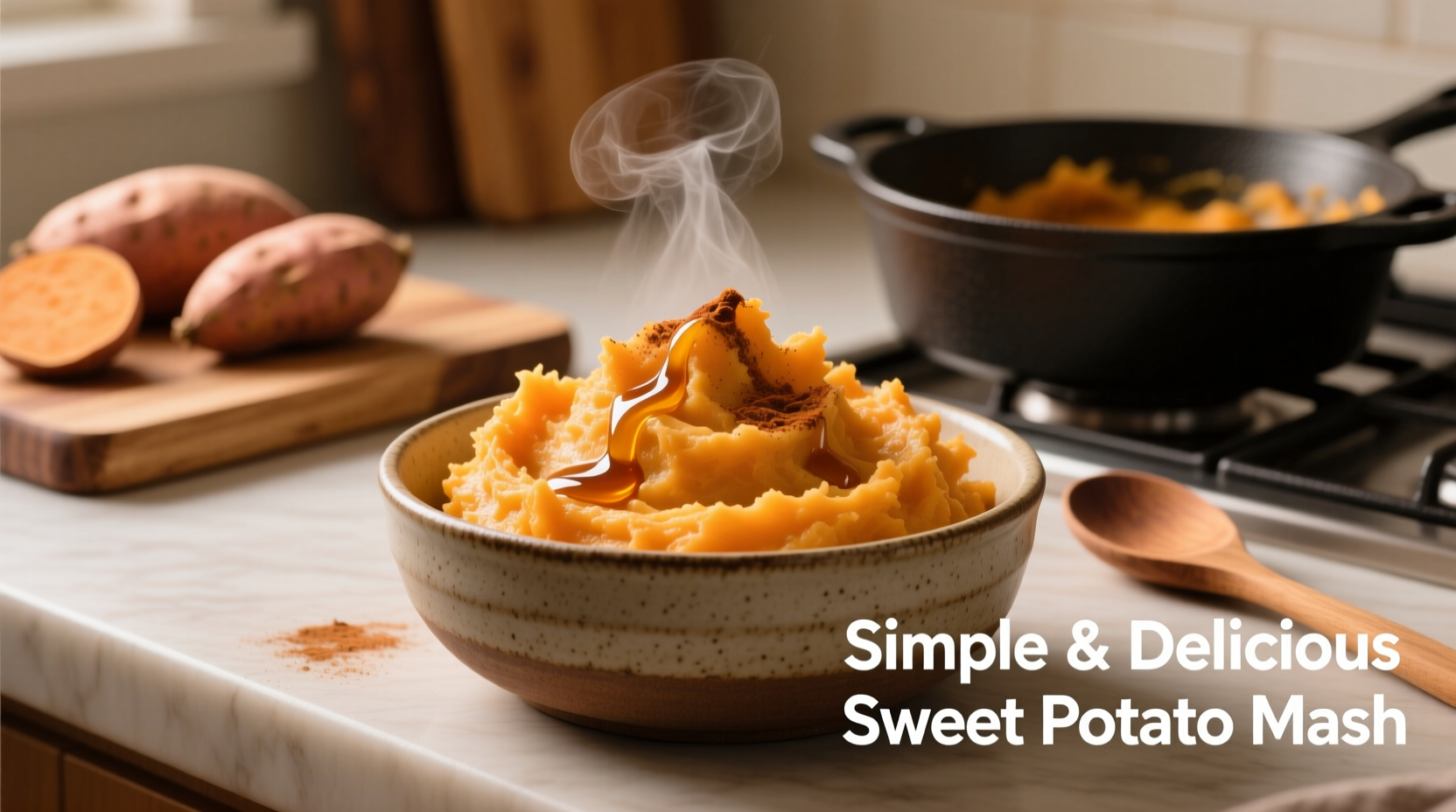
When to Use (or Skip) Sweet Potatoes
Real talk: sweet potatoes aren't magic bullets. Use them when you need sustained energy—like pre-workout meals or kid-friendly lunches—thanks to their low glycemic index. But avoid them in strict keto diets; one medium spud has 26g net carbs. I've seen home cooks waste money buying organic for mashing (waxiness doesn't matter here), but for roasting? Go organic to dodge pesticide residues on skins. Also, steer clear if you're on blood thinners—vitamin K content can interfere. Not common, but worth noting.
Avoid These 3 Costly Mistakes
After fielding thousands of cooking questions, these errors come up constantly:
- Skipping the scrub: Dirt hides in crevices. A quick rinse isn't enough—I use a vegetable brush.
- Overloading seasonings: Their sweetness shines with minimal help. Start with just salt; add herbs later.
- Storing cooked potatoes at room temp: They spoil fast. Always refrigerate within 2 hours.
Oh, and that "healthy" store-bought sweet potato fries? Often fried in unhealthy oils. Make your own by slicing, tossing with 1 tsp oil, and baking at 425°F for 20 minutes.
Everything You Need to Know
Cooked sweet potatoes stay fresh for 3–5 days when stored in an airtight container. I've tested this repeatedly—after day 5, texture degrades and mold risk increases. For meal prep, slice before storing to save time later.
Yes, but portion control matters. One medium sweet potato (130 calories) provides fiber that keeps you full longer than white potatoes. Research shows they support satiety, but loading them with butter or brown sugar negates benefits. Stick to 1/2 cup portions for balanced meals.
Absolutely—the skin holds extra fiber and nutrients. Just scrub thoroughly to remove dirt. I avoid peeling unless the potato's skin is damaged or waxy (common in non-organic varieties), which can affect texture in mashes.
Overbaking is the usual culprit. Sweet potatoes lose moisture past 65 minutes at 400°F. Try reducing heat to 375°F for larger potatoes, or wrap in foil during the last 15 minutes. Varietal differences matter too—Japanese sweet potatoes stay moister than orange varieties.
Steaming beats microwaving for speed and texture. Cube potatoes, steam for 12–15 minutes until tender, and mash immediately. This method retains nutrients better than boiling and takes half the time of baking—ideal when you're short on dinner prep time.
More Articles
 Yellow, Brown, Black Mustard Seeds Compared
 Black Pepper + Turmeric: Science of Optimal Absorption
 Crispy Baked Cauliflower Bites: Healthy Snack (2026)
 Cardamom: Types, Benefits & Cooking Uses
 Easy Mushroom Gravy Recipe Using Cream of Mushroom Soup
 How to Bake Cauliflower in Oven: Crispy Guide
 Sumac: The Lemon-Like Spice Guide
 Fenugreek Seeds: Benefits and Cooking Tips
 Asafoetida (Hing): India's Secret Umami Spice
 Pink Peppercorns: Not Real Pepper