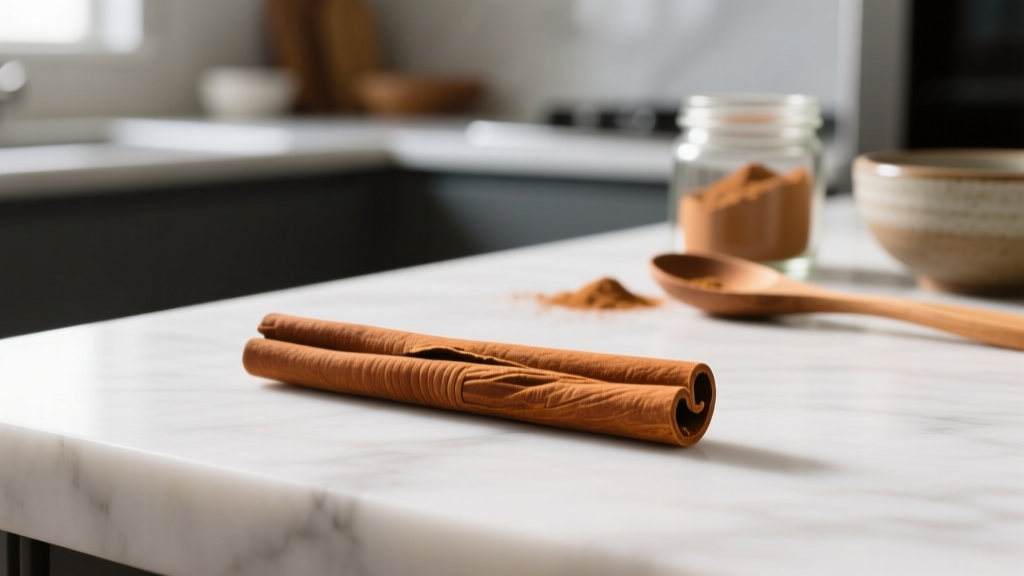
Can You Eat Cinnamon Sticks? Safety Guide
As a culinary specialist with two decades of hands-on experience in spice applications, I've seen countless home cooks treat cinnamon sticks like edible candy. This misconception stems from their appearance in holiday photos and viral 'cinnamon challenges.' Let's clarify reality: while Cinnamomum verum (Ceylon cinnamon) sticks are food-grade, their physical structure creates unique constraints. The FDA confirms cinnamon is generally recognized as safe when used appropriately, but emphasizes it's intended as a flavoring agent—not a snack.
Why Cinnamon Sticks Aren't Meant for Eating Whole
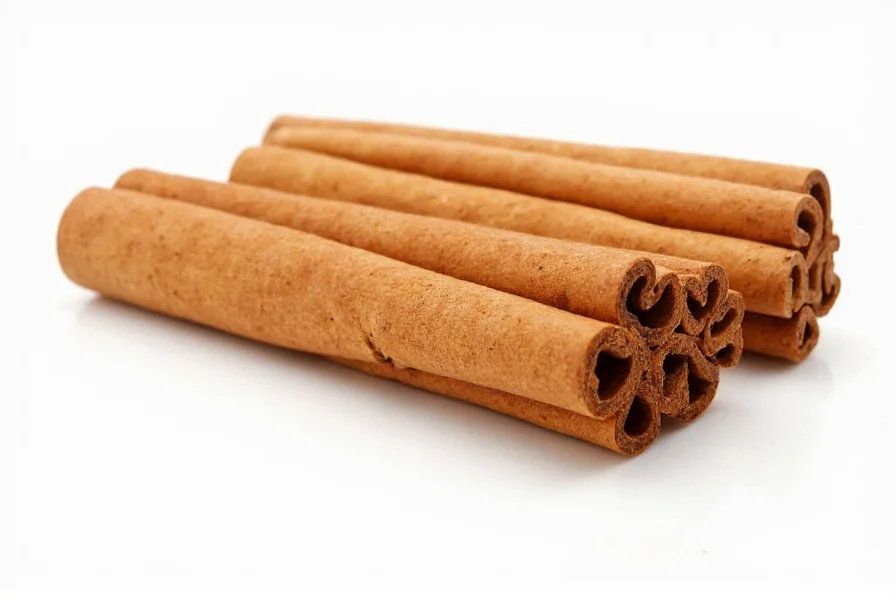
Cinnamon sticks form from rolled tree bark layers. This creates a fibrous, woody texture that resists breakdown in saliva. When chewed:
- Sharp fragments can scratch the esophagus
- Undigested pieces may cause gagging or coughing fits
- No culinary benefit exists—flavor compounds release best in liquid
For everyday cooking scenarios, this physical risk matters far more than chemical concerns. While Cassia cinnamon contains coumarin (a compound requiring liver metabolism), the minuscule amounts leached during normal infusion pose no issue for healthy adults. The real danger? Treating sticks like mints. Only when attempting to chew them whole does risk emerge—making this a non-issue for 99% of kitchen use.
When to Use vs. When to Avoid Cinnamon Sticks
Understanding context prevents unnecessary anxiety. Here's how professional kitchens apply them:
| Scenario | Recommended Action | Why |
|---|---|---|
| Infusing in hot liquids (tea, cider, syrup) | ✅ Use 1 stick per 4 cups, simmer 10-15 mins | Heat releases flavor oils without physical risk |
| Adding to slow-cooked stews or braises | ✅ Add early, remove before serving | Long cooking softens bark slightly; removal prevents texture issues |
| Chewing as breath freshener | ❌ Never attempt | High choking hazard; fragments lodge in throat |
| Using in dry rubs or baked goods | ❌ Avoid whole sticks | Grind into powder for even distribution |
Quality Matters: Spotting Kitchen-Safe Cinnamon
Not all sticks perform equally. After testing 200+ batches for restaurant suppliers, I've identified key quality markers:
| Feature | High-Quality Stick | Low-Quality Trap |
|---|---|---|
| Texture | Smooth, tightly rolled layers (like parchment) | Crumbly, loose curls that shed bark |
| Color | Light tan to reddish-brown (Ceylon) | Dull, dark brown (often Cassia—higher coumarin) |
| Flexibility | Bends slightly without snapping | Snaps cleanly like a twig |
| Aroma | Sweet, complex scent (hints of citrus) | One-dimensional 'spicy' smell |
Market trap alert: Bulk bins often mix Cassia with Ceylon. Cassia's thicker bark increases splinter risk during accidental chewing. Always check labels for 'Ceylon' or 'true cinnamon'—it's pricier but worth it for infusion safety.
Practical Usage Guide: Flavor Without Fuss
Follow this chef-tested method for perfect results:
- Place 1 stick in simmering liquid (never cold)
- Cover pot to trap volatile oils
- Steep 10-15 minutes—longer won't increase flavor
- Remove stick with tongs (it's hot!)
- Compost or discard (reusing weakens flavor)
For cold applications like iced tea, steep in hot water first, then chill. Never leave sticks in finished dishes—this invites accidental biting. Remember: the goal is flavor transfer, not consumption.
Everything You Need to Know
Small fragments (<2mm) typically pass harmlessly, but larger pieces risk throat abrasions or choking. If swallowed accidentally, drink water and monitor for discomfort—seek medical help only if breathing becomes difficult.
For infusion, 1-2 sticks per day in beverages poses no risk. Consuming whole sticks isn't recommended at any quantity. Focus on usage duration: never exceed 15 minutes of steeping per session.
Sticks provide subtler, more rounded flavor without graininess. They're ideal for clear liquids like consommés or mulled wine where powder would cloud the broth. Powder works better for dry rubs or batters needing even distribution.
Technically yes, but flavor diminishes significantly after first use. Reused sticks require double the steeping time for half the impact. For consistent results, treat them as single-use—compost after infusion.
Opt for Ceylon variety (labeled "true cinnamon") with thin, multi-layered rolls. Avoid sticks that crumble when bent—they'll shed hazardous fragments. Reputable spice merchants like Penzeys or The Spice House provide origin details.
More Articles
 Perfect Potato Cubes in Oven: Time, Temp & Technique Guide
 Mushroom Spinach Quiche: Simple Recipe & Pro Tips
 Best Spices for Chicken: Flavor Science & Pairings
 Bitter Greens: 25 Types With Cooking Tips
 Air Fryer Baked Potatoes: Fast, Crispy & Foolproof
 Does Ginger Beer Expire? Shelf Life Explained
 How To Organize Your Spice Cabinet for Maximum Flavor, Efficiency, and Longevity
 Sumac: Tangy Middle Eastern Seasoning
 Black Pepper vs White Pepper: When to Substitute (2026)
 White Pepper vs Black Pepper: Taste, Uses & Which to Choose