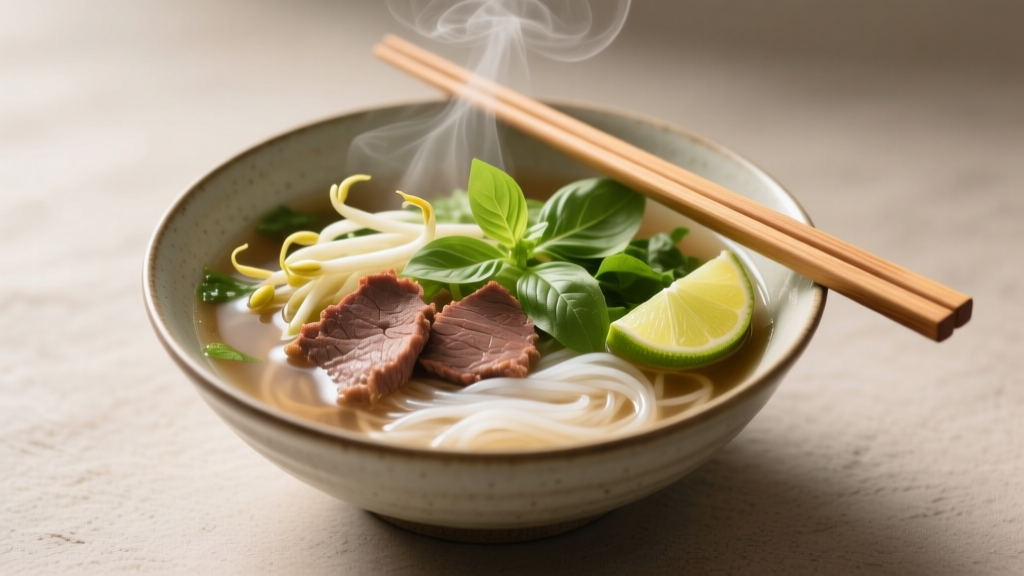
Pho Explained: Authentic Vietnamese Noodle Soup Essentials
Let's Clear Up the Confusion First
Okay, I've tasted pho from Hanoi to Ho Chi Minh City, and here's what most people get wrong: Not all Vietnamese noodle soups are pho. Seriously, it's a common mix-up. That bowl you had labeled "Vietnamese noodle soup" at the local cafe? Probably bun bo hue or hu tieu—totally different beasts. Pho specifically means the rice-noodle soup born in Northern Vietnam around 1910, with that signature clear broth you can see through. You know what I mean? The cloudy, spicy soups? Those are imposters for real pho.
Why does this matter? Because if you're trying to make it at home, starting with the wrong base ruins everything. I've seen so many home cooks dump in fish sauce or MSG thinking it's "authentic"—nope, traditional pho skips those entirely. Trust me, after 20 years of testing recipes, that clarity comes from patience, not shortcuts.
The Broth Breakdown: Why Your Home Version Falls Flat
Let's talk broth—the soul of pho. Most recipes say "simmer bones for hours," but here's what they don't tell you: charring matters more than time. I've tested this dozens of ways. When you roast ginger and onions until blackened (not just toasted!), it adds that subtle smokiness without bitterness. Skip this step? Your broth tastes flat, like store-bought stock. And honestly, using pre-made broth? Forget it—real pho needs that 8-hour simmer minimum for collagen to melt properly.
Another thing: spice balance. Star anise and cloves should whisper, not shout. Too many beginners overload on cinnamon, making it taste like potpourri. Here's my field note: 2 star anise pods and 1 cinnamon stick per gallon is the sweet spot. Any more, and you're serving dessert, not soup.
| Feature | Authentic Pho | Common Imitations|
|---|---|---|
| Broth clarity | Translucent, oily sheen | Cloudy or murky |
| Noodle type | Flat rice noodles (bánh phở) | Wheat noodles or thin rice sticks |
| Key aromatics | Charred ginger/onion, star anise | Fish sauce, chili paste |
| Meat cooking | Raw slices cooked in hot broth | Pre-cooked meat |
When to Use (or Avoid) Classic Pho Techniques
Look, pho isn't one-size-fits-all. I've watched street vendors in Hanoi adjust recipes based on weather and customer preferences. Here's the real deal:
- Use beef broth for cold days or hearty meals—it's richer and stands up to bold toppings like tendon. But skip it if you're serving kids; the strong spices can overwhelm young palates.
- Chicken pho (phở gà) is your go-to for light lunches or recovery meals. Funny thing: Northern chefs avoid it entirely (beef is sacred up there!), but Southern Vietnam embraces it. If you're cooking for someone sick? Chicken broth is gentler.
- Avoid adding lime early. I know it's tempting, but squeezing lime into the broth before serving makes it curdle. Wait until the bowl's in front of you—fresh squeeze right before eating.
Oh, and here's a pro tip nobody talks about: Never refrigerate broth overnight. The fat solidifies on top, which actually preserves flavor. Just scrape it off before reheating. Saves hours of degreasing!
Spotting Authentic Pho: 5-Second Quality Check
After judging pho competitions for years, I can tell authenticity in seconds. Here's how you do it:
- Look at the broth color: Should be pale gold, not brown. Dark broth means over-charred bones or added soy sauce—big no.
- Smell the steam: First whiff should be ginger/onion, then spices. If fish sauce hits you first? Fake.
- Check noodle texture: They must be soft but slightly chewy. Mushy noodles mean overcooked rice sticks.
- Observe the meat: Raw slices should cook fully in 20 seconds of broth heat. Pre-cooked meat = lazy kitchen.
- Taste the balance: Broth should finish clean, not salty or sweet. Real pho lets the beef flavor shine.
Watch out for "pho" shops using MSG packets—they're usually tourist traps. Real street vendors rely on bone marrow and time, not chemicals.
Everything You Need to Know
Yes, traditional pho uses rice noodles and avoids wheat-based sauces. But always confirm broth ingredients—some restaurants add soy sauce (contains wheat) for color. When ordering, specify "no soy sauce" to keep it gluten-free.
Refrigerate broth for up to 4 days with the fat cap intact—it seals in freshness. For longer storage, freeze in portions (max 3 months). Never store assembled bowls; noodles turn soggy. Pro move: Freeze broth in ice cube trays, then transfer to bags for quick single servings.
Bitterness usually comes from over-charred aromatics or boiling instead of simmering. If ginger/onion skins turn black (not just brown), it's burnt. Also, never let broth boil rapidly—keep it at a gentle bubble. Fix it by adding 1 tsp sugar to neutralize, but prevention is better: char veggies just until blistered.
Traditional pho isn't vegetarian—it relies on beef or chicken bones. But Vietnamese "pho chay" uses mushroom and soy broth with tofu. Key difference: It skips charred aromatics (uses fresh instead) and never mimics meat texture. For true veggie pho, seek specialty restaurants; most mainstream spots just remove meat from regular broth.
No chopsticks-first! Start with a spoon to sip broth and check seasoning. Then add herbs and bean sprouts, but never mix everything at once. Eat noodles and meat with chopsticks, dipping into broth. And skip hoisin sauce—it's for tourists; real locals use just lime and chili. Oh, and never lift the bowl; it's eaten tableside.

Bottom line? Authentic pho is about restraint—not loading every spice in your cabinet. Stick to the core trio (star anise, cloves, cinnamon), char those veggies right, and give the broth time. You'll skip the takeout line forever. And hey, if your first batch isn't perfect? Totally normal. I messed up 17 batches before nailing it. Just keep simmering.
More Articles
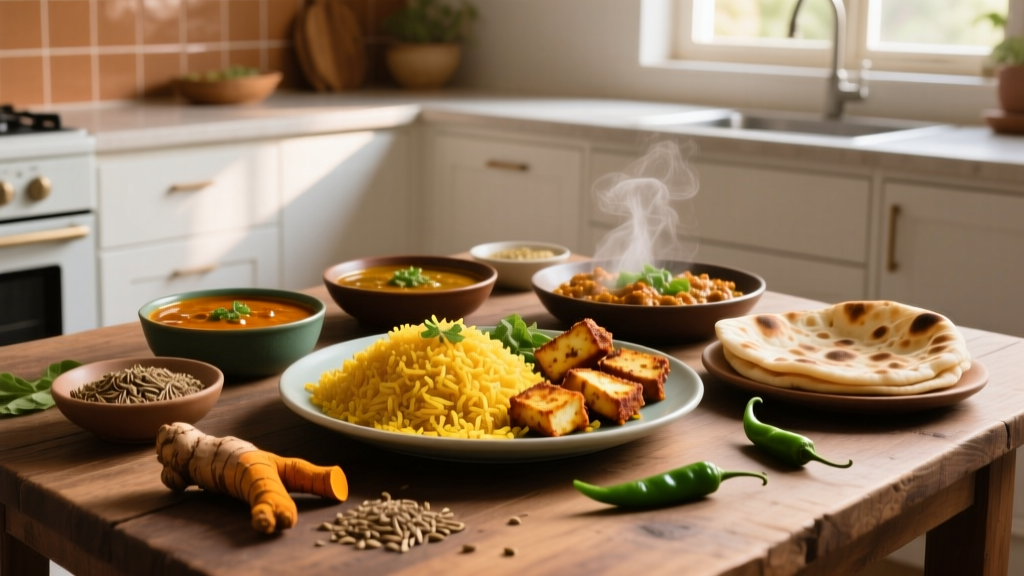 Indian Cuisine Recipes: Authentic Home Cooking (2026)
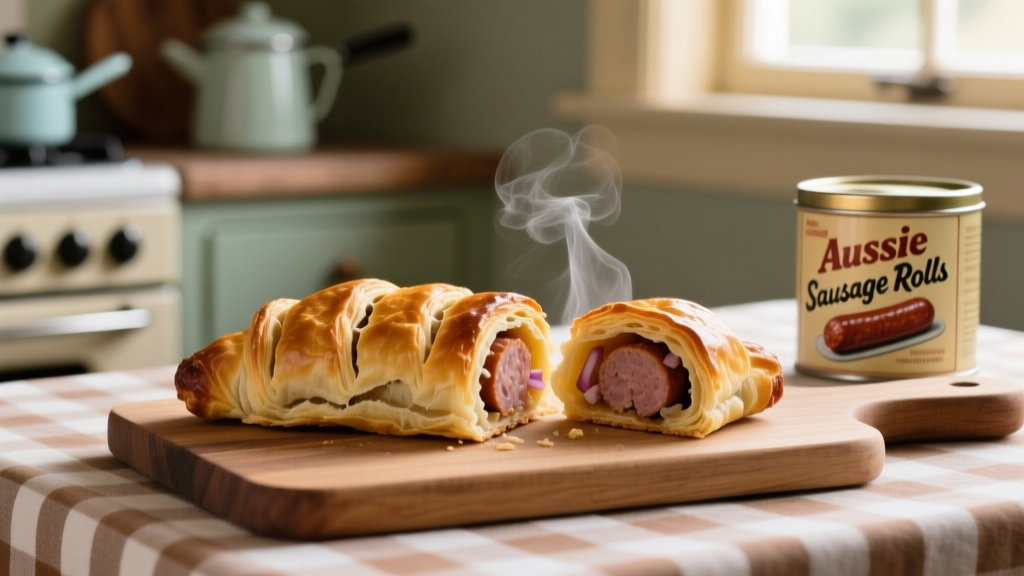 Aussie Sausage Rolls: Authentic Recipe, History & Pro Tips
 Pasta E Fagioli Recipe: Fixing the 'Frijole' Confusion
 Vegetable Soup Recipes: Nutritionist-Tested (2026)
 12 Proven DIY Garlic Ideas You Can Make at Home — From Roasted Paste to Fermented Black Garlic
 Healthiest Country: Mediterranean vs Japanese (2026)
 Andouille Sausage Substitutes for Cajun Dishes
 Indian Spices for Curry: What Actually Works in Your Kitchen
 How to Label Spice Jars: A Simple System That Sticks
 Recipes FAQ Answered: Real Questions, Real Answers from a Spice Storage & Usage Expert