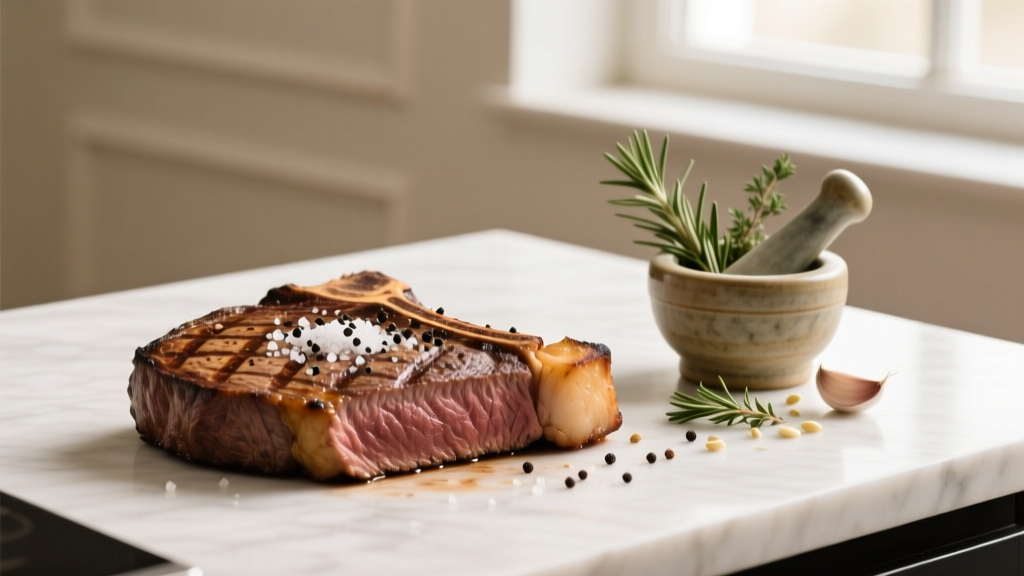
Simple Beef Steak Seasoning Recipe: Flavorful & Customizable
Alright, let's cut to the chase. You're probably tired of store-bought blends loaded with anti-caking agents or weird fillers that mute your steak's flavor. I've tested hundreds of rubs over 20 years, and honestly? Homemade seasoning isn't just cheaper—it actually makes your beef taste more like beef. Seriously, skip the fancy jars. You'll get better browning, deeper crust, and that crave-worthy savoriness you can't fake.
Why Store-Bought Seasoning Falls Short
Most commercial blends cram in maltodextrin or silicon dioxide to prevent clumping. Big mistake. These additives absorb moisture, which sabotages the Maillard reaction—the magic that creates that perfect sear. I mean, think about it: when you're paying $20 for a ribeye, why let some lab-made filler steal the show? Homemade versions skip all that junk. They're just pure flavor boosters. And here's the kicker—you control the salt level. No more accidentally oversalting because some brand decided 'bold' meant 'salty as the Dead Sea'.
The Science-Backed Flavor Boosters
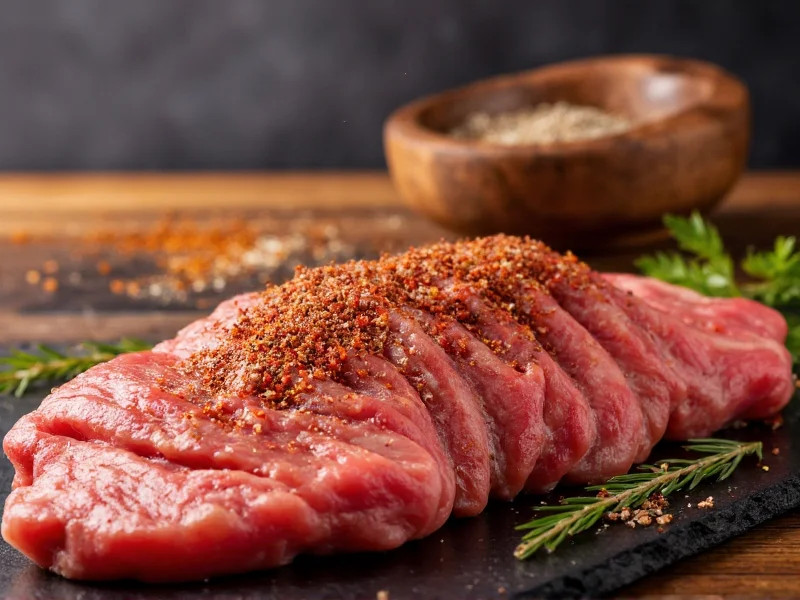
Okay, let's geek out for a sec. Bon Appétit's deep dive into The Midyett Rub explains why this combo works. Sumac isn't just for Middle Eastern dishes—it adds a subtle sour note that enriches the beef's animal flavor, like a secret umami amplifier. Meanwhile, coffee brings bitter smokiness (not coffee taste!), and garlic powder adds that sulfurous punch without burning. No sugar? Right—you don't need it for most steaks. As Carla Lalli Music proved in Bon Appétit, sugar's only useful for slow-cooked meats where caramelization needs a head start. For a quick sear? Skip it. Trust me, your steak won't taste like candy—it'll taste like steak.
My Foolproof Beef Steak Seasoning Recipe
This is the exact blend I use weekly—it's dead simple and works for ribeyes, strips, you name it. Forget complicated ratios; equal parts mean no math stress.
| Ingredient | Role in Flavor | When to Skip It |
|---|---|---|
| Kosher salt (1 part) | Draws out moisture for better crust | If using pre-salted steak |
| Coarse black pepper (1 part) | Adds floral heat without burning | For delicate cuts like filet |
| Ground coffee (1 part) | Creates smoky depth | If sensitive to bitterness |
| Garlic powder (1 part) | Boosts savory notes | When grilling at high heat (can burn) |
| Sumac (1 part) | Provides tangy mineral overtone | If unavailable (substitute lemon zest) |
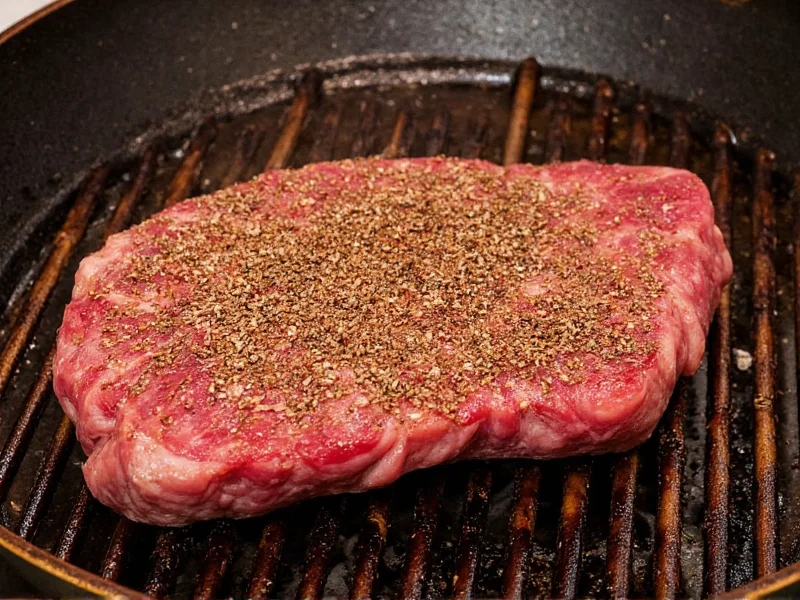
How to mix it: Whisk 1 tablespoon of each ingredient in a bowl. That's it—no toasting or grinding. Store in a jar. For cooking: Pat steak dry, rub 1 teaspoon per pound all over, and wait 30 minutes. This dry-brine time lets flavors penetrate without a soggy surface. Pro tip: Skip oiling the steak—fat in the meat renders better for crust.
When to Tweak the Recipe (and When Not To)
Here's where most folks mess up. Sumac is non-negotiable for grass-fed beef—it cuts through gaminess. But for fatty cuts like Wagyu? Skip the coffee; it overpowers the marbling. And never add sugar for grilled steaks. Why? Bon Appétit's tests show sugar burns at 350°F, creating bitter notes before your steak hits medium-rare. Save the sugar-salt trick (1 tsp sugar + 2 tsp salt per pound) for pork ribs or brisket where low-and-slow cooking needs that caramelization boost. Honestly, I've seen backyard cooks ruin a $50 steak by forcing a 'universal' rub. Match the seasoning to your method:
- Grill or cast-iron sear: Stick to the core 5-ingredient mix. No extras.
- Smoking: Add ½ part smoked paprika for complexity.
- Avoid: Onion powder (makes crust gummy) or cayenne (overpowers beef's subtlety).
3 Mistakes That Ruin Your Seasoning
You won't believe how often I see these:
- Using table salt instead of kosher: Table salt's finer grains over-salt. Stick to Diamond Crystal—it's 53% less dense.
- Applying right before cooking: Less than 15 minutes won't let salt penetrate. Aim for 30-60 minutes uncovered in the fridge.
- Storing in clear jars: Light degrades sumac's tang. Use opaque containers—lasts 6 months vs. 2.
Storage Hacks for Freshness
Sumac's the weak link—it fades fast if exposed to air. I keep my blend in a small mason jar with a desiccant pack (grab those from vitamin bottles!). No fancy equipment needed. And never refrigerate; moisture from the fridge makes spices clump. Room temperature, dark place = 6 months of peak flavor. After that, it won't harm you, but that bright sumac tang? Gone. Test by rubbing a pinch between fingers—if it smells flat, toss it.
Everything You Need to Know
No, not for most steaks. Sugar caramelizes too fast at high searing temps (over 350°F), burning before your steak cooks through. Reserve sugar-salt blends for slow-cooked meats like ribs—Bon Appétit's tests show it improves browning there without bitterness. For grilled or pan-seared steak, skip sugar; salt alone draws out moisture for a superior crust.
Up to 6 months if stored in an opaque, airtight container away from light and moisture. Sumac degrades fastest—lose its tangy punch after 2 months in clear jars. Test freshness by rubbing a pinch; if the aroma is weak, it's time to remix. Never refrigerate; humidity causes clumping.
Lemon zest is the closest swap (use ½ part zest for 1 part sumac), but it lacks sumac's mineral depth. Avoid vinegar—it adds liquid that hinders searing. If omitting sumac entirely, boost salt by 25% to compensate for lost complexity, but the tangy umami will be missing. Honestly, sumac's cheap and worth buying; it's the secret weapon in Chicago's Lems BBQ rub.
1 teaspoon per pound is the sweet spot. For example, a 16-ounce ribeye gets 1 teaspoon total. Rub it evenly on all sides—don't forget the edges! Too little? Flavor won't penetrate. Too much? Salty disaster. I measure with a standard teaspoon; eyeballing leads to inconsistent results. Remember: this is a dry brine, so less is more.
Sumac adds sour mineral notes that "enrich the primal, animal flavor of the beef" without masking it, per Bon Appétit's analysis. It's not fruity like citrus—it has a subtle earthiness that balances fat and enhances umami. Chef Steve Albini swears by it: "I use it on every mammal I eat." No other ingredient creates that complex depth; lemon juice would make the surface wet and prevent searing.
More Articles
 Aloo Paratha Recipe: Perfect Potato Stuffed Flatbread
 Cassia Cinnamon vs Ceylon: Key Differences (2026)
 Best Global Spice Traditions for Essentials: Building a Culturally Grounded Pantry
 Oven Veggies: Roasting Guide for Better Flavor & Nutrition
 Indian Spices for Curry: What Actually Works in Your Kitchen
 Cumin Rice: Foolproof Guide to Perfect Jeera Rice Every Time
 Rosemary and Pepper: Flavor Pairing Science
 Moroccan Lentil Soup: Authentic Recipe & Cultural Insights
 How to Make Lentil Dahl: Simple Steps & Nutritional Benefits
 How Long Do Dried Spices Last? Real Shelf Life Guide