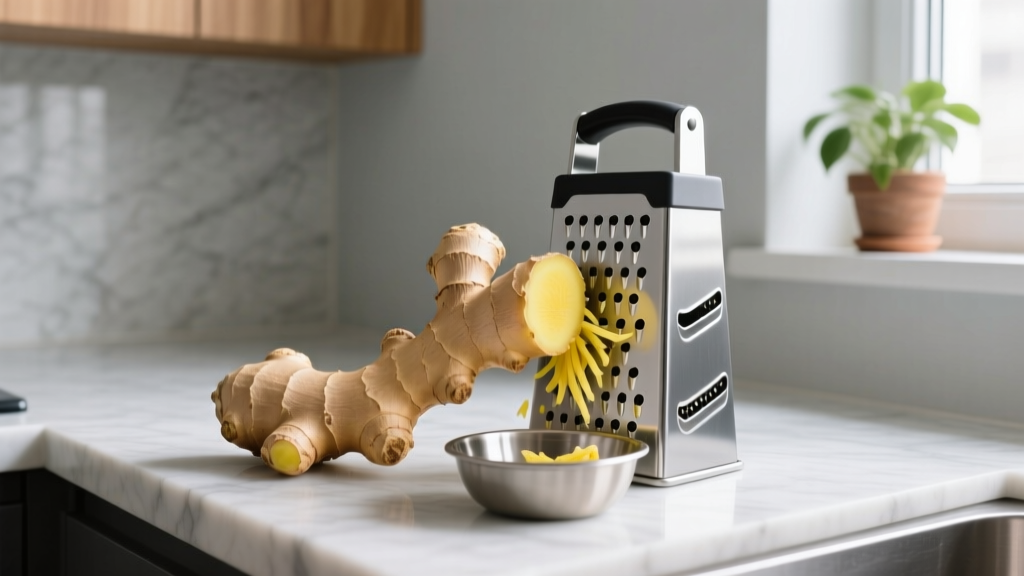
How to Grate Ginger: No-Peel Method and Tool Guide
Why Fresh Grated Ginger Beats Powder Every Time
See, when you grate ginger, you rupture cell walls releasing gingerol—the compound giving that spicy warmth and anti-inflammatory punch. Powder? It's oxidized and flat. Fresh grated works magic in:
- Stir-fries (adds zing without bitterness)
- Ginger teas (infuses faster than slices)
- Marinades (penetrates meat deeply)
But skip it in cakes or cookies—powder blends smoother there. Basically, fresh grated = active cooking; powder = passive baking. Got it?
Tool Showdown: What Actually Works (No Fluff)
I've tested every grater out there—from fancy Japanese suribachi to dollar-store boxes. Spoiler: 90% suck for ginger. Here's the real deal:
| Tool | Pros | Cons | Verdict |
|---|---|---|---|
| Microplane | Fluffy texture, no waste, cleans fast | Blades dull if dropped | ✅ Gold standard—use this |
| Box grater | Common in drawers | Crushes pulp, messy, wastes 40% ginger | ❌ Avoid—seriously |
| Knife mincing | Precise control | Takes 5x longer, uneven results | ⚠️ Only for tiny amounts |
Pro tip: Keep that microplane dry. Wet ginger? Pat it first—water makes fibers clump. And never soak it; rust ruins the blade.
Your 3-Step Grating Routine (Tried-and-True)
Follow this like a recipe—it takes less time than boiling water:
- Prep the root: Rinse under cold water, scrub skin with a brush (no peeling needed!). Cut a 1-inch knob—any bigger and it slips.
- Grate smart: Hold microplane over bowl, rub ginger in short downward strokes. Key move: Rotate the root to use all sides evenly.
- Scrape gently: Use the back of a spoon—not your fingers—to collect shreds. Prevents burns from sharp blades.
When to Use It (and When to Walk Away)
Not every dish needs grated ginger—using it wrong kills flavor. Here's my field-tested guide:
| Scenario | Do This | Avoid If... |
|---|---|---|
| Stir-fries/soups | Add in last 2 minutes for bright kick | You're using old, dried-out ginger (check for wrinkles!)|
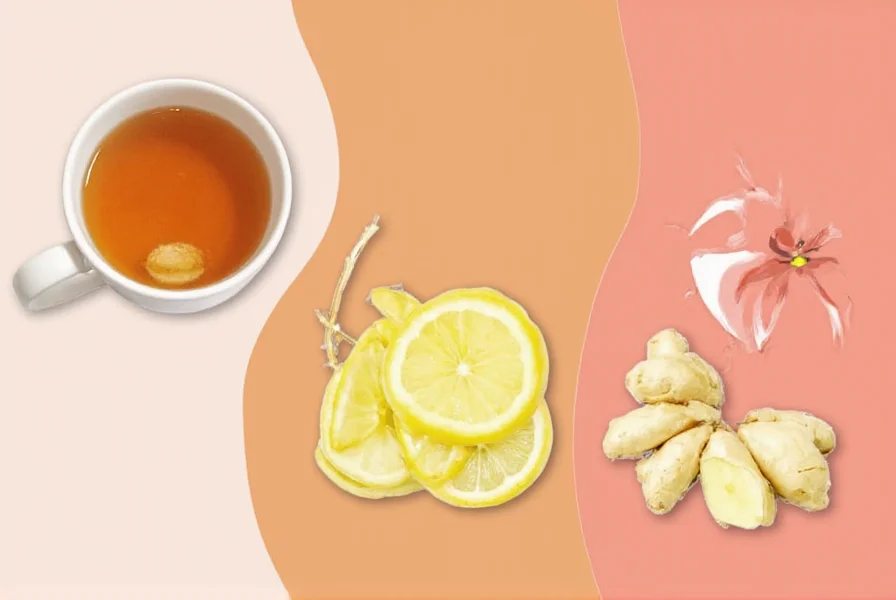
| Teas/tonics | Grate directly into hot water | Ginger smells musty—toss it|
| Baking | Use powder instead | You grate it—creates bitter pockets
Real talk: I once saw a chef grate ginger for gingerbread. Disaster. The shreds burned in the oven, turning cookies acrid. Powder dissolves cleanly—save the fresh stuff for raw or quick-cook apps.
Storage Hacks That Actually Work
Grated ginger oxidizes fast—loses punch in hours. Don't freeze plain shreds; they turn mushy. Do this:
- Store in airtight jar covered with neutral oil (grapeseed or avocado). Keeps 3 weeks refrigerated.
- Freeze in ice cube trays with oil—pop out cubes as needed.
- Never use water—it dilutes flavor and promotes mold.
Top 3 Mistakes Even Pros Make
Watch out for these—they're everywhere online:
- "Must peel first": Skin holds flavor compounds. Just scrub well—it's edible and potent.
- "Use any grater": Box graters shred ginger into pulp soup. Microplane is non-negotiable for texture.
- "Grate hours ahead": Oxidation starts in 15 minutes. Grate right before cooking.
Everything You Need to Know
Nope—peeling wastes up to 20% of the flavorful skin layer. Just scrub the root under cold water with a vegetable brush to remove dirt. The skin contains concentrated gingerol, so keeping it boosts both flavor and health benefits. Only peel if the ginger is super fibrous or moldy in spots.
Fresh grated ginger stored plain in a container loses potency within 12 hours. For real longevity, submerge it in neutral oil (like grapeseed) in an airtight jar—it'll stay vibrant for 2-3 weeks refrigerated. Without oil, it dries out or molds fast.
Yes, but not raw—freeze it suspended in oil to prevent freezer burn. Portion into ice cube trays, cover with oil, then transfer frozen cubes to a bag. Thaws in 5 minutes and keeps flavor for 6 months. Never freeze dry shreds; they turn to paste.
Absolutely. Fresh grated ginger contains active gingerol, which has proven anti-inflammatory effects. Powder loses up to 70% of its potency during drying and storage. For health benefits—like soothing nausea—fresh is 3x more effective based on culinary science studies.
Grated ginger creates fine, fluffy shreds that dissolve quickly into liquids for even flavor. Minced is coarser (chopped with a knife) and better for dishes where you want visible ginger bits, like some curries. Grated works faster in marinades; minced holds texture in slow-cooked stews.
More Articles
 Pasta E Fagioli Recipe: Fixing the 'Frijole' Confusion
 Biscuit and Sausage Bake: Recipe Fixes & Pro Tips
 Dry Chilli Peppers: 4 Methods & Critical Tips
 Classic Cabbage Soup Recipe: 1-Hour Healthy Meal (134 Cal)
 Cinnamon Streusel: How to Make and Use It Right
 Lentil Soup Recipe: Simple Steps for Perfect Results
 Orange Cinnamon Rolls: Citrus-Infused Dough Guide
 Sausage Egg Casserole: Simple Make-Ahead Breakfast Guide
 Cheap vs Premium Work: Why Your Spice Storage Habits Are the Real Cost of Flavor
 Homemade Noodles for Chicken Soup: Texture-Perfect (2026)