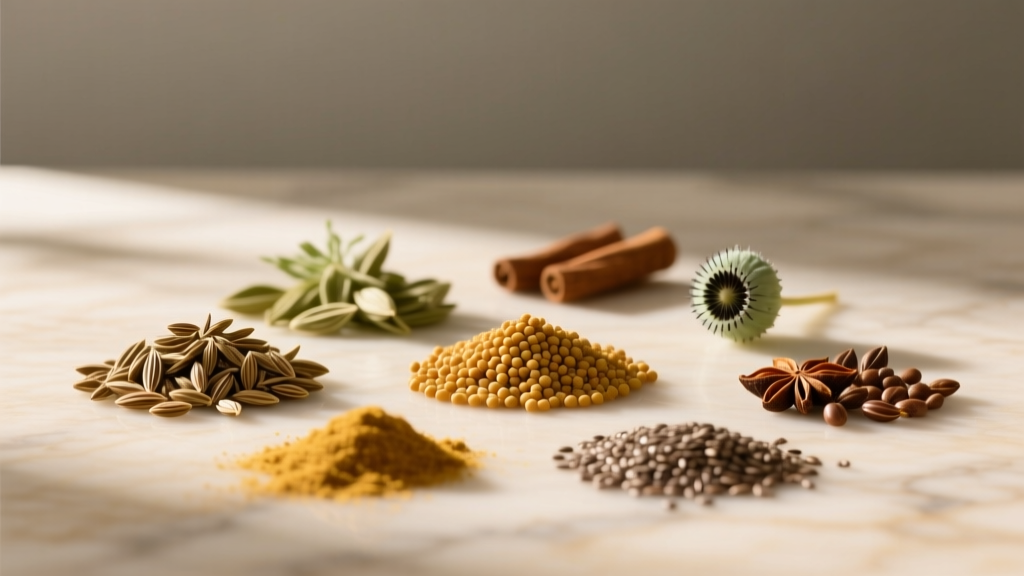
Spices and Seeds: Practical Guide for Home Cooks
Why Your Spice Cabinet Feels Like a Mystery Box
Honestly, I’ve seen home cooks dump entire jars of cumin into chili only to wonder why it tastes dusty. After 20 years testing flavors, here’s the kicker: most "spices" you buy aren’t seeds at all. Things like turmeric or paprika come from roots or fruits. But seeds? They’re the unsung heroes hiding in plain sight—tiny flavor bombs that can make or break your dish if mishandled. You know, it’s like using stale coffee grounds and expecting espresso.
Seed Spices Decoded: No More Guesswork
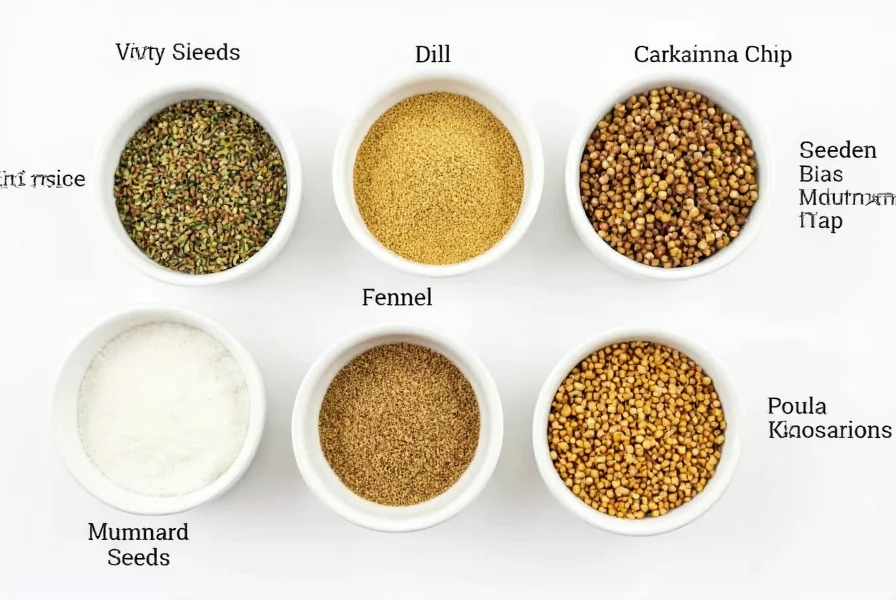
Let’s cut through the noise. Not all seeds are spices, but when dried and used whole, these common seeds become spices. Think cumin seeds in taco seasoning or poppy seeds on bagels. The confusion? Ground versions lose flavor 3x faster than whole seeds. Seriously—check your pantry. If that "fresh" coriander smells like cardboard, it’s toast (literally, you should’ve toasted it first).
| Seed Spice | Flavor Profile | Best Cooking Use | Shelf Life (Whole) |
|---|---|---|---|
| Cumin | Earthy, smoky | Curries, roasted veggies | 2-3 years |
| Coriander | Citrusy, light | Salsas, pickling brines | 3-4 years |
| Mustard | Sharp, pungent | Marinades, salad dressings | 1-2 years |
| Fennel | Sweet, licorice-like | Sausages, fish dishes | 2 years |
Side note: Chefs used to ditch white pepper for black, but now many swear by its clean heat in creamy sauces. Times change, folks.
When to Reach for Seeds (And When to Walk Away)
Here’s where real kitchen wisdom kicks in. Seeds shine when you need texture plus flavor—like mustard seeds cracking in hot oil for dals. But avoid them in delicate dishes where grit matters (looking at you, béchamel sauce). Also, skip toasting pre-ground spices; it just burns them. Honestly, I’ve ruined more vinaigrettes than I care to admit by ignoring this.
Big red flag: Never use old seeds in critical dishes. That "slightly off" cumin? It’ll mute your entire curry. Toss anything older than 3 years—no shame. And if you’re allergic to sesame, steer clear of cross-contaminated seed blends. Safety first, always.
Your No-BS Storage and Usage Cheat Sheet
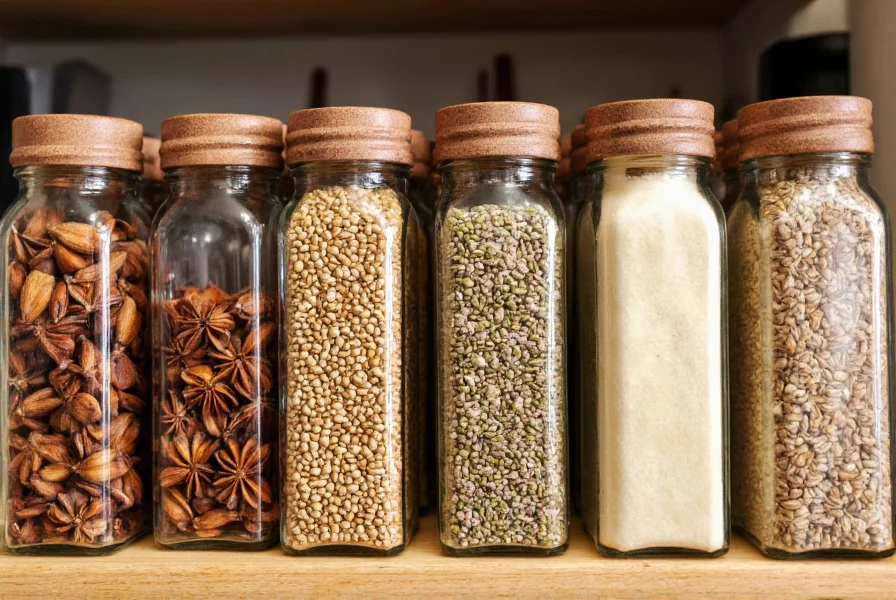
Storage mistakes are why 80% of home cooks underuse seeds. Keep them whole in dark glass jars (not plastic—oils seep through). Toss that cheap "spice rack by the window"; light kills flavor. And for god’s sake, label jars with purchase dates. I do it religiously.
Toasting? Dry-pan over medium heat 1-2 minutes until fragrant. Coriander seeds pop like mini fireworks—that’s your cue. Grind right before using. Pro move: Freeze bulk seeds to extend life, but bring to room temp before opening to avoid condensation.
5 Myths That’ll Sabotage Your Cooking
- "Seeds last forever": Nope—they lose 50% flavor in 6 months if stored wrong.
- "All seeds work interchangeably": Mustard seeds won’t sub for poppy seeds in baking (bitter vs. nutty).
- "Grinding at home is always better": Only if you use it immediately. Pre-ground loses punch fast.
- "Organic seeds are stronger": Flavor depends on freshness, not certification.
- "Toasting is optional": Raw cumin tastes like dirt. Toast it.
Everything You Need to Know
Nope—only specific dried seeds like cumin or mustard qualify as spices. Others like cinnamon (bark) or turmeric (root) aren’t seeds at all. Confusing them leads to flavor fails, like using poppy seeds where you need chili powder.
Whole seeds keep 2-4 years if stored airtight in dark, cool places. Ground versions? 6-12 months max. Test freshness by crushing a seed—if it smells faint or musty, bin it. I’ve learned this the hard way with stale coriander in critical recipes.
Yes, but ratios matter. Use 1.5x whole seeds for ground spices (e.g., 1.5 tsp cumin seeds = 1 tsp ground). Always toast seeds first—they won’t dissolve like powder. Skip this for baking; ground works better there.
Rare, but possible. Mustard seeds contain trace cyanide compounds—harmless in cooking amounts but risky if eaten raw by the handful. Also, cross-contamination in bulk bins can trigger allergies. Stick to sealed jars if sensitive.
Dry skillet over medium heat, stirring constantly for 1-2 minutes. Fennel or coriander seeds will darken slightly and smell nutty. Remove before they smoke—they burn fast. Let cool 5 minutes before grinding. Trust me, rushing this step ruins everything.
More Articles
 Powdered Oregano Guide: Uses, Quality & Storage Tips
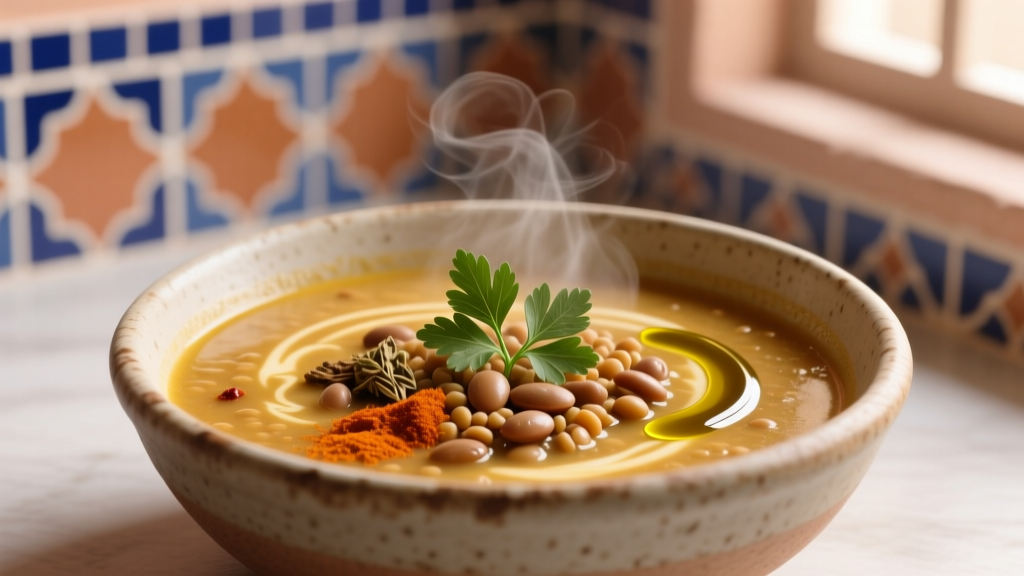 Moroccan Lentil Soup: Authentic Recipe & Cultural Insights
 Best Cooking With Spices For Life: Science-Backed Habits That Elevate Flavor, Nutrition, and Long-Term Health
 Freezing Spices: Does It Actually Preserve Flavor? (Science-Backed Answer)
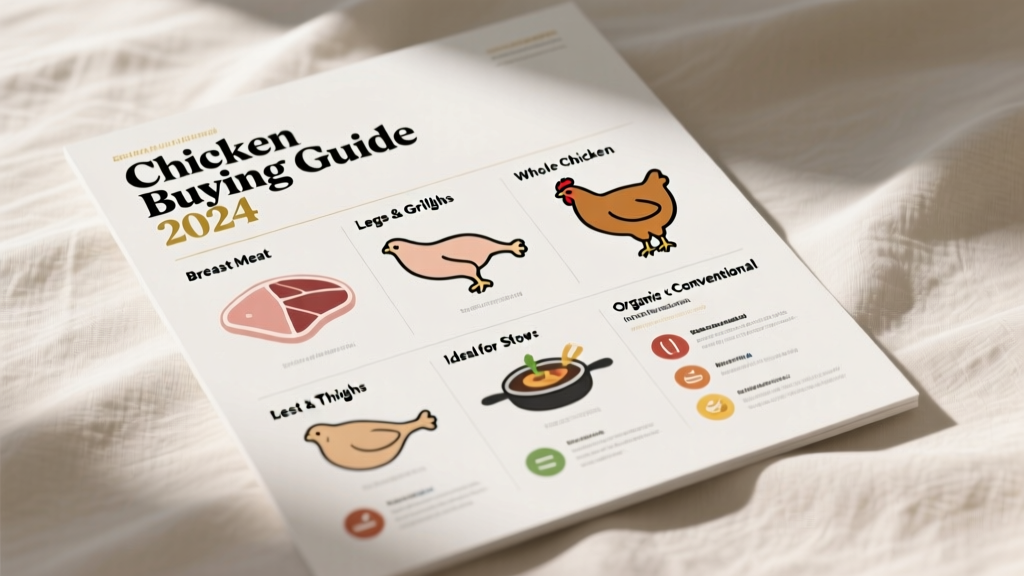 The Practical Chicken Buying Guide: Labels, Cuts, Storage, and Real-World Value
 Perfect Cinnamon Roll Icing: 4 Ingredients, No Failures
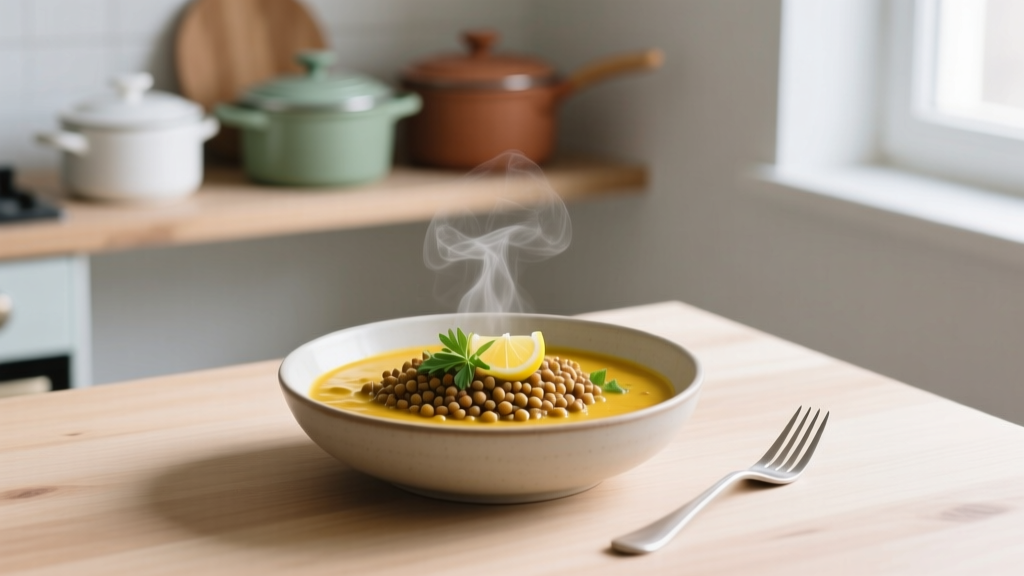 Easy Lentil Dishes: 20-Minute Recipes & Smart Cooking Guide
 Biscuit and Sausage Bake: Recipe Fixes & Pro Tips
 Cinnamon Roll Cookies: 30-Minute Shortcut Recipe (No Yeast)
 Canela Sticks: Real Ceylon Cinnamon vs Cassia Guide