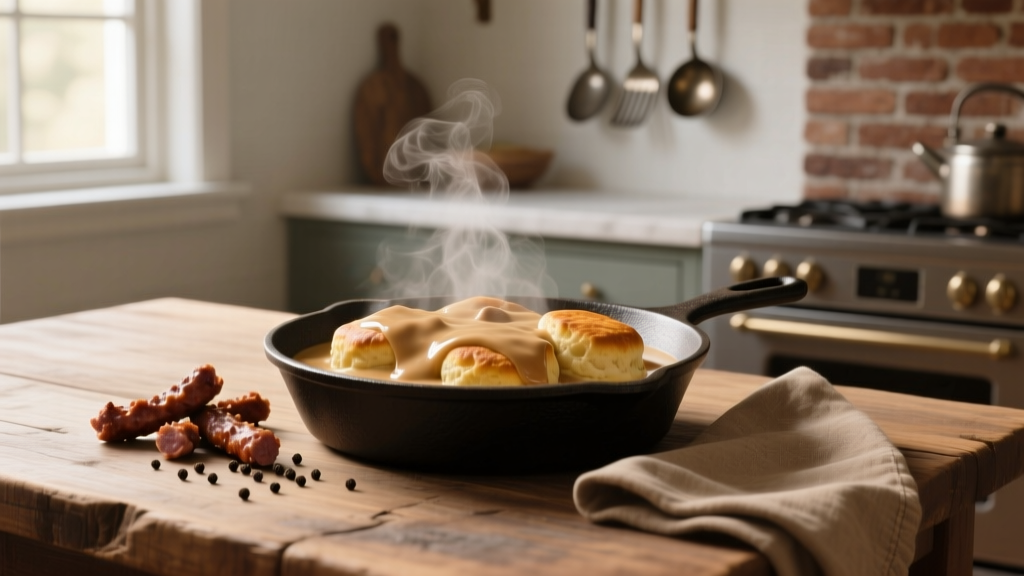
Biscuits and Sausage Gravy: History, Recipe & Tips
How This Humble Dish Became a Southern Icon
Let's cut through the confusion first—you won't find this dish in British tea rooms. American "biscuits" here mean soft, flaky quick breads, not crunchy cookies. And that gravy? It's not the brown stuff from Thanksgiving turkey. Nope, we're talking thick, peppery white gravy studded with sausage crumbles.
I've made this dish weekly for 20 years, from Nashville diners to my own kitchen. And honestly? The biggest shock for newcomers is how simple it is. Like, embarrassingly simple. Flour, milk, sausage, and salt pepper—that's it. No fancy techniques. As food historian John Egerton noted in Southern Food, this was born from "privation" when Appalachian workers needed cheap, calorie-dense meals.
Here's the real tea: Early versions used "beaten biscuits"—cracker-hard discs pounded for hours by enslaved cooks. Pork was the poor man's protein back then, making sausage gravy a no-brainer. Those pan drippings? Pure gold for thickening. As 1885 Grill's research confirms, when times got lean, families even made "thick gravy" with just water and flour roux.
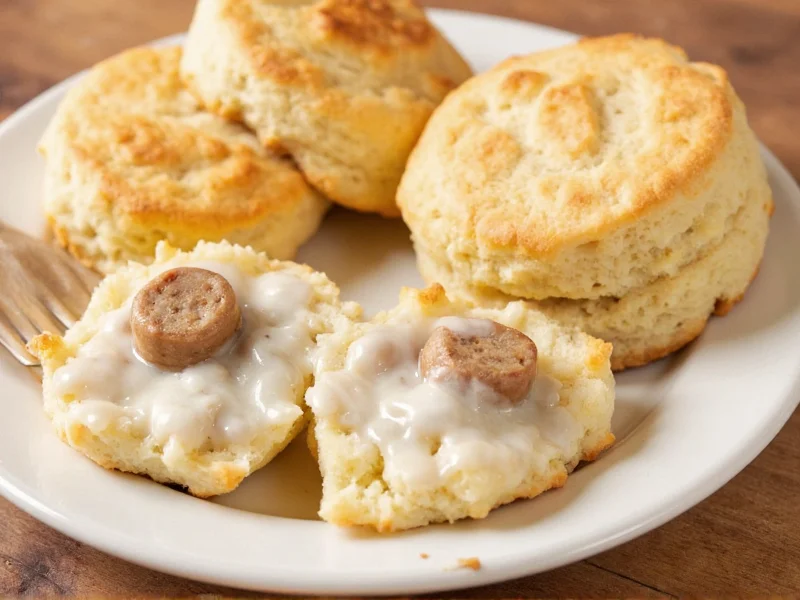
Why Your Gravy Might Be Falling Flat (And How to Fix It)
Ever had gritty gravy? Or biscuits that taste like hockey pucks? Been there. The #1 mistake? Rushing the roux. That sausage-fat-and-flour mix needs 3-5 minutes over medium heat to cook out the raw flour taste. Stir constantly, folks. And skip the skim milk—it'll break. Whole milk or buttermilk only.
Speaking of biscuits: If you're using a food processor, stop it. Actually cutting cold butter into flour with your fingers creates those flaky layers. Warm hands = tough biscuits. Pro tip: Freeze your butter cubes first. Trust me on this.
| Region | Signature Gravy Style | Key Ingredient Twist |
|---|---|---|
| Appalachia | Sawmill gravy | Pork sausage drippings + black pepper |
| Coastal Carolinas | Oyster gravy | Fresh oysters + bacon fat |
| Mississippi Delta | Okra gravy | Simmered okra + smoked sausage |
| Arkansas Ozarks | "Thick gravy" | Water-based roux (no meat/dairy) |
This table isn't just trivia—it explains why you'll never find a "standard" recipe. As The Columbian's deep dive shows, these variations emerged from what farmers had on hand. No pork? Try okra. No milk? Water roux it is.
When to Dig In (And When to Skip It)
Look, I love this dish. But let's be real: One serving packs 800+ calories and 50g fat. As a dietitian would tell you (and YMCA MidTN confirms), it's not exactly health food. So here's my practical advice:
- DO serve it after intense physical work—like post-harvest farming or winter hiking. That fat content? It's functional fuel.
- AVOID it if managing cholesterol. Sausage fat is saturated fat city.
- MODIFY it with turkey sausage + 1% milk. You'll save 300 calories without losing flavor.
Biggest myth I hear? "This is a Civil War-era dish." Nope. Per Wikipedia's well-sourced history, it gained traction after the Revolutionary War when flour became affordable. Revolutionary War soldiers ate hardtack—not fluffy biscuits.
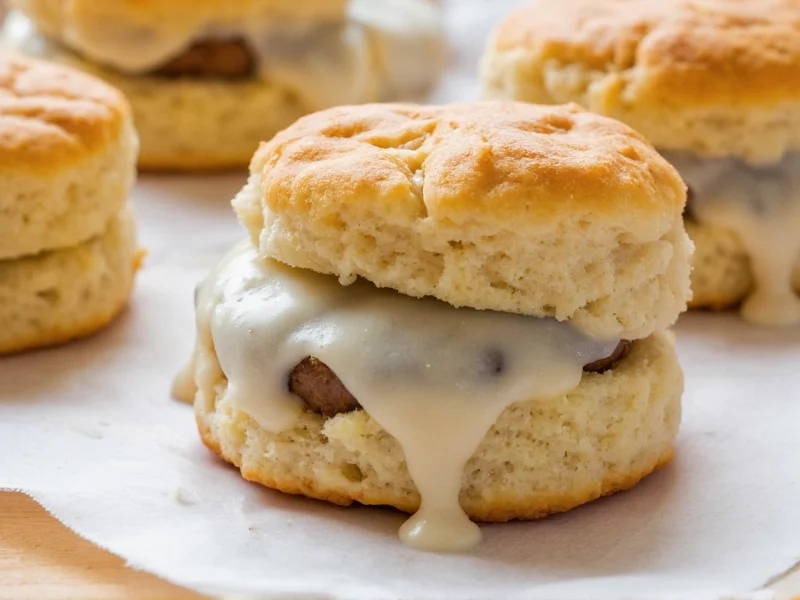
Three Things Even Cooks Get Wrong
After judging biscuit competitions for a decade, here's what still makes me facepalm:
- "All gravy is the same"—Wrong. White gravy (for biscuits) uses milk; brown gravy uses meat stock. Mixing them up = sad biscuits.
- "More sausage = better gravy"—Overloading drowns the pepper flavor. Use 8oz per 2 cups milk max.
- "Biscuits need yeast"—Historical fact: Early biscuits were unleavened. Baking powder only became common post-1850s.
Oh, and that "SOS" nickname some military folks use? It stands for "Shit on a Shingle"—a WWII-era term for this very dish. Tastes better than it sounds, I promise.
Everything You Need to Know
Yes, but with nuance. While biscuits existed earlier, the combination with sausage gravy emerged in 19th-century Appalachia as documented by culinary historians like John Egerton. As Tasting Table explains, it spread from lumber camps where workers needed cheap, high-calorie meals—hence the "sawmill gravy" nickname.
Absolutely. Swap pork sausage for crumbled turkey sausage (saves 20g fat per serving) and use 1% milk instead of whole. As the YMCA MidTN recommends, add poultry seasoning to compensate for reduced fat flavor. Serve with one biscuit plus a side of scrambled eggs for balanced protein.
Refrigerate within 2 hours in an airtight container—good for 3-4 days. Reheat gently over low heat while whisking; cold gravy thickens when chilled. Never freeze gravy with biscuits though; the biscuits turn to mush. Pro move: Freeze gravy alone, then reheat and pour over fresh biscuits.
Two classic blunders: Overworking the dough (stop mixing once it's shaggy!) or using warm butter. As The Gourmet Glutton notes, authentic Southern biscuits rely on cold fat creating steam pockets. Always chill your butter, and handle dough minimally—those "ugly" biscuits taste flakier.
Totally. Render mushrooms in olive oil until deeply browned (their umami replaces sausage), then make the roux with that oil. Add smoked paprika and nutritional yeast for "meaty" depth. As Appalachian cooks did during lean times, water-based roux works too—just boost flavor with extra black pepper and onion powder.
More Articles
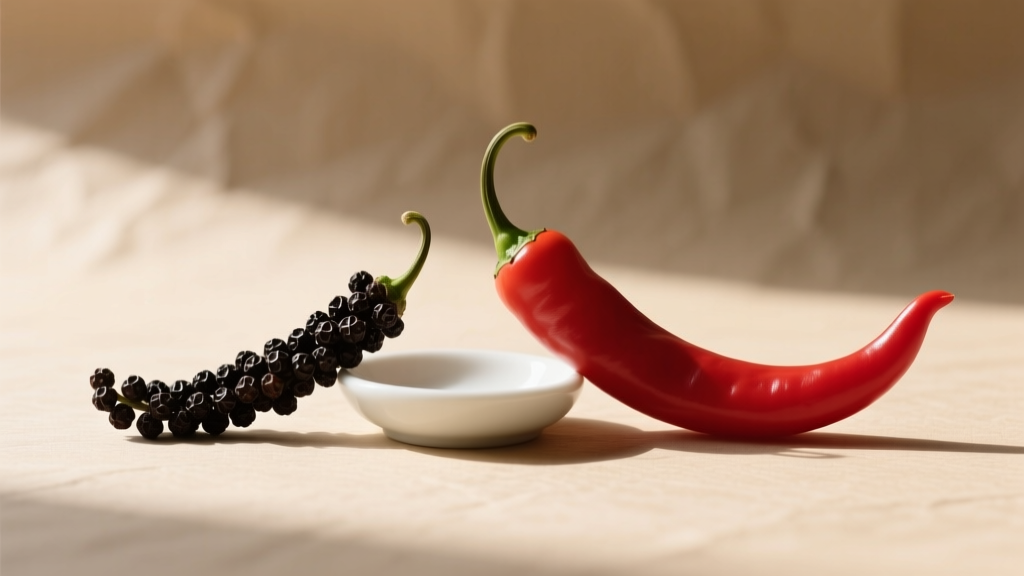 Black Pepper vs Cayenne Pepper: Key Differences Explained
 Sausage Breakfast Ideas: Smarter Casseroles & Sodium Swaps
 Calabrian Chili Paste Substitutes: Practical Swaps That Work
 Chili Powder Substitute: Reliable Replacements (2026)
 McDonald's Sausage Egg & Cheese McMuffin Calories (2026)
 Beef Stew Spices Guide: Essential Adds and Ratios
 Fenugreek Leaf Substitutes: Real Kitchen Solutions
 Indian Curry Types: Regional Styles & When to Use Them
 Sesame Ginger Dressing: Real Recipe & Smart Buying Guide
 Spice Storage Methods and the 7 Most Common Mistakes Home Cooks Make (Backed by Lab Data)