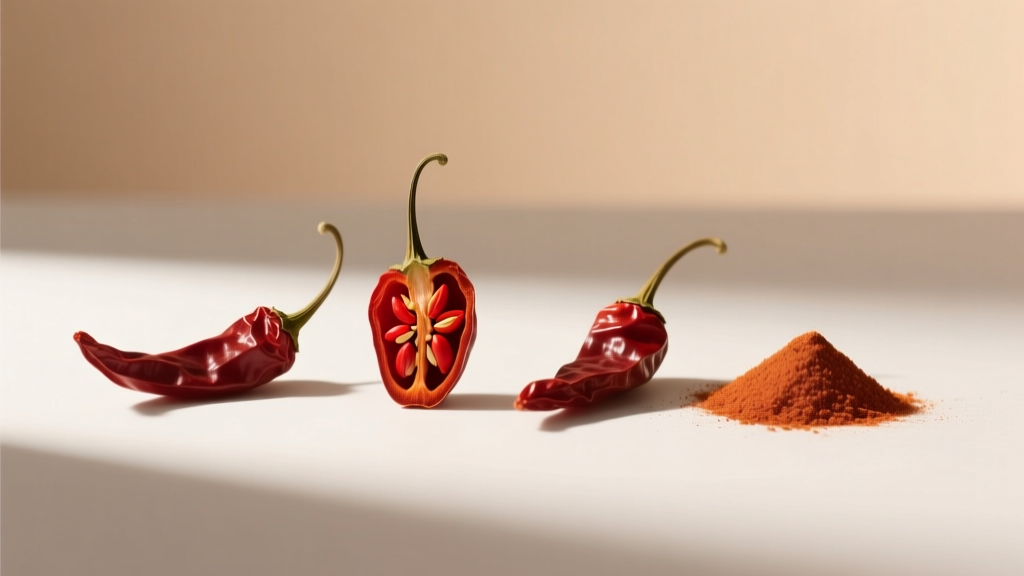
Dry Chilli Peppers: 4 Methods & Critical Tips
Why Bother Drying Chilli Peppers?
Let's be real—you've probably stared at a mountain of fresh chillies after harvest, wondering how to avoid waste. I've been there too. Drying isn't just about preservation; it concentrates that fiery flavor into something magical for stews, rubs, or even DIY chilli powder. Plus, properly dried peppers last years without losing heat. But here's the kicker: mess up the process, and you'll end up with mouldy or bitter peppers. Been there, learned the hard way.
Step-by-Step Drying Methods (No Guesswork)
Honestly, the method you pick depends on your climate and gear. I've tested all four approaches over 20 years—here's exactly what works:
Air Drying (The "String’em Up" Method)
Perfect for dry climates or winter months indoors. Grab a needle and light string—you'll thread through the stems after washing and slitting them. Hang in a well-ventilated room (not your damp basement!). Takes about 4 weeks. Pro tip: space peppers 2 inches apart so air circulates. I do this with kids—it's oddly therapeutic. Just avoid high humidity areas; Michigan folks, this might fail for you per MSU research.
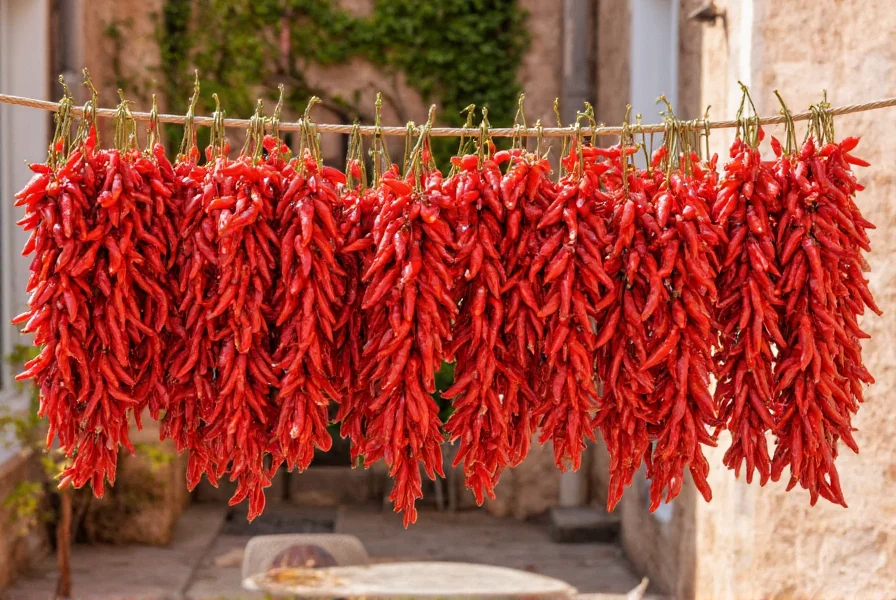
Sun Drying (Only If Your Weather Cooperates)
Don't even attempt this unless it's consistently above 90°F with <60% humidity. Lay peppers on stainless steel screens (never aluminum!), cover with cheesecloth for bugs, and elevate trays on blocks. Takes 3-7 days. Critical step: Pasteurize after drying—freeze at 0°F for 48 hours or bake at 160°F for 30 mins to kill insect eggs. UCANR's guidelines saved me from pantry pests more times than I can count.
Dehydrator Drying (My Go-To for Reliability)
Wash peppers, slice into 3/8-inch rings, and arrange in a single layer. Set dehydrator to 135-145°F. Takes 8-12 hours until brittle. No guesswork—when they snap cleanly, they're done. This method ignores weather and humidity, which is why I use it year-round in rainy climates.
Oven Drying (The "Last Resort" Option)
I rarely recommend this—it heats your whole house! But if you must: set oven to exactly 140°F (use an oven thermometer!), prop door open 2-6 inches, and place peppers on cooling racks over cookie sheets. Takes 16-24 hours. Seriously, don't skip the thermometer; 150°F will cook them into sad, leathery strips.
| Method | Time Required | Ideal Conditions | Biggest Risk |
|---|---|---|---|
| Air Drying | 4 weeks | <50% humidity, ventilated room | Mould in humid climates (per MSU) |
| Sun Drying | 3-7 days | >90°F, <60% humidity | Insect contamination (pasteurize!) |
| Dehydrator | 8-12 hours | Any climate | Overcrowding trays |
| Oven Drying | 16-24 hours | Winter (avoid summer heat) | Accidental cooking at >140°F |
When to Use (or Avoid) Each Method
Let's cut through the noise. Air drying? Only if you live in Arizona or have a dehumidifier running. Sun drying fails miserably in coastal areas—trust me, I tried it in Seattle once. Dehydrators win for speed and reliability, but if you're in a humid zone like Florida, skip air/sun methods entirely. Oven drying? Honestly, only use it if you've got no other options and it's freezing outside. And whatever you do: never dry peppers above 140°F. That "low" oven setting cooks capsaicin out of them.
Pro Tips You Won't Find Elsewhere
After two decades of trial and error:
- Test dryness: Peppers should snap like a twig, not bend. If they're leathery, they'll mould in storage.
- Storage hack: Glass jars beat freezer bags—they're rodent-proof and block light. Toss in a silica packet (from shoeboxes!) to absorb moisture.
- Flavor killer: Drying in direct sunlight bleaches color and mellows heat. For vibrant reds, use indirect light or a dehydrator.
- Rehydration secret: Soak in hot apple cider vinegar, not water—it preserves flavor better.
Common Mistakes That Ruin Your Peppers
I've seen so many people:
- Skipping pasteurization after sun drying (hello, pantry moths!)
- Using galvanized metal screens (causes chemical reactions)
- Storing near onions/garlic (absorbs odors—ruins chilli flavor)
- Assuming dried peppers last forever (discard after 12 months for peak heat)
Everything You Need to Know
Nope—drying concentrates flavor but doesn't increase capsaicin (the heat compound). They seem hotter because you use less volume. For reference, 1 dried chilli ≈ 3 fresh ones in recipes.
Humidity is the enemy. Keep peppers spaced, use fans for airflow, and never wash them right before drying—pat dry thoroughly first. In humid zones, dehydrators are non-negotiable. If you spot white spots, toss the batch immediately (it's mould, not harmless bloom).
Absolutely not. Microwaves cook unevenly—some parts char while others stay moist, creating perfect mould conditions. Stick to proven methods from UCANR's guidelines; your future self will thank you.
Two culprits: overheating (above 140°F caramelizes sugars into bitterness) or drying unripe peppers. Always use fully red/mature chillies and monitor temps religiously with a thermometer. If bitter, grind into powder for spice blends—it masks the flavor better.
Up to 12 months in airtight glass jars away from light. After that, heat fades but they're still safe. Test by snapping one—if it bends, moisture's in there; discard it. For reference, UCANR's preservation guide confirms proper storage prevents spoilage.
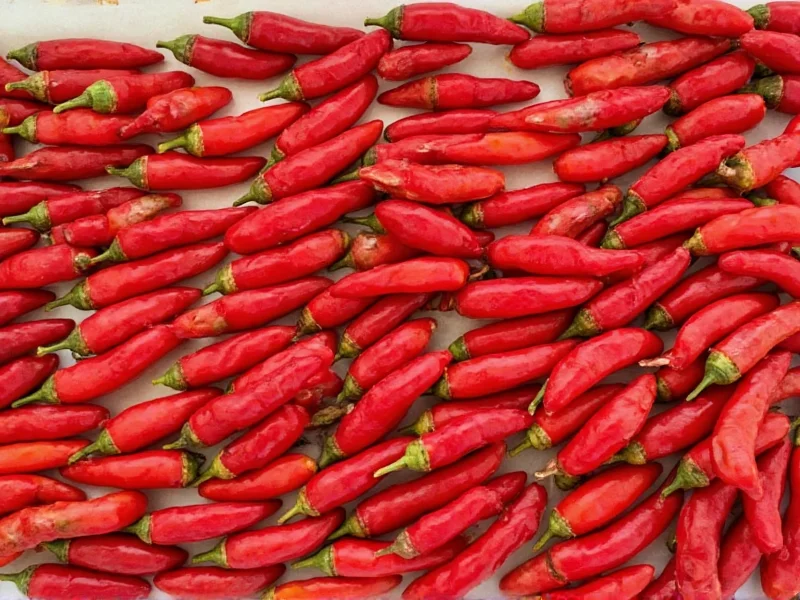
Bottom line: Pick the method that matches your climate and gear. For foolproof results, a $30 dehydrator beats gambling with weather. And remember—pasteurize after sun drying, always. I've linked UCANR's definitive guide and MSU's regional tips if you need deeper science. Now go rescue those chillies from the compost bin!
More Articles
 12 Proven DIY Garlic Ideas You Can Make at Home — From Roasted Paste to Fermented Black Garlic
 Turmeric in Indian Cooking: Real vs Fake Guide
 How to Season Beef: Simple Steps for Perfect Flavor
 Apple Cinnamon Swirl Loaf: No-Gap Recipe & Apple Guide
 Tandoori Recipe: Authentic Flavor at Home Without Clay Oven
 French Onion Soup: History, Ingredients & Authentic Guide
 Pickling vs Fermenting: The Science-Backed Differences
 Broccoli Soup Guide: Quality Choices & Real Tips
 Quick Potato Soup: 30-Minute Creamy Recipe Guide
 Best Spice Grinder: Electric vs Manual — Which One to Buy