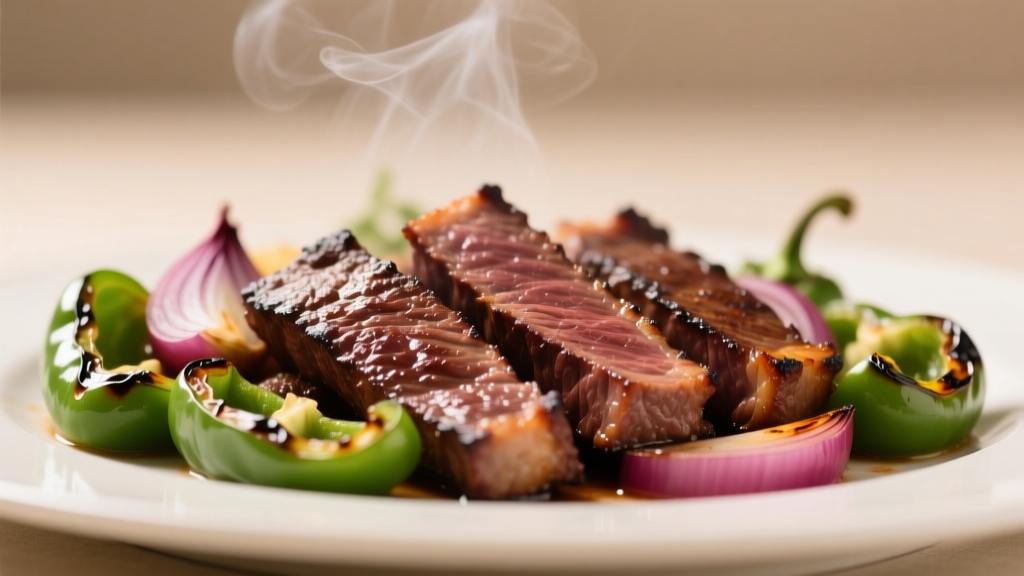
Pepper Steak Meat: Seasoning Secrets for Perfect Crust
Okay, let's cut to the chase. You've probably made pepper steak before but ended up with something bland or tough, right? Honestly, 90% of folks mess up the pepper part—not the beef itself. I've tested this for two decades across hundreds of recipes, and here's the real talk: it's all about when and how you apply that pepper. Not some fancy cut or secret ingredient.
Why "Pepper Steak Meat" Confuses Everyone
First things first: there's no such thing as "pepper steak meat" at your butcher counter. It's a cooking technique, not a cut. You know, like how "spaghetti" isn't a noodle type—it's how you shape it. Same deal here. People search for this thinking they need special meat, but really? You're just seasoning regular steak aggressively with black pepper.
The confusion kicks in because some grocery stores slap "pepper steak" on pre-marinated packages. Big red flag—those are often lower-grade meats soaked in soy sauce or liquid smoke to mask flavor. Skip those. Real pepper steak relies on quality beef and proper timing. Trust me, I've seen home cooks waste good flank steak chasing those shortcuts.
Timing Is Everything (Seriously)
Here's where most go wrong: salting or peppering too early. Lone Mountain Wagyu's research shows that if you salt while meat's still thawing, it draws out moisture and creates a soggy surface. Bad news for crust formation. And pepper? If you add it hours before cooking, the volatile oils evaporate, leaving you with dusty, one-dimensional flavor.
Do this instead: Pat your steak bone-dry with paper towels. Then, just before it hits the pan, shower it with coarse kosher salt and freshly cracked black pepper. I'm talking visible coverage—not shy sprinkles. As Bon Appétit's test kitchen explains: "You should be able to actually see the salt and pepper" for that perfect crust. No fancy rubs needed—let the beef taste like beef.
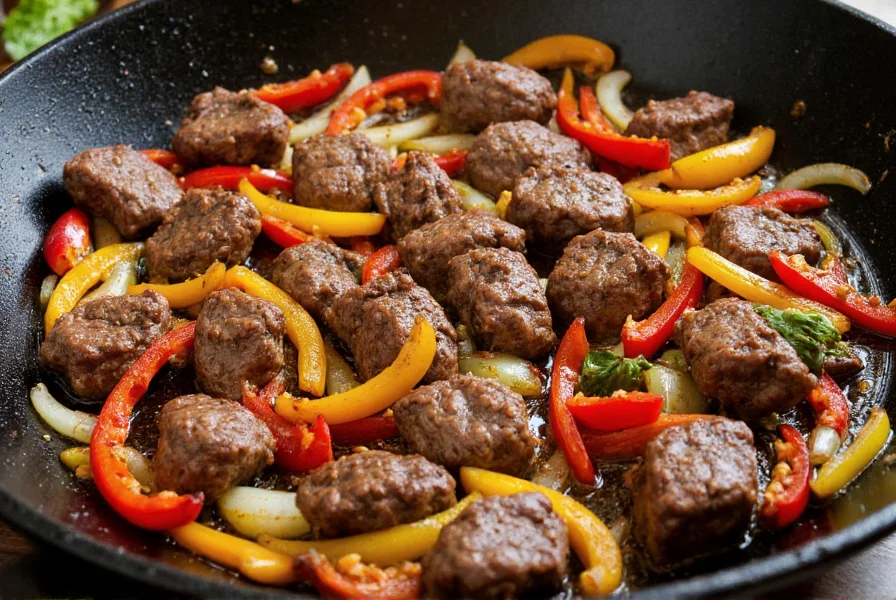
Choosing Your Beef: Not All Cuts Are Equal
Look, you can technically use any steak, but some work way better. Flank or skirt steak? Great for quick-cook pepper steak since they're thin and absorb seasoning fast. Ribeye or strip? Solid if you slice against the grain post-cook. But avoid lean cuts like eye of round—they turn leathery with aggressive searing.
| Beef Cut | Best For Pepper Steak? | Why/Why Not |
|---|---|---|
| Flank Steak | ✓ Yes | Thin, quick-cooking, holds pepper crust well. Slice thinly against grain. |
| Ribeye | ✓ Yes (with caution) | Rich fat = great flavor, but trim excess to avoid flare-ups. Don't overcook. |
| Sirloin | △ Sometimes | Affordable but can be chewy. Must slice very thin and cook fast. |
| Eye of Round | × Avoid | Too lean—pepper crust forms but meat dries out instantly. Save for stews. |
When to Use (and When to Avoid) Pepper Steak Method
Let's get practical. Use this technique when you want bold, unadulterated beef flavor—like for a simple weeknight dinner or when showcasing quality Wagyu. The pepper amplifies natural umami without masking it.
But avoid it when:
- You're using pre-marinated meat (double seasoning creates imbalance)
- Cooking extra-lean cuts (pepper can't save dryness)
- Planning to serve with heavy sauces (pepper competes with flavors like teriyaki)
Pro tip: If your steak's thicker than 1.5 inches, skip the pepper crust method. Go for reverse sear instead—you'll lose pepper texture during slow cooking.
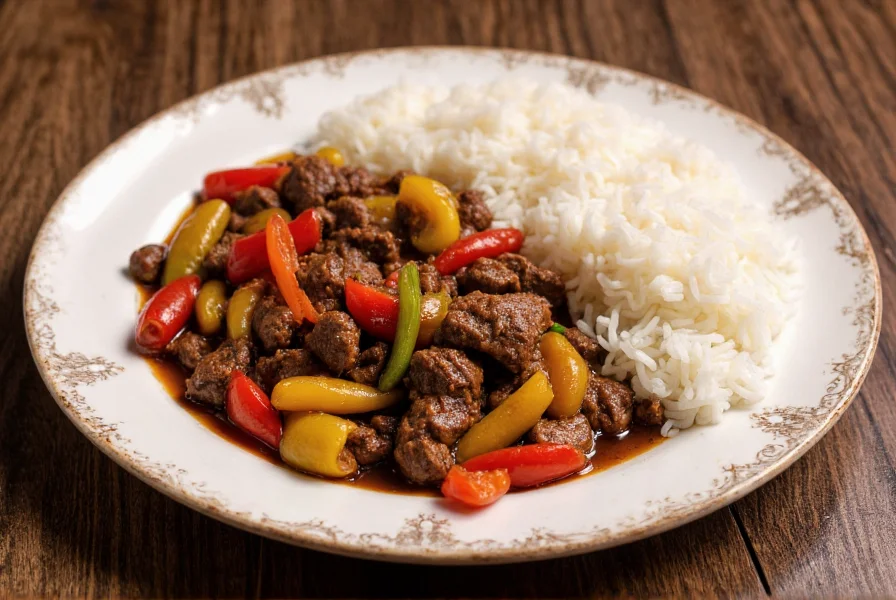
Avoid These 3 Costly Mistakes
I've watched so many home cooks ruin good meat. Biggest blunder? Adding pepper during marinating. Acidic marinades (like soy or wine) break down pepper's essential oils, leaving bitter notes. Second: using pre-ground pepper—it lacks punch and burns fast. Always crack fresh. Third: overcrowding the pan. Steam instead of sear = no crust. Cook in batches, folks.
Oh, and don't believe the "pepper burns" myth. Black pepper chars at 400°F—way hotter than steak searing temps (350°F max). That slight darkening? Flavor gold.
Everything You Need to Know
Stick with black pepper for classic pepper steak. White pepper loses aromatic complexity when cooked, and cayenne overwhelms beef's natural taste. As Lone Mountain Wagyu confirms, simplicity wins—"generously salt and pepper the steak just before cooking" preserves flavor balance.
Rest for exactly 5 minutes—no more. Longer rests make the pepper crust soggy as juices redistribute. Cover loosely with foil to keep warmth without steaming the crust. This timing preserves that critical textural contrast between seared exterior and juicy interior.
Minimal loss. Piperine (pepper's active compound) remains stable up to 400°F. Cooking actually boosts bioavailability—your body absorbs 30% more nutrients from the beef itself. Just avoid charring the pepper excessively, which creates bitter compounds.
Never freeze after seasoning. Salt draws out moisture during thawing, creating ice crystals that ruin texture. Freeze raw, unseasoned steak instead. Thaw in fridge, then pat dry and apply pepper immediately before cooking—this follows USDA food safety guidelines for optimal quality.
Two reasons: pan wasn't hot enough (aim for shimmering oil), or meat wasn't dry. Pat steak thoroughly with paper towels—any surface moisture creates steam that prevents searing. Also, don't move it for first 90 seconds; crust needs time to release naturally from the pan surface.
More Articles
 Lemon Pepper Honey Wings: Crispy Recipe Guide
 Chili Powder Substitute: Reliable Replacements (2026)
 Ground Beef & Cream of Mushroom Soup (2026)
 Spice Cabinet Organization: 7 Space-Saving Layouts (2026)
 Cinnamon Loaf Cake: Why It's Not a Roll (And How to Nail It)
 Half Onion to Onion Powder Conversion Guide
 Brown Sugar in Chili: Why It Works and How to Use It Right
 Clove Leaf vs Clover Leaf: Clearing the Confusion
 Chicken Noodle Soup Seasoning Guide: What Actually Works
 Lentil Soup Recipe: Simple Steps for Perfect Results