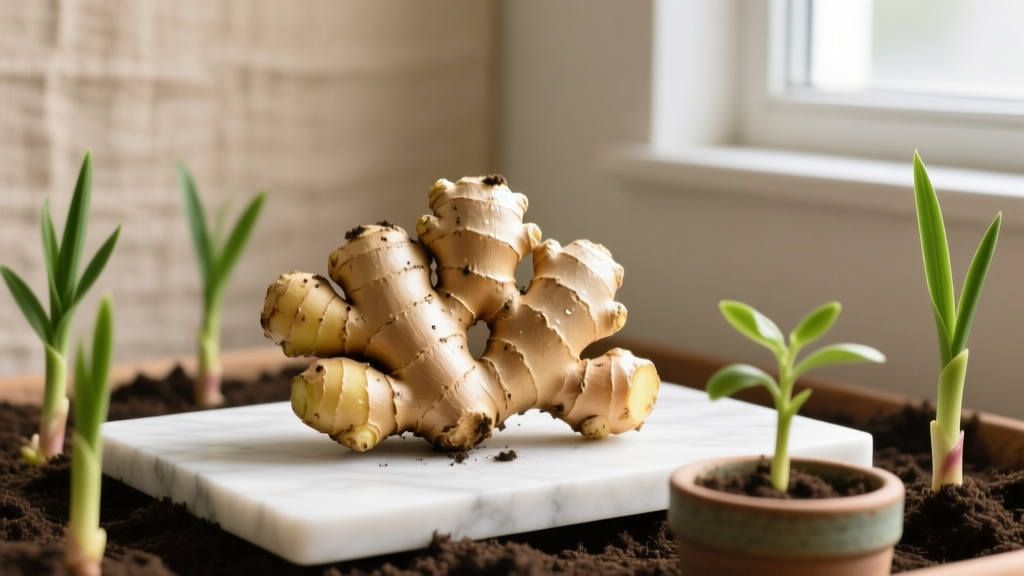
How to Grow Ginger from Root: Your Complete Home Guide
Why Bother Growing Your Own Ginger?
Let's be real—most folks grab ginger at the store without thinking. But here's the kicker: that stuff's usually radiation-treated to prevent sprouting. You know, so it sits pretty on shelves for months. After 20 years growing roots, I've seen so many beginners waste time trying to plant those. Honestly, it's a total dead end. Growing your own? You get fresher flavor, zero chemicals, and that "I made this" pride. Plus, it's crazy easy once you skip the grocery store trap.
Choosing Your Ginger Root: Don't Skip This Step
You'd be surprised how many folks mess up right here. That shriveled knob in plastic? Probably useless. Let me break it down:
| Type | Pros | Cons | When to Use |
|---|---|---|---|
| Organic grocery ginger | Easy to find, cheap | Rarely sprouts (often treated) | Only if eyes are plump and moist |
| Nursery/seed ginger | Disease-free, reliable sprouting | Slightly pricier | Always—best success rate |
| Farmer's market ginger | Fresh, local varieties | Seasonal availability | Spring planting season only |
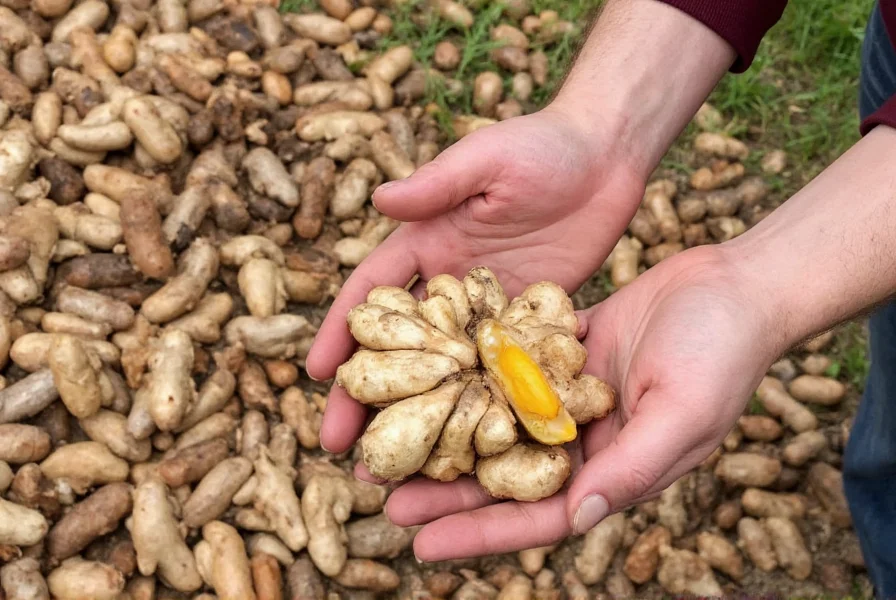
Pro tip: Wash store-bought ginger well to remove growth inhibitors. But honestly, for foolproof results? Grab certified rhizomes from places like Edible Landscaping. They skip the guesswork.
Your Step-by-Step Planting Guide (No Greenhouse Needed!)
Okay, let's get dirty. This works whether you're in Florida or Minnesota—seriously. The trick? Start indoors early. I've done this in my Chicago apartment for years.
- Prep the root: Cut into 1-2 inch chunks with 2+ eyes. Let cuts callus for 2 days (prevents rot). Skip this, and you'll curse me later.
- Potting: Use a 12-18" wide container with drainage. Fill with loose mix: 2 parts potting soil, 1 part compost, 1 part sand. Plant eyes up, 2-4 inches deep.
- Location: Place in indirect light (east window's perfect). Keep at 75-85°F—use a seed mat if needed. Ginger hates cold drafts.
- Watering: Moist but not soggy. Stick your finger in—dry top inch? Water. Yellow leaves mean overwatering; brown tips mean underwatering.
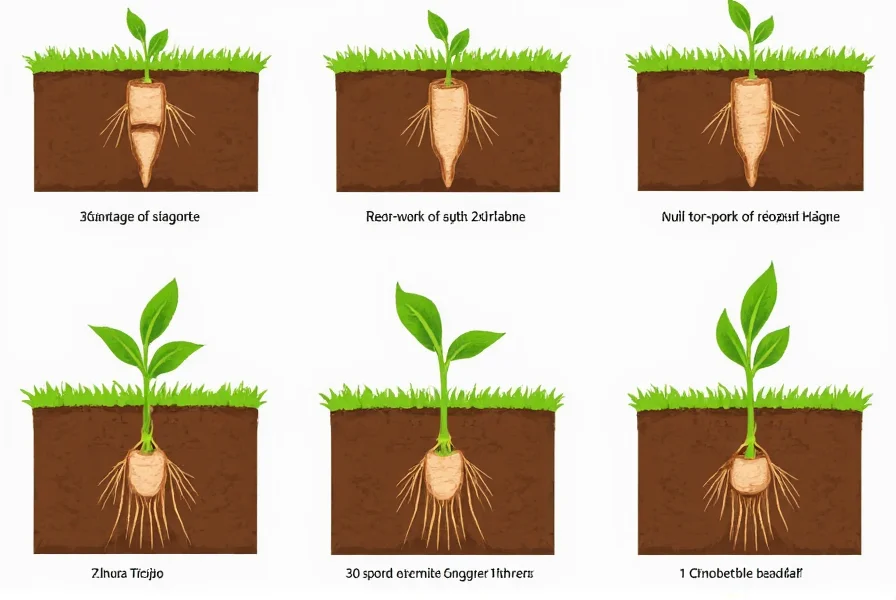
When to Use vs. Avoid Common Methods
Not all advice fits your situation. Here's the real deal:
- Use grocery store ginger ONLY if: Eyes are plump (not shriveled), and you soak it overnight. Still risky—Virginia Extension confirms most are radiation-treated.
- Avoid full sun: Ginger burns easily. I learned this the hard way—my first batch turned crispy in 3 days.
- Don't plant before last frost: Roots rot in cold soil. Wait until temps stay above 60°F at night. Check your zone via UF/IFAS guidelines.
Harvesting & Storage: Where Everyone Slips Up
You'll see leaves yellow in fall—that's your cue. Dig gently, brush off soil, and air-dry 3 days in shade. Now, the big mistake? Tossing it straight in the fridge. Nope. For long storage:
- Freeze whole rhizomes in bags (no prep needed)
- Make "baby ginger" at 4 months: Harvest small, tender roots (great for pickling!)
- Never wash before storing—moisture causes mold
Side note: If you live somewhere warm (like USDA zones 8+), leave roots in-ground over winter. Just mulch heavily. But in colder zones? Pot them up and bring indoors before frost hits—University of Maryland swears by this.
FAQ: Everything You Need to Know
Technically yes, but don't count on it. Most store ginger is radiation-treated to prevent sprouting—Virginia Extension confirms this blocks growth. If you try it, pick organic with plump eyes, wash thoroughly, and soak overnight. Nursery-bought rhizomes give 90%+ success rates.
Full ginger takes 8-10 months (leaves yellow in fall). But here's the hack: Illinois Extension says you can harvest "baby ginger" at 4 months—smaller, juicier, perfect for stir-fries. Don't wait too long; mature roots get fibrous.
Could be three things: 1) Normal harvest signal (fall yellowing), 2) Overwatering (check soil soggy?), or 3) Nutrient deficiency. Gardenary notes yellow leaves often mean it's time to fertilize—try monthly balanced feed during growth. If it's summer? Probably too much water.
Air-dry roots 3 days in shade first—UF/IFAS insists this prevents mold. Then freeze whole in bags (no prep!). Never refrigerate long-term—it causes rot. For baby ginger, pickle it—it lasts months.
Only in warm climates (USDA zones 9-12). Elsewhere? Dig roots before first frost. UVM Extension recommends potting mature plants and moving indoors when temps drop below 50°F. They'll go dormant but regrow next spring—just keep soil barely moist.
More Articles
 Tzatziki Sauce: What It Is, Authentic Uses & Common Mistakes
 Roasted Tomato Soup Recipe: Simple & Flavorful in 30 Minutes
 Turmeric Stains: 5 Prevention & Removal Tips
 Quick Potato Soup: 30-Minute Creamy Recipe Guide
 Vegetable Soup with Potatoes: Healthy Recipe & Expert Tips
 Practical Uses for Dried Orange Peel: Kitchen to Home
 Cajun Shrimp Sausage Gumbo: Authentic Recipe Guide
 McDonald's Sausage Egg & Cheese McMuffin Calories (2026)
 Coffee and Cinnamon Cake Recipe: Double Streusel, No Dryness
 Italian Sausage Soup: Cutting Through the Wedding Soup Myth