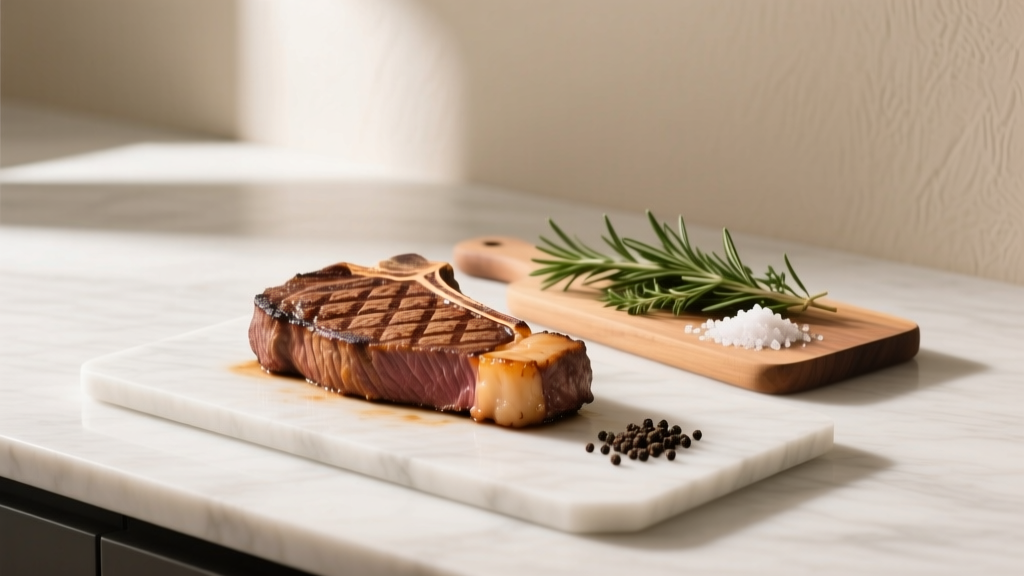
How to Season Beef: Simple Steps for Perfect Flavor
Why Your Beef Seasoning Fails (And How to Fix It)
Let's be real—you've probably ruined a good steak by slapping on wet-seasoned meat straight from the fridge. I've done it too, back when I thought "more spices = better flavor." Truth is, most home cooks overcomplicate this. They dump pre-made rubs everywhere or skip the dry step, ending up with bland or burnt beef. After 20 years testing this stuff, I can tell you: the magic happens in three boring steps—dry, salt, wait. No fancy gadgets needed.
The Non-Negotiable Basics: What Actually Works
Here's what top butchers and pitmasters swear by, straight from real kitchens—not lab coats. First, dry that surface. Pat beef with paper towels until it feels like chalk. Moisture is the enemy; it steams instead of searing. Seriously, try it: wet meat on a hot grill just sizzles pathetically. Second, kosher salt only. Why? Its pyramid-shaped crystals grip the meat better and dissolve slower than table salt, giving even flavor without bitterness. As Beck & Bulow's team puts it: "You can't season the inside directly—this outer layer flavors every bite" (source). Third, freshly cracked pepper. Pre-ground stuff loses oils fast; that sharp bite you love? Gone in weeks.
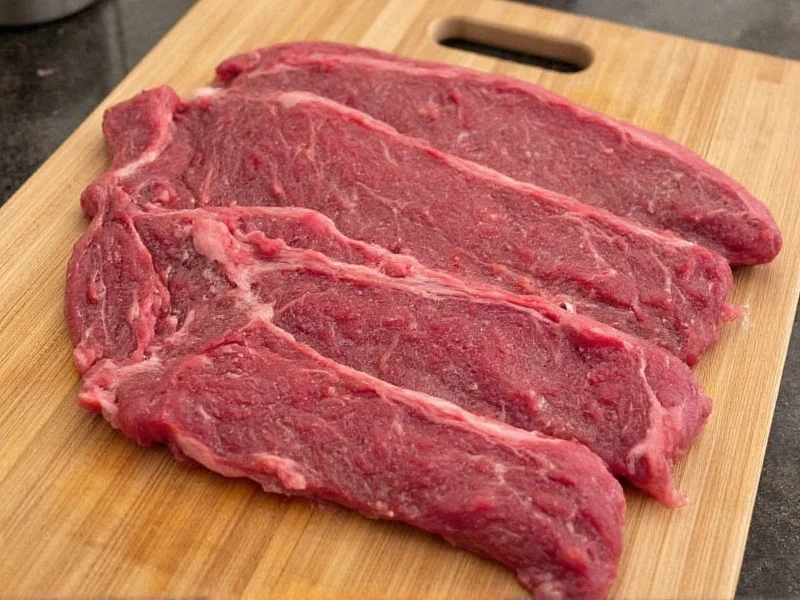
Seasoning Cheat Sheet: Match the Cut, Not the Hype
Not all beef plays nice with the same rub. I've seen folks ruin filet mignon by treating it like brisket. Here's the no-BS breakdown based on what actually lands on plates:
| Beef Cut | Best Seasoning Approach | Why It Works | Avoid This |
|---|---|---|---|
| Steak (Ribeye, Strip) | Sea salt + black pepper only | Lets natural marbling shine; complex rubs overwhelm | Sugar-heavy blends (burns at high heat) |
| Brisket/Roast | Cash Cow Rub or smoked paprika + garlic powder | Deep umami complements slow-cooked collagen (source) | Wet marinades (dilutes natural juices) |
| Ground Beef (Burgers) | Mix in cumin, onion powder, pinch of brown sugar | Flavors bind into patty; no falling off (source) | Adding salt pre-patty (draws out moisture) |
Timing and Technique: Where Everyone Messes Up
You know that "let it rest" advice? It applies before cooking too. For steaks, leave seasoned meat out 30-60 minutes. This isn't just for show—it lets salt migrate inward, seasoning beyond the surface. Raw Spice Bar confirms: "Pat proteins dry; coat evenly with 1–2 tablespoons rub per 1.5 lb" (source). But here's the kicker: never add salt too early for ground beef. It pulls moisture out, making burgers dense. Mix seasonings in right before shaping patties.
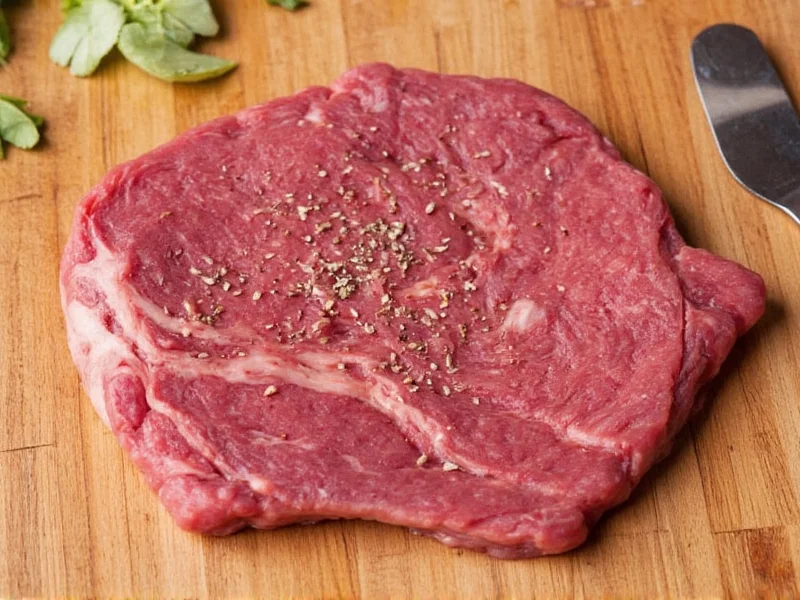
When to Skip the Fancy Rubs (Seriously)
Look, I get it—those Instagram reels make everything look epic. But sometimes, less is more. Avoid complex blends when:
- You've got premium Wagyu or dry-aged beef: These cost a fortune for their natural flavor. As Frazie's Meat Market states: "Ours have such incredible flavor that sea salt and freshly ground black pepper are all that's needed" (source).
- Grilling over 400°F: Sugar in rubs caramelizes fast then burns. Stick to salt/pepper for high-heat sears.
Conversely, lean cuts like flank steak need that extra layer—try a light oil mist before rubs to help adhesion (source).
Pro Moves You Haven't Tried (But Should)
After testing hundreds of batches, here's what separates okay from "damn, that's good":
- Re-season post-cook: A tiny pinch of flaky salt right before serving wakes up flavors. The Meat Stick notes this boosts perceived juiciness (source).
- Measure by weight, not eyeballing: Seriously, 1 tbsp per pound isn't optional. Under-seasoned beef tastes flat; over does it bitter.
- Store extra rubs in small bowls: Never dip wet fingers into the jar—it introduces moisture and ruins shelf life (source).

Top 3 Mistakes That Ruin Your Beef (Fix Them Now)
- Skipping the dry step: Wet meat = steamed meat. Patience takes 30 seconds but makes or breaks crust.
- Using table salt: Its fine grains create uneven spots of saltiness and burn faster. Kosher salt’s texture is king.
- Seasoning too late: Rushing to cook means surface-only flavor. That 30-minute wait? Non-negotiable for juicy depth.
Everything You Need to Know
Always salt before cooking—ideally 30-60 minutes prior. This lets salt penetrate beyond the surface, enhancing juiciness. Salting after only seasons the exterior and can make meat taste flat. For ground beef burgers, mix salt in right before shaping patties to avoid moisture loss.
No—table salt’s fine crystals dissolve too fast, creating uneven salty spots and burning easily at high heat. Kosher salt’s larger flakes give better control and deeper flavor penetration. As Beck & Bulow explains, it contains natural minerals that enhance taste without the bitterness of processed table salt.
For steaks and roasts, leave it at room temperature for 30-60 minutes. This critical window allows salt to migrate inward for even seasoning. Don’t skip it—even if you’re in a hurry—as it prevents the exterior from overcooking while the inside stays raw. Ground beef patties should go straight to the grill after seasoning.
Moisture is the culprit. Always pat meat bone-dry with paper towels first—any surface water repels dry rubs. For extra-adhesion on lean cuts, lightly mist with oil before applying spices. Never apply rubs to wet meat; as Raw Spice Bar notes, this causes clumping and uneven coverage.
Yes, for steaks and roasts—a light sprinkle of flaky salt right before serving brightens flavors that mellow during resting. The Meat Stick confirms this trick enhances perceived juiciness. But skip it for burgers or ground beef; they’re seasoned thoroughly during prep.
More Articles
 Cinnamon Grams per Teaspoon: Spice-Spotting Hack (2026)
 Sausage Egg Cheese Sandwich Guide: Science-Backed Assembly
 Potato Soup with Cream Cheese: Creamy Perfection Every Time
 Store Spices for Maximum Freshness (2026)
 Beef Stew Spices Guide: Proven Blends for Rich Flavor
 Saffron Source: Origins, Authenticity & Smart Buying Guide
 Sweet Potato Chili: Flavorful & Nutritious Recipe Guide
 Air Fryer Sausage Guide: Perfect Temp, Time & Tips
 Lemon Pepper Salmon Recipe: Crispy Skin in 15 Minutes
 How to Freeze Fresh Herbs Without Losing Flavor: 4 Proven Methods