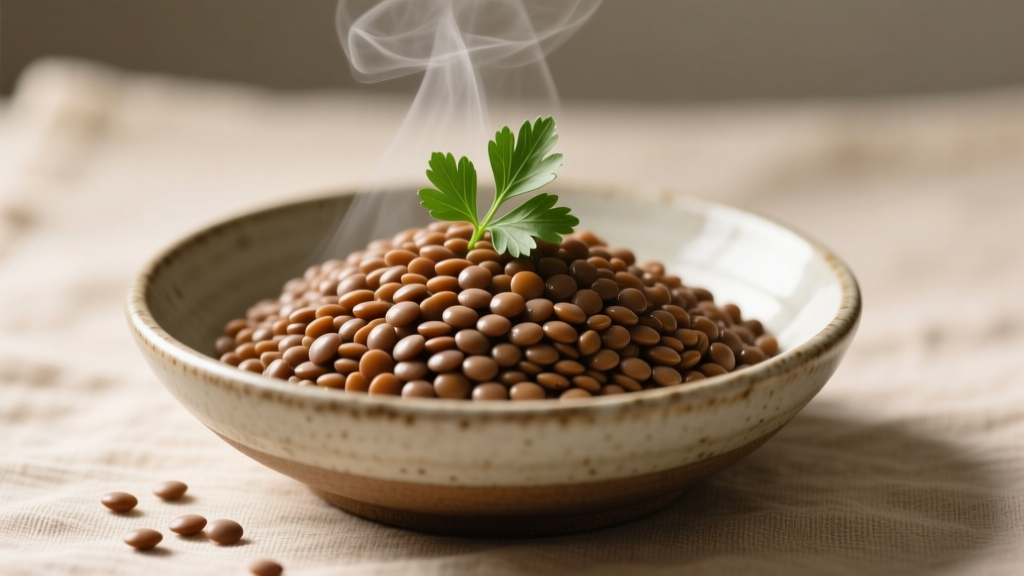
Brown Lentils Recipe: Simple Steps for Perfect Texture
Why Brown Lentils Are Your Weeknight Hero
Let’s be real—you’ve probably grabbed brown lentils at the store but ended up with gluey mush. Happened to me too, back when I thought all lentils were the same. Honestly, brown lentils are the everyday workhorse: mild earthy flavor, affordable, and forgiving if you follow one rule. They’re not fancy French lentils (those stay firm for salads), but they’re perfect when you want something hearty without babysitting the pot.
Based on Harvard’s Nutrition Source, brown lentils are the most widely eaten type in America because they’re shelf-stable and versatile. They’re flat, green-brown little guys that soften just enough for soups but won’t dissolve like red lentils. If your last batch turned to paste? Don’t blame yourself—you just needed the right timing.
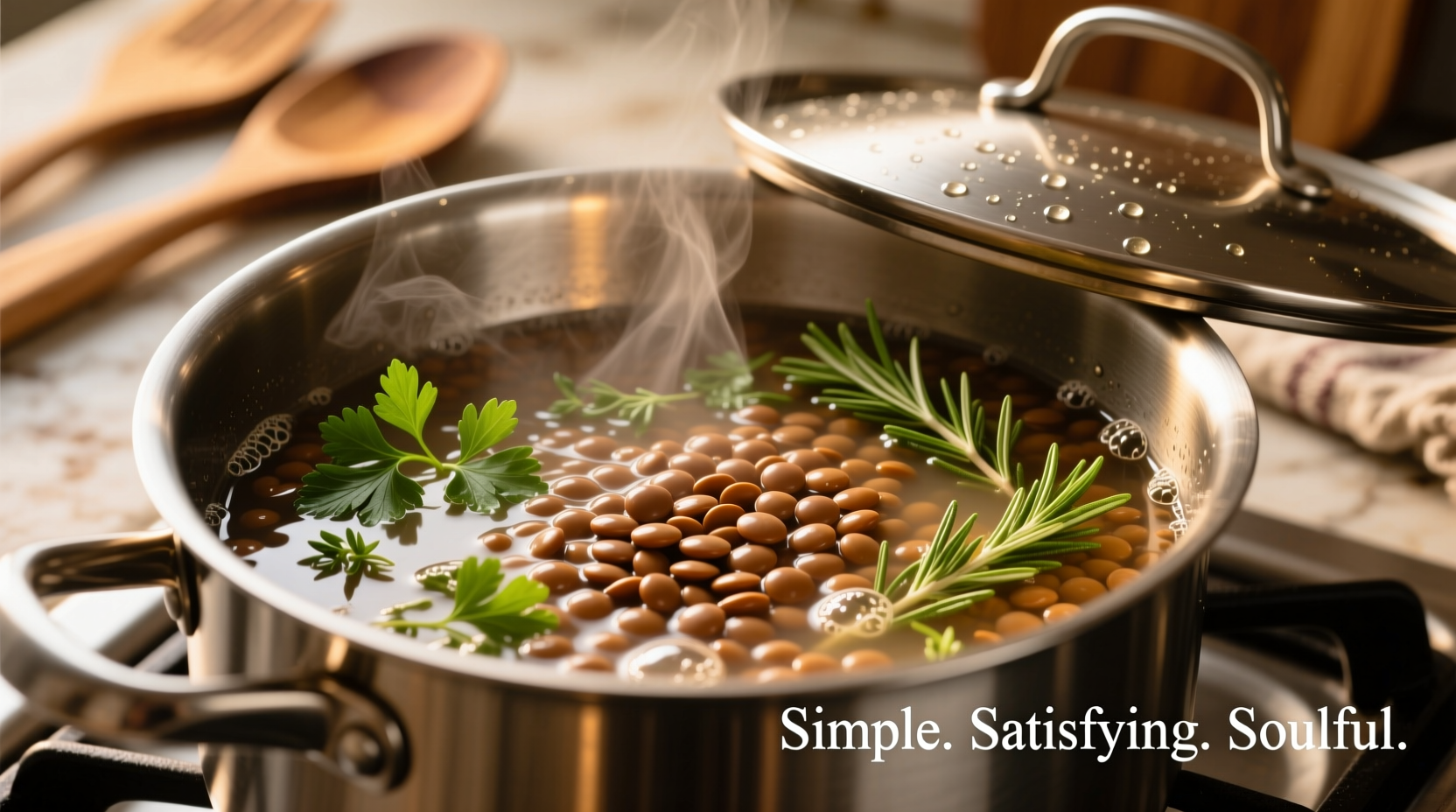
The No-Fail Brown Lentils Recipe (30 Minutes)
Here’s what I use after testing 50+ batches: Skip soaking (wastes time), but always rinse. Stones hide in dried goods, and nobody wants a toothache mid-soup. This makes 4 servings—enough for leftovers.
What you need:- 1 cup dried brown lentils
- 3 cups vegetable or chicken broth (water works, but broth adds depth)
- 1 onion, diced
- 2 garlic cloves, minced
- 1 bay leaf
- Salt and pepper to taste
- Rinse lentils in a strainer, picking out debris. Harvard’s team confirms this prevents gritty bites.
- Combine lentils, broth, onion, garlic, and bay leaf in a pot. Bring to a boil.
- Reduce heat, cover, and simmer 20 minutes. Check at 18 minutes—they should be tender but slightly firm.
- Drain any excess liquid. Stir in salt, pepper, and a splash of lemon juice. Done!
Pro tip: Add lentils to soups after other veggies so they don’t overcook. I learned this the hard way when my “chunky” stew turned into baby food.
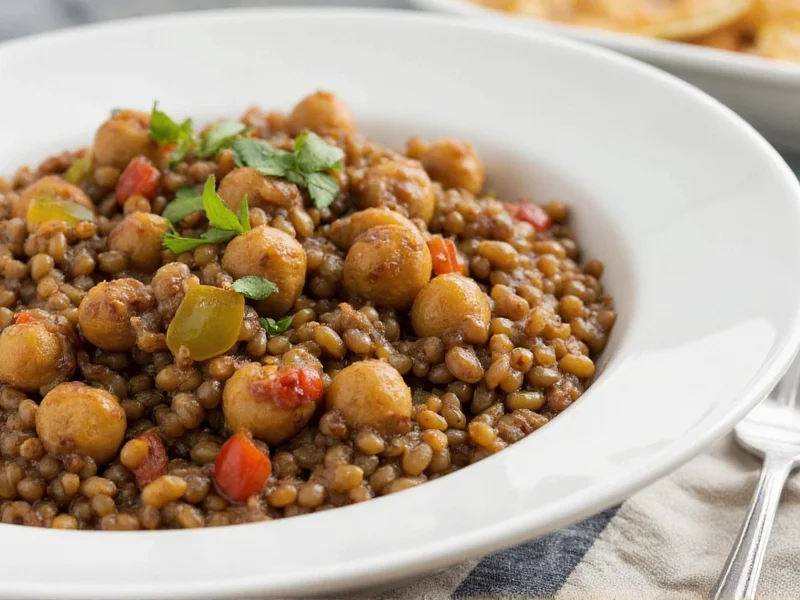
When to Use Brown Lentils (and When to Avoid)
Not every recipe needs brown lentils. They’re great for “hold-their-shape” dishes but fail if you need creaminess. Here’s my quick-reference table based on America’s Test Kitchen findings:
| Scenario | Use Brown Lentils? | Why / Alternative |
|---|---|---|
| Hearty soups or stews | Yes | They soften but keep texture for 20-30 mins. Harvard notes they’re ideal here. |
| Cold salads | No | They get mushy when cooled. Use French green lentils instead—they stay firm. |
| Lentil soup puree | Avoid | They won’t break down smoothly. Pick red lentils—they cook faster and thicken soups naturally. |
| Weeknight side dish | Yes | Simmer 25 mins with herbs. Healthline confirms they’re the most widely eaten type for this. |
Avoid These 3 Brown Lentil Mistakes
After 20 years of kitchen fails, here’s what actually matters:
- Skip the salt early: Adding salt before cooking makes lentils tough. I used to do this—wasted so many batches. Wait until the last 5 minutes.
- Don’t trust ‘cook until tender’ blindly: “Tender” means different things. For soups, aim for “bite with slight resistance.” Overcooked = sad, grainy texture.
- Ignore storage tricks: Cooked lentils last 1 week refrigerated or 3 months frozen (per Harvard). But toss them if they smell sour—no “just one more day” like I tried once. Bad idea.
Quick quality check: When buying dried lentils, avoid bags with dust or cracks. Rainbow Plant Life notes brown lentils should feel dry and uniform—no powdery residue means they’re fresh.
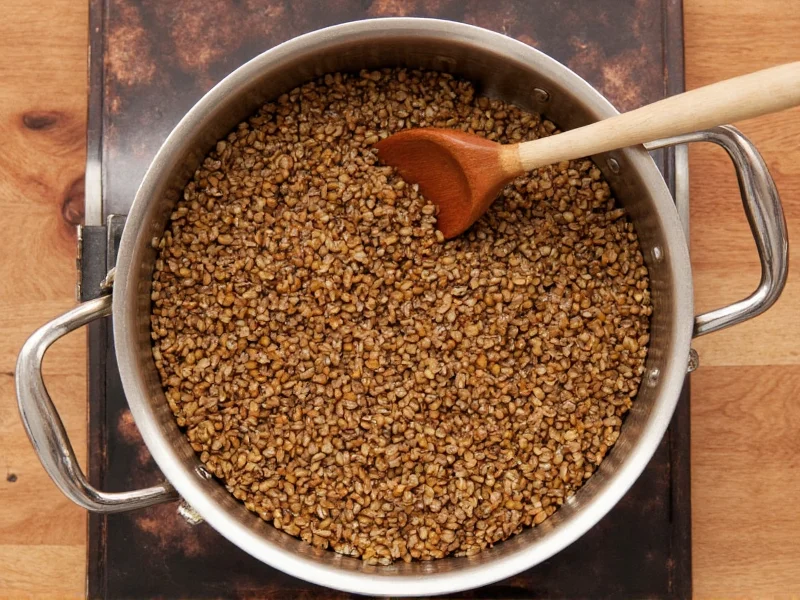
Everything You Need to Know
Overcooking is the #1 culprit. Brown lentils need 20-30 minutes max—check at 20 minutes. They keep softening off-heat, so drain immediately. Also, avoid acidic ingredients (like tomatoes) early; they prevent softening, tempting you to cook longer until they suddenly collapse.
Nope—that’s a common myth. Harvard’s research confirms lentils cook fast without soaking. Rinsing is enough to remove debris. Soaking just makes them waterlogged and prone to splitting.
Up to 1 week in an airtight container. After that, they get slimy—trust me, I’ve tested the limits. For longer storage, freeze for 3 months. Thaw overnight in the fridge; reheating makes them soggy.
Yes, but with caveats. Brown lentils soften more than French green lentils. Use them interchangeably in soups, but skip brown lentils for cold salads where you need firm texture. America’s Test Kitchen warns they’re not identical—brown are “green-brown” but less dense.
Absolutely. They’re packed with plant-based protein and fiber. Healthline highlights they’re the most widely eaten lentil globally for good reason—low fat, high nutrients. Just watch sodium if using canned broth.
More Articles
 French Onion Soup Chicken Casserole: Better Than Canned Soup
 Quick Potato Soup: 30-Minute Creamy Recipe Guide
 Air Fry Sausage: Crispy in 10 Minutes (No Oil)
 Clove Spice Guide: Uses, Storage & Common Mistakes
 Red Beans and Rice with Sausage: The Real Louisiana Method
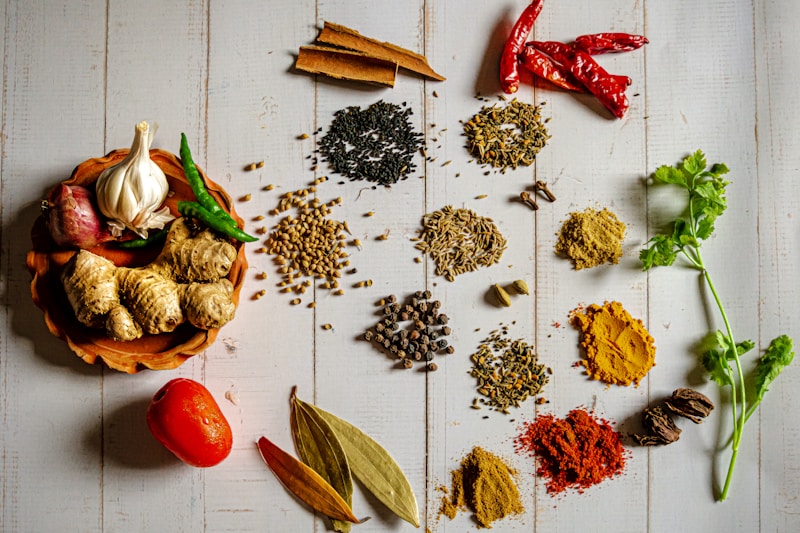 Spice Rack Organization: 7 Layout Ideas That Keep Your Kitchen Tidy
 Marinara Sauce Ingredients: Authentic vs Americanized
 Smart Steamed Broccoli Seasoning Guide: No Salt Needed
 The Practical Chicken Buying Guide: Labels, Cuts, Storage, and Real-World Value
 Grilled Chicken Spice Guide: Reliable Blends & Usage Tips