What Beans for Chili: The Practical Guide
Why Bean Choice Makes or Breaks Your Chili
Let's be real: you've probably ruined a pot of chili with beans that turned to sludge, right? Happened to me too—back when I thought any canned bean would do. Turns out, chili's long simmer exposes weak beans. You need varieties that keep their shape while soaking up smoky spices and meaty juices. I've tested dozens over 20 years, and trust me, picking wrong wastes your time and dinner plans.
Here's the deal: chili isn't just soup. It's a slow dance of flavors where beans must hold their own. Too delicate? They vanish. Too bland? They drag down the whole pot. You want beans that enhance, not distract. And honestly, most recipes oversimplify this—they'll say "use kidney beans" but skip why or how to pick quality ones. Let's fix that.
Bean Breakdown: What Actually Works in Chili
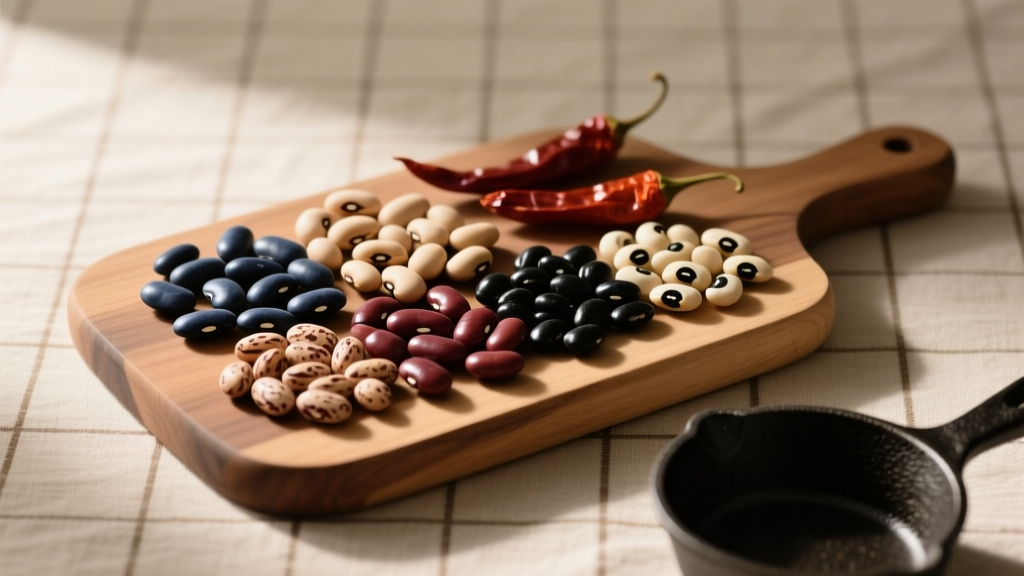
Forget generic "bean" labels. Not all hold up, and some clash with chili spices. I'll walk you through the top players based on texture, flavor absorption, and real kitchen testing.
Kidney Beans: The Chili MVP
Kidney beans are the backbone for a reason. Their thick skins survive hours of simmering—unlike flimsier beans that disintegrate. Dark red kidney beans (like Goya or Bush's) are my daily go-tos; they've got denser structure than light reds. As Sporked.com confirmed after tasting 15 brands, the best have "creamy interiors, intact exteriors, and authentic bean flavor." Skip any that taste tinny or grainy—they'll ruin your chili's depth.
Pinto Beans: The Creamy Sidekick
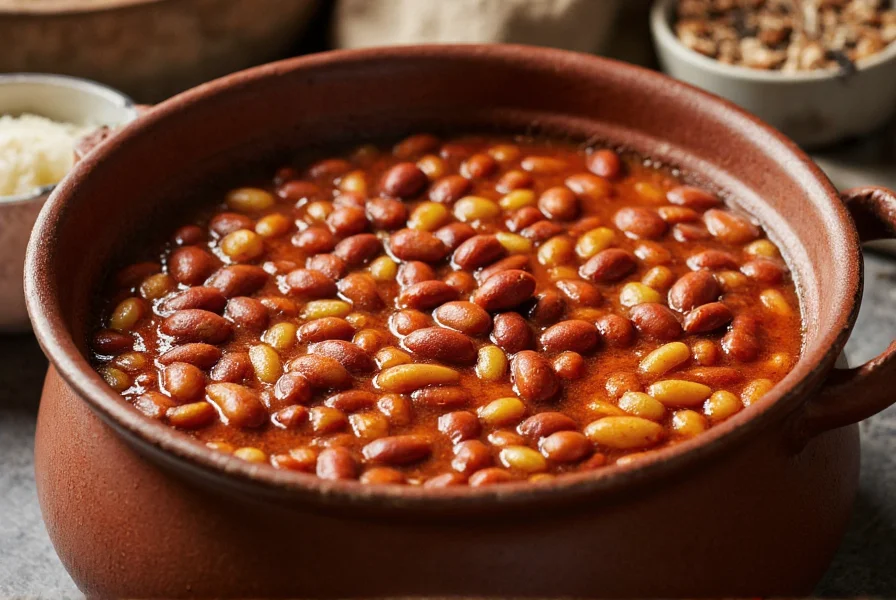
Pinto beans shine when you want texture contrast. They're softer than kidneys but hold shape better than you'd think—especially if added later in cooking. Their earthy, nutty flavor blends with cumin and chili powder without fighting it. Meat Church's recipe uses both kidney and pinto beans because they balance each other: kidneys give heft, pintos add silkiness. Pro tip: rinse pintos well—they're starchier than kidneys.
Black Beans: The Mild Contender
Black beans work if you prefer subtle flavor. They're smaller with thinner skins, so they soften faster—but won't dissolve like lima beans. Spend with Pennies notes they're "meaty" and hold up "surprisingly well." I use them in Tex-Mex chili for visual pop, but avoid solo—they lack the robustness of kidneys. Always drain and rinse; canned black beans often pack extra salt.
Bean Showdown: How They Stack Up
| Bean Type | Texture in Chili | Flavor Impact | When to Use | When to Avoid |
|---|---|---|---|---|
| Dark Red Kidney | Holds shape perfectly; creamy inside | Earthy, robust—anchors spice blend | Classic chili, long simmers (2+ hours) | Light salads (skins too tough) |
| Pinto | Creamy but intact; slight softness | Nutty, mild—blends seamlessly | Mixed-bean chili, quicker recipes | When you need firm texture only |
| Black Beans | Softer exterior; holds core shape | Very mild—lets meat shine | Tex-Mex chili, bean-heavy versions | Traditional Cincinnati-style chili |
| Lima Beans | Dissolves fast; turns mushy | Grassy—clashes with spices | Never in chili | Always (as The Daily Meal warns) |
When to Grab Which Bean (and Critical Mistakes)
Okay, let's get practical. You're standing in the grocery aisle—what do you grab? Here's my real-world cheat sheet:
- Use kidney beans alone if you want authentic, meat-forward chili (like Texas-style). They're the only beans that won't fade into the background.
- Mix kidney + pinto for family-friendly chili—pintos soften the spice edge for kids. But add pintos 15 minutes before serving so they don't overcook.
- Try black beans only in chunky, vegetable-heavy chili. They get lost in meat-heavy pots.
- Never use lima beans—seriously, they're "highly likely to dissolve" into glue. Seen this kill a pot more times than I'd like to admit.
Biggest mistake? Skipping the rinse. Canned beans pack liquid full of salt and starch—dump it! Spend with Pennies recommends rinsing to "remove excess salt and starches." Trust me, your chili will taste cleaner, not tinny.
Spotting Quality Beans: No More Guesswork
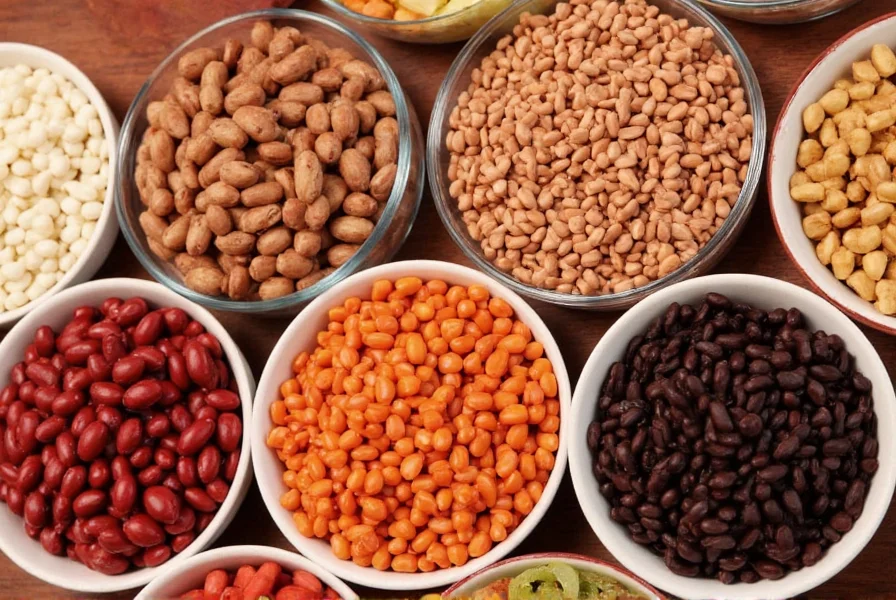
Not all canned beans are equal. After tasting 15+ brands (yep, I'm that guy), here's how to pick winners:
- Skin test: Shake the can. If you hear sloshing, skins are likely burst—avoid. Good beans sit snug in liquid.
- Color check: Dark red kidneys should look vibrant, not dull gray. Pintos need mottled tan/brown—not faded.
- Taste test: Drain a spoonful cold. Should taste earthy and fresh—not metallic or bland. If it tastes like the can, it'll ruin your chili.
Watch for "chili beans" traps. These are pintos or kidneys pre-cooked in sauce (like Bush's Chili Beans). Fine for shortcuts, but they add extra sugar/salt that messes with your spice balance. Stick to plain beans unless you're in a real rush.
Final Verdict: Keep It Simple
After two decades of chili nights, here's my blunt advice: Start with dark red kidney beans. They're the safest bet for texture and flavor. If you're feeling fancy, add pintos—but only in the last 15 minutes. Black beans? Optional, but don't expect magic. And for heaven's sake, ditch lima beans entirely. Rinse everything, taste your beans first, and you'll nail it every time. Chili's about heartiness—not playing bean roulette.
Everything You Need to Know
Nope, never skip rinsing. Canned beans contain liquid full of excess salt and starch that makes chili taste metallic and gloppy. As Spend with Pennies advises, always drain and rinse to "remove excess salt and starches"—it takes 10 seconds and totally changes the flavor.
Two main culprits: wrong bean type or bad timing. Lima beans dissolve fast—avoid them entirely. Even good beans (like pintos) turn mushy if added too early. Add delicate beans in the last 15 minutes of cooking. Kidney beans can handle long simmers, but if they're mushy, your can was low quality—skins should stay intact as Sporked.com's testing confirmed.
Not "better"—just different. Kidney beans have thicker skins and robust flavor that holds up in traditional chili. Black beans are milder with thinner skins, so they work in Tex-Mex chili but get lost in meat-heavy pots. The Daily Meal ranks kidneys #1 for structural integrity. Use black beans for variety, not as a kidney substitute.
Cool chili within 2 hours, then store in airtight containers. Beans soak up liquid as they sit, so add a splash of broth when reheating. Kidney beans hold texture best for leftovers—pintos soften more. Never freeze chili with lima beans; they turn to paste. Properly stored, chili lasts 4 days in the fridge or 3 months frozen.
More Articles
 Molasses Expiration: Shelf Life, Storage & Spoilage Signs
 Sirloin Steak Recipe: Simple Steps for Perfect Results
 Thyme Seeding: Step-by-Step Guide to Growing from Seed
 Simple Homemade Potato Soup Recipe: Creamy in 30 Minutes
 Canela Sticks: Real Ceylon Cinnamon vs Cassia Guide
 Do Spices Expire? 5 Signs Your Spices Have Gone Bad (and Shelf Life Chart)
 Black Pepper Chicken: Authentic Recipe & Pro Tips
 Sausage and Egg Muffins: Meal Prep Breakfast Guide
 Garam Masala: The Essential Indian Spice Blend Guide
 Clover Spice? No, It's Clove Spice – Your Essential Guide