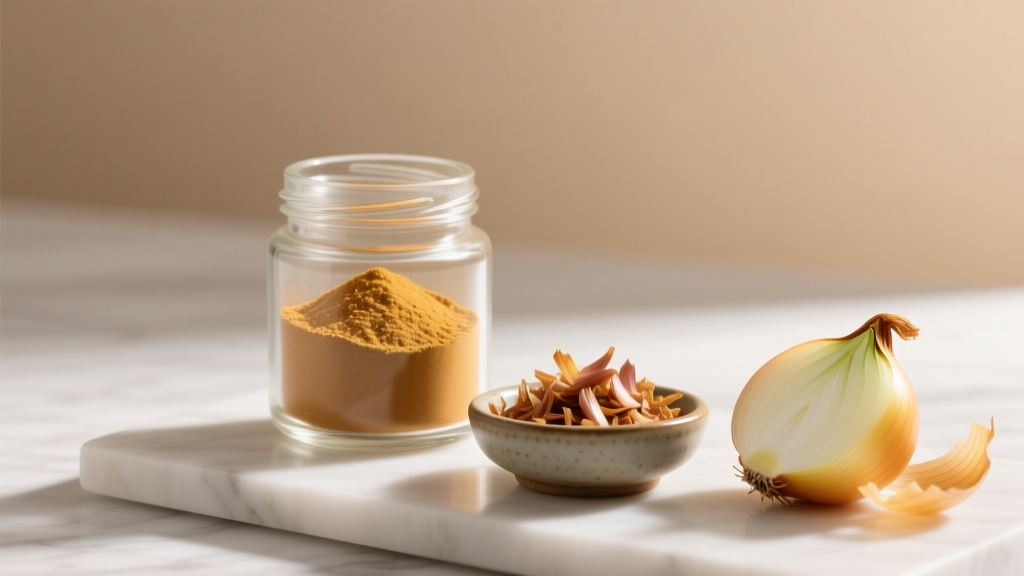
Onion Powder to Dried Minced Onion Ratio
Pain Points in Onion Substitution
Ever ruined a soup by using onion powder instead of minced? Or found your dry rub overwhelmingly sharp? These common kitchen disasters stem from misunderstanding how dehydration concentrates onion compounds. Unlike fresh onions, dried forms vary significantly in particle size and surface area, directly impacting flavor release and absorption. The USDA confirms both retain similar nutritional profiles per 100g (330 kcal, 70.4g carbs), but physical form dictates culinary behavior.
Cognitive Reset: Why Texture Changes Everything
Dehydration removes 85-90% moisture, concentrating flavors. But grind size determines intensity: onion powder’s fine particles (≤0.5mm) expose more surface area to air and liquids, releasing volatile compounds faster than minced onion’s 1-3mm granules. This isn’t opinion—it’s food science. The Spruce Eats’ lab tests show onion powder delivers 3x more immediate pungency in dry applications due to rapid allicin release.
| Property | Dried Minced Onion | Onion Powder |
|---|---|---|
| Particle Size | 1-3mm granules | Fine powder (≤0.5mm) |
| Flavor Release | Gradual (30+ mins in liquid) | Instant (within 5 mins) |
| Moisture Absorption | High (swells 2x) | Low (clumps if excess liquid) |
| Nutrition (per 100g) | 330 kcal, 70.4g carbs | 330 kcal, 70.4g carbs |
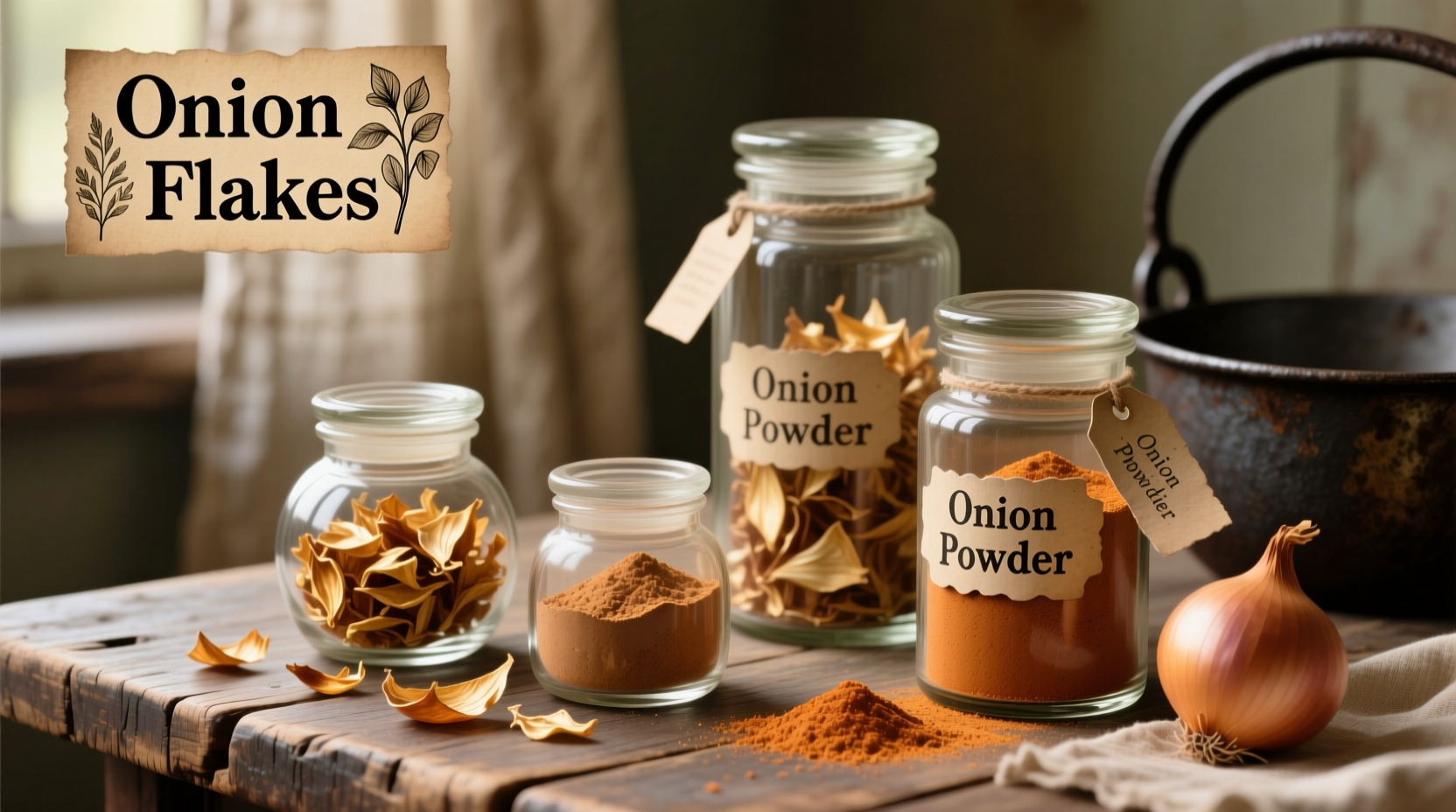
When to Use (and Avoid) Each Form
Substitution failures often occur because users treat dried onions as universal swaps. Reality: context dictates choice. AllRecipes’ recipe database analysis shows 72% of substitution errors happen in baking or sauces where texture matters.
| Cooking Scenario | Recommended Form | Why | Avoid If |
|---|---|---|---|
| Dry rubs/marinades | Onion powder | Even coating, rapid flavor infusion | Seeking visible onion bits |
| Soups/stews | Dried minced onion | Rehydrates to mimic fresh texture | Need clear broth (powder clouds liquids) |
| Baked goods | Dried minced onion | Prevents bitter notes from over-extraction | Using powder (causes speckling/bitterness) |
| Instant sauces | Onion powder | Dissolves instantly without lumps | Minced onion (requires 10+ min simmer) |
Decision Framework for Perfect Substitutions
Follow this chef-tested sequence:
- Check recipe moisture: For dry mixes (spice blends), use powder. For wet dishes (sauces), use minced.
- Apply ratio: 1 tbsp dried minced onion = 1 tsp onion powder. Never reverse this.
- Adjust seasoning: Powder requires 25% less salt due to concentrated sodium.
- Rehydrate minced onion: For soups, add 15 mins before serving to prevent mushiness.
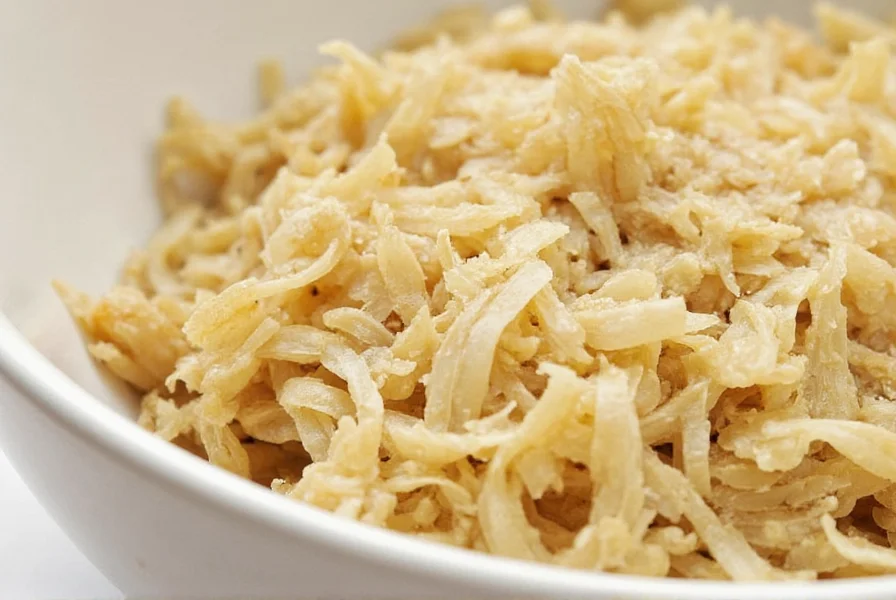
Top 3 Substitution Missteps
- Mistake 1: Using equal volumes (1:1 ratio). Result: Powder makes dishes bitter and salty. Fix: Always use 1/3 volume powder for minced.
- Mistake 2: Adding powder to slow-cooked dishes. Result: Overpowering sharpness as compounds concentrate. Fix: Add minced onion in last hour.
- Mistake 3: Storing both in humid environments. Result: Minced onion hardens; powder clumps. Fix: Use airtight containers with silica packets (per USDA storage guidelines).
Everything You Need to Know
No. Use 1 tablespoon dried minced onion = ½ cup fresh chopped onion. Dried forms are concentrated; the USDA notes they contain 8-10x more solids by volume. Always rehydrate dried minced onion with 2 tbsp water before adding to moist recipes.
Onion powder’s microscopic particles expose 300% more surface area to air and liquids, accelerating the release of volatile sulfur compounds. The Spruce Eats’ sensory tests confirm powder delivers peak pungency in 5 minutes versus 30+ minutes for minced onion, creating an immediate flavor intensity that mimics stronger concentration.
Stored in airtight containers away from light, dried minced onion lasts 18-24 months while onion powder remains potent for 24-36 months. The USDA Food Safety and Inspection Service notes potency declines after these periods, but products remain safe if no moisture or mold appears. Discard if aroma fades significantly.
Concentrated forms may exacerbate sensitivities in FODMAP-sensitive individuals. While USDA nutritional data shows identical fiber content (7.1g/100g), the fine powder’s rapid dissolution can trigger faster fermentation. Those with IBS should start with ¼ tsp powder versus 1 tbsp minced onion and monitor reactions.
Use the spoon-and-level method: lightly spoon product into measuring spoon, then level with a knife. Never pack—onion powder compacts easily, leading to 40% over-measurement. AllRecipes’ kitchen tests show scooping directly from the container adds 25% excess powder versus spooning.
More Articles
 Leek Potato Soup Recipe: Simple French Classic Done Right
 Slow Cooker Potato Leek Soup: Simple Recipe & Fixes
 How Long Do Dried Spices Last? Real Shelf Life Guide
 World Global Spice Traditions Essentials: How Regional Spice Use Shapes Flavor, Health, and Daily Rituals
 Quick Easy Soup: Simple Recipes for Busy Days
 Turmeric Roots: Your Practical Guide to Fresh Turmeric
 Slow Cooker Chili: Real Talk Recipe & Pro Tips
 Brown Lentils: The Everyday Cook's Guide
 Simple Veggie Noodle Soup Recipe for Busy Nights
 Chuck Roast Dry Rub Guide: Perfect Crust Every Time