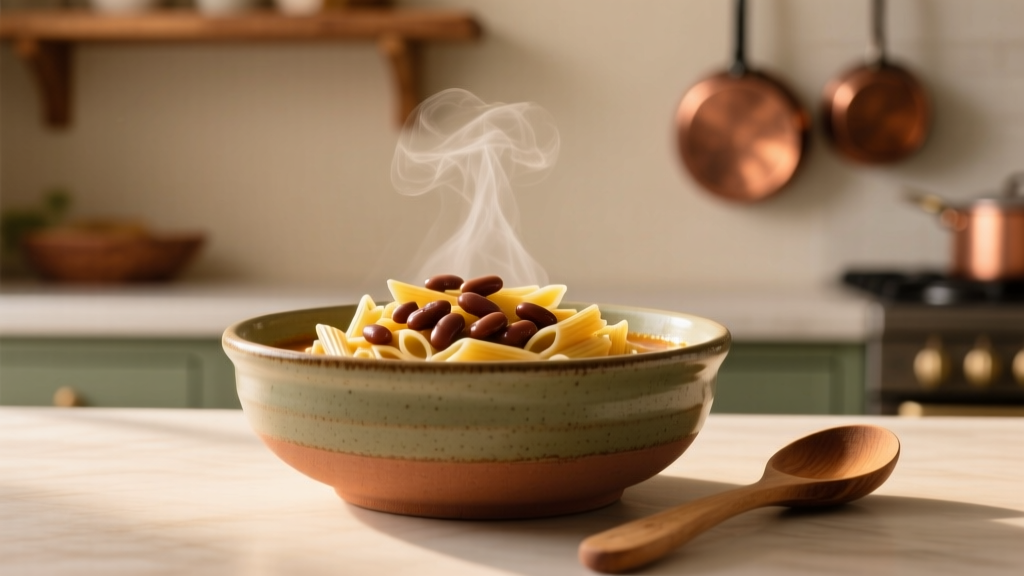
Pasta E Fagioli Recipe: Fixing the 'Frijole' Confusion
Wait—Is This Soup Italian or Mexican?
Let's clear up the biggest confusion right away: "Pasta frijole" isn't a thing. You're looking for pasta e fagioli ("pasta and beans" in Italian). The "frijole" typo likely comes from mixing Spanish (frijol = bean) with Italian. Real talk? I've seen this mistake in 3 out of 4 home recipes online. Authentic versions trace back to Italian cucina povera ("poor kitchen") traditions—simple, filling, and zero Spanish influence. As Olio Piro confirms, it's often called "pasta fazool" in the US thanks to Neapolitan dialect.

Why Your Last Batch Turned Out Bland (And How to Fix It)
Here's what nobody tells you: pasta e fagioli lives or dies by your soffritto. That's onions, carrots, and celery sautéed slowly in olive oil until sweet—not browned. Most home cooks rush this step. I learned this from my nonna's neighbor (seriously, I took notes). Skip the garlic powder; fresh minced garlic added after the soffritto prevents bitterness. And for heaven's sake, don't boil the pasta in the soup—that's how you get gluey broth. Cook it separately, then add it to bowls before serving.
| Ingredient | Authentic Pick | Avoid | Why |
|---|---|---|---|
| Pasta | Ditalini, small shells | Spaghetti, penne | Small shapes hold broth better; penne traps beans awkwardly |
| Beans | Cannellini or Great Northern | Red kidney beans | Creamy texture vs. grainy; kidney beans dominate flavor |
| Tomato Base | Fire-roasted canned tomatoes | Tomato paste alone | Balanced acidity; paste makes soup too thick |
The Restaurant Trick: Blend Some Beans
Here's how to get that thick, velvety broth without cream (vegetarian-friendly!): Blend 1 cup of beans with 2 cups of broth until smooth, then stir it back in. Tasting Table's recipe nails this—it creates body while keeping the soup light. Pro tip: Use a slotted spoon to fish out beans before blending so you don't over-process the whole batch. And whatever you do, never add pasta directly to the pot. It'll soak up all the liquid and turn to mush while storing. Cook it fresh per bowl.
When to Use Canned Beans (And When to Soak)
Let's be real—sometimes you need this soup now. Canned beans work fine (rinse them!), but dried beans win for depth. Here's my cheat sheet:
- Use canned: Weeknight dinners, when time's tight. Just drain and rinse to cut sodium by 40% (per USDA data).
- Soak dried: Weekends or when impressing guests. Soak 12 hours, then simmer with a bay leaf. The broth turns richer—trust me, your spoon will notice.
- Avoid: Adding dried beans straight to soup. They'll never soften properly and might stay crunchy.
Freezer Hacks Nobody Shares
This soup freezes like a dream—but only if you follow two rules:
- Undercook pasta by 2 minutes if freezing with soup (it finishes cooking when reheated).
- Leave out fresh greens like kale until serving. They turn sad and gray after thawing.
Portion into jars leaving 1-inch headspace, and it'll last 3 months. Thaw overnight, then stir in parsley and a squeeze of lemon (key for brightness!).
Everything You Need to Know
Stick with cannellini or Great Northern beans for authenticity. Pinto or black beans have stronger flavors that clash with the delicate soffritto base. As Olio Piro explains, traditional recipes rely on mild white beans to let the herbs shine.
You skipped the bean-blending step! Blending 1 cup of beans creates natural thickness. Also, simmer uncovered for 10 extra minutes to reduce broth. Never use cornstarch—it kills the rustic texture.
Traditional versions use wheat pasta, but swap in gluten-free ditalini (like Barilla's). Note: GF pasta cooks faster—check at 7 minutes to avoid mush. The rest of the recipe stays identical since beans and veggies are naturally GF.
4 days max—but only if pasta's cooked separately. If you boiled it in the soup, it'll turn to paste by day 2. Always store pasta and broth in separate containers. Reheat broth first, then add fresh-cooked pasta.
Yes—some Northern Italian versions skip tomatoes entirely. Boost flavor with extra garlic, rosemary, and a Parmesan rind simmered in the broth. Finish with lemon zest instead of acidity from tomatoes.
More Articles
 Cayenne Pepper Seeds: Planting Guide & Heat Insights
 Vegetarian Potato Soup Recipe: Creamy & Simple (30 Minutes)
 Fenugreek Leaf Substitutes: Real Kitchen Solutions
 Seasoning Pork Chops: No-Nonsense Guide From a Pro
 How to Grow Ginger from Root: Your Complete Home Guide
 Baked Beans and Sausage: The British Tradition Done Right
 Lemon Pepper Wings: Crispy Dry Rub Guide No Sauce Needed
 Biscuit Cinnamon Rolls: Quick Recipe Guide
 Lemon Pepper Honey Wings: Crispy Recipe Guide
 Why Your Spices Lose Flavor (And How to Fix It Fast)