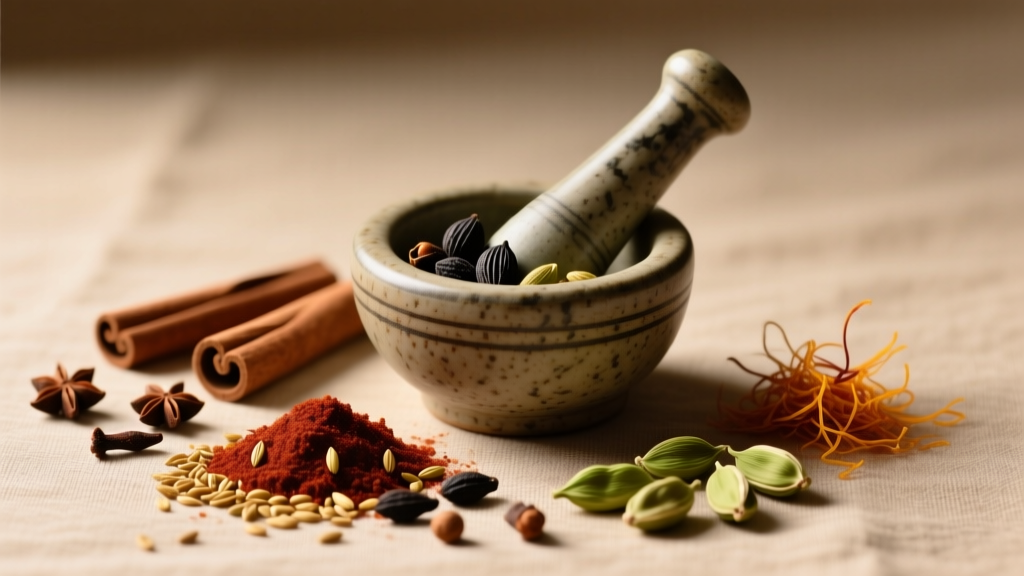
Garam Masala: The Essential Indian Spice Blend Guide
What Garam Masala Really Is (Hint: Not "Spicy")
"Garam" means "warm" in Hindi—not "spicy hot." It refers to Ayurvedic thermal properties that supposedly raise body temperature. Think cozy cinnamon warmth, not chili burn. And "masala" just means "spice blend." So it's literally "warming spice mix." Honestly, the biggest myth? That it's interchangeable with curry powder. Nope. As Spice Station Silver Lake explains, garam masala lacks turmeric (so no yellow color) and focuses on aromatic warmth rather than heat.| Spice | Flavor Role | North Indian Blend | South Indian Blend |
|---|---|---|---|
| Cardamom | Floral, citrusy | High (green/black) | Moderate (mostly green) |
| Cinnamon | Warm sweetness | High (Ceylon) | Moderate |
| Cloves | Pungent depth | High | Moderate |
| Black Peppercorns | Sharp bite | Low | High |
| Nutmeg | Creamy warmth | Low | Moderate |
Regional variations matter—North Indian blends lean sweeter, South Indian versions pack more pepper kick. Source: Masala Drops historical analysis
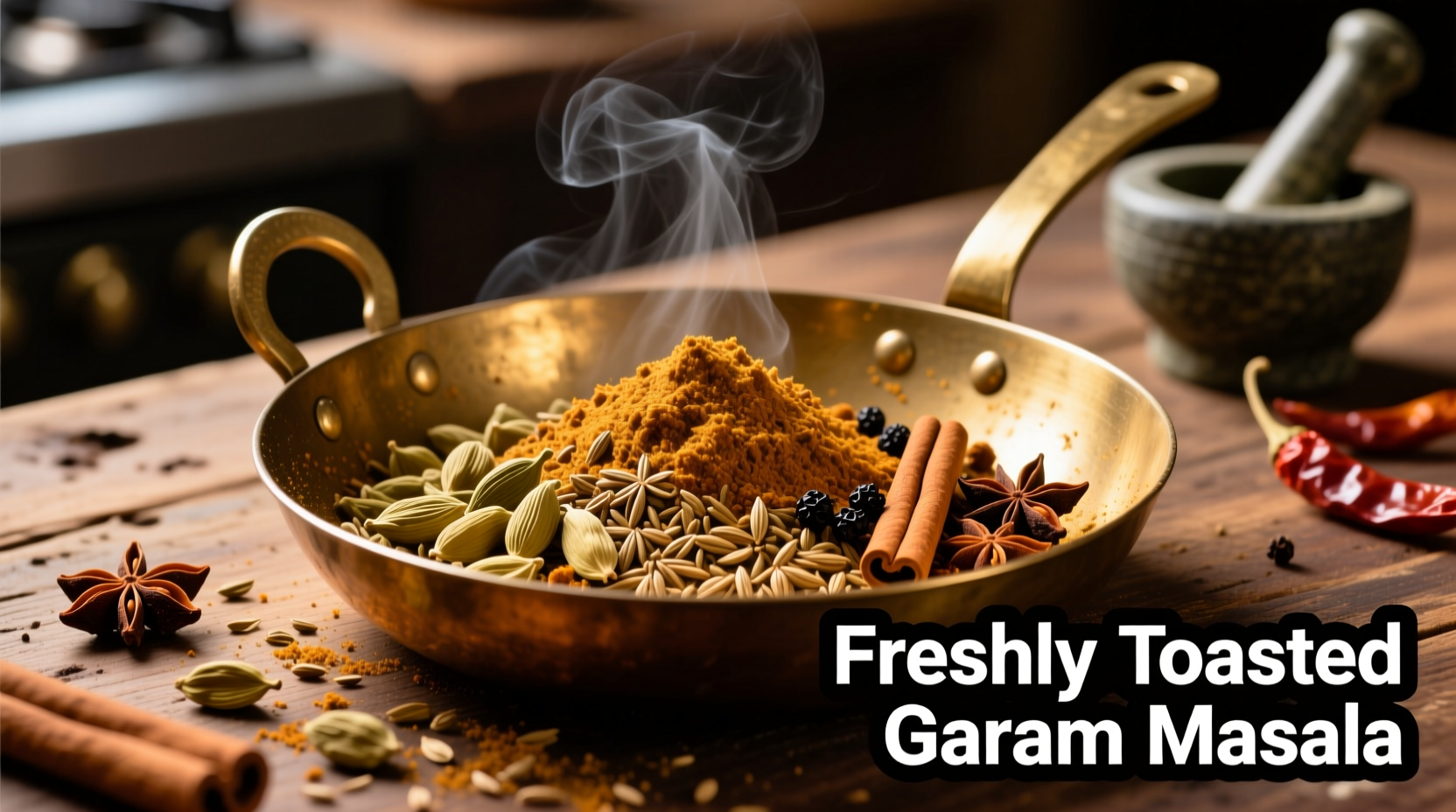
When to Use (and When to Avoid) Like a Pro
Here's what most blogs won't tell you: garam masala has hard limits. I've watched chefs dump it into Thai curries and wonder why it tastes "off." DO use it for:- Finishing Indian dishes (add in last 5 minutes of cooking)
- Marinating meats (chicken tikka especially)
- Roasted vegetables (sweet potatoes love it)
- Homemade chai (1/4 tsp per cup)
- Long-simmered stews (flavors evaporate)
- Non-Indian dishes (sorry, no garam masala in your spaghetti)
- Dishes with strong competing spices (like berbere)
- Raw applications (it needs heat to bloom)
| Blend | Color | Heat Source | Add When | Best For |
|---|---|---|---|---|
| Garam Masala | Tan brown | Warming spices | End of cooking | Finishing touch |
| Curry Powder | Golden yellow | Chilies/turmeric | Start (bloom in oil) | British-style curries |
Key difference: Curry powder always contains turmeric. Garam masala doesn't. Source: soeos.com spice guide
Homemade vs Store-Bought: The Freshness Factor
Let's be real—store-bought garam masala is often stale before you buy it. Pre-ground spices oxidize fast, losing that floral top note. I keep batches small (enough for 2-3 months) and grind whole spices fresh. My foolproof method:- Toast whole spices (coriander, cumin, cardamom pods) 2 mins on low heat
- Cool completely (critical step!)
- Grind with mortar/pestle or spice grinder
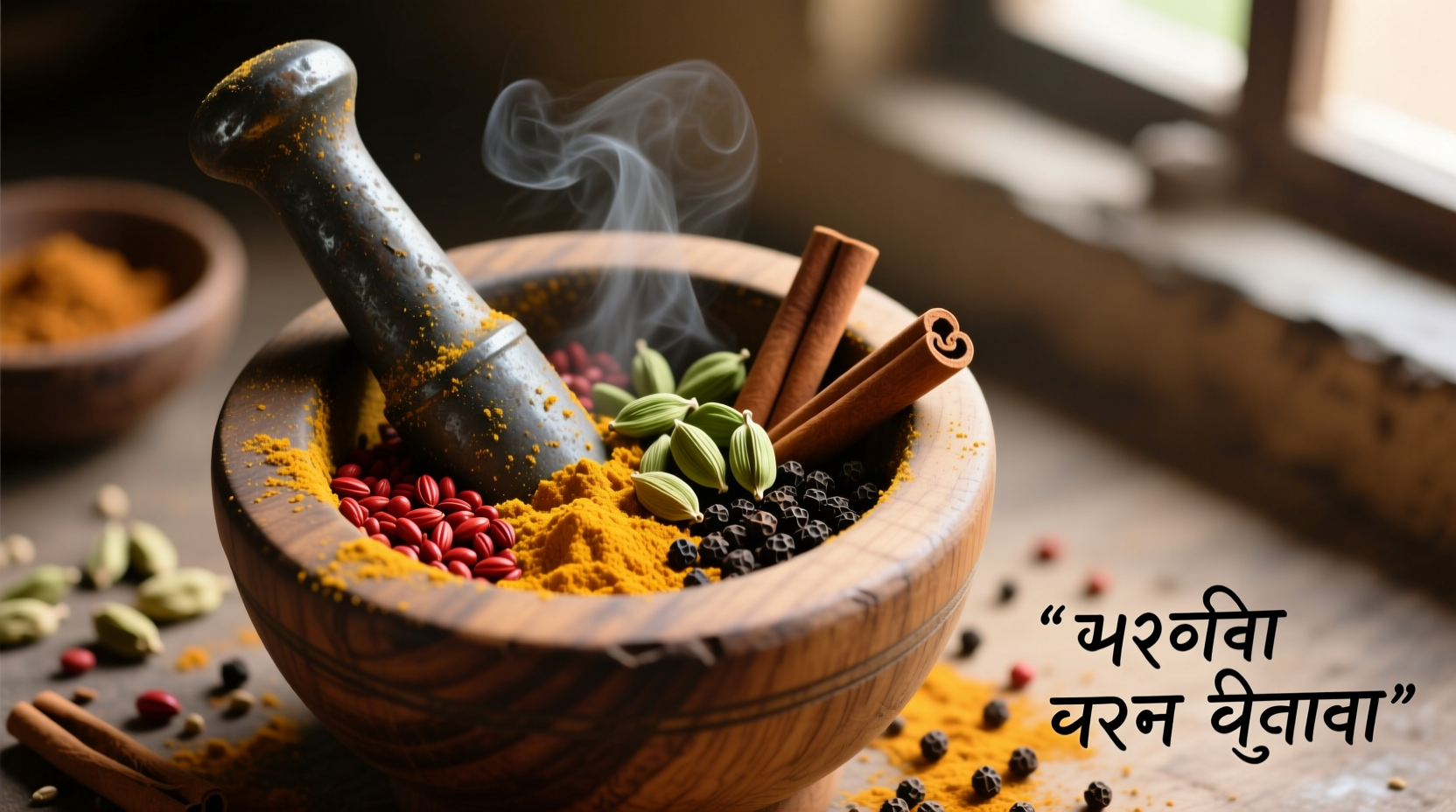 Store in amber glass jars away from light. And seriously—skip the clear containers. Light kills flavor faster than heat.
Health Aspects: What's Actually Backed Up
Ayurveda links garam masala to digestive benefits, but let's keep it real: it's not medicine. Historical records show spices like cloves and cinnamon were used traditionally for digestion, but modern science is limited. Don't expect miracles—just enjoy the flavor.3 Mistakes Even Seasoned Cooks Make
- Adding it too early—Destroys volatile oils. Always finish with it.
- Using it as curry powder—You'll miss the turmeric color and get off-balance flavor.
- Storing in the fridge—Moisture ruins dry spices. Pantry only, in dark containers.
Everything You Need to Know
Nope. "Garam" means "warming" in Hindi, referring to Ayurvedic properties—not spiciness. It's milder than curry powder with no chili heat. The warmth comes from spices like cinnamon and cloves.
Not directly. Swap only in small amounts for finishing dishes—never as a base. Curry powder contains turmeric (for color) and chilies; garam masala lacks both. Using it as a 1:1 substitute will make dishes taste sweet but colorless.
Freshly ground lasts 3-4 months in an airtight, dark container. Store-bought degrades faster—use within 6 months. If it smells dusty or looks faded, toss it. Pro tip: Toast store-bought 30 seconds in a dry pan to revive flavor.
Over-toasting whole spices or adding it too early in cooking. Toast spices just until fragrant (1-2 minutes max on low heat), then cool completely before grinding. If added at the start of cooking, the delicate oils burn off, leaving bitterness.
Traditionally in Ayurveda, yes—it's believed to aid digestion and reduce inflammation. Spices like cloves and cinnamon have studied antioxidant properties. But it's not a cure-all; enjoy it as part of balanced cooking, not medicine. Source: Spice Station Silver Lake.
More Articles
 Quick Easy Soup: Simple Recipes for Busy Days
 Freezing Spices: Does It Actually Preserve Flavor? (Science-Backed Answer)
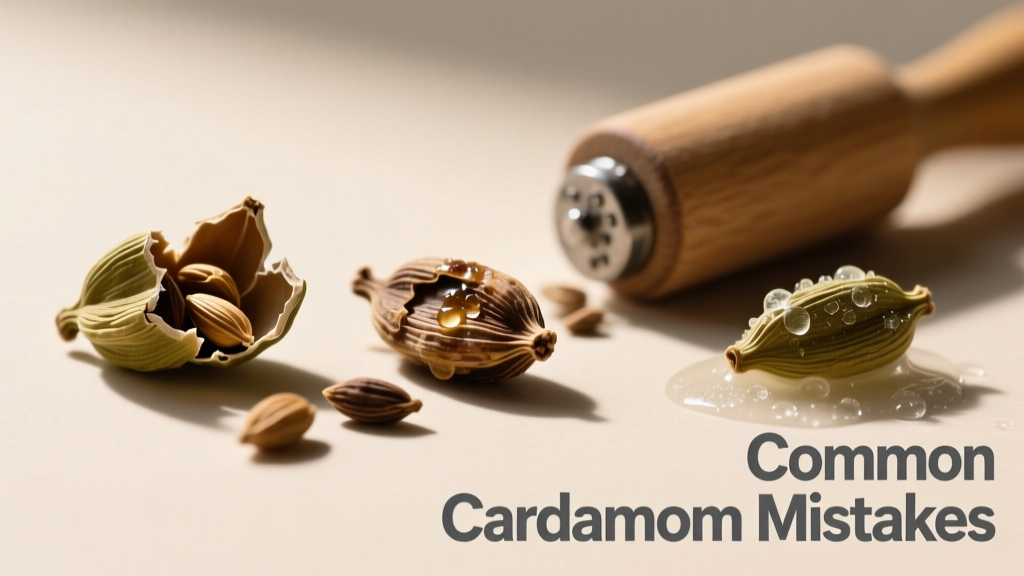 Cardamom Common Mistakes: How Home Cooks Waste Flavor, Waste Money, and Undermine Their Dishes
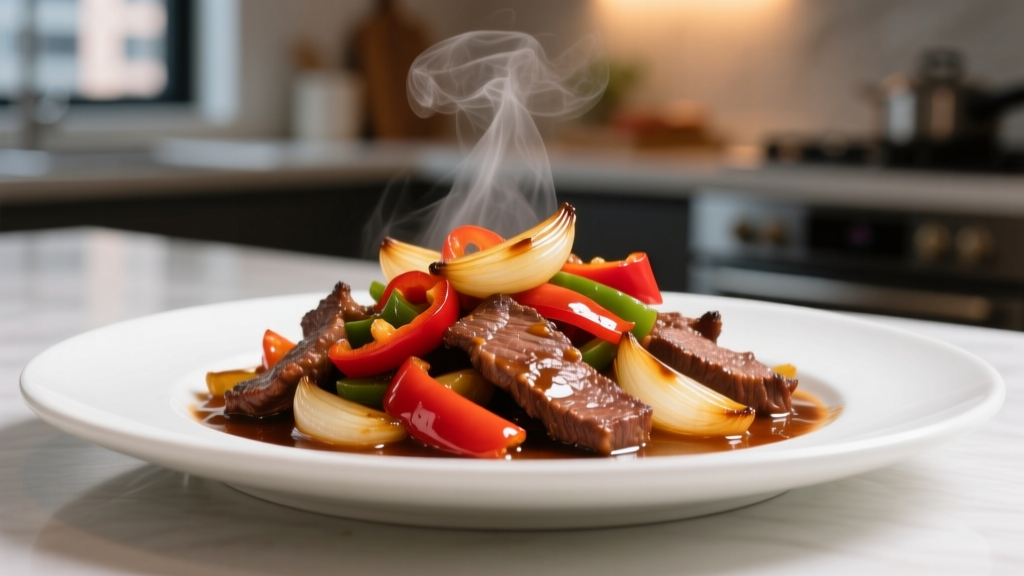 Chinese Pepper Steak with Onions: Authentic Recipe & Fixes
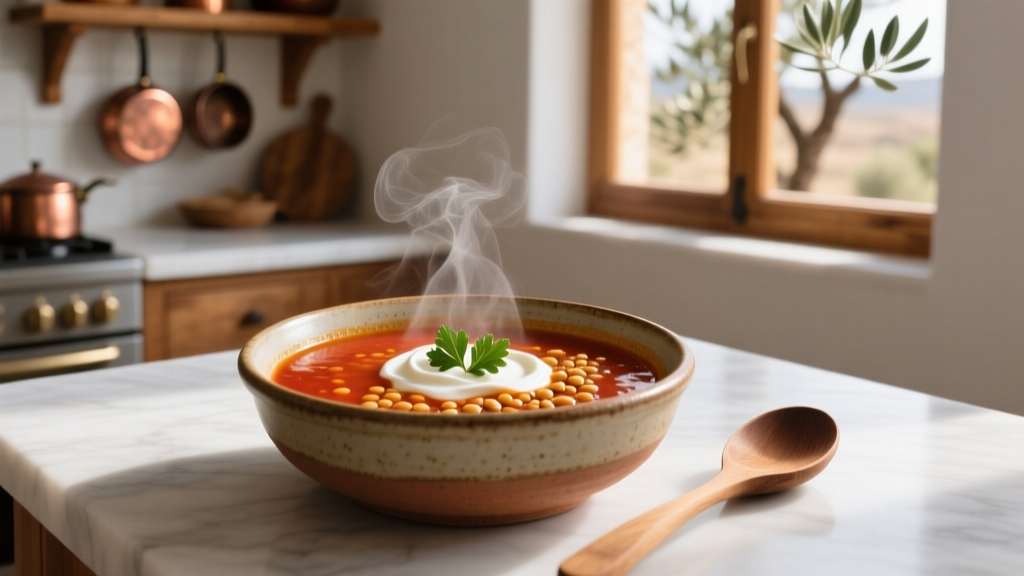 Turkish Red Lentil Soup: The Authentic Breakfast Staple
 French Onion Soup Chicken Casserole: Better Than Canned Soup
 Slow Cook Sausage and Potatoes: No-Brown 6-Hour Recipe
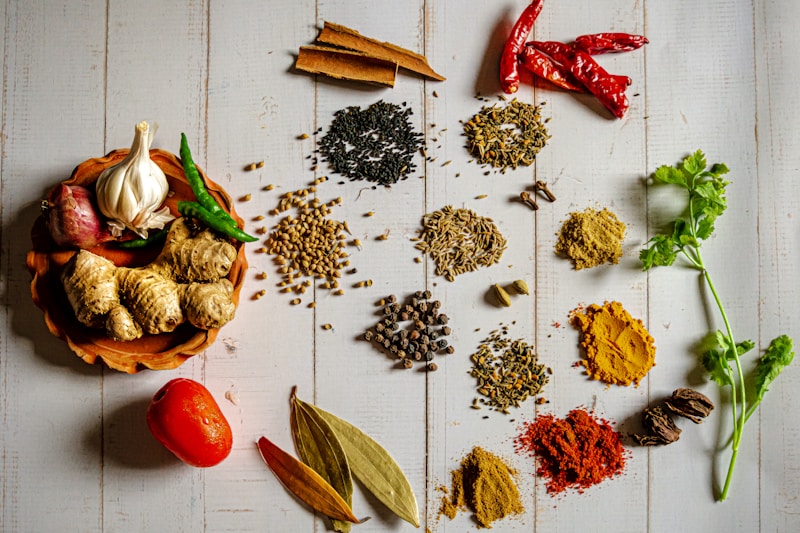 Spice Rack Organization: 7 Layout Ideas That Keep Your Kitchen Tidy
 Brown Sugar in Chili: Why It Works and How to Use It Right
 Indian Curry Types: Regional Styles & When to Use Them