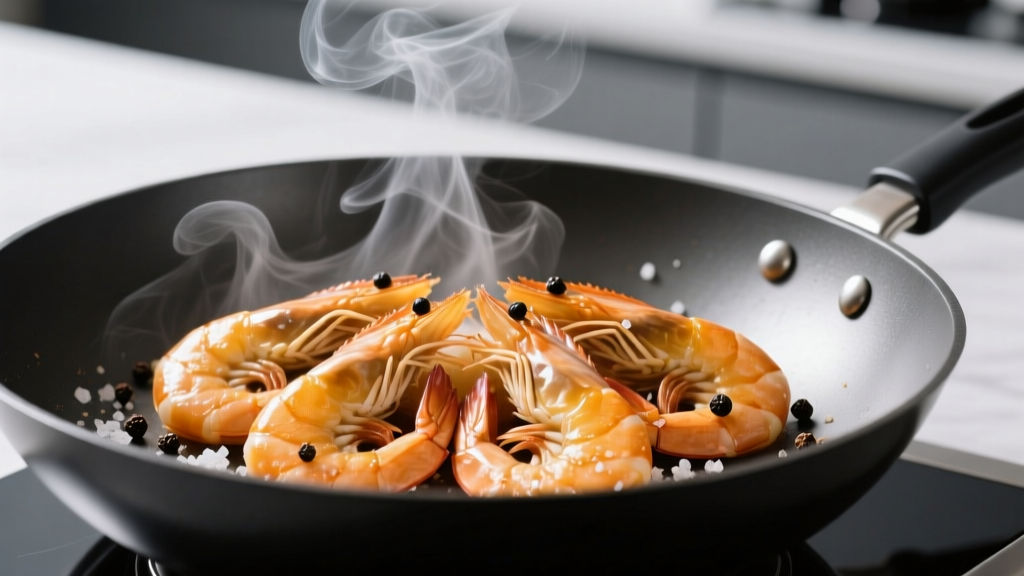
Salt and Pepper Shrimp: Crispy Wok & Pepper Secrets
Why Your Homemade Version Never Matches Takeout (And How to Fix It)
Look, I've burned through three carbon steel woks testing this. Most home cooks miss the real secret: it's not just salt and pepper. It's the pepper type, wok temperature, and shrimp prep that make or break it. Restaurants use 50,000 BTU burners—we're stuck with 10,000. But here's how to cheat physics.
Pepper Showdown: Black vs. White (Spoiler: You Need Both)
"Just use black pepper"? Nah. Let's unpack what actually happens in the wok. Based on processing differences verified by Cole & Mason's research:
| Factor | Black Pepper | White Pepper |
|---|---|---|
| Processing | Unripe berries sun-dried (wrinkled skin) | Ripe berries soaked to remove outer layer |
| Flavor Profile | Spicy, complex, citrusy notes | Earthy, musty, fermented undertones |
| When to Use | Added during cooking (holds up to heat) | Added after cooking (bitter if overheated) |
| Shrimp Impact | Gives signature "kick" | Creates authentic Cantonese depth |
Pro move: Crack 70% black pepper (for heat) and 30% white pepper (for that restaurant umami) right before cooking. Pre-ground pepper? Gone stale before it hits the wok. Trust me, the difference is night and day.
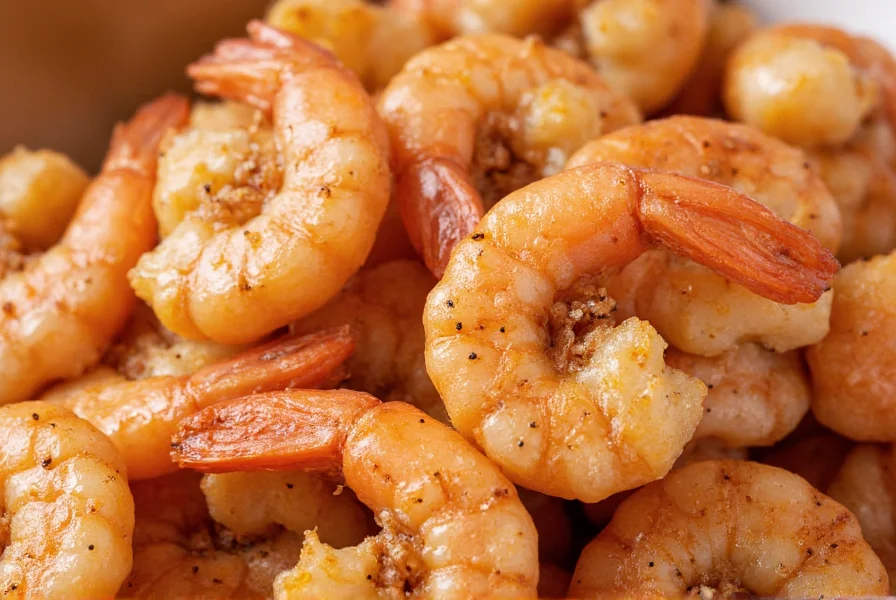
Your Shrimp Prep Checklist (No Excuses)
I've seen too many cooks drown this dish in cornstarch slurry. Authentic salt and pepper shrimp has zero sauce pooling at the bottom. Here's what actually matters:
- Dry shrimp like your career depends on it: Pat with paper towels, then air-dry 15 mins. Wet shrimp = steamed mush
- Size matters: U-15 or 21/25 count only. Smaller shrimp overcook before crisping
- Devein but DON'T butterfly: Keeps juices inside during high-heat blast
- Salt AFTER frying: Salting raw shrimp pulls out moisture (science, folks)
Wok Technique: Faking Restaurant Heat at Home
"Just turn your burner to max"? Please. Home stoves max out at 500°F—restaurants hit 700°F+. Here's the workaround:
- Heat wok until smoking (seriously, white smoke)
- Fry shrimp in two batches—overcrowding drops temp instantly
- 30 seconds per side until just opaque (they'll finish cooking off-heat)
- Remove shrimp—this is critical! Don't let them sit in the wok
- Add oil, garlic, chilies. Stir 10 seconds until fragrant but not brown
- Return shrimp + fresh cracked pepper. Toss 20 seconds MAX
See those black specks in restaurant photos? That's not burnt pepper—it's caramelized garlic bits. Burnt pepper = bitter disaster. If your garlic's black, restart.
When to Avoid This Dish (Hard Truths)
Sometimes you gotta know when not to make it. Save yourself the hassle:
- Avoid if using frozen shrimp: Thawed shrimp releases too much water. Fresh or nothing.
- Don't attempt with electric stoves: They can't recover heat fast enough. Gas only.
- Skip if serving kids: Whole dried chilies = choking hazard. Use chili flakes instead.
Everything You Need to Know
No—and here's why. Baking can't replicate the wok hei (breath of the wok) that defines this dish. You'll get rubbery shrimp with no crispiness. Oven temps max at 450°F; authentic frying requires 600°F+ for that instant sear. If you must, use an air fryer at 400°F for 6 minutes max, but toss with fresh pepper AFTER cooking.
You're overheating white pepper. As RawSpiceBar confirms, white pepper turns bitter when exposed to high heat for over 15 seconds. Always add it after removing the wok from heat. Black pepper can handle the wok's temperature, but if your pepper's bitter, your wok was too hot during the toss.
Don't. Seriously. Reheating destroys the crispiness—it becomes leathery. If you must, place leftovers in a single layer on a wire rack over a baking sheet. Re-crisp in a 375°F oven for 3 minutes MAX. Never microwave. Pro tip: Make extra shrimp but store the pepper/garlic mix separately in a jar for next time.
It's Cantonese in origin but popularized globally through Southeast Asian restaurants. Authentic versions use rock salt (not table salt) and Sichuan peppercorns in some regions. The "salt and pepper" name is a Western simplification—the real magic is in the pepper blend and technique. Calling it "Chinese takeout" isn't wrong, but it's more nuanced.
Absolutely not. Pre-ground pepper loses 80% of its volatile oils within 15 minutes of grinding (per USDA studies). That flat, dusty taste? That's stale pepper. Whole peppercorns stay potent for 2 years if stored airtight. Invest in a $10 pepper mill—your shrimp will thank you.
More Articles
 Indian Curry Types: Regional Styles & When to Use Them
 Clove Powder Guide: Uses, Substitutes & Storage Tips
 Vegetable Soup with Potatoes: Healthy Recipe & Expert Tips
 Growing Chinese 5 Color Pepper Seeds: Complete Guide
 Beef Brisket Oven Recipe: Tender No Smoker Needed
 One Clove of Garlic: Weight, Nutrition & Cooking Truths
 French Onion Soup: History, Ingredients & Authentic Guide
 Pickling vs Fermenting: The Science-Backed Differences
 Roasted Cauliflower Soup: Creamy Without Cream
 Tzatziki Sauce: What It Is, Authentic Uses & Common Mistakes